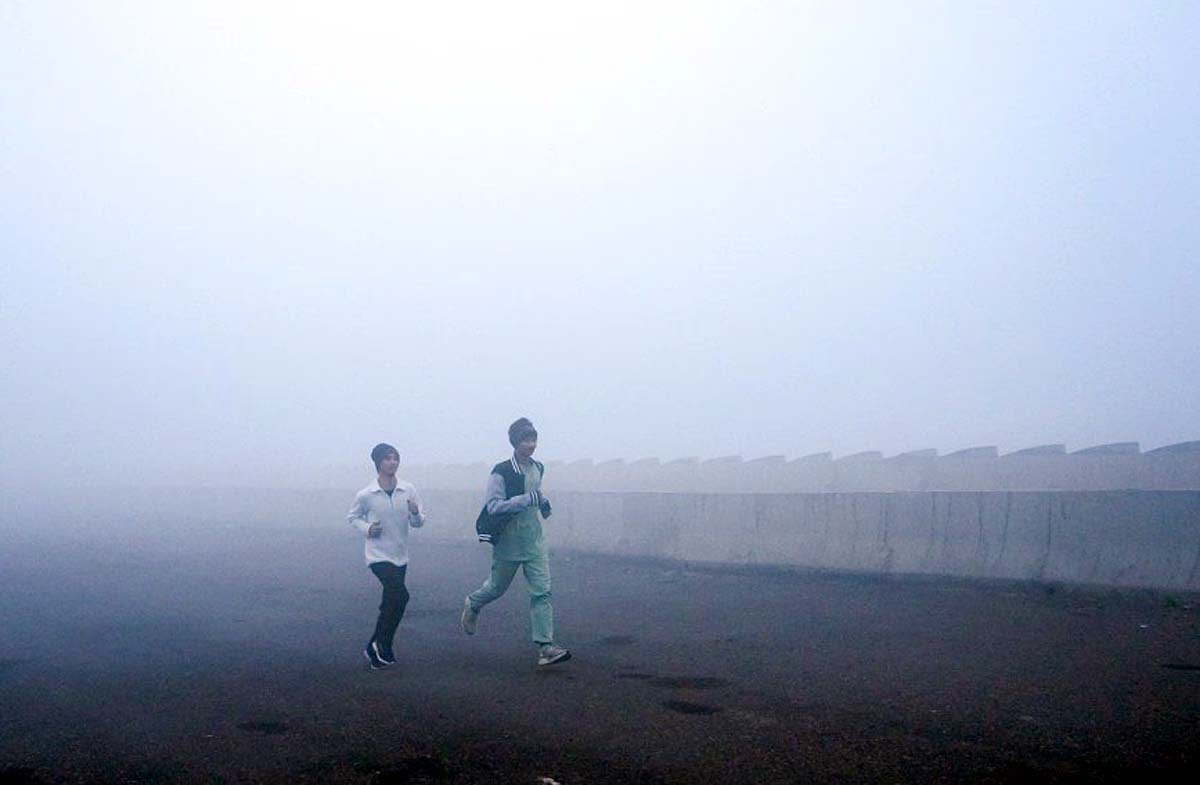
Currently, Delhi-NCR experiences heavy morning fog. Visibility reduces to 100-500 meters in many areas, sometimes even less than 50 meters. People call it stormy weather, but it's actually regular winter radiation fog. No major rain alert is issued, though light rain might occur around January 1.
Today (December 29): Minimum temperature about 9°C (48°F), maximum 20°C (68°F). Humidity 90-100%. Wind speed is very low (5-10 km/h). Morning sees dense fog, visibility is low.
December 30-31: Temperature fluctuates between 8-20°C. Moderate to dense fog in the morning.
January 1, 2026: Light rain likely (about 2 mm), with a slight temperature increase (11-19°C).
Also Read:
An orange alert for dense fog has been issued by IMD. Visibility was registered at 100 meters in several places on December 28-29.
Source: aajtak
In Delhi, winter fog is primarily due to radiation fog. Let's understand how it forms...
Infrared Cooling:
During clear nights, the ground cools rapidly as it doesn't receive the sun’s warmth. Infrared radiation escapes into space, resulting in the cooling of the air's lower layers. When the air temperature reaches the dew point, moisture in the air condenses into tiny droplets, creating fog. December nights in Delhi are longer (12-14 hours), which enhances cooling.
Temperature Inversion:
Normally, air is colder above and warmer below, but in winter, it's reversed – cold below, warm above. This traps cool air and moisture beneath, preventing fog from rising. In Delhi, the inversion layer often occurs at 200-500 meters, capturing the fog.
Also Read:
Low Wind Speed:
When the wind is stagnant (at least 5 km/h), fog and pollution settle in one place. In December 2025, wind speeds mostly ranged from 5-12 km/h, ideal for fog formation.
High Humidity and Pollution:
Proximity to the Yamuna River and the Himalayas increases moisture levels. Pollution particles (PM2.5, PM10) mingle with fog creating smog, further reducing visibility. High humidity (90-100%) enlarges fog droplets and pollution makes it 20-30% denser.
Geographical Influence:
Delhi is located in the Indo-Gangetic Plain, where the Himalayas block cold winds, trapping them.
Source: aajtak
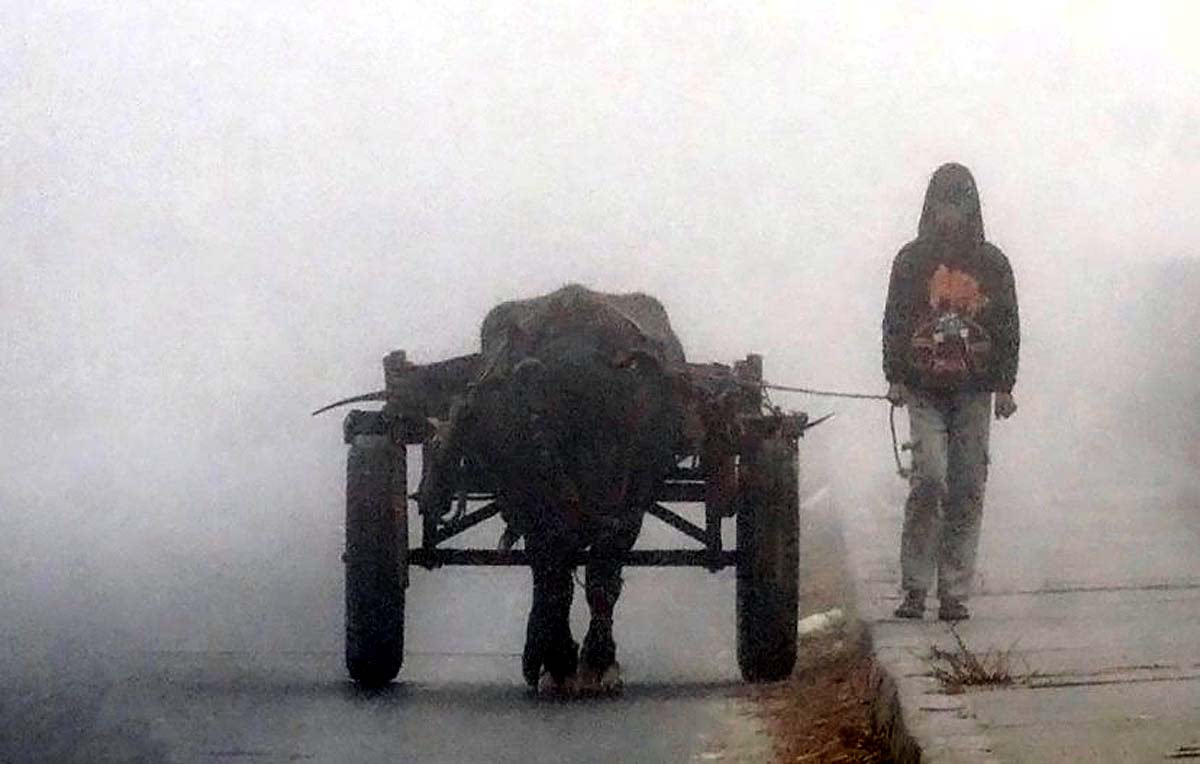
Very Dense Fog: 0-50 meters
Dense: 51-200 meters
Moderate: 201-500 meters
Light: 501-1000 meters
Several days in December 2025 had visibility below 100 meters.
Also Read:
Flights and trains are running late. There's an increased risk of road accidents. Respiratory issues might escalate as AQI levels are poor. This weather recurs every year in December-January, gradually diminishing by mid-January. Keep checking IMD updates and stay safe.