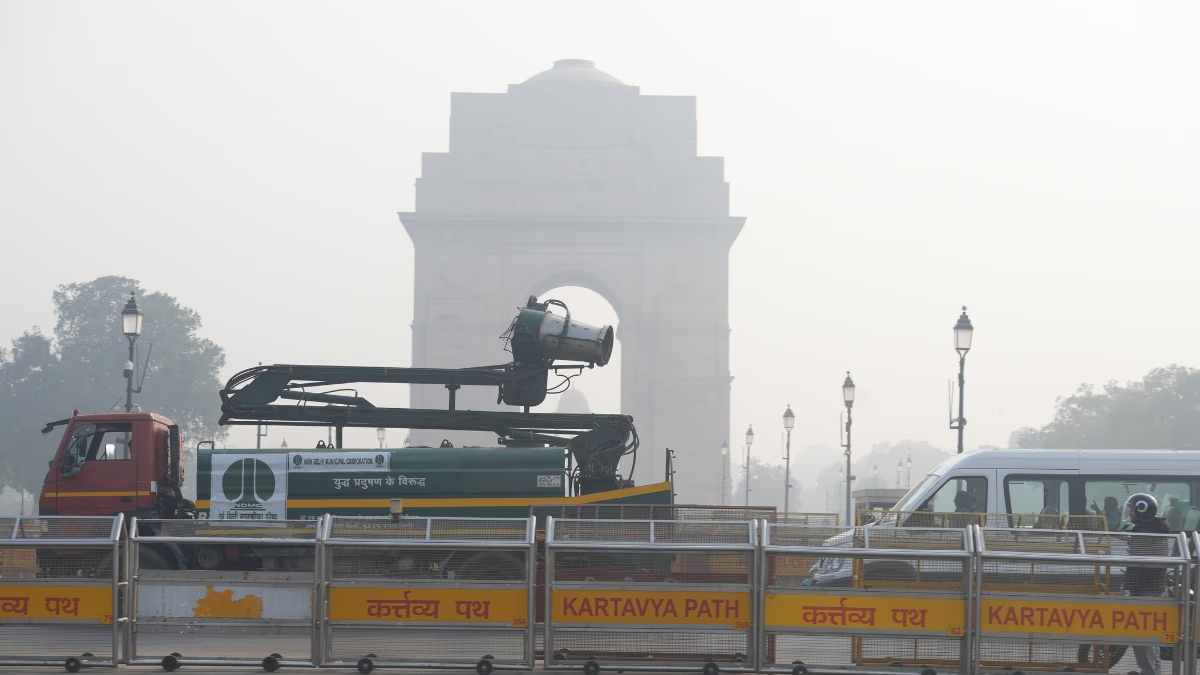
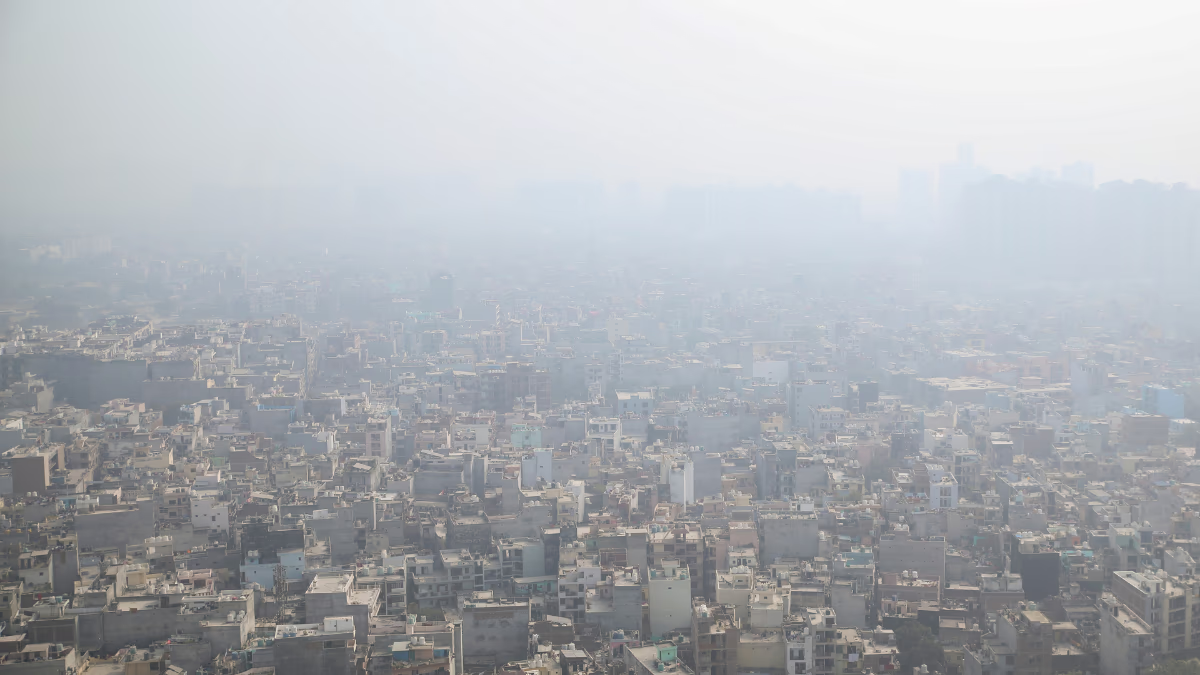
Just like every year, Delhi grapples with a dire pollution crisis. This December, a new challenge accompanies Delhiites - a pernicious blend of poisonous air and fog.
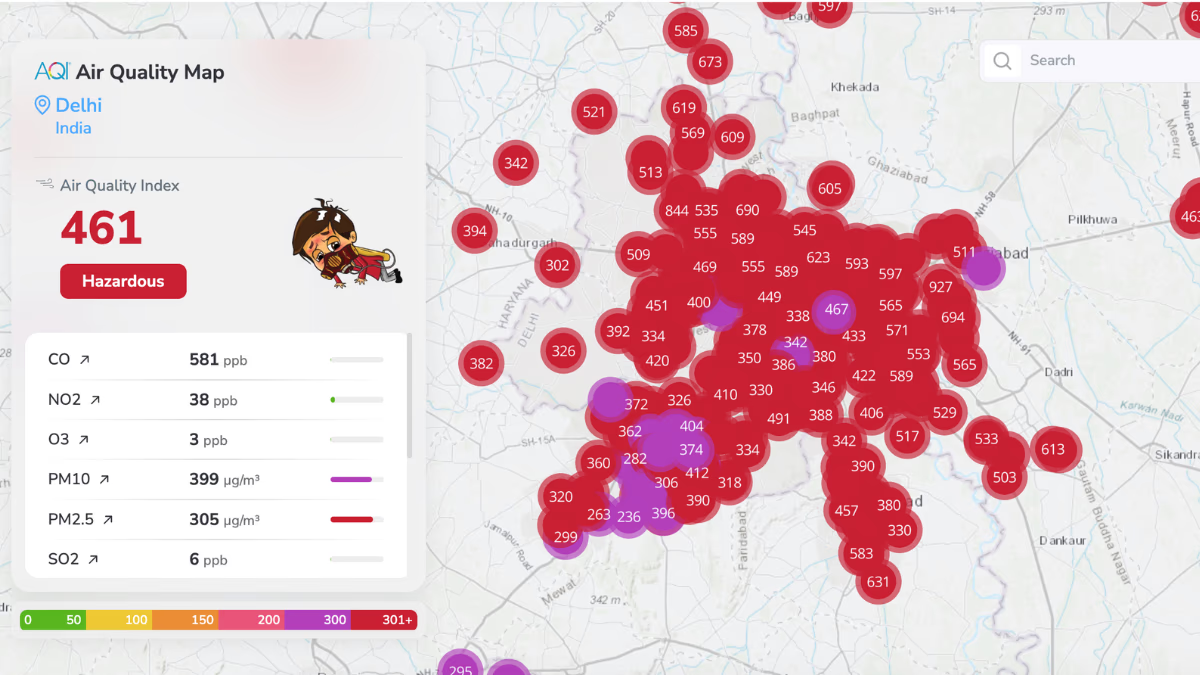
The situation has escalated to alarming levels. In most parts of the capital and NCR, air quality has plunged to hazardous zones, with only a few areas boasting AQI levels under 300.
The Meteorological Department's forecast is equally discouraging. The Ventilation Index, which gauges air dispersion, has tanked to 800 m²/s in Delhi, where anything under 6000 m²/s is considered dangerous.
Wind speed is dropping below 5 km/h in Delhi, suggesting even the breeze is hesitant to linger here. According to the Meteorological Department, shallow fog and partly cloudy skies will persist until Saturday, keeping air quality in the 'very poor' category.
Choking Air: AQI Breaches Critical Levels in Several Areas
Morning readings at 8 AM showed AQI soared beyond dangerous thresholds in many regions. The worst affected was Deep Vihar, where AQI reached a hazardous 850. Bhalswa landfill recorded 550, Rohini Sector 631, ITI Jahangirpuri 690, and Ashok Vihar 754.
Source: aajtak
Even in New Delhi, the air quality remained worrisome with an AQI of 431, a 'severe' category.
The deteriorating air quality is severely impacting health, and experts advise the elderly, children, and those with respiratory issues to exercise caution.
Health Crisis: Doctors Issue Warning
Doctors cite rising pollution as a direct threat to health. Pregnant women, children, and the elderly are particularly vulnerable.
Pregnant women face increased risks due to pollution. The rise in PM2.5 elevates the chances of premature birth by 70% and the birth of underweight infants by 40%. A 10-microgram increase in PM2.5 results in a 12% increase in the probability of early delivery. Children are confronting rising asthma, allergies, and developmental issues. According to doctors, this alarming scenario risks becoming Delhi's new norm.
Economic and Social Devastation
Pollution has also taken a toll on Delhi's economy. Business districts note a 20% clientele drop. Areas like South Ex, Sadar Bazaar, Kamla Nagar, and Pitampura witness fewer customers.
Source: aajtak
Tourism, automobile sales, and construction sectors are severely impacted. Medical expenses are rising, and productivity among workers is declining.
Related Reading:
Government's 'Unyielding Efforts'
The government has implemented GRAP, but the Supreme Court noted its poor execution. Failures include blocking polluting vehicles' entry into Delhi, as CAQM removed Stage 3 measures, citing AQI improvement to 327, despite 300+ being dangerous. Hence, people question government explanations.
Fog and Pollution's Double Trouble with Cold
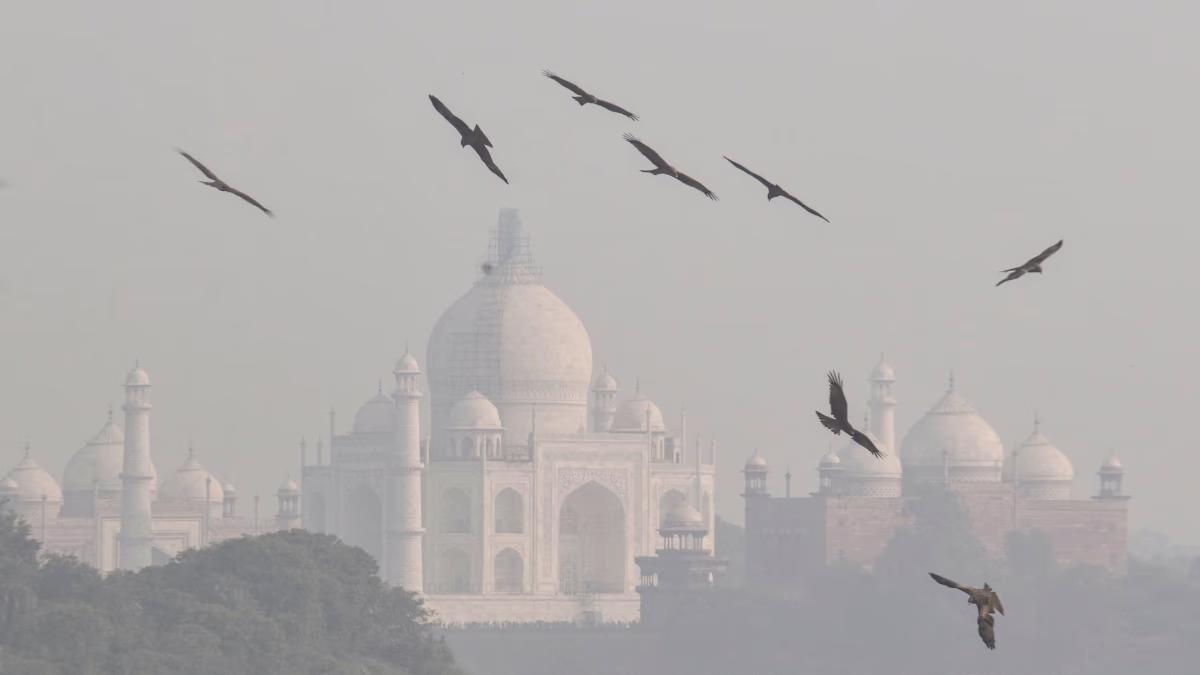
Winter in Delhi-NCR does not only mean cold this year; it brings a dual menace of pollution and fog. With pollution levels already critical, the onset of dense fog threatens to aggravate the situation.
The toxic particles in the air get trapped with the fog, resulting in dense smog during mornings and evenings. Breathing in this polluted air will become exceedingly difficult, particularly for those with pre-existing lung conditions. Symptoms like coughing, breathlessness, asthma attacks, and tightness in the chest are likely to rise.
Source: aajtak
This season's detrimental effects will be felt in both health and daily life. Reduced visibility caused by fog and smog increases road accident risks. Traffic jams could become frequent, making commutes to schools or offices more challenging.
Experts recommend that anyone venturing outdoors, notably seniors, children, and pregnant women, should wear masks. Prolonged exposure to this toxic air could lead to serious health complications. Hence, this winter is not just a time for cozy blankets and tea, but also for masks, inhalers, and air purifiers.
Dire Conditions in Surrounding Areas of Delhi
Regions around Delhi are similarly afflicted. High pollution levels can be observed in Punjab, Uttar Pradesh, and Haryana. Consequently, these areas experience mist and smog blankets in the morning and evening, leading to reduced visibility and an increase in breathing difficulties, coughing, eye irritation, and chest tightness.
India Battling Pollution with Limited Resources!
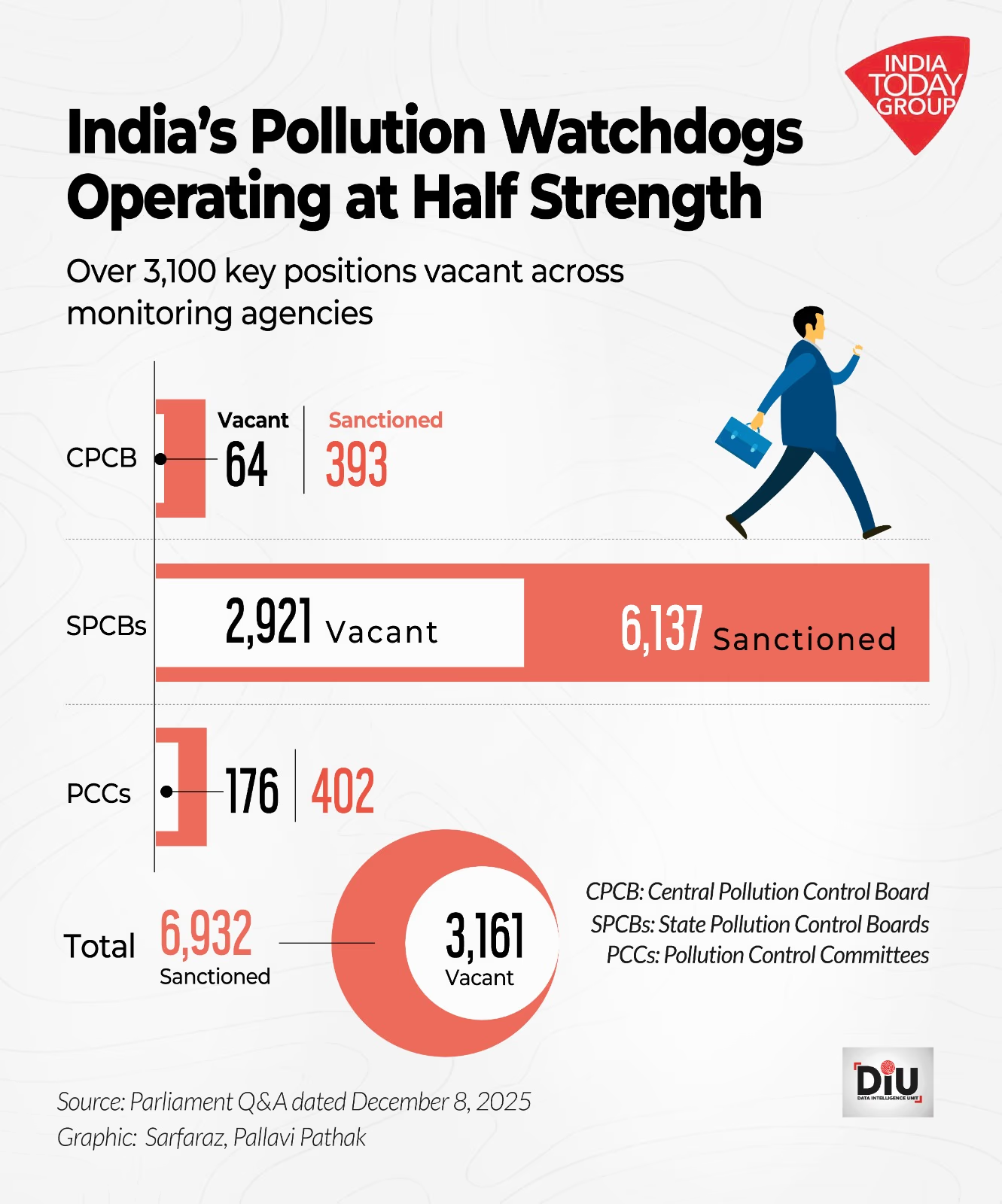
Pollution control monitoring agencies in India are struggling with severe staff shortages. According to parliamentary data (8 December 2025), across the country, 3,161 positions remain vacant against 6,932 sanctioned posts.
Source: aajtak
In the Central Pollution Control Board (CPCB), 64 out of 393 sanctioned posts are vacant. The major challenge lies within the State Pollution Control Boards (SPCBs), where 2,921 out of 6,137 posts stand unfilled. Even the Pollution Control Committees (PCCs) face 176 vacancies out of 402 sanctioned posts.
These shortages cast doubt on the effectiveness of environmental monitoring and pollution control mechanisms. The staff deficit affects pollution checks, the execution of environmental standards, and action on violations.