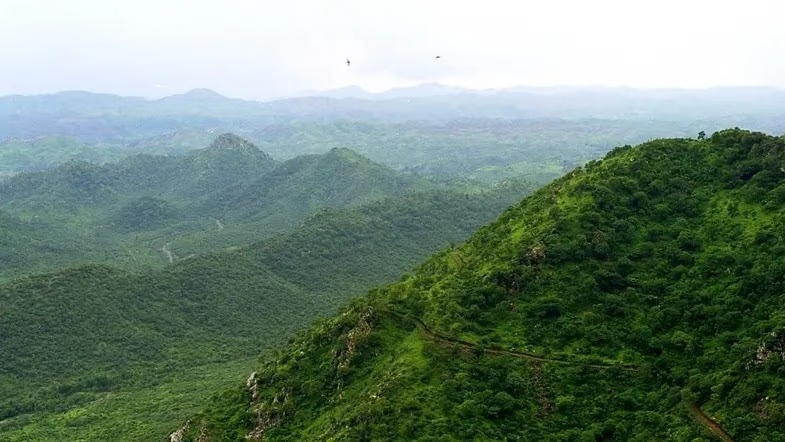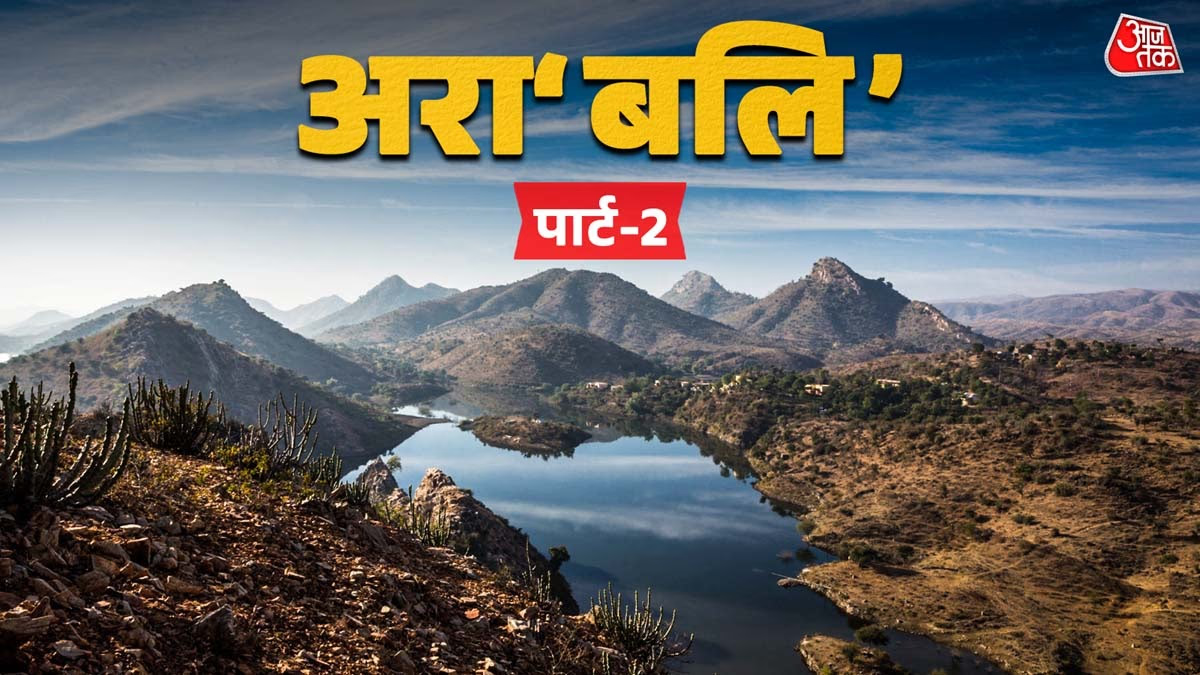
The Aravalli mountain range is India's oldest geological formation. According to scientists and environmentalists, this range not only protects North India from the encroaching Thar Desert but also plays a vital role in maintaining climate balance, conserving groundwater, and sustaining biodiversity, including both flora and fauna.
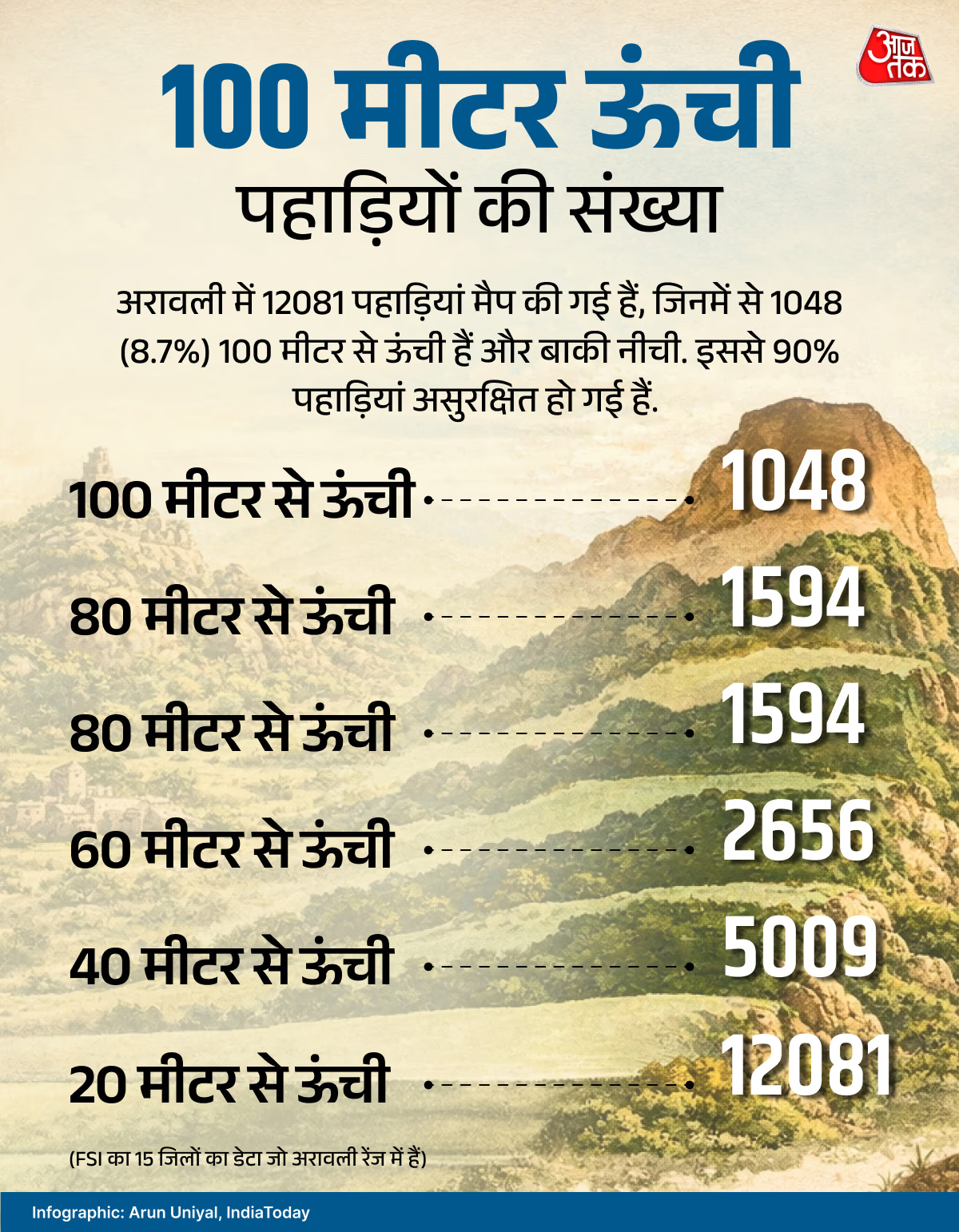
Recently, a Supreme Court decision sparked controversy over Aravalli. It was said that hills would only be recognized as Aravalli if they exceeded 100 meters in height. This endangers over 90% of the hills, prompting government clarifications. Even Union Environment Minister Bhupendra Yadav had to intervene, yet questions surrounding Aravalli persist.
Also read:
In the second part of this series, we shall delve into the detailed impact on the population, wildlife, flora, districts, employment, economic gains, Delhi-NCR's safety, and climatic influence surrounding Aravalli.
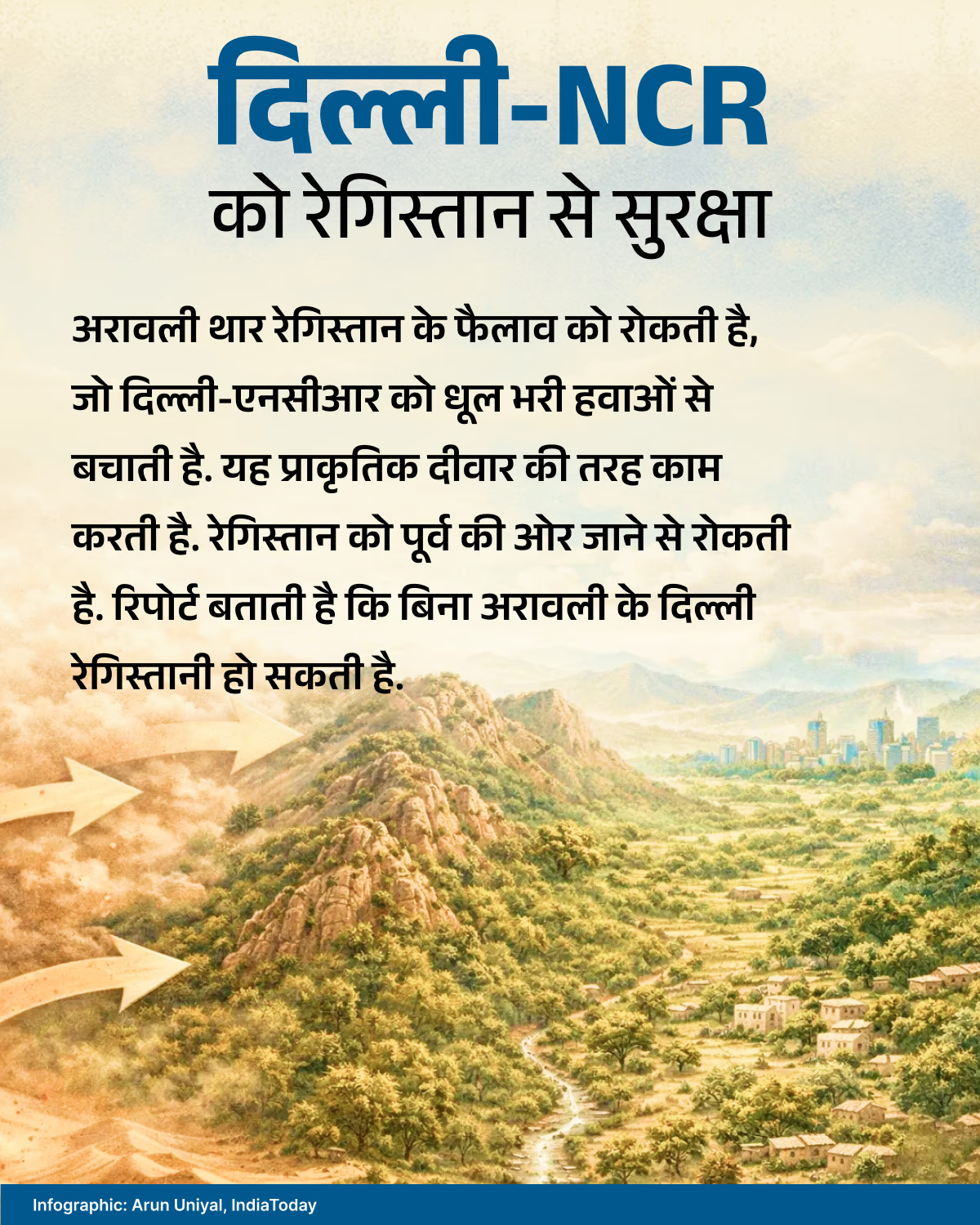
Without Aravalli, monsoon winds would pass unimpeded to the east, reducing rainfall in Rajasthan and enabling the Thar Desert to expand eastwards. Winds would progress without precipitating, causing severe droughts in North India. If Aravalli were completely destroyed, the climate of North India would dramatically change.
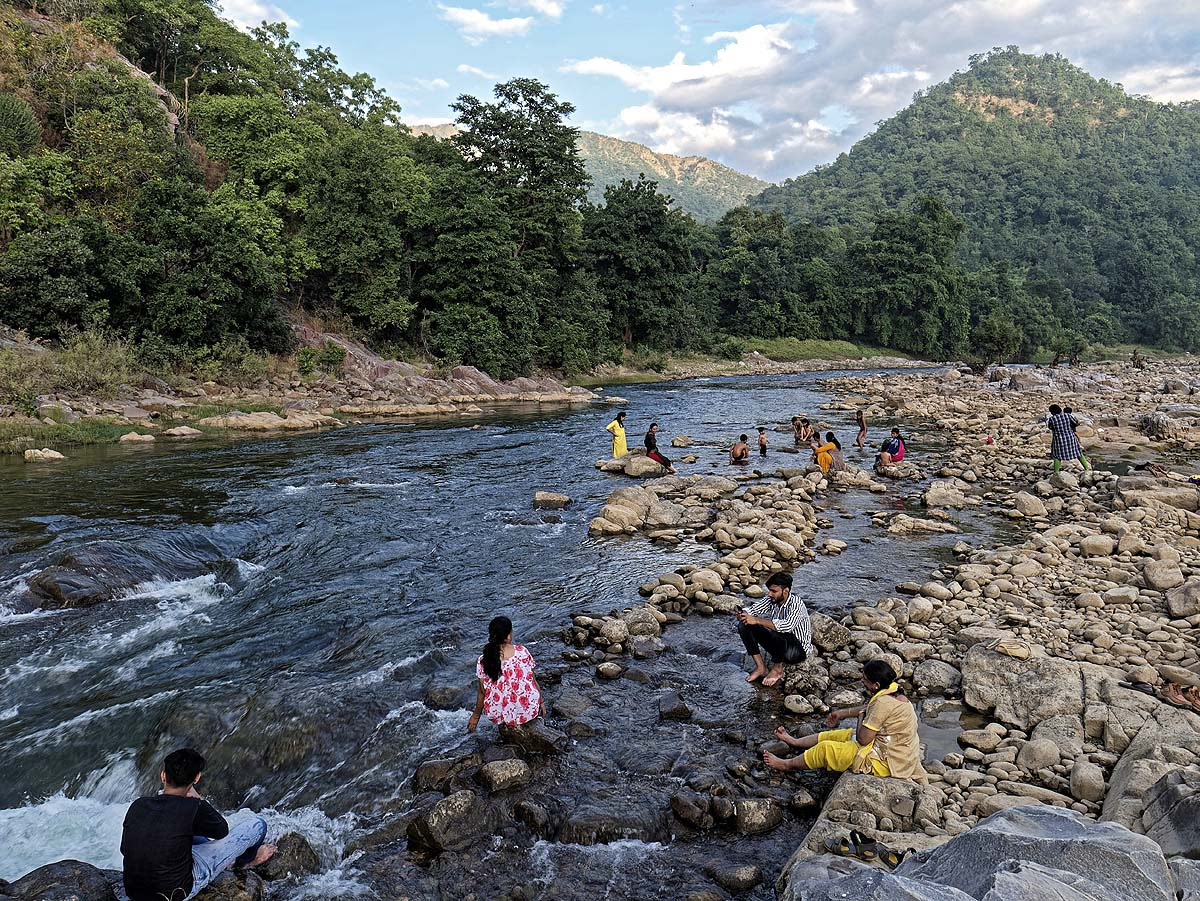
Source: aajtak
Without the barriers of these hills, monsoon winds would traverse unimpeded, reducing rainfall by 20-30% in Rajasthan and Delhi, thereby augmenting drought conditions. Currently, Aravalli faces threats from illegal mining and urbanization. The Supreme Court’s redefinition restricted protection to hills above 100 meters, warning scientists of an impending climate crisis in North India within 10-20 years if this continues.
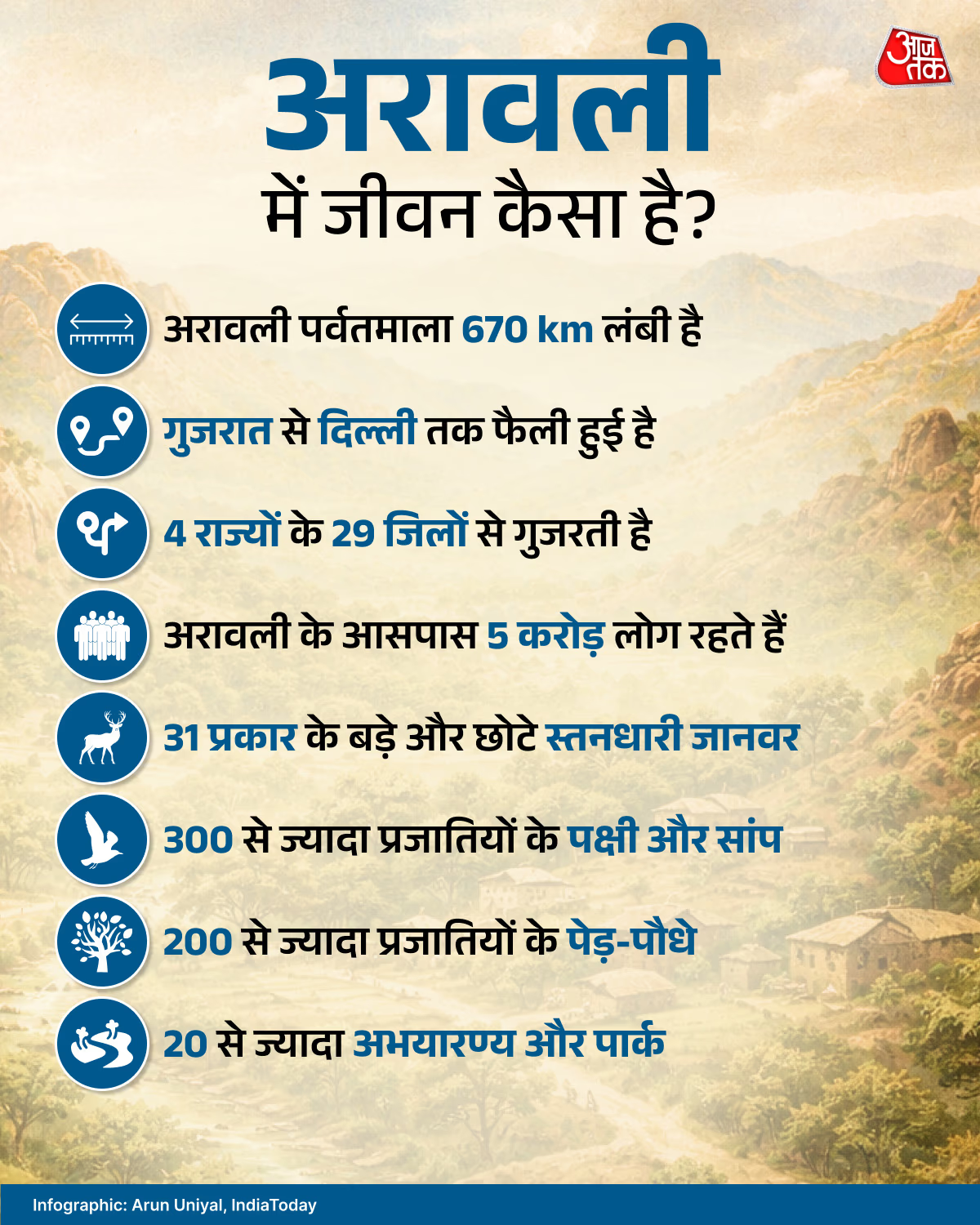
The Aravalli range stretches approximately 670 kilometers, being about 2.5 billion years old. It shields North India from the Thar Desert's expansion, regulates climate, and induces rainfall. Aravalli spans 29 districts across four states: Aravalli district in Gujarat, and Udaipur, Rajsamand, Alwar, Jaipur in Rajasthan, along with Gurugram, Faridabad, Bhiwani, Mahendragarh, Rewari in Haryana, and Delhi.
Also read:
Without Aravalli, North India would face more droughts and dust storms. These hills recharge groundwater from rainwater, prevent soil erosion, and act as carbon sinks by absorbing carbon from the atmosphere, thus aiding in combating climate change.
Approximately 50 million people inhabit regions near Aravalli, spanning Rajasthan, Haryana, Gujarat, and Delhi. Both rural and urban populations in these areas rely on Aravalli. In Aravalli district (Gujarat), over 1 million people live, per the 2011 census, with 12% being urban. Due to Aravalli, these people benefit from clean air and water, though illegal mining poses rising health risks.
Source: aajtak
Central Aravalli hosts 31 species of mammals, including leopards, sloth bears, nilgai, jackals, and mongooses. In Delhi and Haryana's Aravalli, 15 mammal species thrive alongside over 300 avian species and various reptiles. Additionally, 47 beetle species (Coleoptera) are found. Persistent hill cutting could drive these animals towards extinction or towards urban-rural areas.
Aravalli's forests contain dry deciduous trees, such as dhok, acacia, and neem, with over 200 species including Poaceae (34 species), Fabaceae (28), and Asteraceae (23) being prominent. Aravalli Biodiversity Park harbors over 240 medicinal plants, including brahmi, guggal, and hadjod, which stabilize the soil.
Also read:
Mining, tourism, and forest products contribute employment from Aravalli. Initially, 38.8% of Faridabad's population was engaged in mining, but it's ceased due to legal issues. Millions gain employment through tourism. The combined economic contribution from minerals and tourism reaches thousands of crore INR.
Source: aajtak
Aravalli boasts numerous forests, including Sariska Tiger Reserve, Asola Bhatti Wildlife Sanctuary, Ranthambore National Park, Kaila Devi Sanctuary, and Phulwari ki Naal, totaling over 20 sanctuaries and parks.
If hills above 100 meters were eradicated, animal habitats would be destroyed, leading them to urban areas and heightening human-animal conflicts.
Source: aajtak
Aravalli significantly impacts the climate of Northwest India. During monsoons, these hills gently direct clouds eastward, towards Delhi. Aravalli aids in guiding clouds towards the lower reaches of the Himalayas. India's southwest monsoon, active from June to September, draws moisture from the Arabian Sea and Bay of Bengal. Aravalli acts as a barrier, causing 'orographic rain,' where winds ascending hills cool and precipitate rain.
Western parts (Thar Desert) experience less rain as Aravalli creates a rain shadow. Yet, Aravalli guides clouds eastward, ensuring equitably distributed rainfall in Delhi, Haryana, and Western Uttar Pradesh.