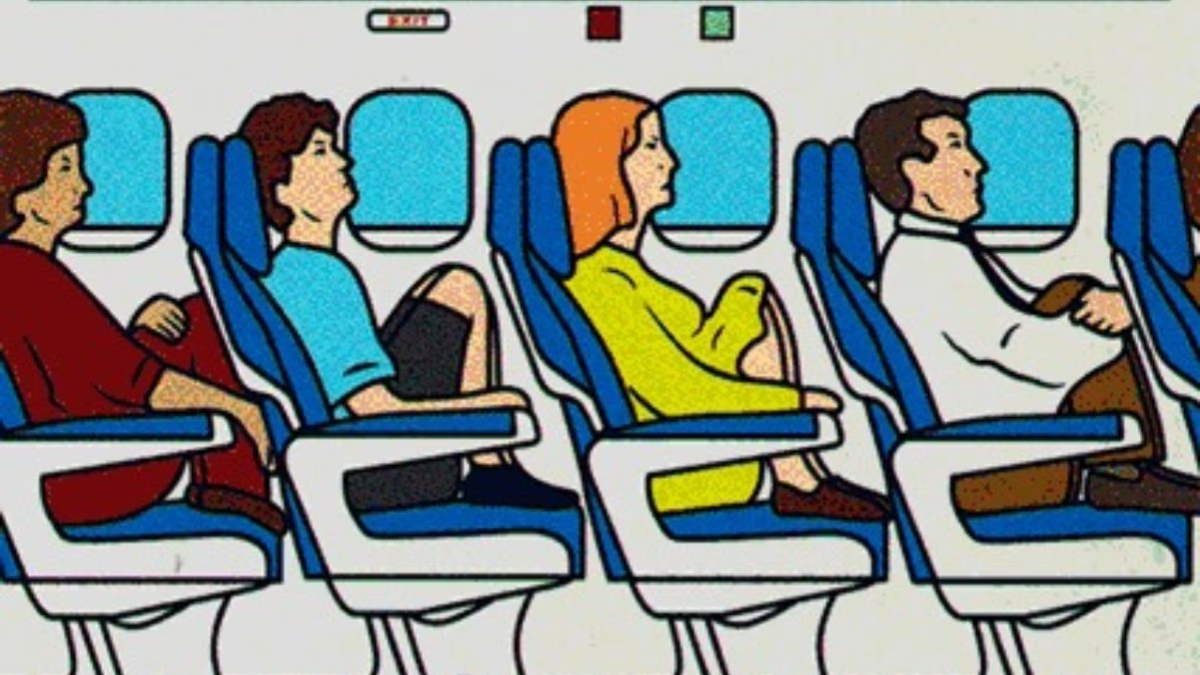
Ever noticed, soaring at 35,000 feet among the clouds, your greatest challenge isn't 'gravity' but rather claiming an armrest already commandeered by the person next to you? This isn't just your plight but one of the aviation industry's biggest contradictions. While global health data screams about the historical rise in human size and weight, airlines continue to rethink seat dimensions inch by inch. Let's delve into the tense tussle between biology and economics.
Passenger struggles begin post takeoff. Many feel crammed into their seats, leading to discomfort when trying to fasten seat belts, or even more critical, get up for a restroom break. For larger or taller passengers, this can mean requiringsided assistance to simply stand up from their cramped quarters.
Safety-wise, the main concern is evacuating the plane within 90 seconds during emergencies. Blocked or struggling passengers can hinder this evacuation, posing a risk to everyone's safety.
How Seats Have Changed
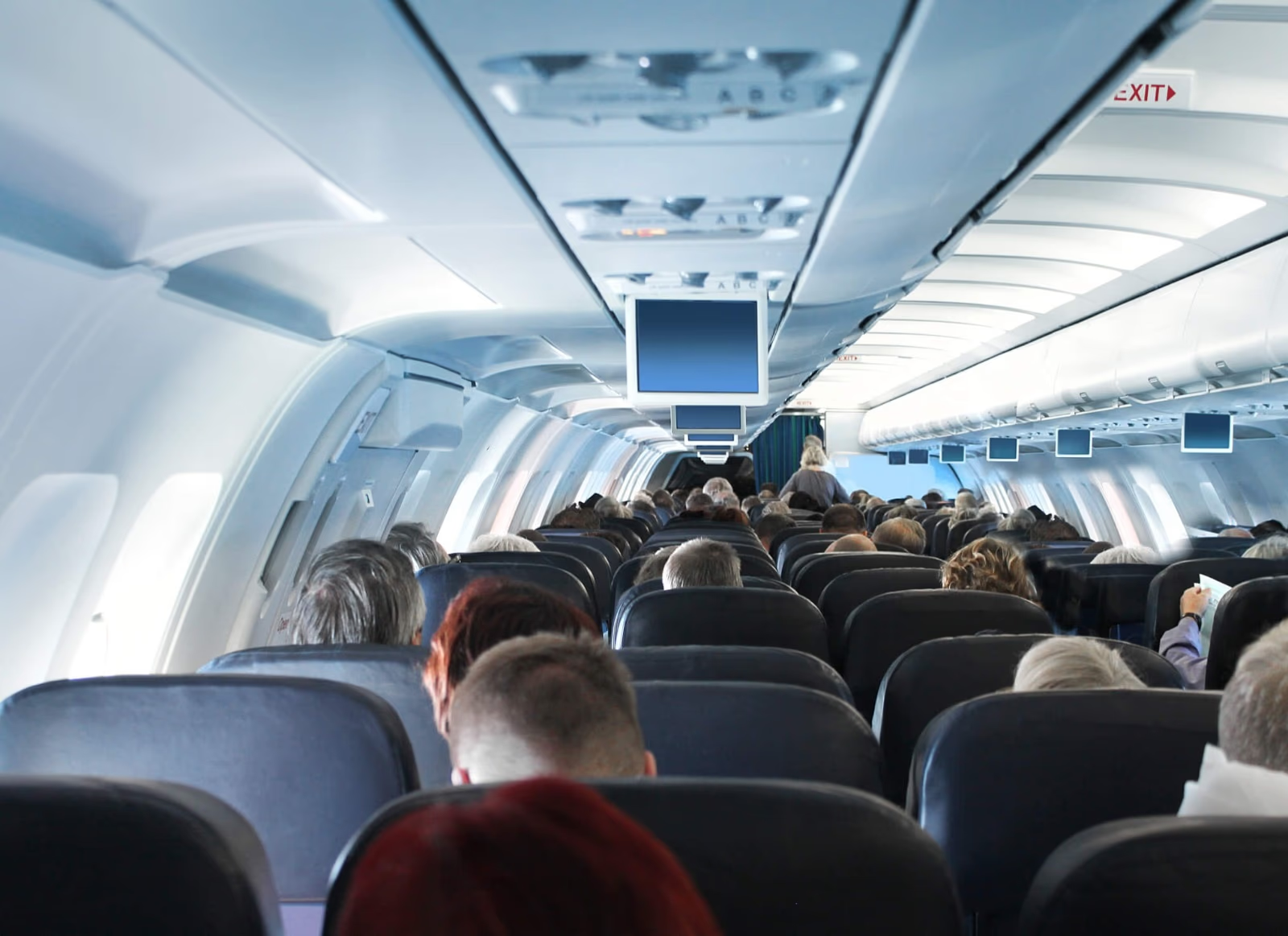
Conditions in most passenger planes have drastically changed over time. According to Skytrax and other aviation data, economy class seat pitch has shrunk to an average of 30-31 inches, with some low-cost carriers offering a mere 28 inches. Seat width, which once averaged 18.5 inches, now hovers around 17 inches, pushing available movement space to historical lows. These cramped confines make long journeys particularly challenging for larger individuals.
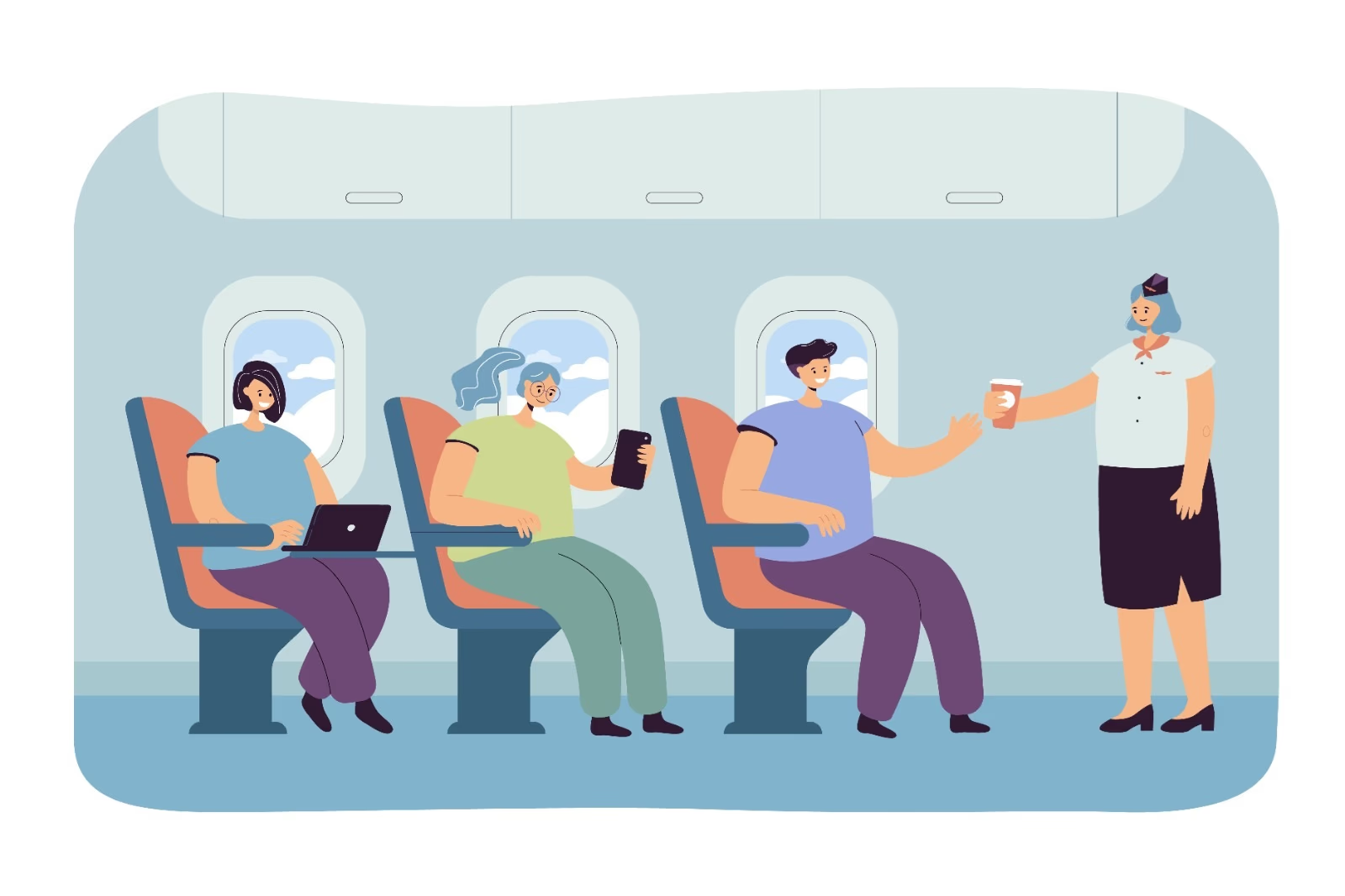
Source: aajtak
Another Perspective
While aircraft seats are shrinking, human bodies expand, showcasing a global obesity rise. WHO data shows obesity rates have nearly tripled since 1975, with over 1.9 billion adults overweight, including over 650 million obese individuals. In contrast, the 1960s average American male weighed about 75 kg, now surpassing 90 kg, a trend mirrored in women. In countries like India, where air traffic is booming, urban obesity now poses common issues.
Highlights...
-Airplane seat pitch and legroom diminishing causes inconvenience -Economy class seat pitch now down to 28 inches in some instances -Seat width reduced from 18.5 to 17 inches -Premium Economy and Business Class offer more spacious seating -Some airlines even offer in-flight bathrooms and kitchens
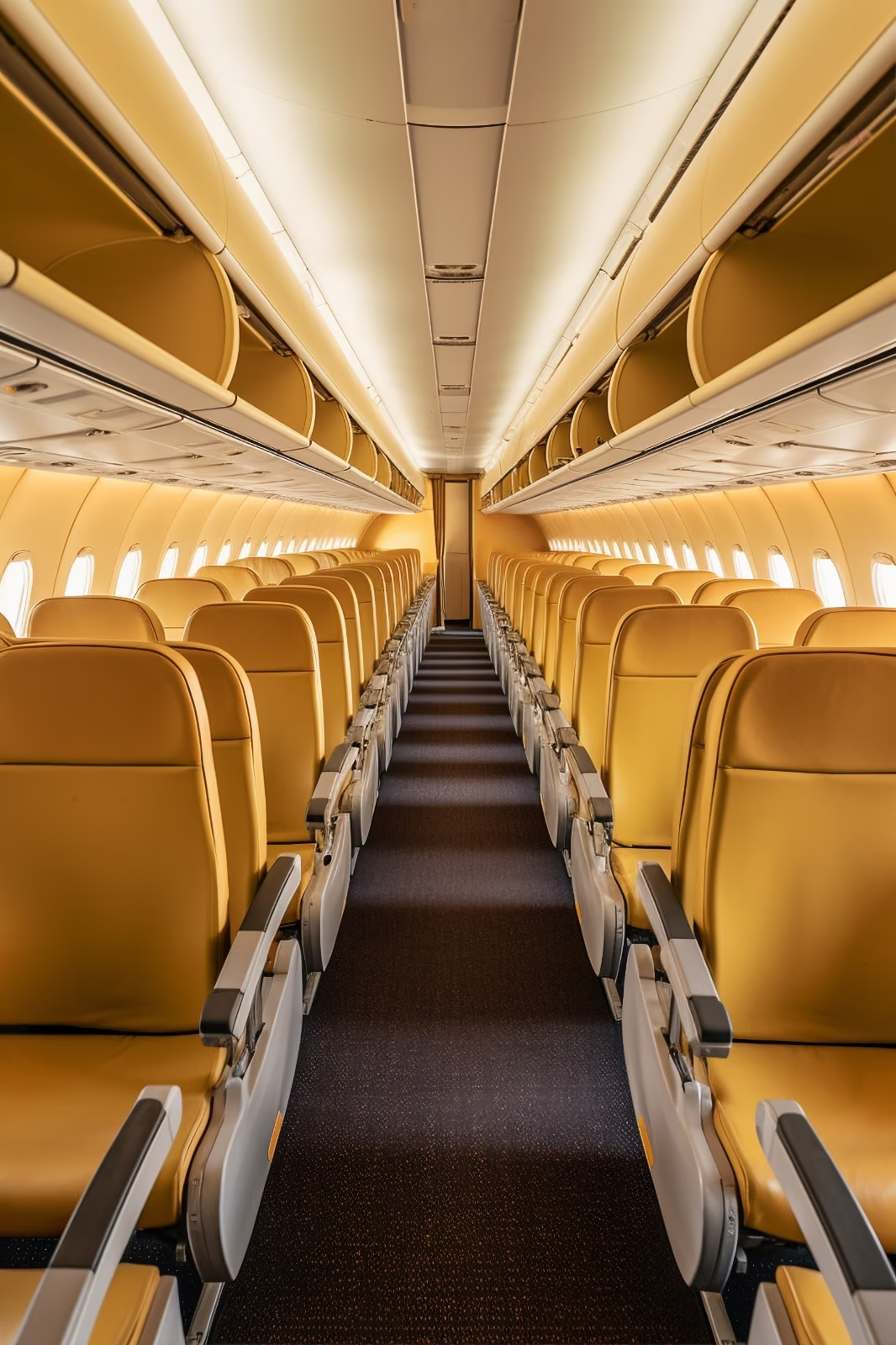
Source: aajtak
How Did This Frugality Begin?
Airlines weren't always this way. Flying was once enough, but the scene began shifting after the 1950s. The 1960s and 70s marked the golden age of aviation, where flying was considered luxurious. Economy class once boasted 35-inch seat pitch, allowing roomy leg stretches. However, the 1978 US Airline Deregulation Act reshaped the aviation market, increasing competition and reducing fares. Profit pursuit saw airlines compress seats.
Expense Defines Space
Why do high-ticket-cost airlines skimp on seat size? Experts point out adding one or two extra seat rows can yield airlines millions more annually. This process, termed 'density increase,' involves adjustments like thinner cushions to create an illusion of space while offering less.
Source: aajtak
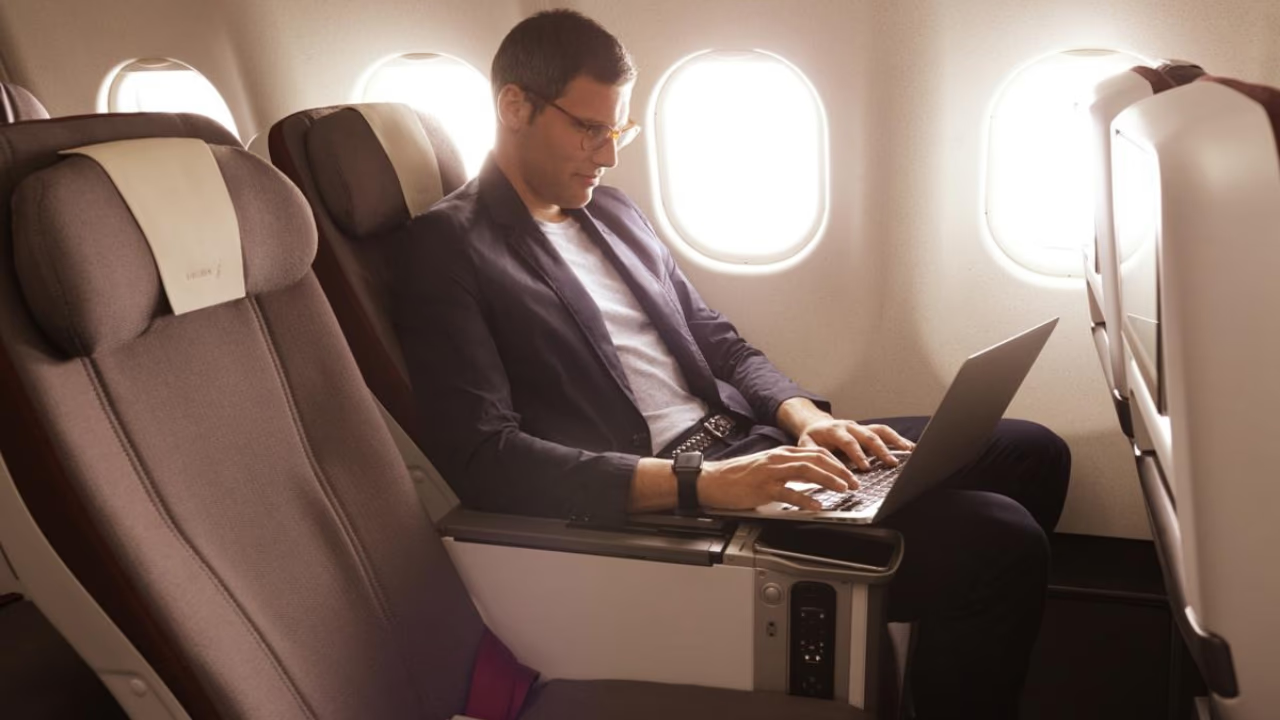
In this new economic model, where legroom was once free, flying 'Premium Economy' now costs extra. However, not all airlines offer the same legroom. Some provide more space, while others force a claustrophobic embrace. Airlines like JetBlue, Japan Air, and Turkish Airlines offer 33-34 inches in economy. Alaska Airlines, Southwest, and Emirates offer around 32 inches. However, budget airlines can challenge passengers to adapt. European giants EasyJet and Ryanair offer just 30 inches, while American discount carrier Spirit Airlines crams in a mere 28 inches.
Fortunately, not every air traveller faces a cramped journey. Spending more grants access to roomy leg-stretching space. In classes like Premium Economy and Business, from 82 to 90-inch seats negate the armrest battle.
Source: aajtak
The Courtrooms Enter the Scene
In the U.S., legal arguments rose demanding regulated seating sizes. However, regulatory agencies argued these seats accommodate emergency evacuation. No evidence suggests that even larger passengers faced timely evacuation hurdles.
Passenger rights groups brought such disputes to America's Federal Aviation Administration, arguing small seats could hinder evacuations. However, agencies upheld safety standards over comforts.
In this clash between economics and biology, for now, biology seems to lose, with airline profits prevailing. Next time you battle for armrest space on a plane seat, remember: you're not alone. The world gets more circular as your seating space contracts.
Curiously, first-time flyers, despite smaller seats, treat boarding the plane as an excited, festive step. The plane's first selfie thrill isn't lost on the world. Hundreds, even thousands, join first-time flights annually. Imagine, entering the plane becomes a monumental occasion, even cramped seating won't dim that enthusiasm.