Welcome to 32 Dhanmondi. Not a simple house, but rather a pivotal chapter in Bangladesh's history repeatedly torn yet continuously cherished. Nestled in Dhaka’s heart, its walls reverberate with the heartbeat of Bangladesh. Visitors witness not just a political discourse but history in action.
This was the home of Sheikh Mujibur Rahman. It witnessed morning hustles, diplomat dialogues, and political discourses lasting late into the night. By the 1960s, 32 Dhanmondi emerged as East Pakistan's political nerve center. When Muhammad Ali Jinnah declared Urdu as the sole official language of East and West Pakistan in Dhaka, the resistance echoed from 32 Dhanmondi, stating, 'This isn’t acceptable.' It became a harbor for the Awami League’s planning for the Bengali language movement, student leaders' frustrations, and public hopes, creating the nation's blueprint.
March 1971 marked a decisive moment for this residence. It endured the prelude to the historic March 7 speech, strategy whispers, and the infamous night of March 25. With 'Operation Searchlight' underway, East Pakistan's soldiers arrived, arresting Sheikh Mujibur Rahman from this very place. That night, the house realized no turning back existed. Freedom’s path demanded blood, and it had to bear testimony.
From 1972 to 1975, post-independence, 32 Dhanmondi burgeoned as new Bangladesh’s cradle of hope. Rising constitution, reconstruction, foreign policies, all emanated from this address. Sheikh Mujibur Rahman, revered as 'Bengabandhu', was seen by this home not just as a father of the nation but as a family man. Amidst children’s laughter and domestic whispers, it remained a familial abode.
Then came the fateful night of August 15, 1975, altering this address forever. Amidst gunfire, cries, fleeing footsteps, darkness prevailed. Sheikh Mujibur Rahman and much of his family were brutally assassinated here. More than political murders, it was an assault on Bangladesh's soul. Post attacks, silence and locks closed off history within its walls.
Source: aajtak
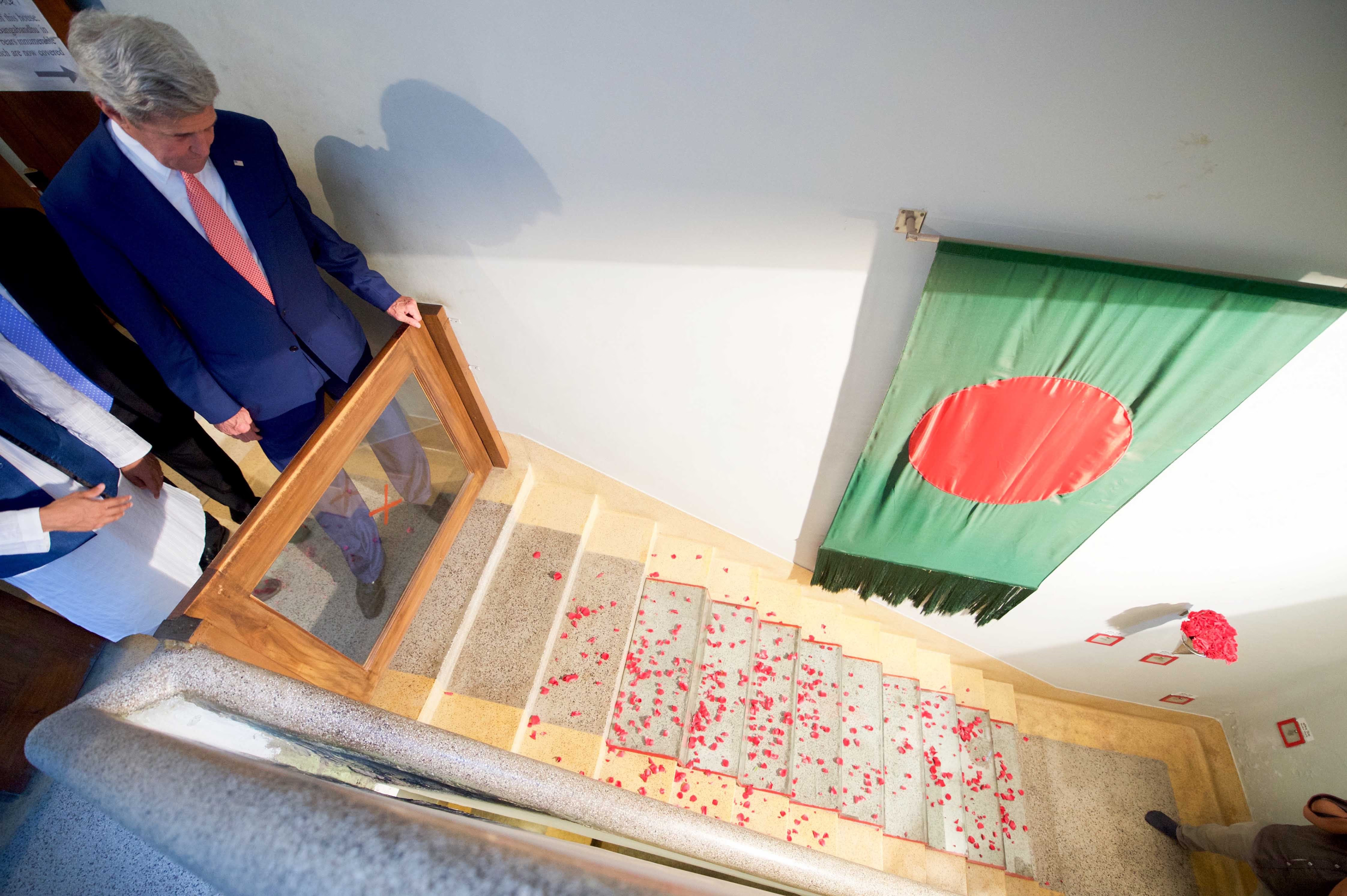
Years later, time changed in Bangladesh. When Sheikh Hasina, Sheikh Mujibur Rahman’s sole surviving daughter, rose to power, the house reopened as the Bengabandhu Memorial Museum. Visitors came; children witnessed history beyond books. Photos, documents, memories preserved their essence. It seemed destined as a memorial, not a target.
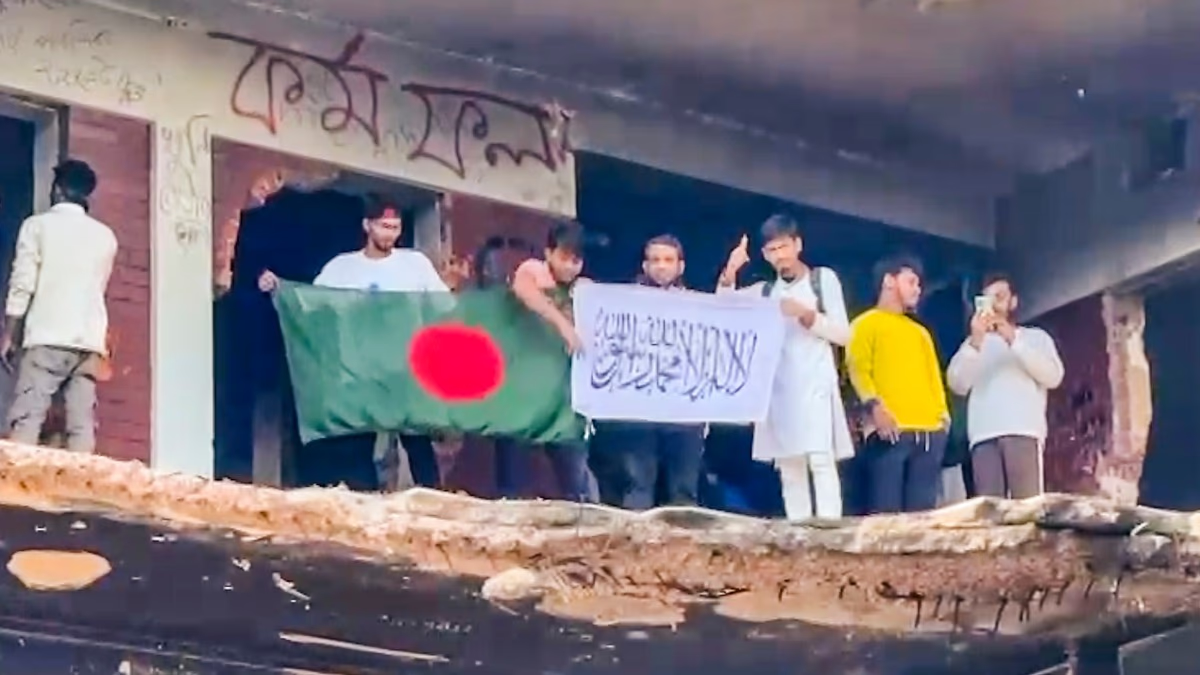
Yet, politics dragged it back. The 1975 shadow loomed again over this address. Following Sheikh Hasina's exile, 32 Dhanmondi once again faced anger attacks. In August 2024, crowds gathered, slogans raised, stones hurled. Flames erupted; hammers struck. Repeated calls targeted this house representing an ideology; hence, it should be dismantled. Waves of attacks scarred walls, shattered windows, turning museum memories to ash.
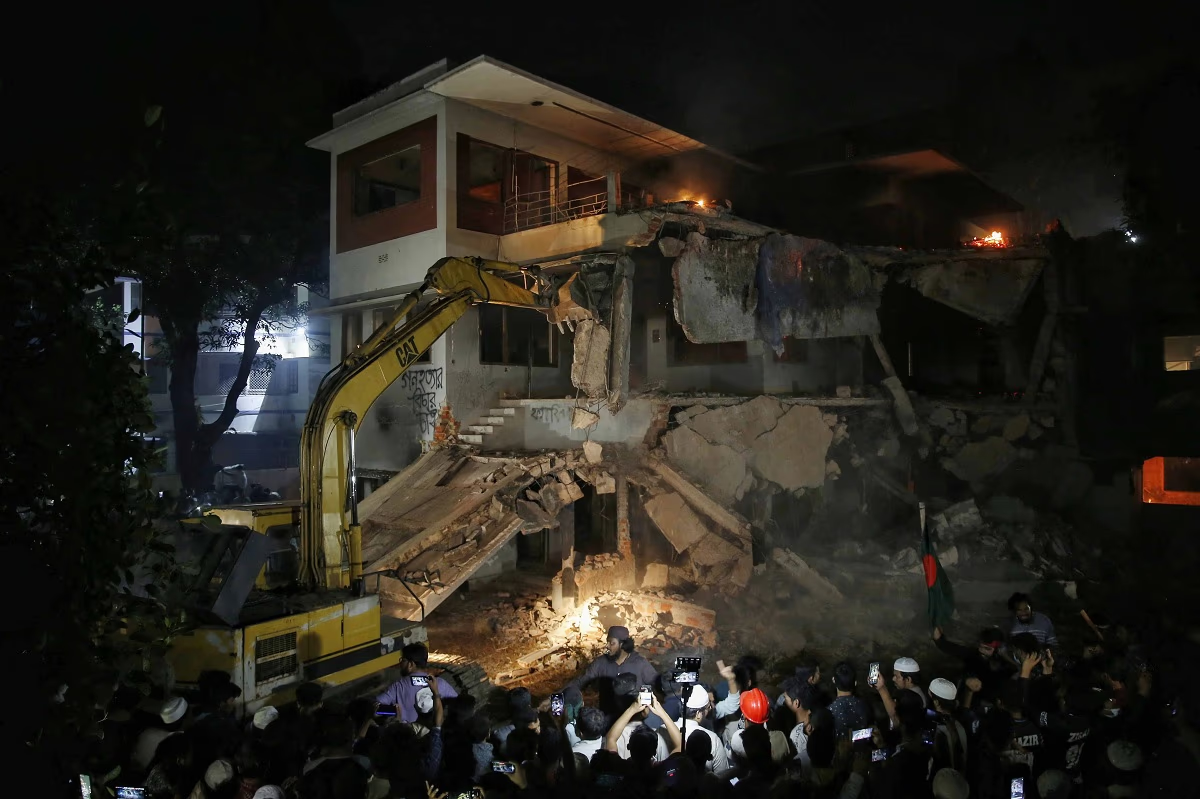
Source: aajtak
The house questions: Is history a crime? Do memories turn guilty as powers shift? 32 Dhanmondi spread no hatred but merely archived time. It dreamt of freedom, recognized Bangladesh as an independent identity, and later endured dictatorship’s fear, heard democracy’s hopes, faced weapon’s harsh truths.
Today, 32 Dhanmondi stands in ruins. Some wish to erase its address to obliterate the past. But such erasure rarely succeeds. Efforts abound to erase this address from people’s lips. Historical records changed 'House Number-677, Dhanmondi 32' to House Number 10, and the street renumbered to 11. But, as they say, history doesn’t fade so easily. Walls may crumble, but stories endure.
This is 32 Dhanmondi, witnessing Bengabandhu’s life, his assassination, and daughter’s post-exile violence. Even demolished, it remains alive in public consciousness. It’s not merely a house but a memory of Bangladesh; memories, like the phoenix, rise anew from ashes.