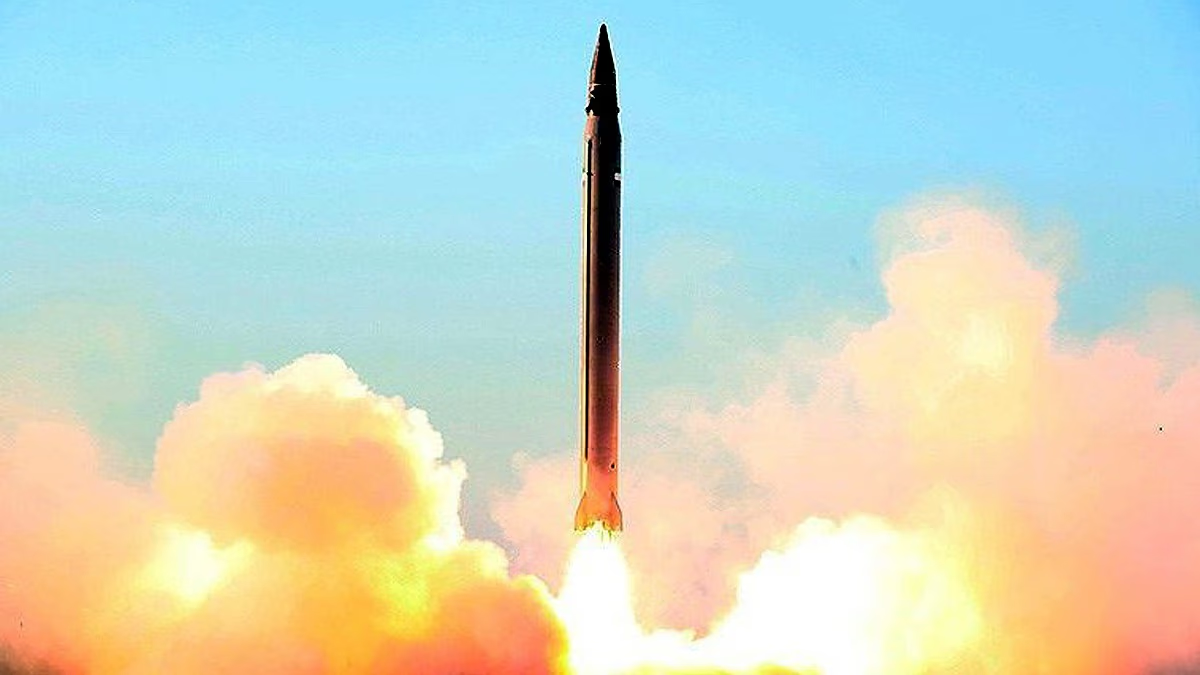
In the vast arsenal of the Middle East, Iran stands out with its military prowess, particularly in missiles and drones. Amid the escalating tensions with the US, Iran’s formidable arsenal poses a serious challenge to US naval vessels such as the USS Abraham Lincoln aircraft carrier. Iran boasts the region’s largest missile stockpile, comprising over 3,000 ballistic missiles.
Read More:
1. Fateh-1/2 Hypersonic Missiles
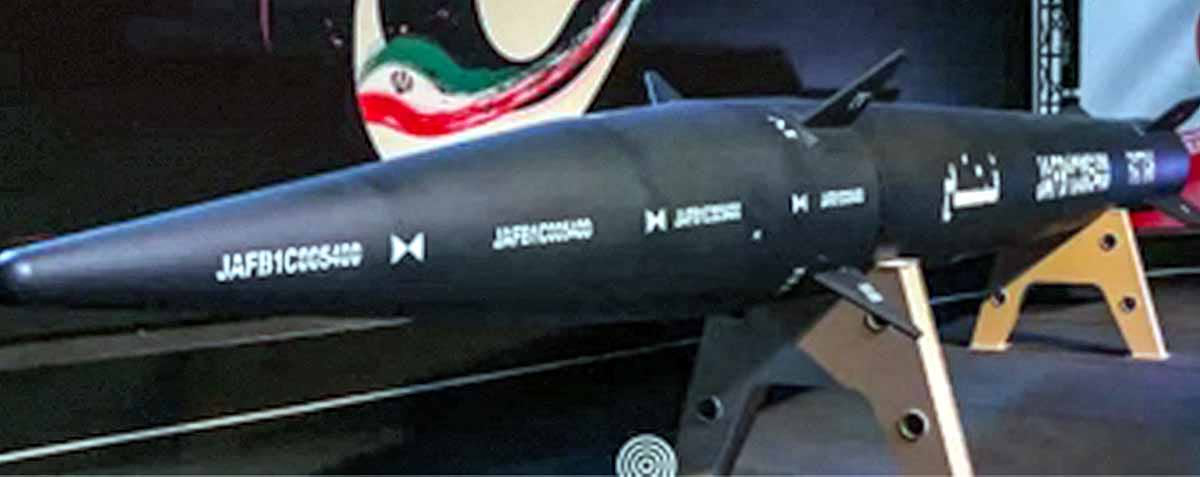
Source: aajtak
The Fateh-1 and Fateh-2 are Iran’s most advanced missiles, known as carrier killers. They travel at incredible speeds of 16,000 to 18,000 kilometers per hour, with a range of 1,400 kilometers. Designed to change direction mid-flight, these missiles can evade American defense systems like Aegis or SM-6, striking swiftly at American carriers or destroyers.
2. Khalij-e-Fars / Hormuz-2 Anti-Ship Ballistic Missiles
Based on the Fateh-110, these missiles have a range of 300 kilometers and speeds between 3704 to 6174 km/hr. Equipped with 650-kg warheads, they are engineered to target ships. Their supersonic speeds make interception challenging, posing direct threats to American ships in the Strait of Hormuz.
Read more:
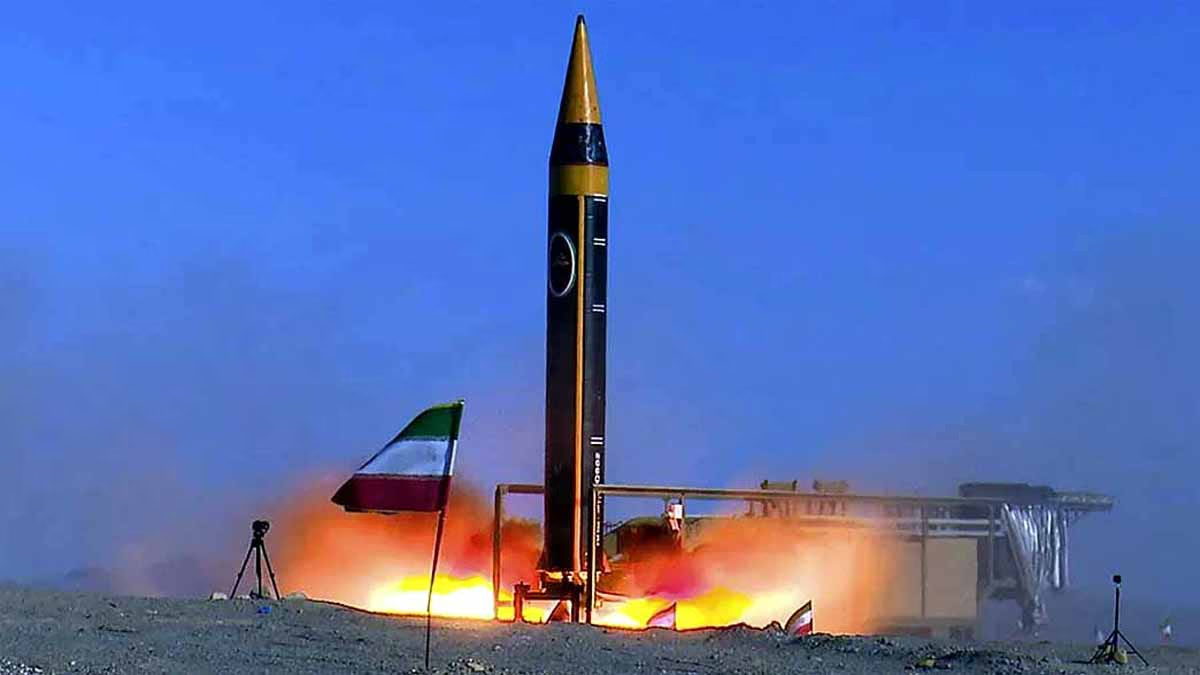
3. Ballistic Missiles like Sejjil, Khorramshahr-4, Shahab-3
Source: aajtak
Iran’s extensive range of ballistic missiles, like the Sejjil (2,000 km range) and Khorramshahr, can launch multiple simultaneous attacks on American bases, ships, or allied nations such as Israel, potentially overloading their defense systems through saturation attacks.
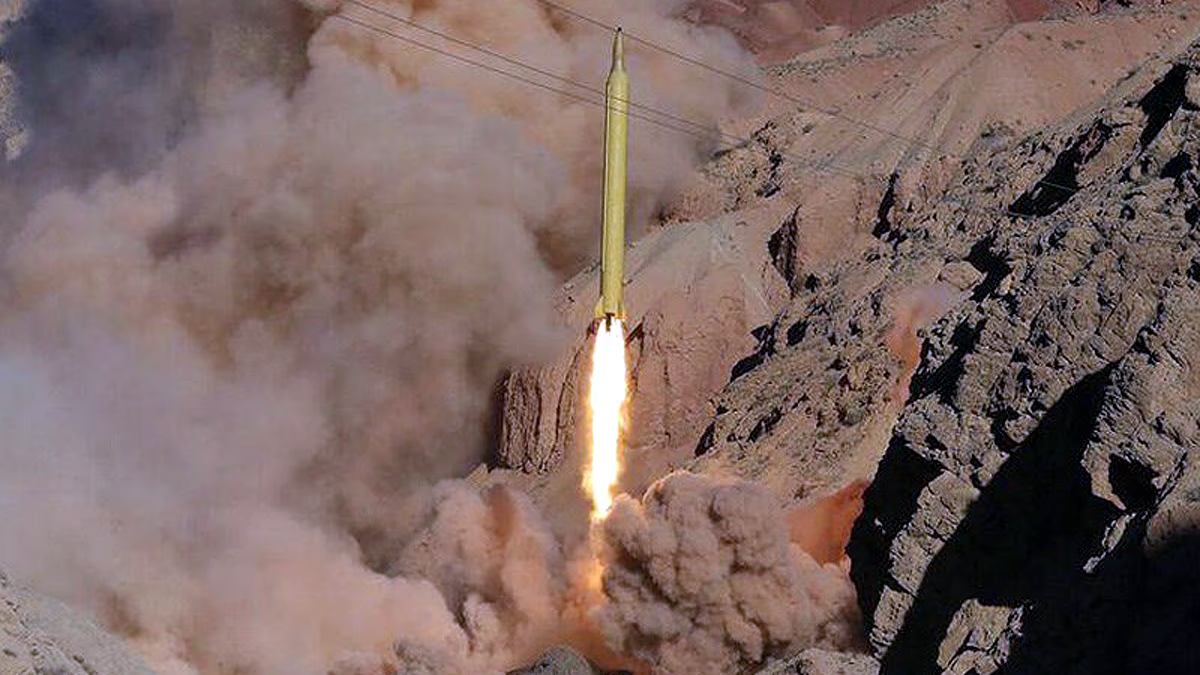
4. Cruise Missiles like Qader, Ghadir, Abu Mahdi
Source: aajtak
These anti-ship and land-attack missiles have ranges exceeding 1,000 kilometers. Their low-altitude flight path allows them to evade radar detection, posing significant threats to American ships by challenging their defenses when deployed in swarms. They can also disrupt shipping in the Persian Gulf.
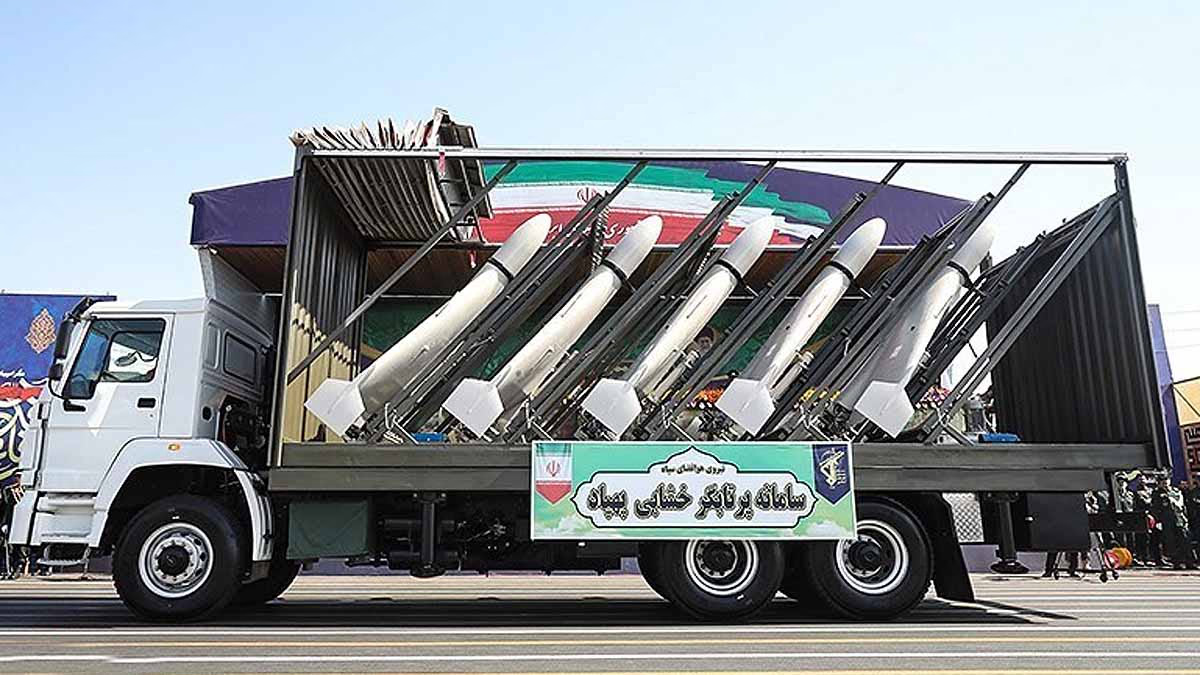
5. Shahed Drones / UAVs like Shahed-136/139
Source: aajtak
Iran possesses thousands of cost-effective suicide drones, capable of long-distance travel. Recently deployed near the USS Lincoln, these drones, when used in swarm attacks, can occupy Patriot or CIWS systems, paving the way for missiles.
Challenges to the US Navy
Iran’s primary strategy, A2/AD (anti-access/area denial), involves hindering access to the Strait of Hormuz—vital for 20% of the world’s oil—making US carrier groups’ operations costly and risky.
Swarms of drones and missiles can overload US defenses. Hypersonic missiles are tough to intercept, yet America’s F-35C, SM-3, and advanced systems reduce the likelihood of completely destroying a carrier.
Read More:
Main Threat:
Economic strains, rising oil prices, potential casualties, and escalating war prospects. Iran’s IRGC Navy fast boats, mines, and mini-submarines (Ghadir) could trouble ships further.
Iran’s capabilities keep America vigilant, though experts maintain US technology is superior in a direct confrontation. Nevertheless, tensions in the Middle East are increasing.