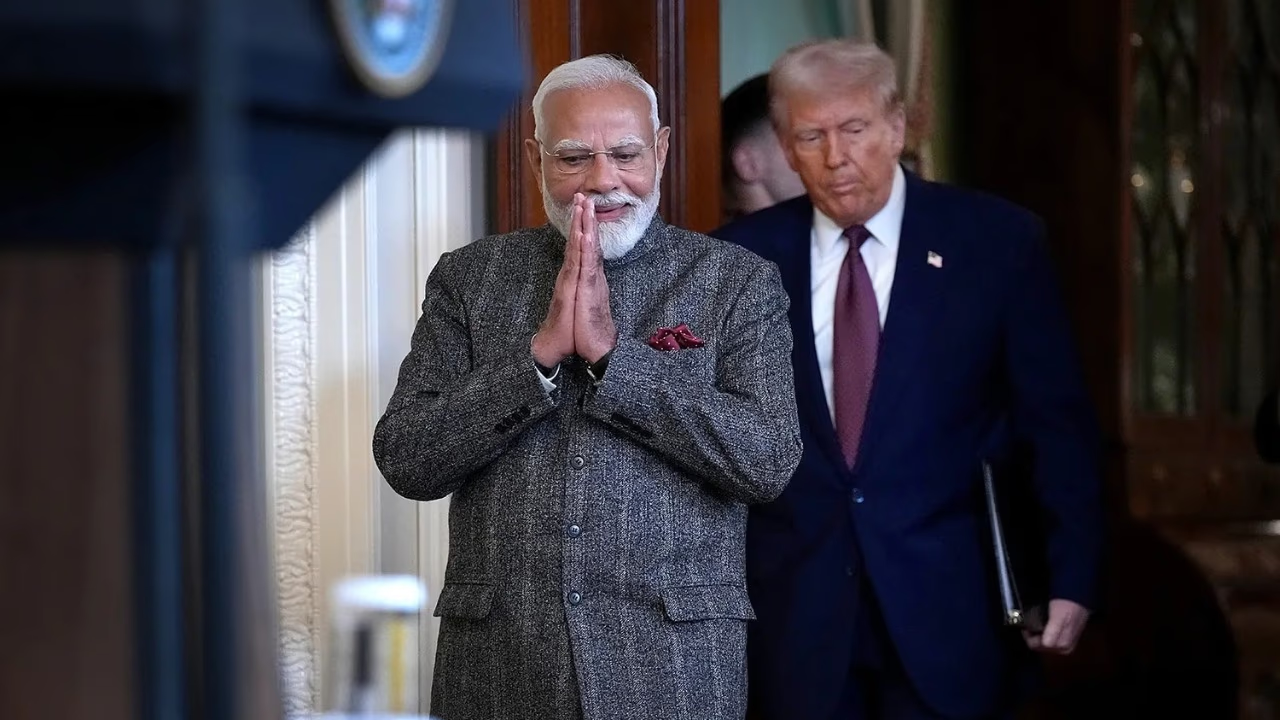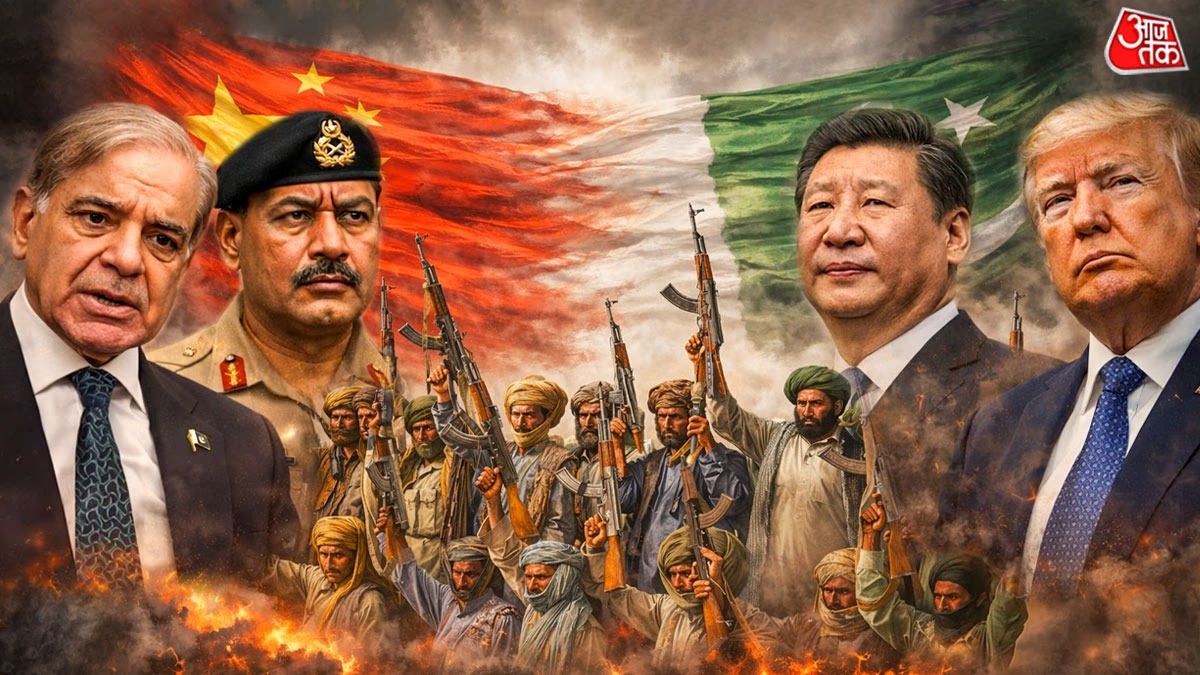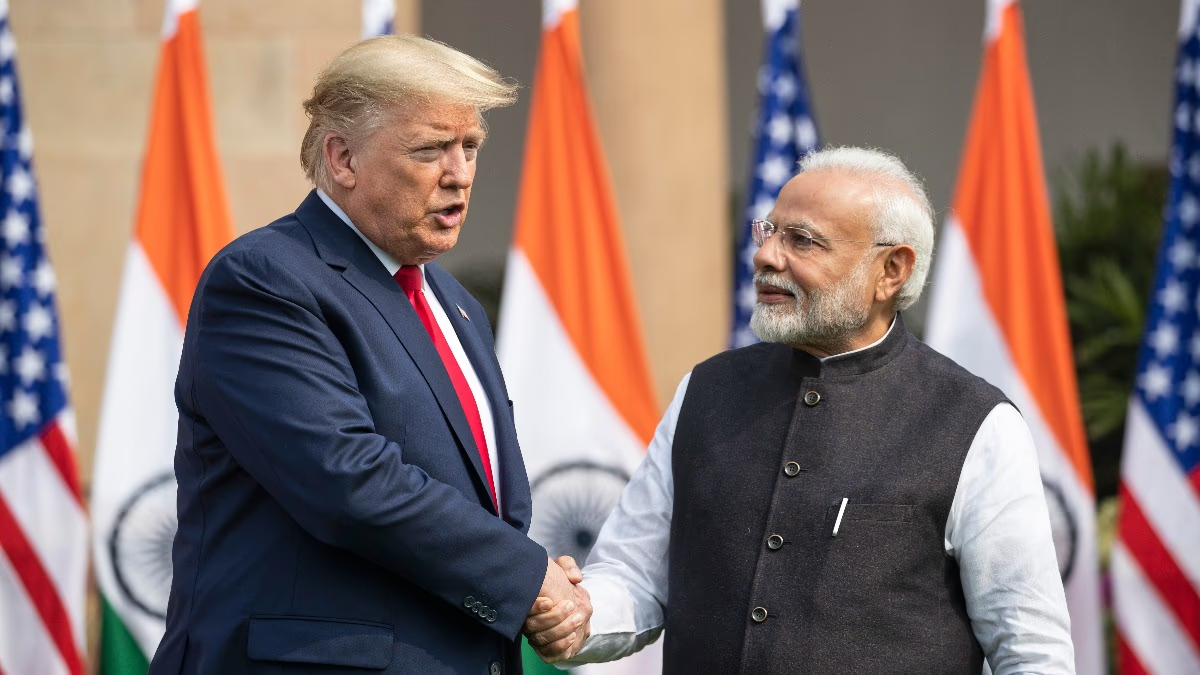
The trade deal between India and America has captivated global attention. Speculation abounds on what prompted American President Donald Trump, renowned for his tariff impositions, to backtrack. Trump, often using tariffs as powerful leverage, surprisingly slashed India’s tariffs from 50% down to 18%.
This unexpected move perplexed many globally, as Trump typically holds firm on tariff issues. The turning point was Trump’s phone conversation with India's Prime Minister Narendra Modi, which transpired into a historic tariff reduction, marking Modi as a preeminent and respected global leader.
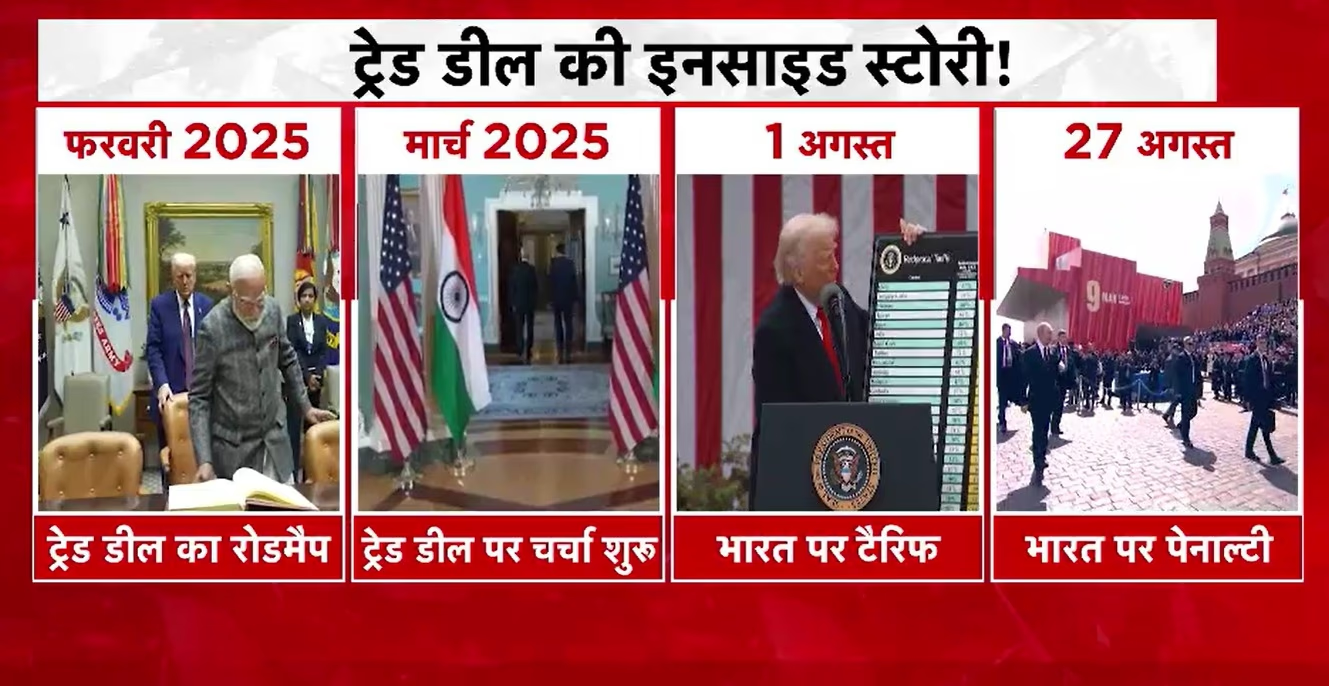
Source: aajtak
The US had earlier imposed a reciprocal tariff of 25% on India, later increasing due to India's oil trade with Russia. This total 50% tariff aimed to compel India to cede to US terms.
Although the US accused India of aiding Russia's war efforts through its oil purchases, India refuted these allegations. Nevertheless, the US continued pressuring India through tariffs until they ultimately relented. Lowering the tariffs to 18% is celebrated as a diplomatic triumph for India and Modi.
Visual narratives bolstered this sentiment with bold headlines: ‘Modi’s Diplomatic Masterstroke', 'Trump Concedes on Tariffs: India's Strategic Victory', 'End of Tariff War - Trade Resumes'.
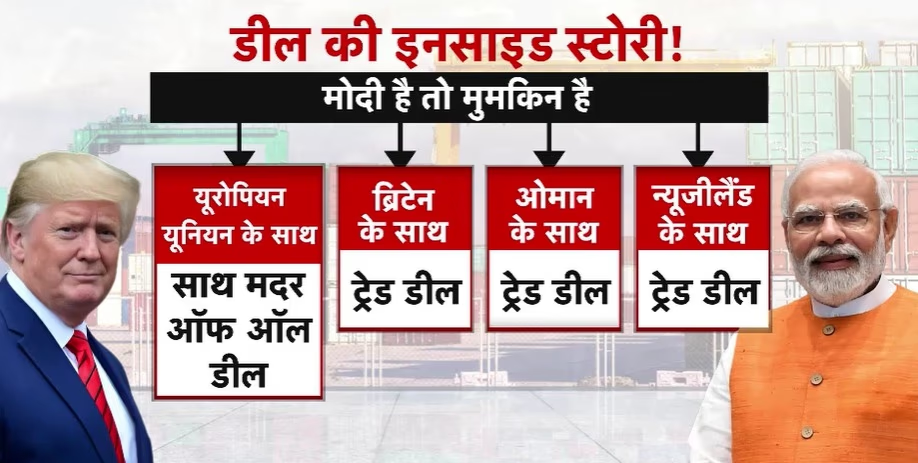
This strategy's foundations were laid earlier on 27 January, when India finalized a Free Trade Agreement with the European Union. Termed the ‘Mother of All Deals’, it preempted this US tariff reduction. Within a mere week, Trump announced tariff reductions with collaborative sending shockwaves across geopolitics.
At a gathering, PM Modi reiterated his foresight that post-pandemic global rearrangement favors India, and the US deal endorses a manufacturing surge and quality production boom.
Back in February 2021, during the pandemic, Modi had prophesied India emerging a resilient player amidst global reordering. Changes since 2021 seem to fulfill that forecast, positioning India at the epicenter of global transformation.
When faced with Trump's disruptive policies, India chose diplomacy over direct confrontation. By securing alternative markets—like with the EU, the UK, and New Zealand—pressure mounted on the US. Trump eventually acknowledged that his tariff war was misguided.
Source: aajtak
Statements from the US regarding further economic cooperation—such as potential oil trade with Venezuela and purchases of American goods—caused political ripples within India. Despite these, Modi confirmed only the tariff reduction without elaborating on other claims.
The US agriculture secretary sparked controversy by suggesting America's agriculture market entry into India would benefit rural America. Despite the government lauding the deal, lack of detailed exposition raised opposition queries.
Amid these developments, India stood unwavering, its strategy focused on resilience and diplomacy. The conclusion: patience and tact saw India through, demonstrating that at times, diplomacy triumphs in global forums.