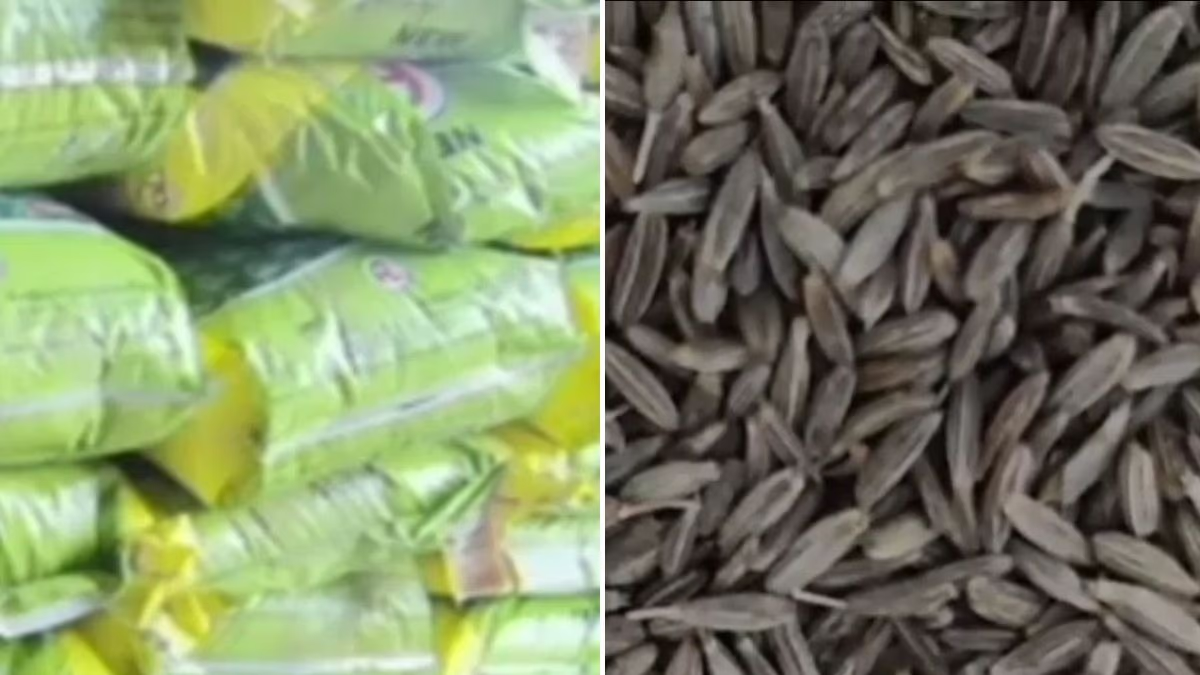
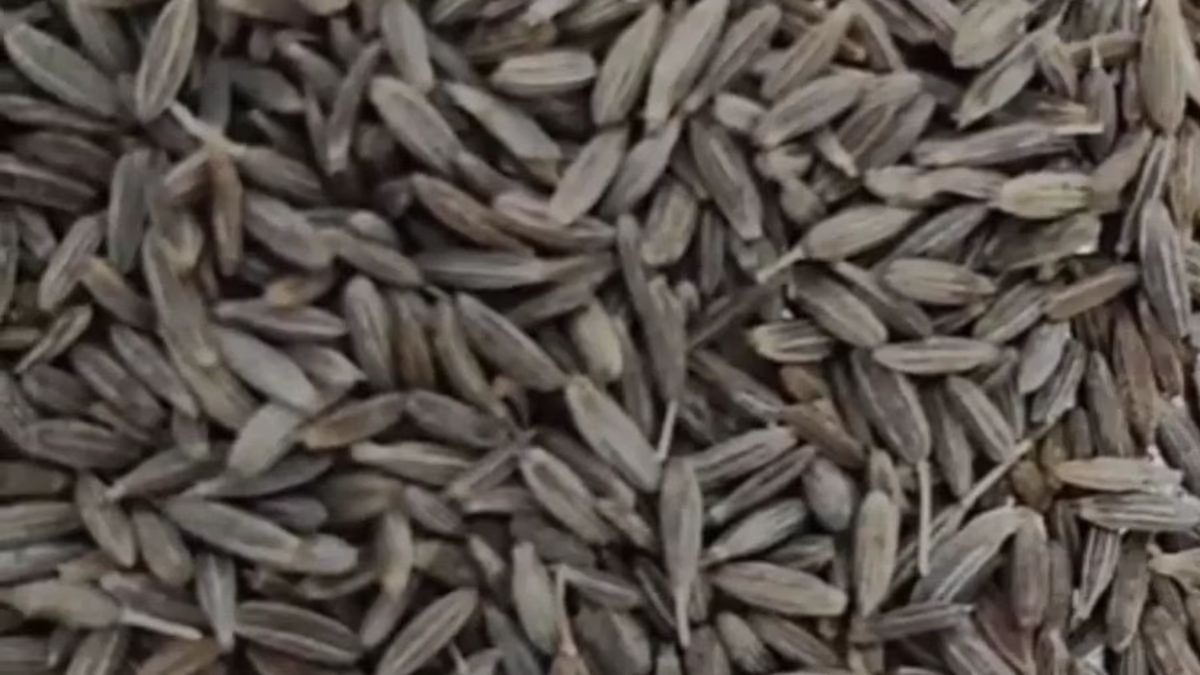
A startling case of adulteration emerged from Gwalior. Fake cumin, cleverly packed into branded packets, was circulating in the market. Through combined efforts of police and the food department, 46 sacks were seized from Transport Nagar. Preliminary investigations revealed that seeds resembling fennel were coated in a cement and chemical layer, altering their appearance to resemble cumin, making it nearly indistinguishable from the genuine spice.
The incident is linked to Bahodapur police station. Information reached the police that a substantial quantity of adulterated spices was being prepared in a cold storage facility for market distribution. A raid ensued based on this intelligence.
Inside the warehouse, multiple sacks were discovered, with the seeds showing suspicious coloration and texture. Upon inspection, it was confirmed the contents were not real cumin but rather a counterfeit product, artificially manufactured.
Source: aajtak
Officials disclosed that cost-effective seeds like fennel served as bases, over which a cement-chemical mix was applied. This transformation made the seeds appear like cumin.
These were dried and sent for packaging. Astonishingly, these fake cumin packets were supplied in packaging that mimicked well-known brands, making it almost impossible for the average consumer to differentiate.
The police also found various packing materials, empty branded packets, and a sealing machine, confirming onsite packaging operations. The seized sacks have been sent for sample testing. The food safety department is now delving deeper to ascertain the duration and geographical spread of this rect adulteration in the market.
A case has been lodged against three individuals, including the manager of the cold storage. Police actions fall under food safety laws and copyright infringements for mimicking brand names and packaging designs. Interrogations may reveal the supply chain and others involved.
ASP Gwalior Jayaraj Kuber stated, continued stringent actions will persist against those selling fraudulent food items. Experts caution that cement and chemical additives pose significant health hazards, potentially leading to illnesses, allergies, and severe health conditions.