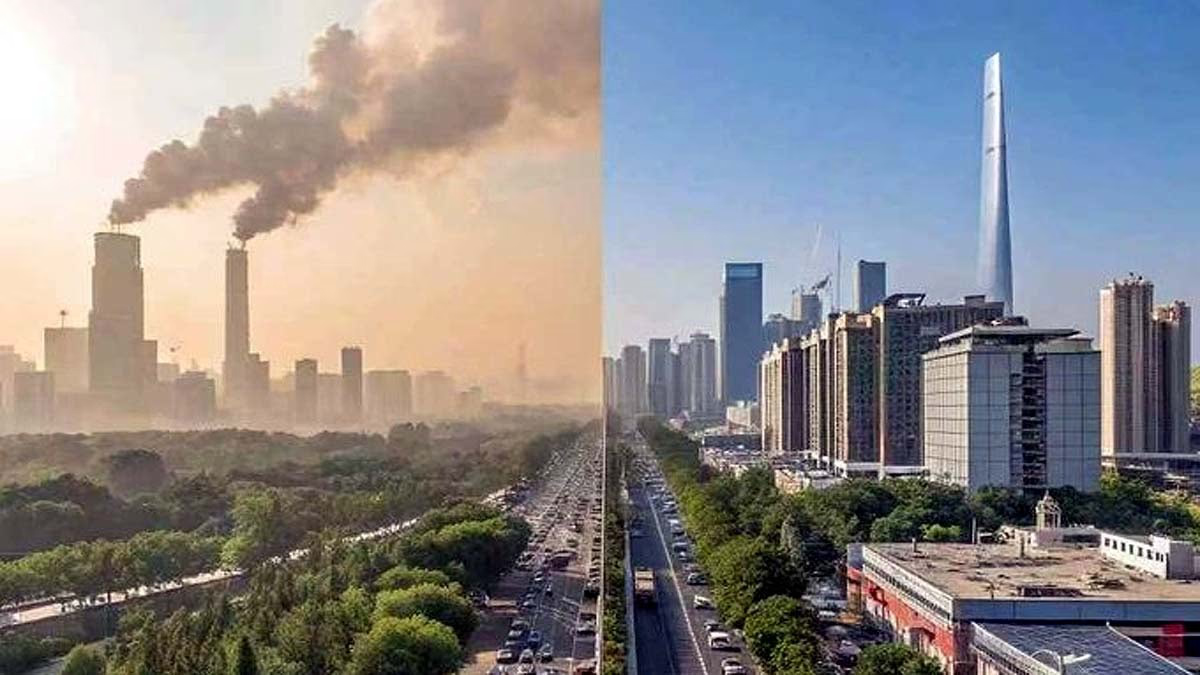
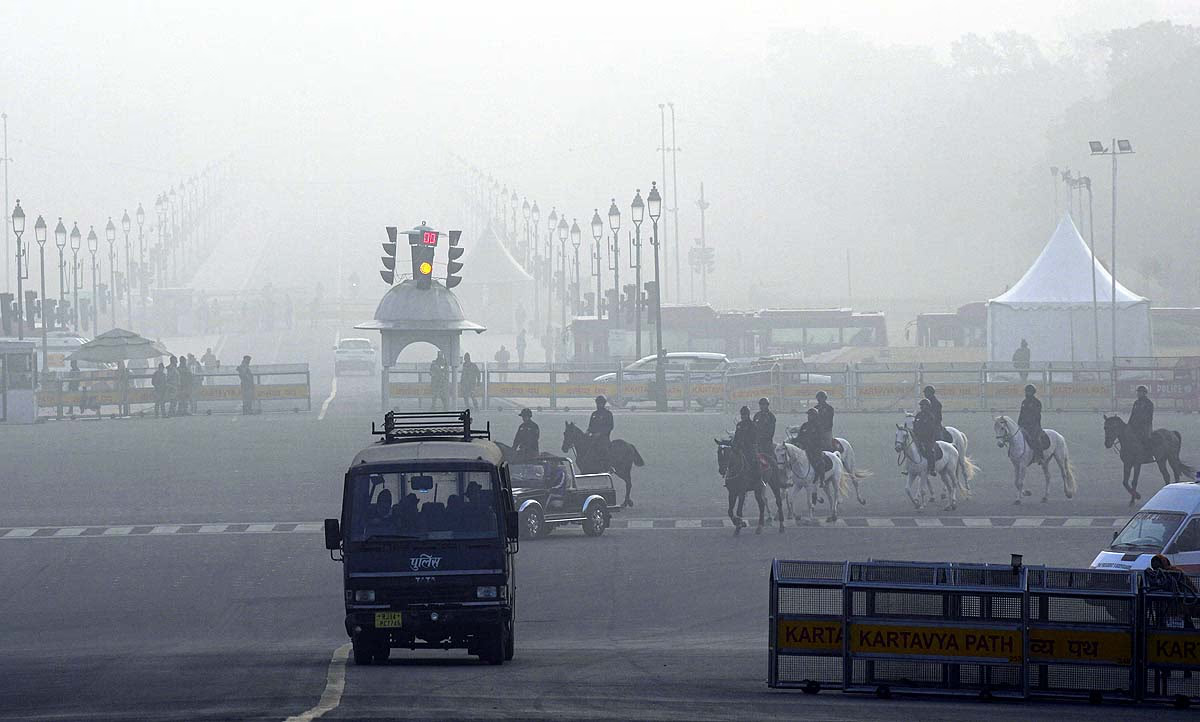
Delhi is currently shrouded in thick smog, with its air quality hitting perilous levels. On December 15, Delhi's AQI reached a severe 447, whereas Beijing, once the world's smog capital, now breathes in cleaner air with an AQI of just 67 on the same day.
In response, the Chinese Embassy in India has extended a helping hand to Delhi. The Embassy's spokesperson, Yu Jing, has initiated a series on social media platform X, showcasing a step-by-step guide to Beijing's battle against pollution success.
Yu Jing wrote that both China and India have faced the complexities of air pollution amid rapid urbanization. Although the challenge is intricate, China's persistent efforts over the last decade have led to significant improvements. She shared before-and-after photos of Beijing that narrate the tale of pollution mitigation.
Source: aajtak
The Chinese Embassy focused its efforts initially on vehicular pollution control...
Strict Emission Standards: China adopted the 'China 6' standards, equivalent to Euro-6, and gradually phased out high-pollution vehicles.
Car Number Control: Implemented a license plate lottery system and odd-even vehicle restrictions, allowing odd-numbered plates on certain days, and even on others.
Public Transport: Expanded the metro and bus networks significantly and rapidly embraced electric vehicles.
Regional Coordination: Beijing didn't fight alone – they crafted policies in alliance with neighboring regions (Tianjin-Hebei) to prevent pollution spread.
Apart from this, industrial restructuring was undertaken – coal-reliant factories were either shut down or relocated, adopting clean energy sources. In 2013, China declared a 'war on pollution' and made hefty investments. Now, Beijing enjoys more 'blue sky' days annually.
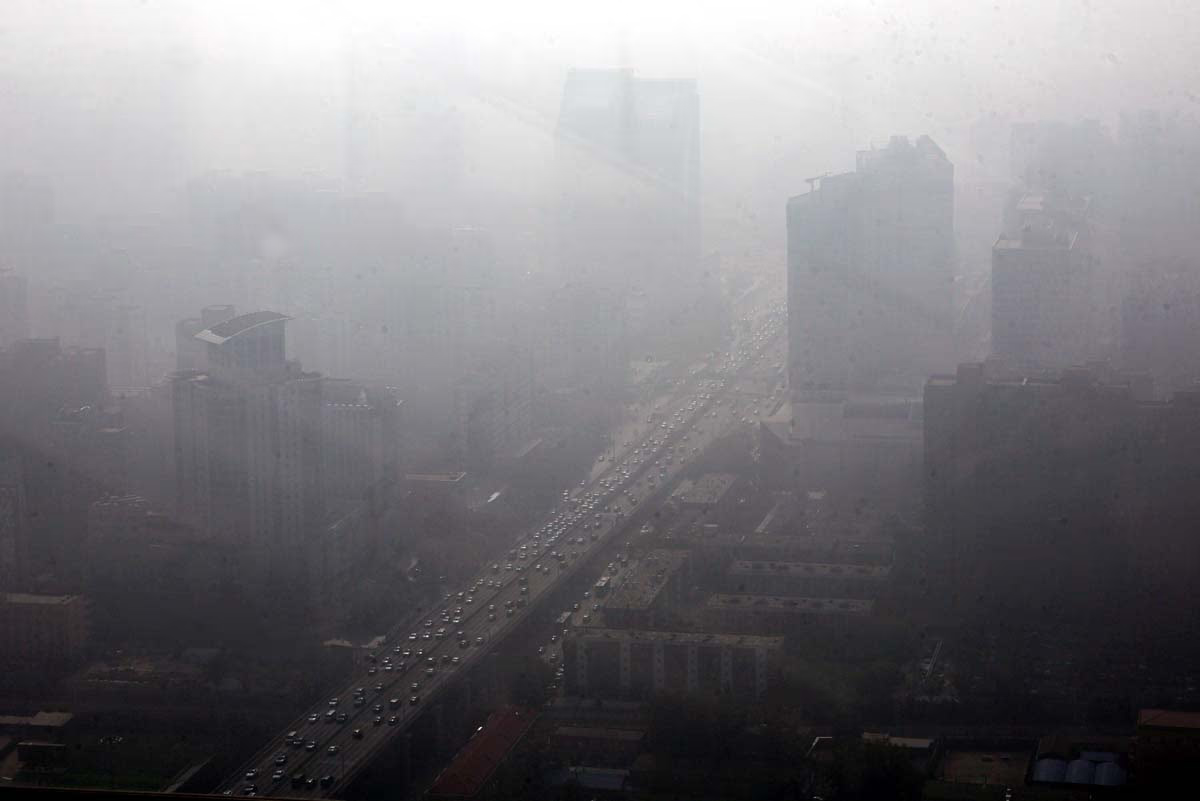
Source: aajtak
Delhi faces a recurring story every winter – post-Diwali smog, and rising respiratory illnesses. India implemented BS-VI standards since 2020 but delayed banning older vehicles. This week, a prohibition on non-BS-VI vehicles was enforced. The Graded Response Action Plan (GRAP) is in action, but stubble burning in neighboring states and lack of regional coordination remain major hurdles.
Experts suggest adopting Beijing's model – stringent rules, regional cooperation, and long-term planning. The Chinese Embassy's initiative marks a step towards environmental collaboration between the two nations. Yu Jing indicated that more steps will be shared in the upcoming days. Let's walk this path towards clear skies together. This guide signifies a ray of hope for Delhi and all of Northern India, if implemented correctly.