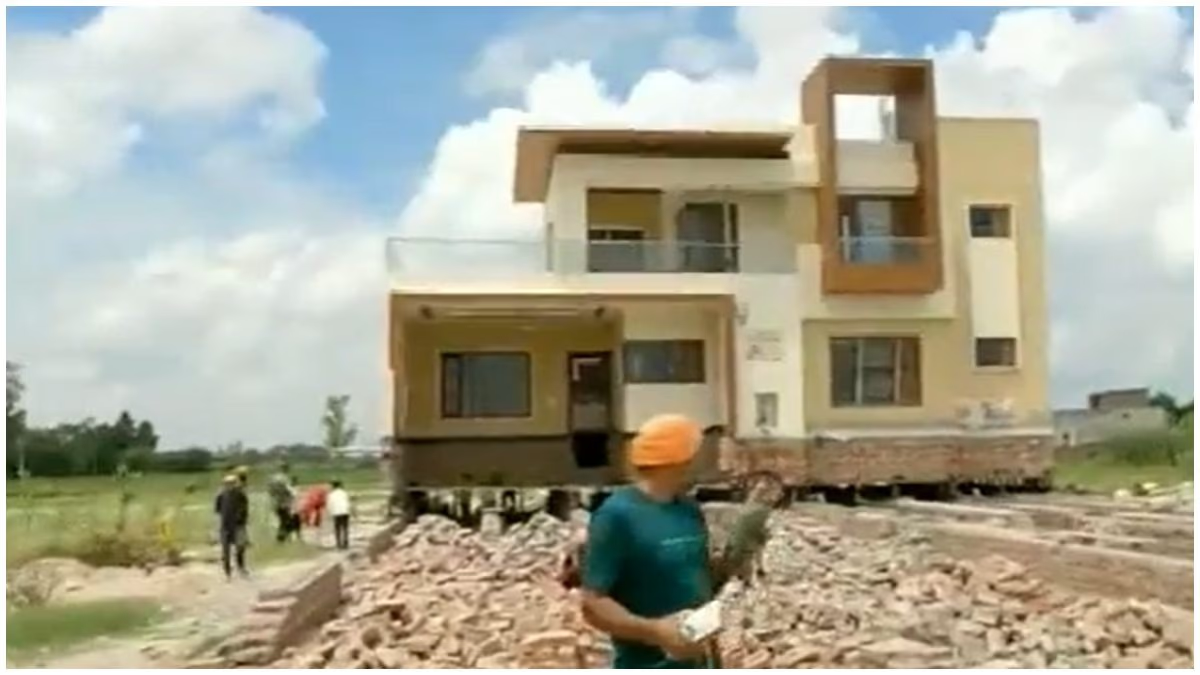
The house is quite old, the road has risen, and there's water seeping in... No worries! Just elevate your home. It might sound strange, but this is quite common nowadays. In several cities, it's routine to lift homes that have sunken. Raising a two- or three-story house by four feet isn't uncommon.
Beyond just lifting, people are now moving their homes entirely. In one case, the house was mistakenly built on an adjacent plot, so the owner simply had it moved. When a highway threatened a property, the house was moved back. So, how does this work, is it safe, is it legal, and how much does it cost? Let’s answer all your questions...
What is Home Lifting and Shifting?
Most people think home shifting means moving the belongings to a new place, but this is different. Here, the entire house is relocated—walls, roof, windows, gates, fans, lights—everything can be shifted backward, sideways, just as you might reposition a suitcase.
Home lifting involves increasing the height of a house. This is common for older homes where flooding is an issue, and the base height is increased, effectively lifting the house up.
How is Home Lifting Done?
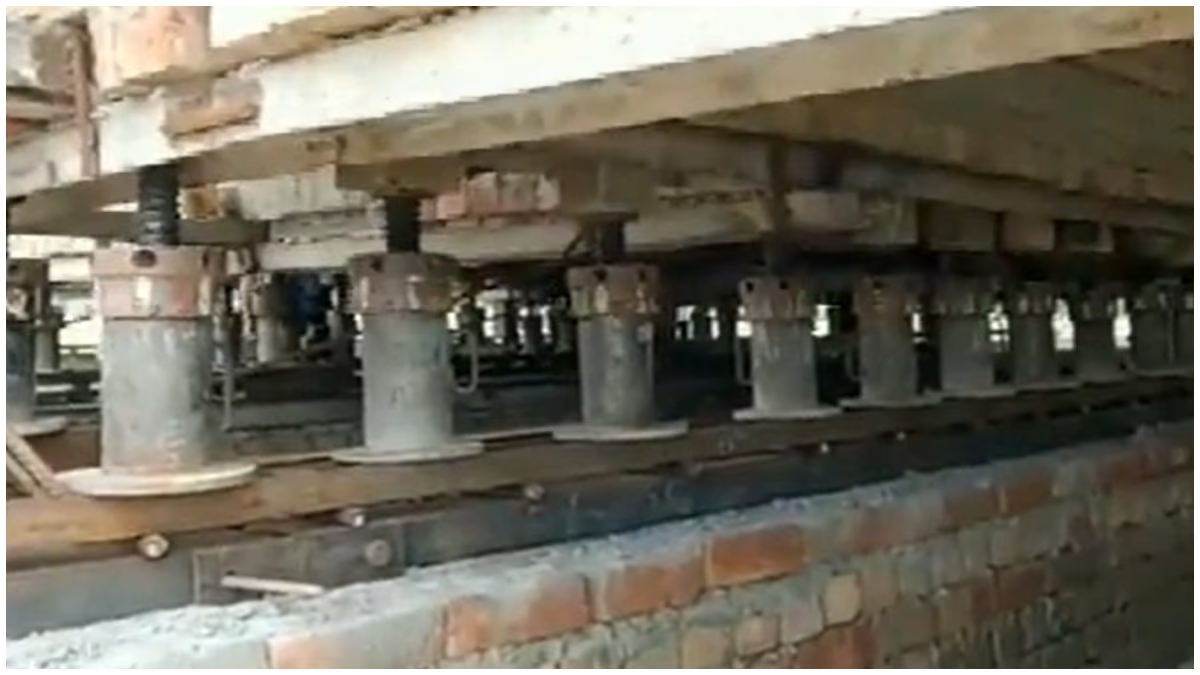
Home lifting works much like changing a car tire with a jack. We spoke to professionals who lift homes using jacks, who explained the process: 'It's similar to using a jack for a tire change. Numerous jacks are placed between the walls and the foundation.”
Jacks are inserted one by one, steadily providing a base for the house. The weight of the house is effectively transferred onto these jacks. Gradually, the jacks are raised and the space underneath is filled. Cement and bricks fill the new space, and the home rises foot by foot.
For moving a house, the house is lifted first. Rails are laid out like tracks beneath, and the house is moved along these rails, akin to a train on tracks. Moving several feet is feasible. A lavish mansion in Sangrur, Punjab, was moved several feet backward just a few years ago, drawing a lot of attention.
What Are the Costs?
An expert in home shifting shared with us, 'The costs depend on the condition, location, and layout of the house. Generally, raising a house three feet costs around 200 rupees per square foot, excluding additional costs for more elevation. This includes jack and labor costs but not earth and brick filling costs, which are the homeowner's responsibility.'
They further explained, 'Beyond lifting, you'll need to redo your flooring. Everything remains as it was, including gates, doors, and lights. The main additional expenses are new flooring and filling the gap created during lifting.'
When asked about the number of floors that can be lifted, they said, 'We can comfortably lift houses up to 3-4 stories. Pricing is mainly based on square footage, but lifting costs about 25% of what rebuilding a demolished house would be. Shifting a house is costlier at around 500 rupees per square foot, depending on relocation distance.
Source: aajtak
Can You Move the House Anywhere?
Regarding relocation, they said, 'You can't move a house to another city, but you can reposition it on its plot or within its site. How far it can be moved depends on site location, though if there's open space, moving it becomes feasible.'
Is It Safe?
Civil Engineers commented on safety: 'The safety depends on local conditions and the house's condition. Age matters, but with scientific methods and expertise, it's achievable. Numerous successful cases prove its viability. Safety largely depends on the property and the engineering involved.'
Is It Legal?
Numerous YouTube videos show house shifting in Rajasthan, Punjab, and Haryana without official government guidelines or permissions. Speaking with Jodhpur Development Authority engineers revealed no specific government guidelines exist. While some people proceed regardless, engineers confirm many successful, safe operations.