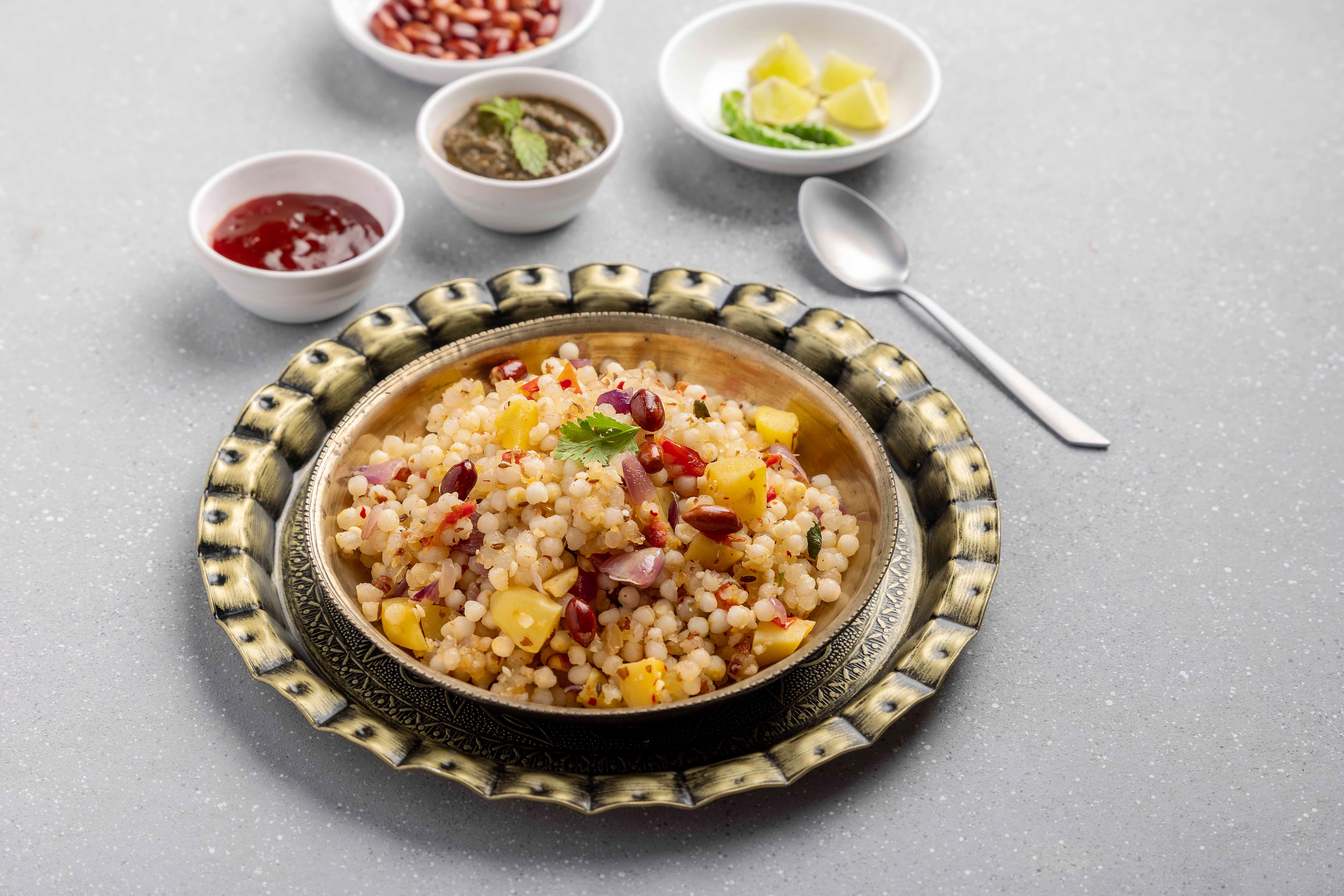
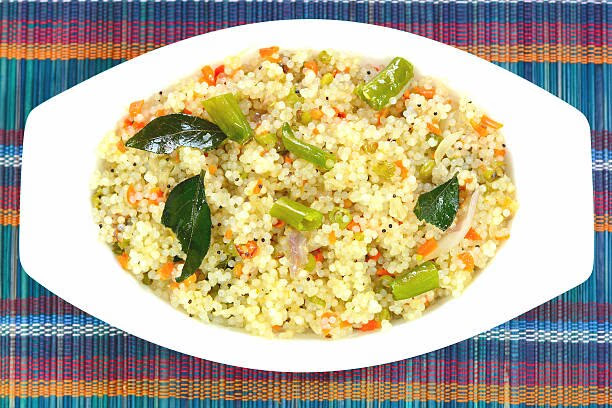
Why is this dish called khichdi? Food experts say khichdi means blending. Combine two grains, and you get khichdi—a harmonious new creation not quite dal, not quite rice, but something delightfully different.
As a social meal, khichdi unifies all social classes, subduing caste, wealth, and creed differences. During Makar Sankranti, the khichdi meal brings everyone together. Even deities have been associated with khichdi, using it as a tool to teach unity and equality.
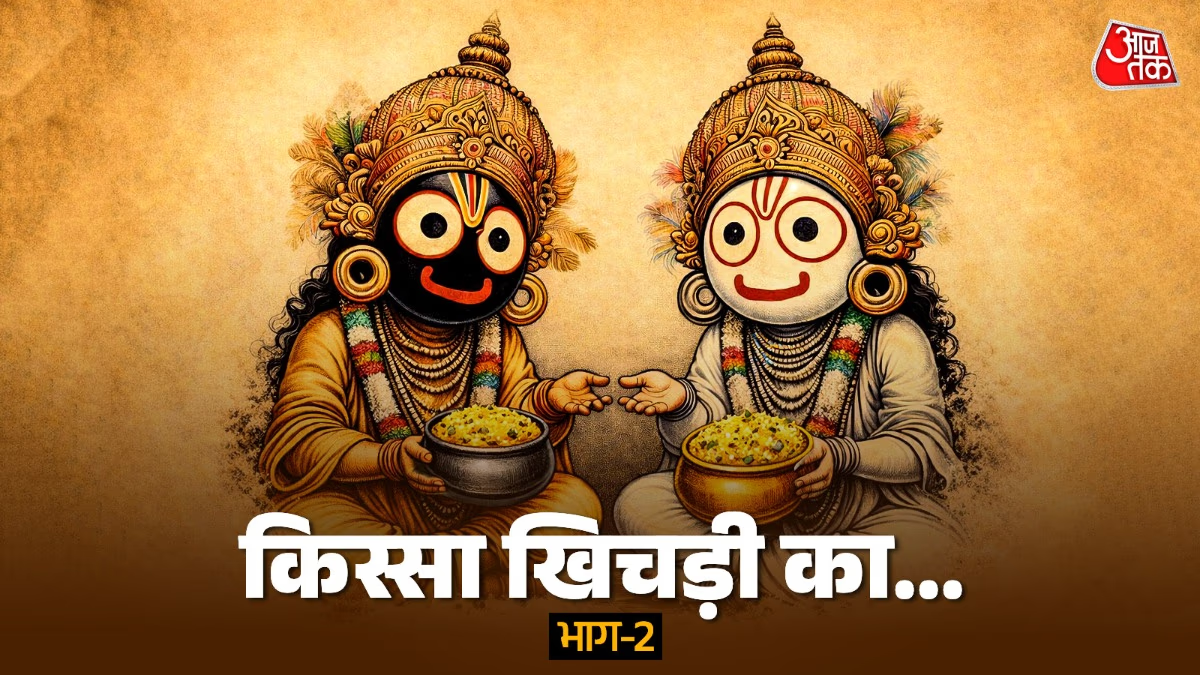
The Famous Legend of the Jagannath Temple
In Odisha's Jagannath Temple, a tale is told of how Lord Jagannath and His brother wandered for 12 years without food. Their temple's treasure was depleted, leaving them with nothing, not even khichdi.
Long ago, a woman named Shreya lived in Jagannath Puri. Though of humble origin, she was a dedicated devotee of Goddess Lakshmi and lived solely on Jagannath’s grace. Once, she wished to perform a challenging fast but didn't know the rituals. She sought help from a priest, who refused her.
Source: aajtak
When the Lord Left Shrimandir
Shreya faced rejection wherever she sought guidance until, weak from hunger, she collapsed, bleeding. Lord Jagannath couldn't bear his devotee’s plight and reacted emotionally, leading to temple chaos. The king, perceiving divine abandonment, abdicated to uncover the sin causing the gods’ departure.
Narada Muni, under divine orders, disguised as a saint and taught Shreya that pure devotion needed no arduous rituals—just clean surroundings, kind words, and a simple offering sufficed.
Lakshmi Blessed Shreya
Shreya followed this advice. During an evening aarti, a veiled woman presented her with a bundle of prasada. As Shreya shared her sweet dish, the woman's identity as Lakshmi was revealed to her, but only after the goddess and others had gone, leaving Shreya with riches and gratitude for Lakshmi’s favor.
Yet, Lord Jagannath's teaching to the world was not complete. The divine needed a lesson initiated from their abode.
When Lakshmi returned, Balabhadra stopped her, accusing her of disgracing Shrimandir by eating at a low-caste home. Balabhadra ordered that Lakshmi lose temple keys and be expelled.
Source: aajtak
Lakshmi Left the Temple and Poverty Ensued
Furious, Lakshmi predicted their demise unless they ate from a lowly hand, and then she left. Instantly, the grandeur of Shrimandir faded; food and garments rotted, and Jagannath and Balabhadra faced starvation.
To eat, they disguised and began begging yet found misfortune everywhere—neither food nor kindness. After 12 years of wandering, they reached a seashore.
The brothers heard Vedic chants near a house. Balabhadra inquired about food prospects. The servant hesitated, revealing their mistress’ extended penance completion ceremony. They were wary, since guests included those from lowly origins. Would the brothers still eat?
Khichdi: A Symbol of Humility and Acceptance
Balabhadra protested eating from untouchables but requested ingredients, intending to cook themselves. However, fire failed to light as Lakshmi, knowing their thoughts, commanded the flames to produce only smoke. Frustrated, Balabhadra smashed the utensils, acknowledging hunger knew no hierarchy and persuaded Jagannath to eat.
As they consumed the khichdi, they recognized Lakshmi and invited her back to Shrimandir where harmony restored the temple's wealth. Thus, khichdi became not just a meal, but a symbol of societal unity, served as divine prasada in Jagannath Temple.