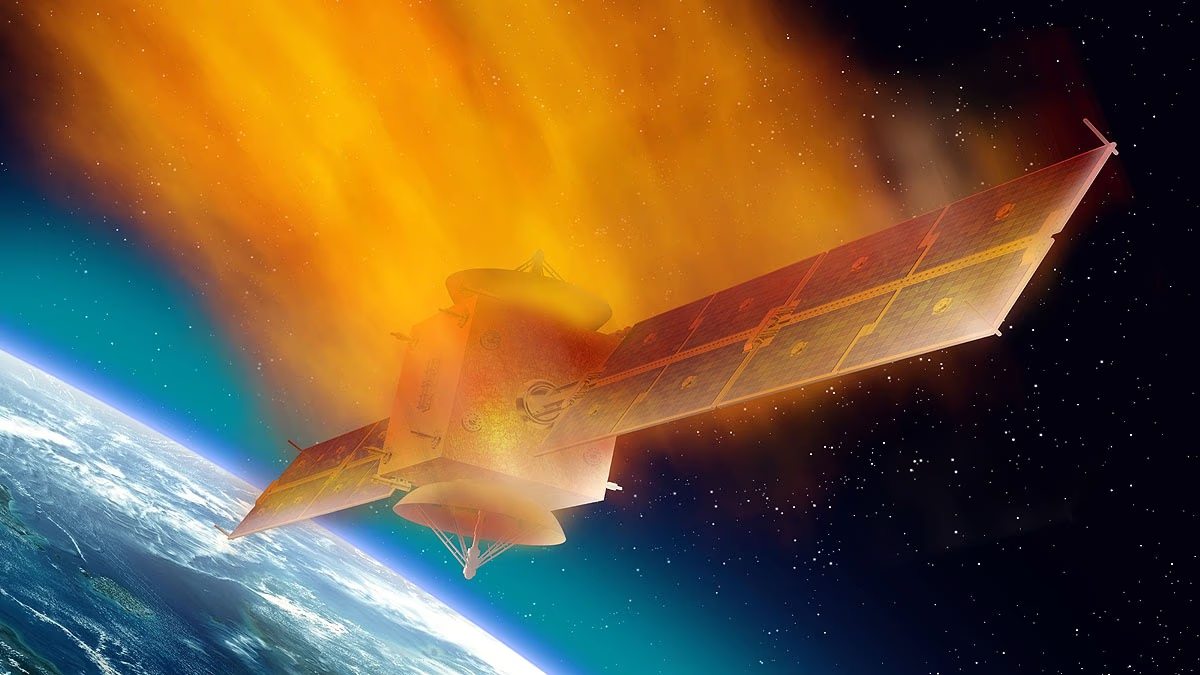
On December 17, 2025, a SpaceX Starlink internet service satellite unexpectedly malfunctioned. A leak in its propulsion tank led to loss of control, causing it to drift uncontrollably in space. While the satellite remains mostly intact with minor debris, SpaceX confirmed it will disintegrate after entering Earth's atmosphere shortly.
To investigate the incident, SpaceX utilized images from Venter Company's WorldView-3 satellite, taken from 241 kilometers away. These high-resolution images reveal deployed but damaged solar panels, highlighting the rising threat of space debris and collisions.
Satellite EDB 35956, positioned at an altitude of 418 kilometers, suddenly became uncontrollable.
A propulsion tank malfunction caused gas leakage, reducing altitude by 4 kilometers and creating debris.
SpaceX assures no significant threat exists—the satellite is expected to fall and burn entirely. However, the situation signals how risky space has become due to the mega-constellation of thousands of satellites.
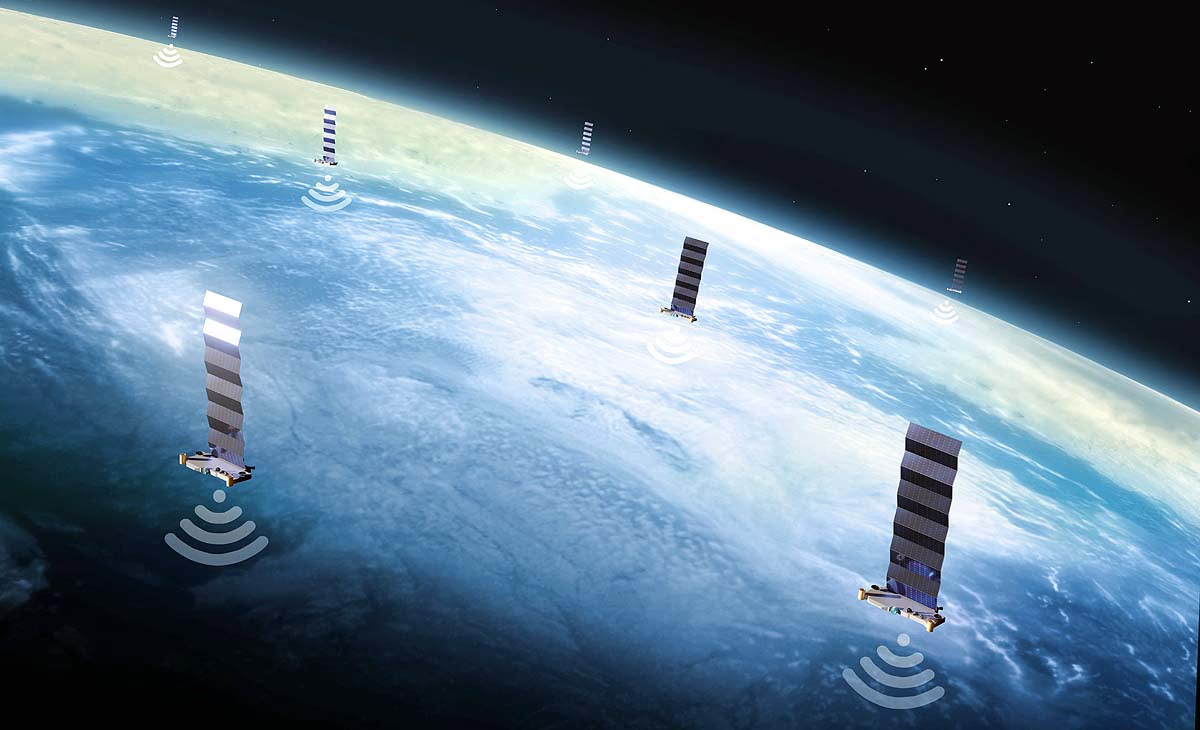
Starlink now operates over 9,000 active satellites, a significant portion of the total active satellites in orbit.
Source: aajtak
According to a recent research paper, "An Orbital House of Cards" (arXiv, 2025), the rapid increase in low Earth orbit (LEO) satellites has escalated risks...
Currently, two satellites pass within 1 kilometer of each other every 22 seconds. For Starlink, this occurs every 11 minutes.
If satellites lose control due to a major solar storm, catastrophic collisions could happen in just 2.8 days.
In 2018, the timeframe was 121 days—diminished dramatically by mega-constellations.
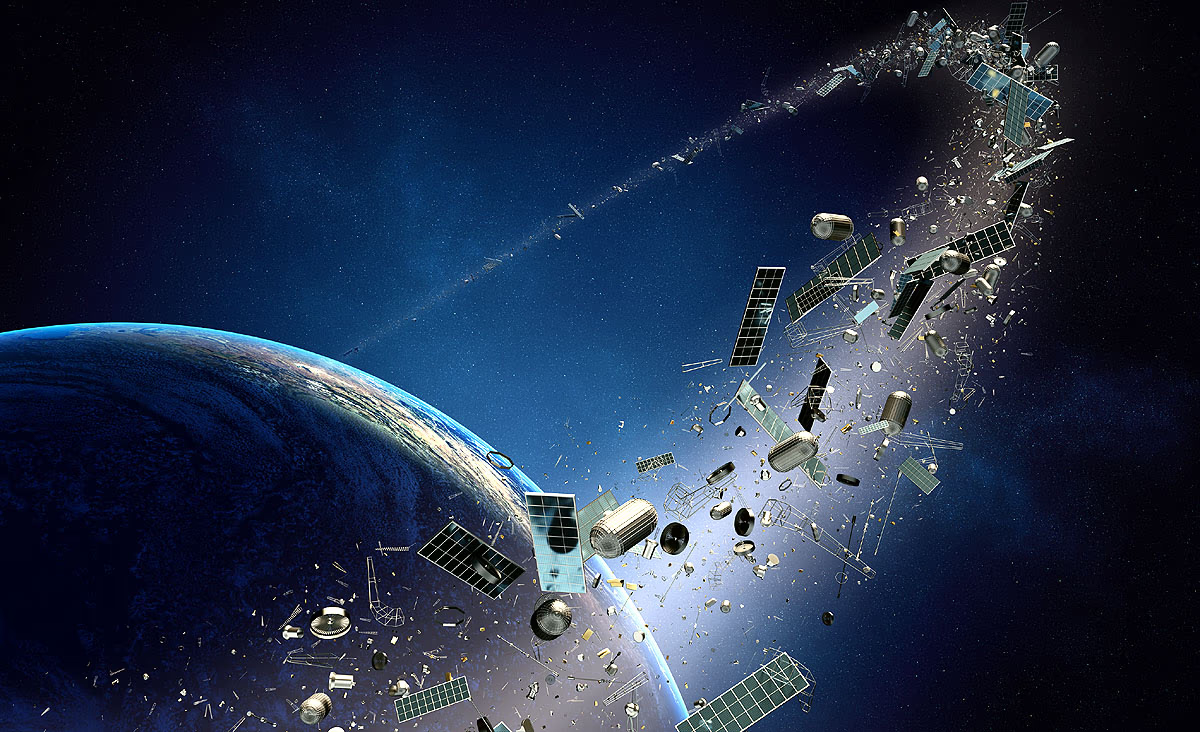
Kessler syndrome arises when a collision generates debris that triggers more collisions, saturating space with debris and hampering new launches.
These space events could directly harm Earth, given our reliance on satellites...
Source: aajtak
Internet and Communication Disruption: Satellites like Starlink provide global internet. If thousands fail, remote regions could lose internet access, affecting mobile networks, video calls, and online banking.
GPS and Navigation Challenges: Vehicles, ships, and airplanes rely on GPS. Without it, accidents would increase, potentially halting transportation.
Banking and Economic Impact: Stock markets and online transactions depend on satellite timing. Prolonged outages could incur billions in losses.
Weather Forecasting and Disaster Warnings: Meteorological data comes from weather satellites. Delays in storm and flood warnings could result in increased casualties and damage.
Defense and Security: Satellites are crucial for surveillance. Compromised capabilities could weaken military or anti-terrorism missions.
Halted Science and Research: Space stations and telescopes could be affected. New space missions could be delayed.
Long-Term Threats: Kessler syndrome could make space exploration difficult for decades, potentially halting human space travel.
Experts warn that events like solar storms, such as the 1859 Carrington Event, could blind or deafen thousands of satellites today. The 2024 Geon Storm was mild, yet a larger storm could cause extensive destruction.
SpaceX emphasizes its focus on safety, with satellites programmed to avoid collisions. However, research indicates increasing risks necessitating international regulations and debris removal technology. This episode reminds us of space's fragility—minor issues can lead to major disasters.