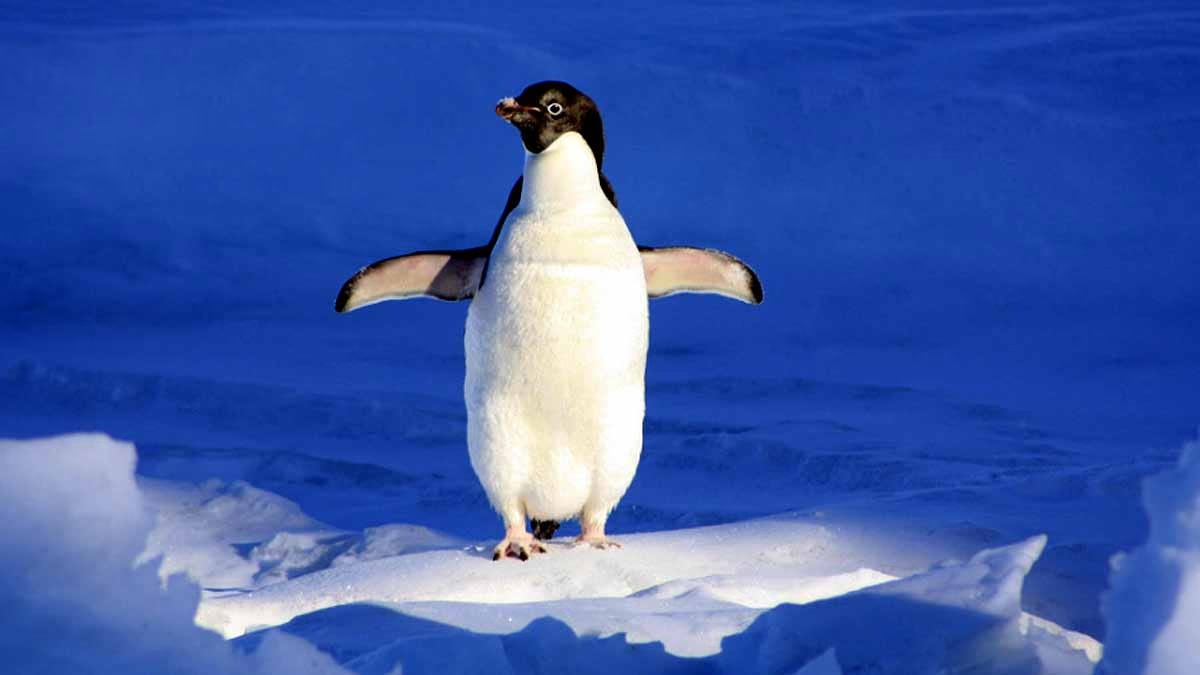
A groundbreaking study has unveiled a distressing reality – over 60,000 African penguins have starved to death along the South African coast in recent years. The disappearance of their primary food, sardines, is the main culprit.
Between 2004 and 2012, over 95% of penguins perished in South Africa's largest penguin colonies – Dassen Island and Robben Island. Scientists report these penguins starved to death while molting, a period when they cannot venture to sea for food.
Explore further:
Annually, penguins molt, shedding old feathers over 21 days, during which they cannot swim and feed at sea. They must be well-fed and fat beforehand, or their reserves deplete, leading to starvation.
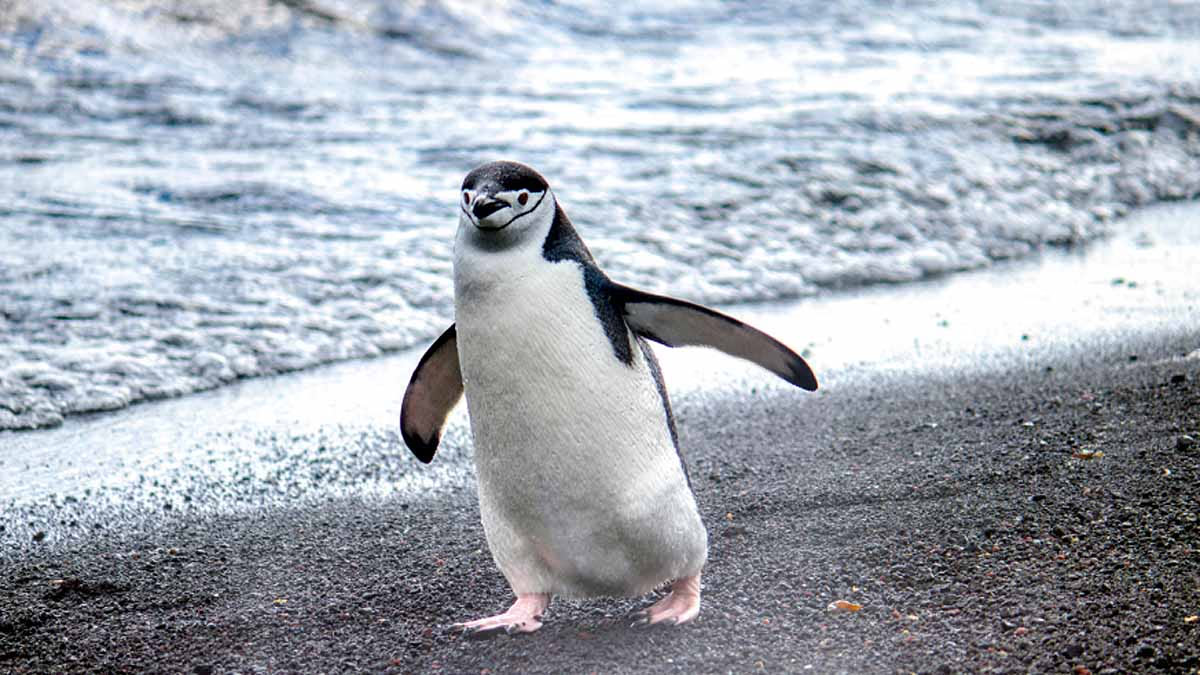
Source: aajtak
With rising sea temperatures and altered salinity, sardines are failing to spawn. Meanwhile, large fishing vessels persist in excessive fishing. Since 2004, except for three years, sardine levels in western South Africa have fallen by up to 75% of their peak levels.
African penguins were declared critically endangered in 2024, with only 10,000 breeding pairs left worldwide, having plummeted by 80% over the past 30 years.
Explore further:
Fishing bans on purse-seine fishing are enforced around six major penguin colonies. Artificial nests are constructed to keep offspring safe. Sick and weak penguins are hand-reared, and efforts are made to keep predators like seals and sharks at bay.
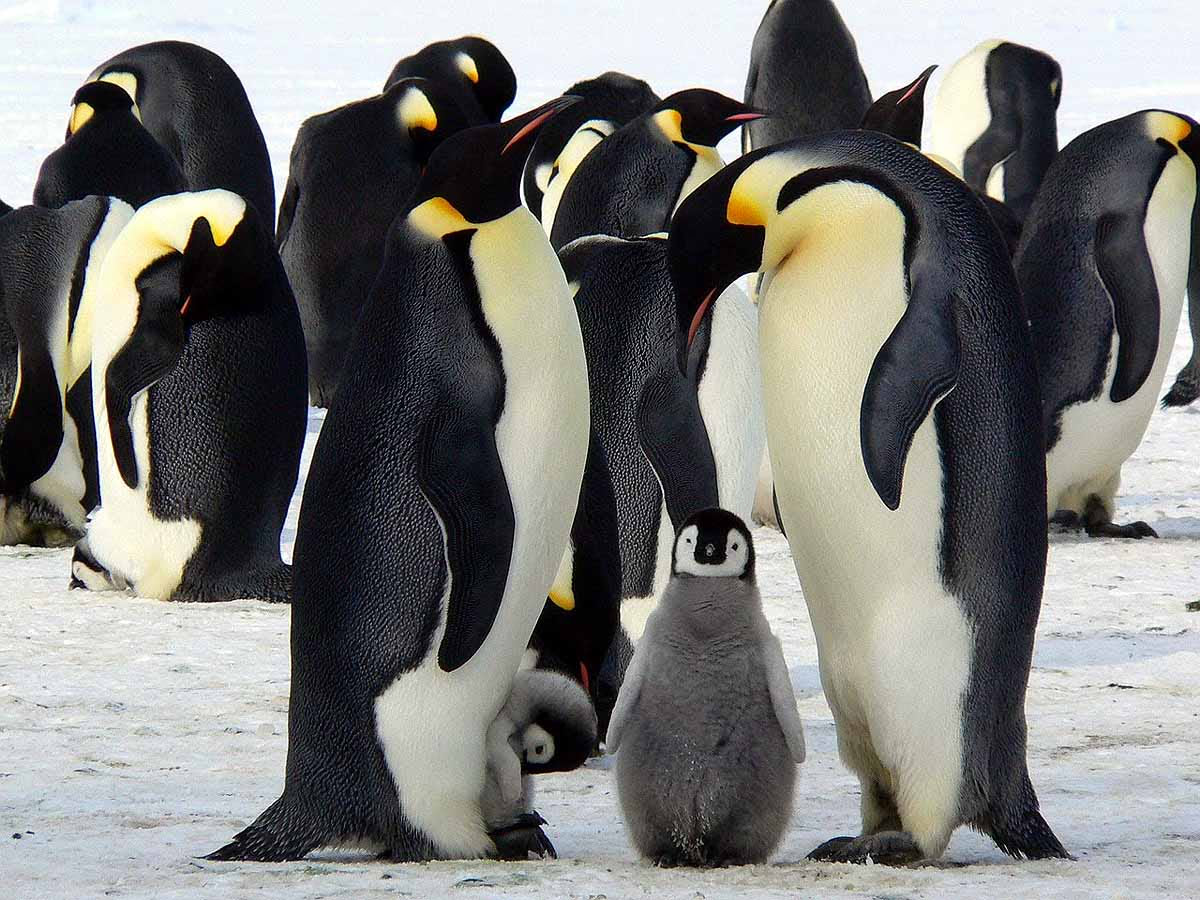
Source: aajtak
Dr. Richard Shirley of the University of Exeter asserts the damage seen by 2011 has only worsened since. Without swift restoration of fish populations, African penguins could face extinction in a few years.
Marine biologist Prof. Lorien Pichegru warns this is not just a penguin problem. Many species rely on the same dietary sources. Failing to save these smaller fish could collapse entire marine ecosystems.
Today, even at Cape Town's renowned Boulders Beach, penguin sightings are rare. Once abundant, now tourists see only a few hundred. It's a stark warning from nature itself.