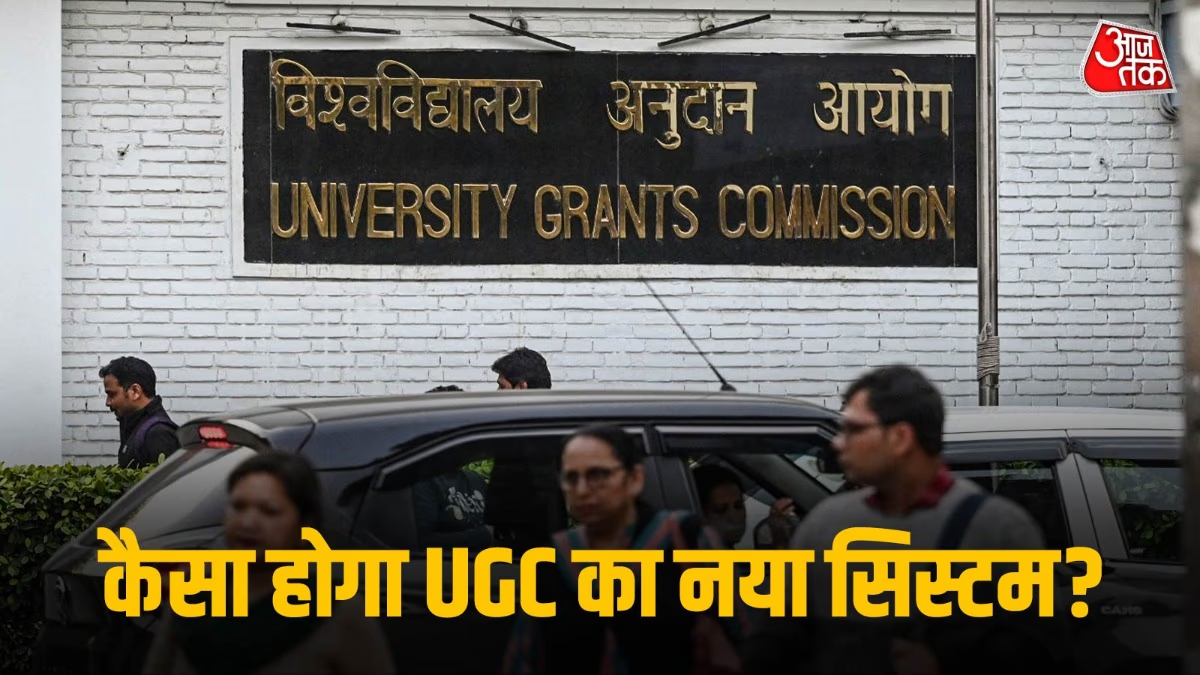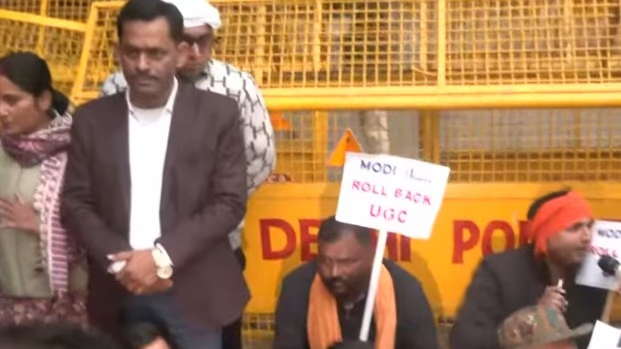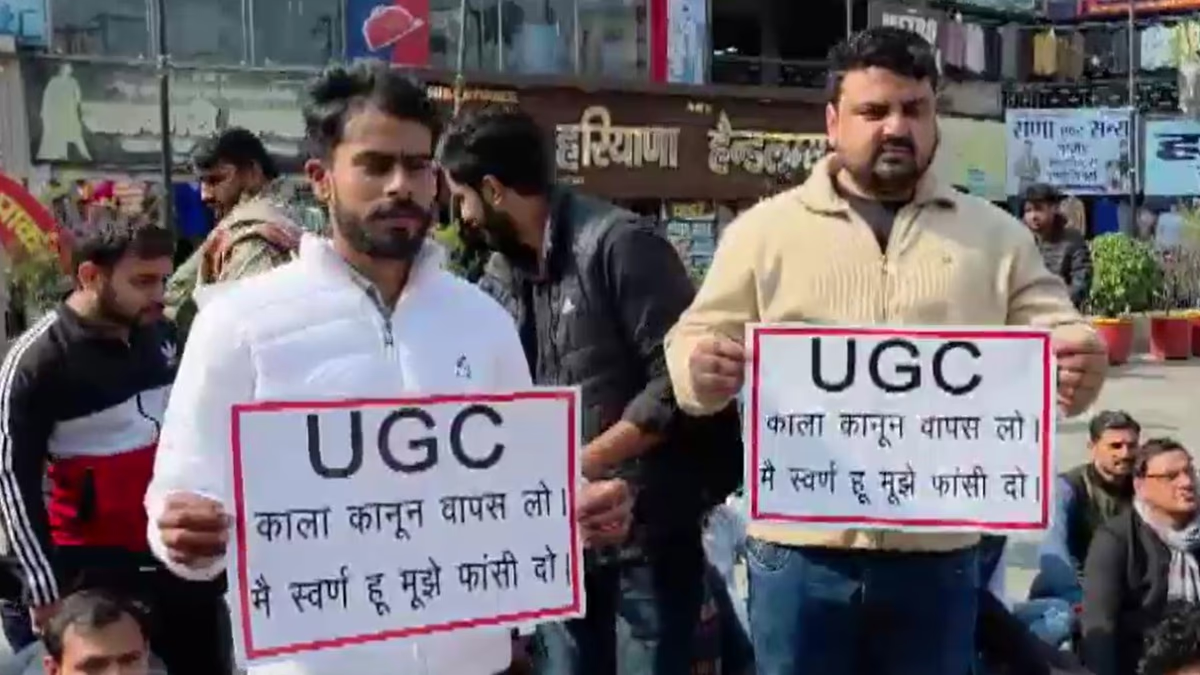
The new UGC regulation has stirred quite the controversy. It first sparked a #UGCRolleback trend on social media, and then led people to take it to the Supreme Court, calling it discriminatory. In a surprising move, Bareilly's city magistrate, Alankar Agnihotri, resigned in protest against this change. Let's explore what the new UGC regulation entails and the necessity behind its creation.
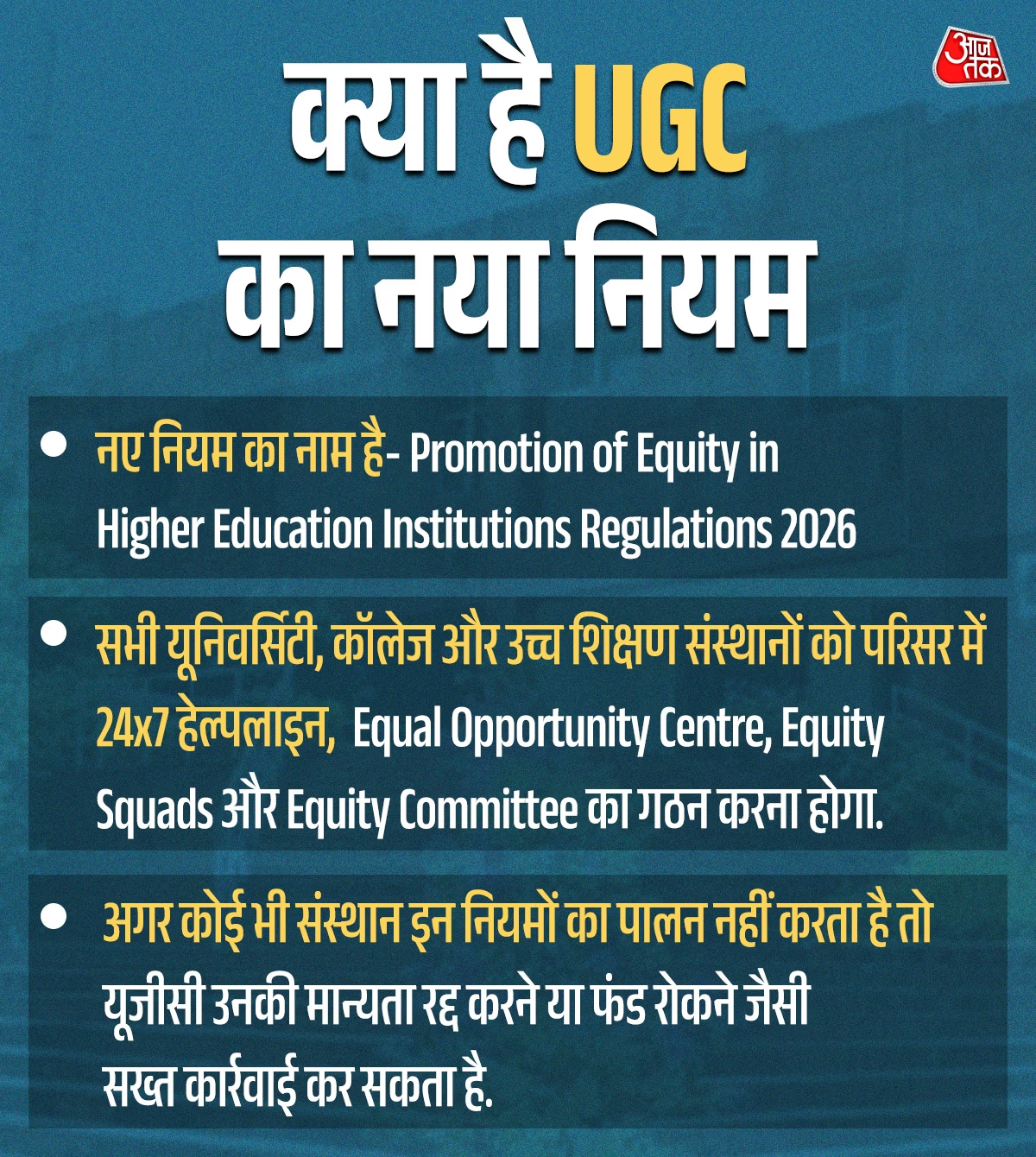
On January 13, UGC implemented a rule named 'Promotion of Equity in Higher Education Institutions Regulations 2026', which has garnered significant backlash. The general category community feels particularly targeted by this regulation. Alankar Agnihotri, Bareilly's magistrate, accused the UGC of labeling general category students in colleges and universities as self-proclaimed offenders with this new law.
Understanding UGC's New Rule
UGC states that this rule is needed to curb and monitor caste-based discrimination against SC, ST, and other backward class students. Under the new Equity Rule, all universities, colleges, and higher education institutions must establish a 24/7 helpline, an Equal Opportunity Centre, Equity Squads, and an Equity Committee on campus. Failure to comply may result in UGC withdrawing the institution's recognition or halting its funding.
Source: aajtak
Issues Arising from Specific Sections
A public interest litigation (PIL) has been filed in the Supreme Court challenging this UGC rule. The PIL argues that the regulation is discriminatory and arbitrary, pointing specifically to Section 3(C) as a catalyst for increased discrimination. The petitioner demands the rule be declared unconstitutional.
The PIL suggests that UGC's Equity Rule Section 3(C) violates fundamental rights such as freedom of expression, equality, and personal liberty. It contravenes the UGC Act of 1956 and undermines the opportunity for equal access to higher education. Thus, the plea to the Supreme Court is to remove these provisions.
Related Reading: Challenge to UGC's New Rule Filed Via PIL in Supreme Court
According to UGC, this rule is needed to address the growing discrimination against backward classes and scheduled castes and tribes in higher education institutions. From 2020 to 2025, complaints related to caste discrimination surged by over 100%. Furthermore, this regulation is grounded in Supreme Court observations from cases like Rohith Vemula and Payal Tadvi.
Source: aajtak
What Students are Pointing Out
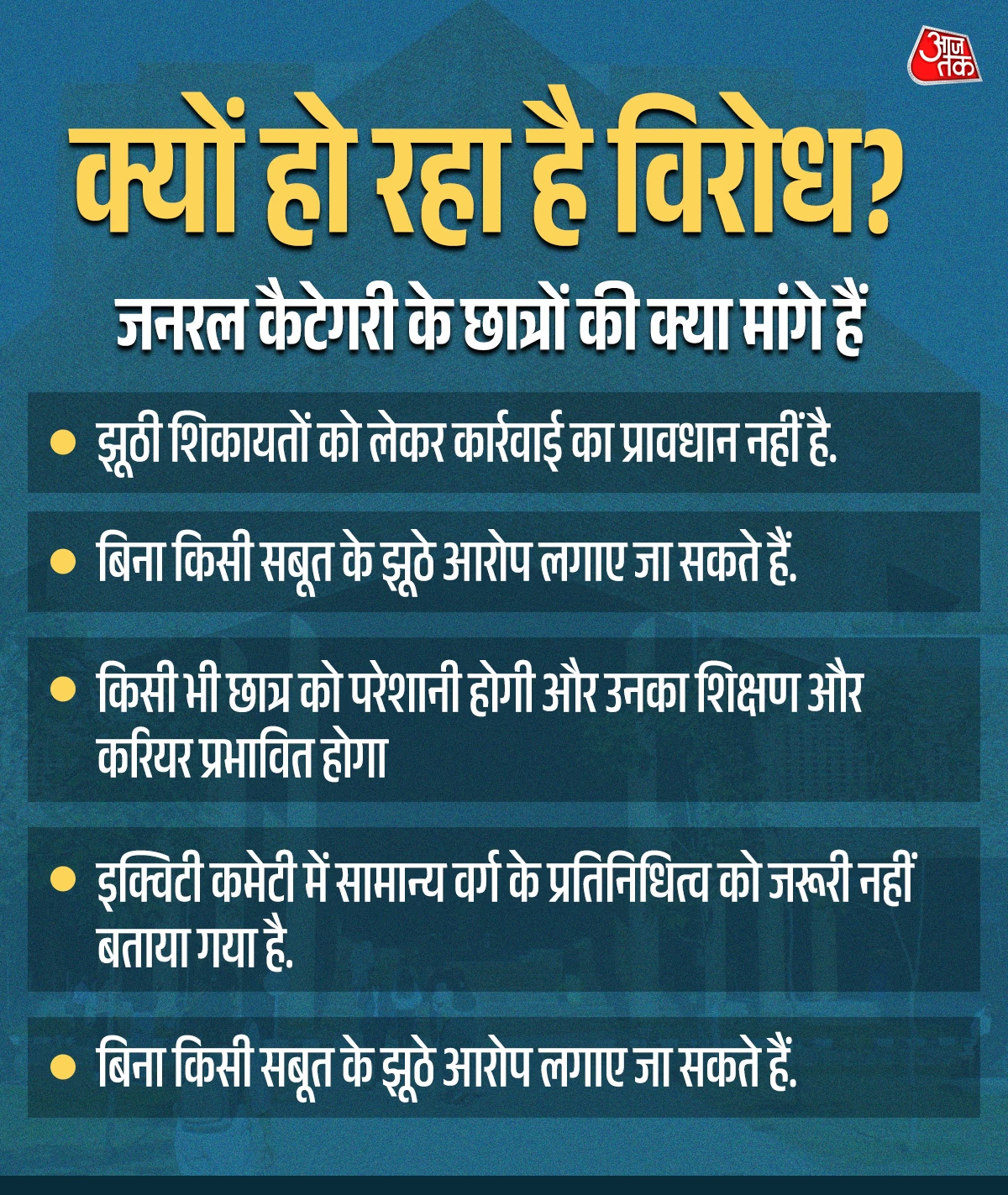
Students argue that the rule does not adequately address false complaints, enabling unfounded allegations without evidence. This can unfairly trouble students and affect their education and careers. Additionally, the rule doesn't mandate the representation of the general category in the Equity Committee. Meanwhile, Equity Squads have been given extensive powers, and the term 'discrimination' lacks a clear definition.
UGC believes that without a monitoring system, a uniform and safe environment in campuses cannot be ensured. However, general category students completely disagree with the commission's viewpoint. They assert the new rule is one-sided and will further encourage discrimination.