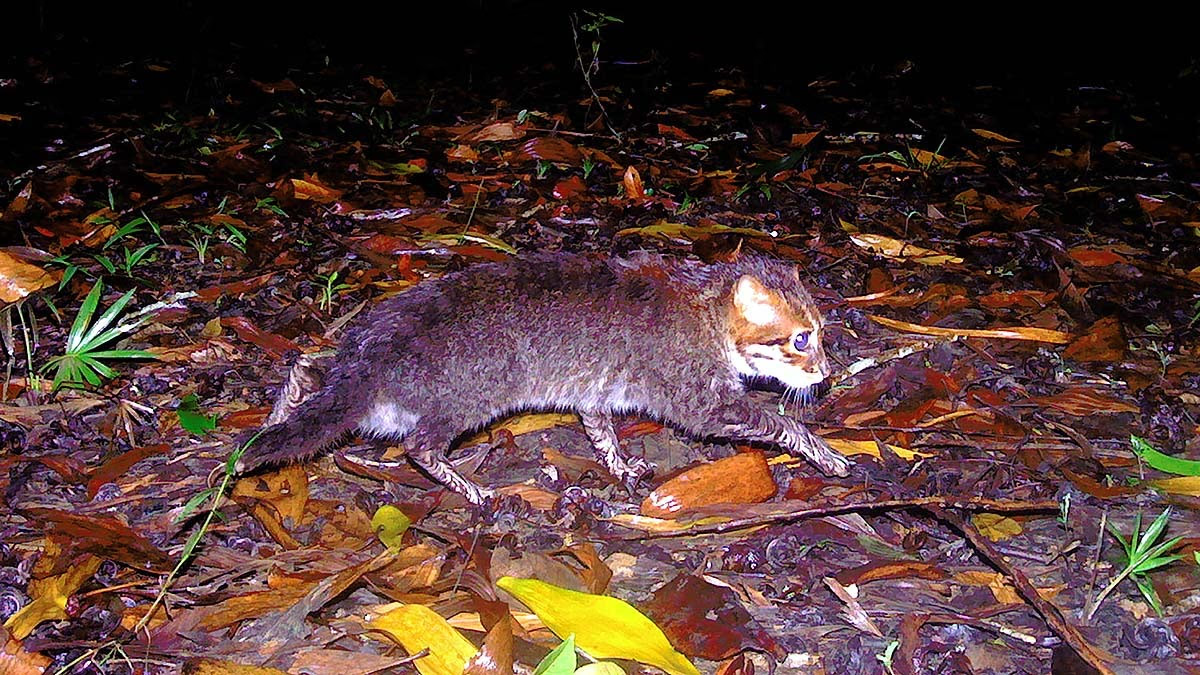
The elusive wild flat-headed cat, once presumed extinct for nearly 30 years, has been spotted once again in Thailand. Regarded as one of the world’s rarest and most endangered cats, this incredible discovery was announced by Thailand's Conservation Department in collaboration with the NGO Panthera this past Friday.
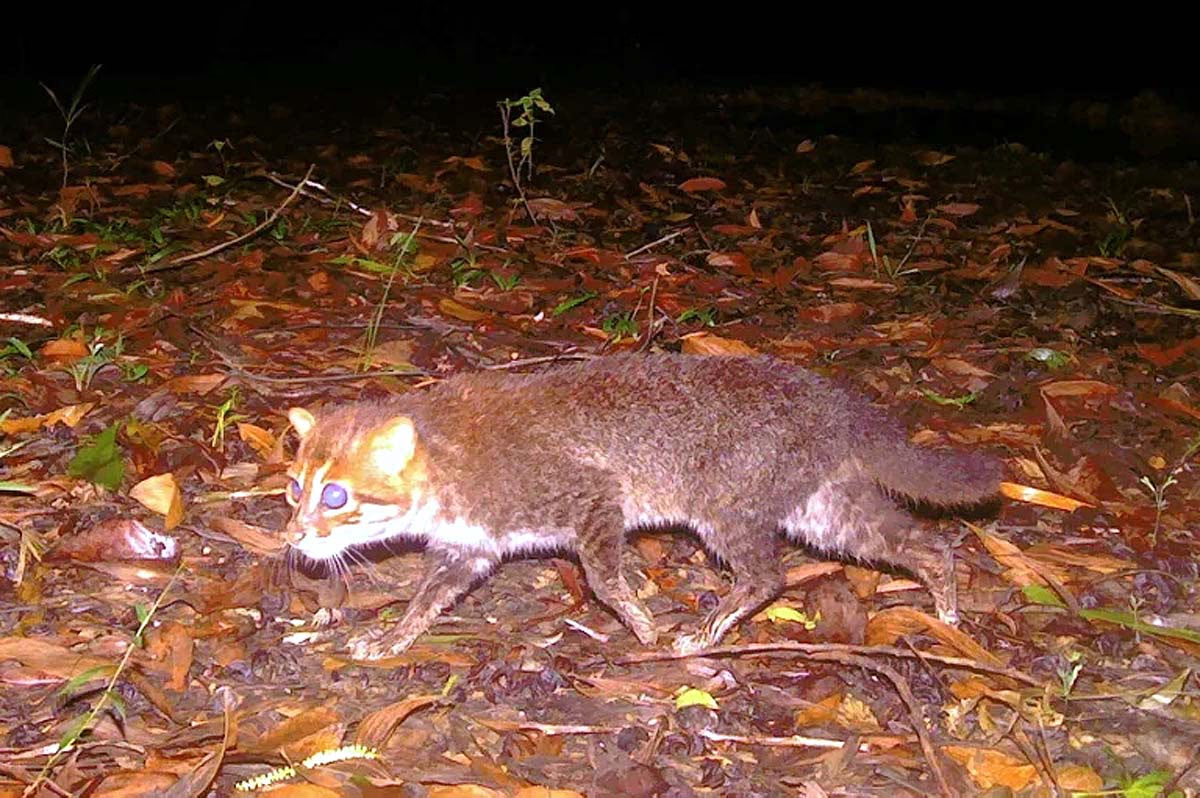
The last verified sighting of this cat in Thailand was in 1995, leaving it to be deemed possibly extinct due to a lack of concrete evidence since then. However, a survey initiated last year set up camera traps at the Princess Sirindhorn Wildlife Sanctuary in southern Thailand, capturing images and videos of the flat-headed cat on 29 distinct occasions.
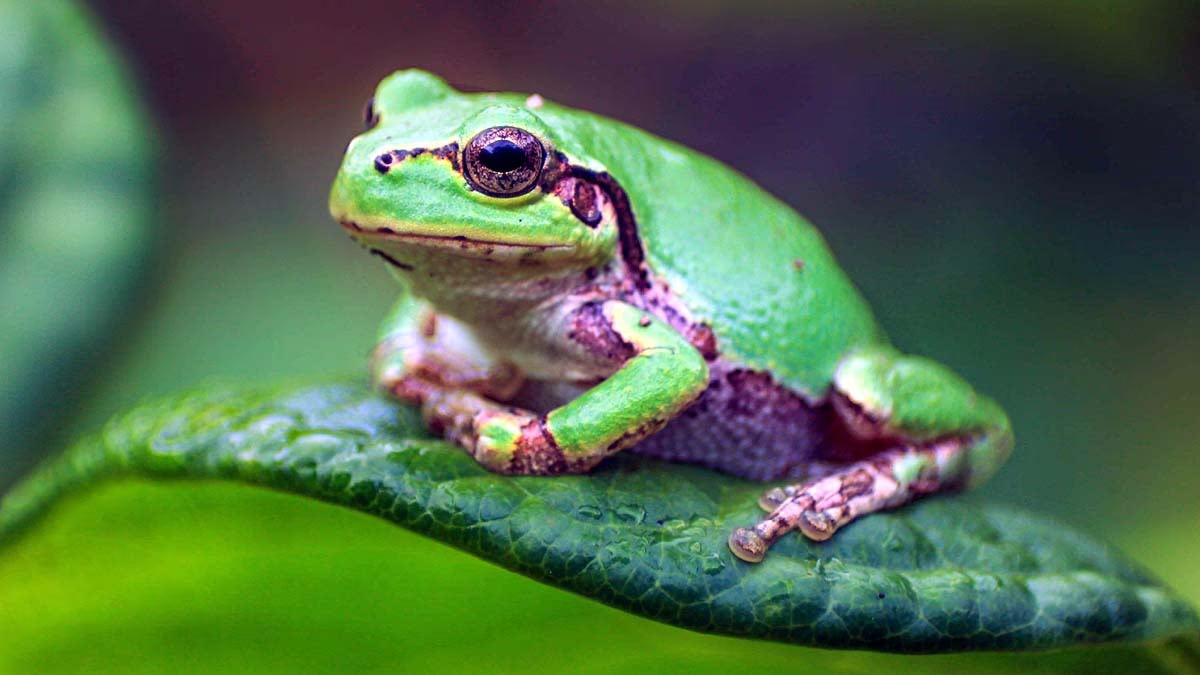
Related Read: Japan's Tree Frog Holds Potent Anti-Cancer Drug, Potentially Eradicating Cancer with a Single Dose
Comparable in size to a domestic cat.
Mostly nocturnal and exceedingly secretive.
Habitat areas are hard to reach for scientists.
Noted for its flattened head, with close-set, rounded eyes.
Prefers living in peat swamp forests and freshwater mangroves.
The survey revealed a mother cat with her cub—a promising sign, as this species is known for giving birth to only one cub at a time.
Related Read: Operation Sindoor 2.0 Spurs Fear in Pakistan, Counter-Drone Systems Deployed Near LoC
With only around 2,500 mature flat-headed cats remaining worldwide, the IUCN has classified the species as 'Endangered.' Predominant threats in Thailand include...
Source: aajtak
Spread of diseases from domestic animals.
Challenges in breeding due to habitat fragmentation.
Deforestation and conversion of land for agriculture.
Isolation caused by partitioned swamp territories.
Dr. Kaset Sutasut from Kasetsart University expressed both excitement and concern over the rediscovery, citing significant habitat fragmentation. Rattapan Pattaranangsang, Conservation Program Manager at Panthera, emphasized that frequent sightings suggest a healthy population in the area, albeit difficult to count due to a lack of unique distinguishing marks on the cats.
Related Read: The Age-Old Puzzle of Whether the Chicken or the Egg Came First Finally Answered
Scientists assert that this discovery marks only the beginning. The true challenge lies ahead: creating a secure and sustainable environment where these cats can coexist peacefully with human populations. Priorities include safeguarding forests, preserving swamp habitats, and protecting against disease.