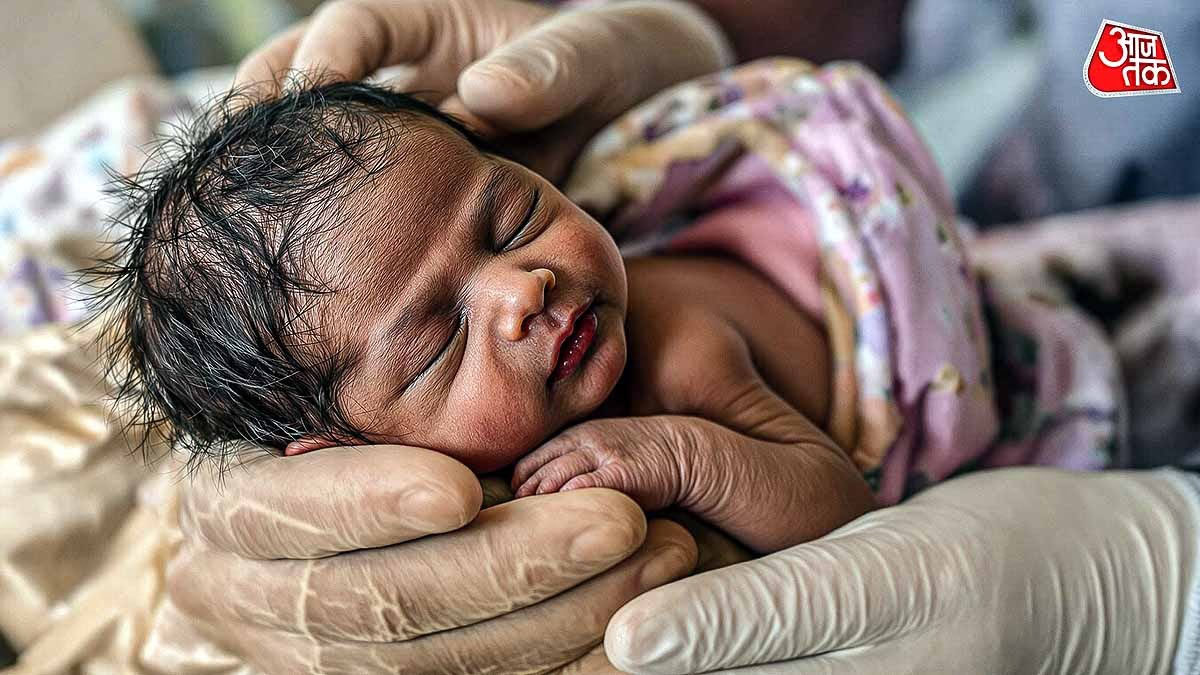
A newborn's first cry is a joyous moment for parents, but
did you know that a baby breathes before it cries at birth?
Scientific research indicates breath comes first as a natural reaction of the body preparing the baby for life outside the womb.
What occurs once outside the womb?
While in the womb, a baby receives oxygen from the mother's blood through the umbilical cord. Lungs don't function as they are filled with fluid. Upon birth and cord cutting, the baby breathes independently.
After birth, the first task for a baby is to breathe. Cold air, light, and touch stimulate the brain to initiate the breathing process. The baby draws in air through the mouth or nose, expanding the lungs and expelling fetal fluid.
Source: aajtak
Why and how does a baby cry?
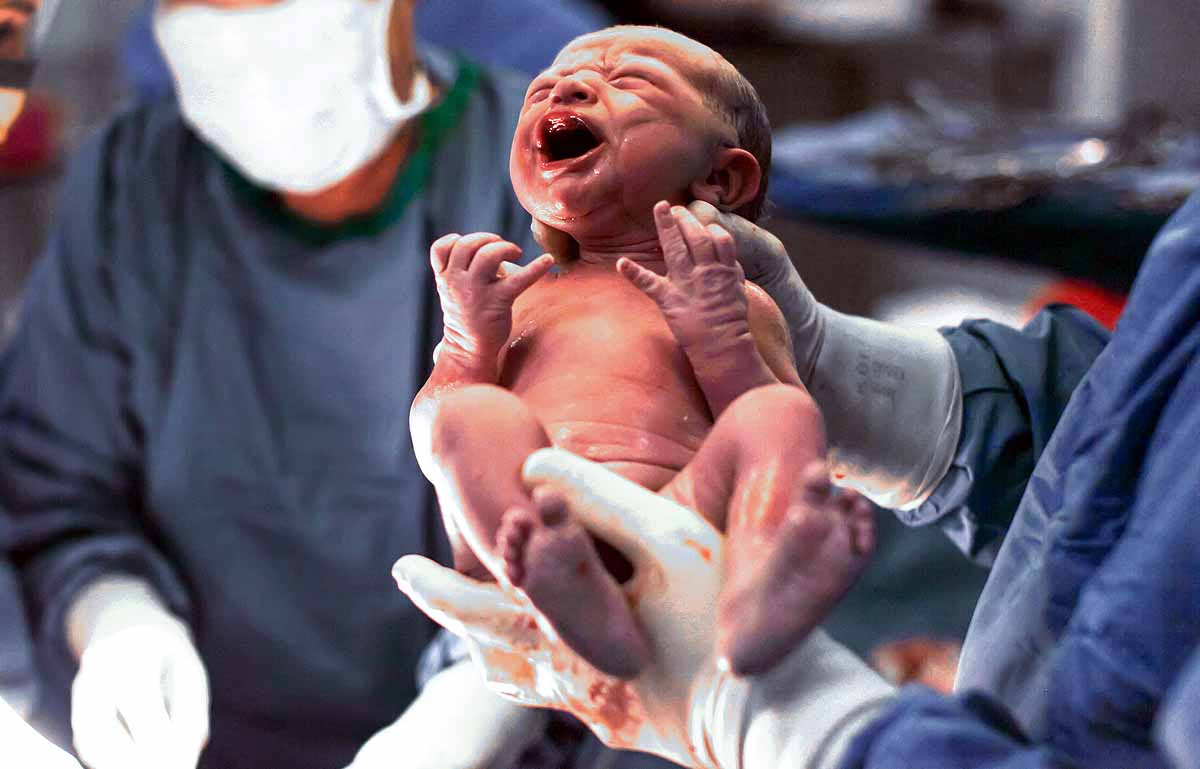
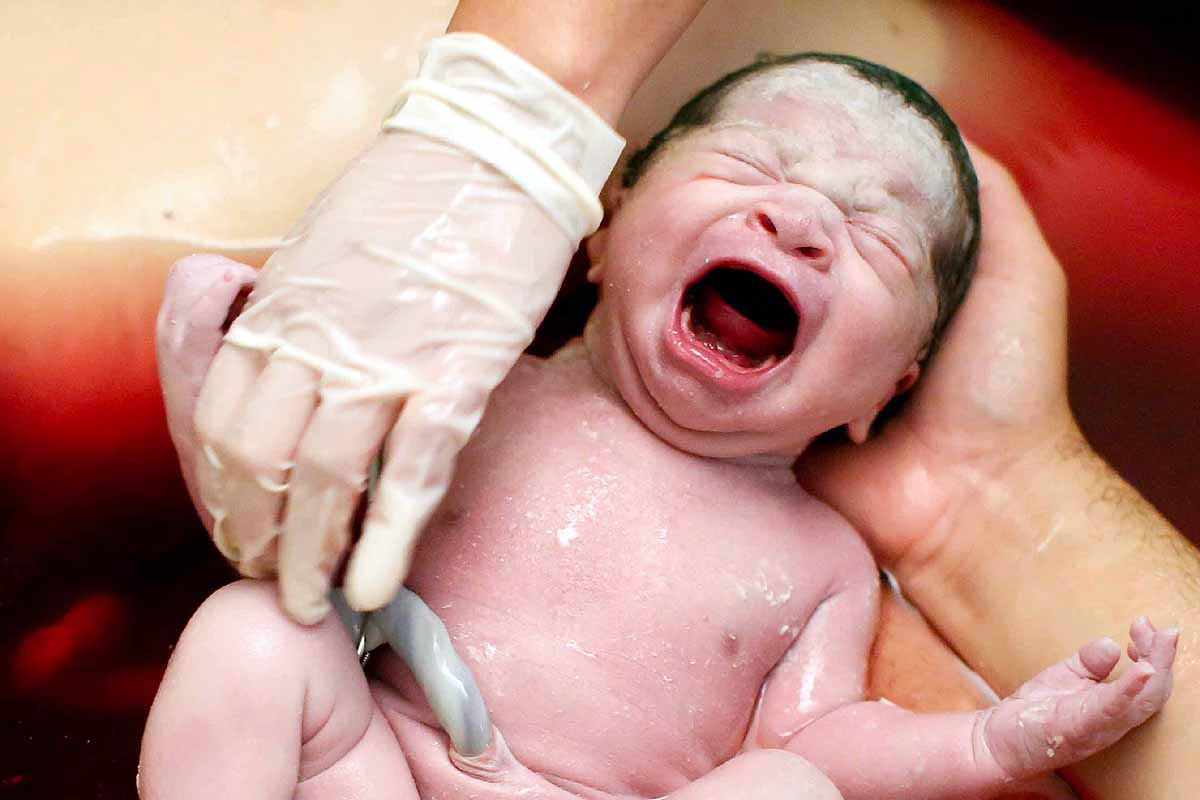
Crying follows breathing. As the baby’s lungs fill with air on the first breath, exhaling causes air to pass through the vocal cords, creating vibrations and the sound of crying. This act of crying indicates that the lungs are functioning properly and the baby is healthy.
If a baby does not cry initially, doctors may stimulate it to breathe by gently patting the back or rubbing the feet. Sometimes medical assistance is provided for breathing issues. Typically, most babies begin crying within 30 seconds to 1 minute after birth.
Source: aajtak
Fascinating truths about birth
In animals, breathing follows birth, then sound. Human crying is more pronounced due to larger lungs.
Do all babies cry? Some remain quiet but breathe. Doctors ensure the baby is well.
In twins, the first baby’s cry may prompt the other to cry.
Modern techniques like ventilators or CPR ensure breathing when necessary.
Action in case of issues
Failure to breathe or cry post-birth could signal a lack of oxygen, indicating a need for immediate medical attention. Maternal health, regular check-ups, and proper delivery help mitigate such complications. According to the World Health Organization, respiratory issues cause millions of newborn deaths annually, highlighting the need for awareness.
Celebrating Life's First Breath
The journey from the womb, marked by the first breath and then a cry, is nature's way of welcoming a baby to the world. This complex yet beautiful process reassures parents that all is well, signaling the start of life's incredible journey with that inaugural breath.