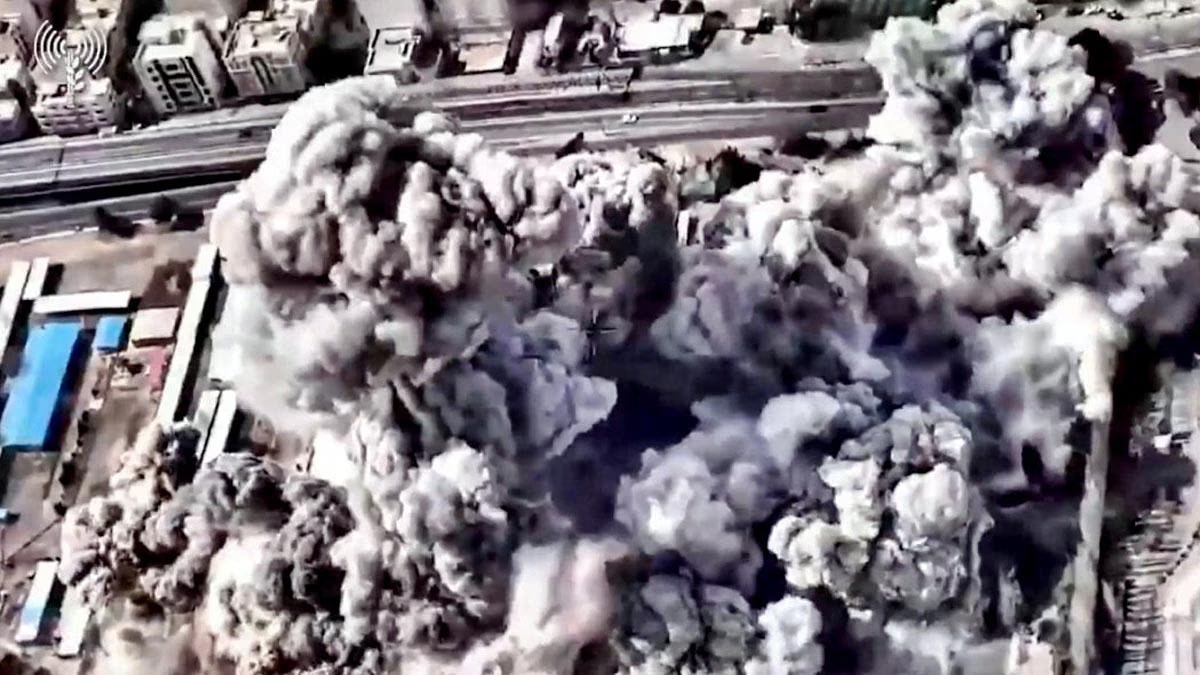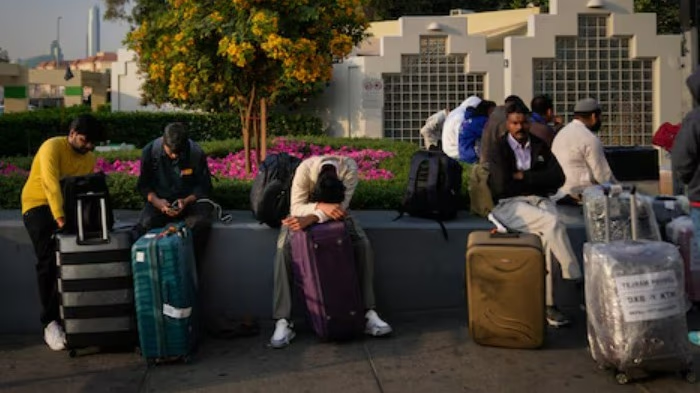
Rising tensions in the Middle East and the resultant airspace closures by multiple nations have severely impacted flights heading towards Western countries. Several airlines were forced to alter their routes, extending travel time and causing delays for passengers. Following the escalation, many countries took precautionary measures by closing their airspaces, prompting flights to Europe and North America to seek longer alternative routes. Some flights are now rerouting above Oman, Saudi Arabia, and Egypt, adding one to two hours to travel times.
Advice for Checking Flight Status
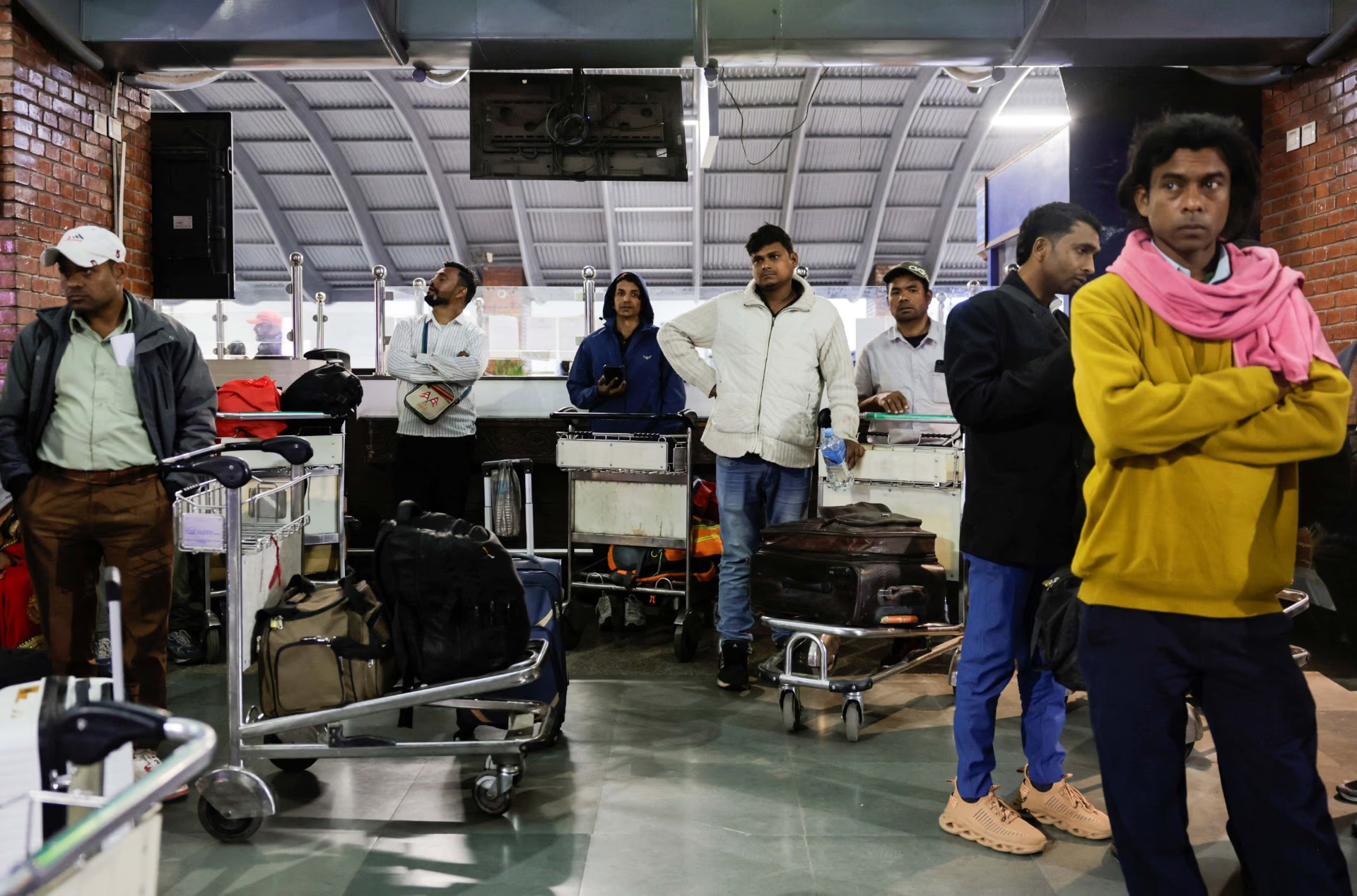
According to civil aviation authorities, hundreds of flights have been cancelled or diverted. Numerous international airlines have advised passengers to check the flight status beforehand. Transit passengers are also experiencing inconvenience due to changes in connecting flight schedules. Indian airlines are particularly affected; flights on routes like Delhi-London and other European paths are being operated via alternative routes, requiring additional technical halts for refueling.
Source: aajtak
Airlines emphasize safety as the utmost priority and plan to resume normal routes once circumstances stabilize. Experts predict ongoing tensions could further affect international flight times and costs. Presently, travelers are recommended to stay updated with their flight status through the airline's official website or customer service.
International Flights Significantly Disrupted
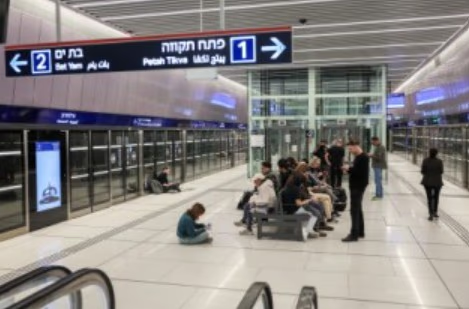
Amid rising military tensions in the Middle East, several key airports and countries have temporarily closed their airspaces, severely disrupting flight operations between Europe, Asia, and North America. Below is an overview of the major affected airports and their current status:
Source: aajtak
1. Dubai International Airport (DXB)
This top-tier international hub reportedly experienced nighttime disruptions due to attacks, impacting numerous flights.
2. Abu Dhabi International Airport (AUH)
Following drone attack reports, all departures were temporarily suspended.
3. Hamad International Airport (DOH)
Qatar's main hub has been closed since the evening of February 28.
4. Kuwait International Airport (KWI)
In response to drone threats, the airspace closure was initiated on February 28.
5. Baghdad International Airport (ORBI)
Airspace closure began on the afternoon of February 28, directly affecting the northern flight corridor between India and Europe.
6. Tehran Imam Khomeini International Airport (IKA)
Continuous airspace closure. Persian Gulf and the Gulf of Oman declared conflict zones.
7. Bahrain International Airport (BAH)
Airspace closed following a missile attack on the U.S. Navy's 5th Fleet headquarters, according to reports.
8. King Abdulaziz International Airport (JED)
Airspace is partially closed, permitting operations only through designated alternative routes.
9. Israel
The nation's airspace is declared closed until March 6.
10. Muscat International Airport (MCT)
An 18 nautical mile no-fly zone declared. A temporary new route is designated for flights from and to the UAE.
11. Sharjah International Airport / Ras Al Khaimah International Airport
Air Traffic Control (ATC) services are closed or limited until March 2.
Impact Assessment
Increased operational costs for airlines due to longer distances and additional fuel requirements. Experts suggest prolonged conditions might lead to ticket price hikes, along with potential impacts on cargo and international trade. In summary, regional tensions are visibly impacting both global air travel networks and passenger expenses.
Severe Discomfort for Transit Passengers
Experts warn that if regional tensions persist, further severe impacts on international air traffic could ensue. Travelers are advised to confirm their flight status with the airline prior to departure.