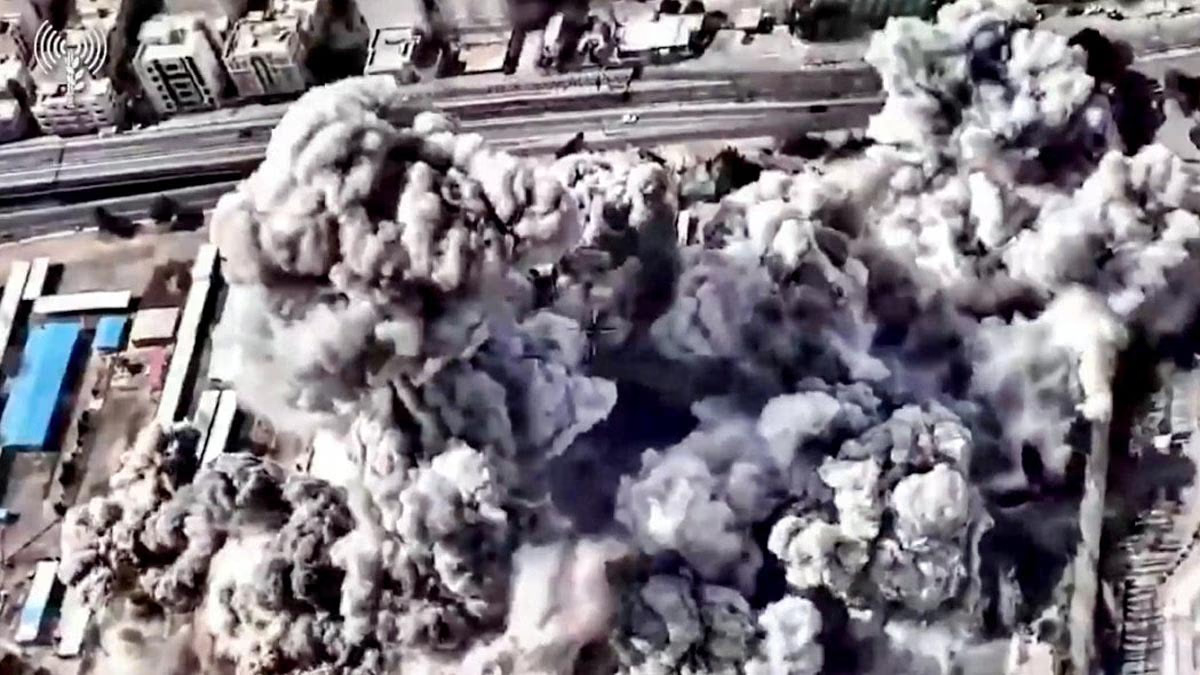
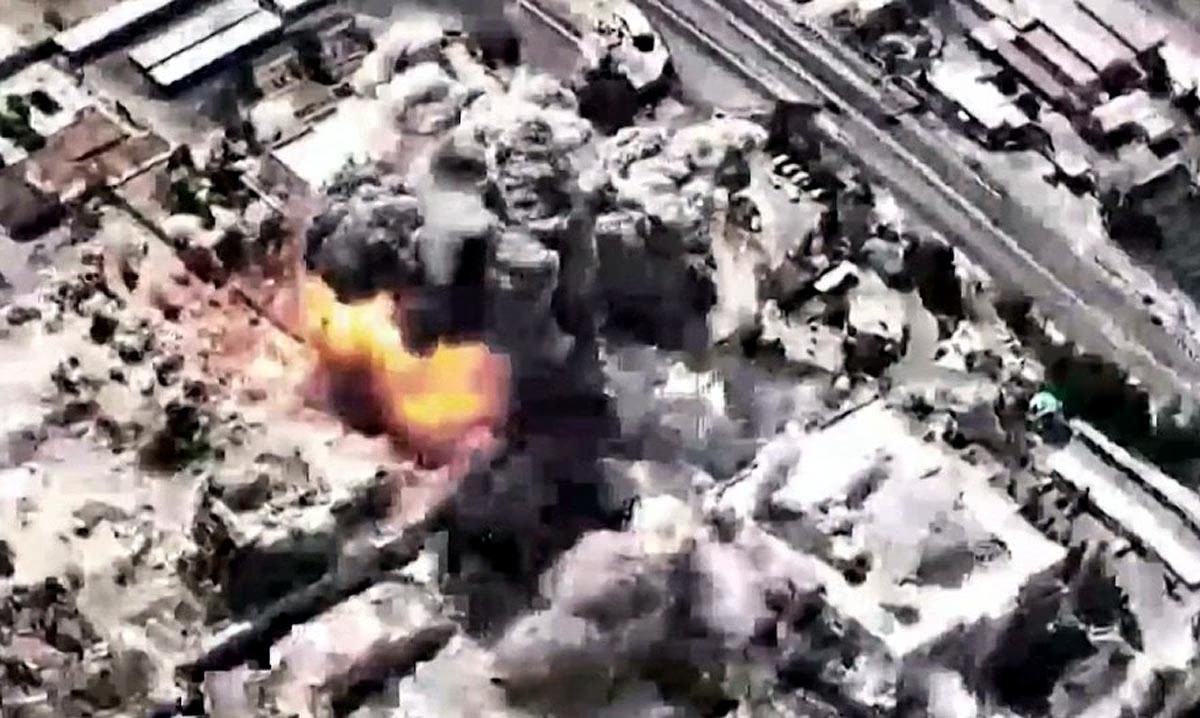
The airstrikes on Iran by the US and Israel have intensified, resulting in the loss of significant Iranian leaders, including Supreme Leader Ayatollah Ali Khamenei. In retaliation, Iran has launched missile and drone strikes. However, experts agree that Iran cannot sustain a high-intensity war for long.
The economic weaknesses, military limitations, and internal instability mean this war would be exceedingly costly for Iran. Despite its might in missiles and drones, it struggles against the air superiority and economic pressure exerted by the US and Israel.
Economic Pressure: Iran's Greatest Challenge
Iran's economy was already fragile. In 2018, the US exited the nuclear deal, imposing severe sanctions. Oil exports, Iran's primary income, have plummeted. As the currency devalues and inflation rises, everyday life becomes increasingly challenging for Iranian citizens.
If the war continues, oil production and exports will suffer further. Iran will need more funds for weapons, fuel, and necessities, exacerbating its economic woes. Prolonged conflict could ignite public dissent against the government.
Military Strength and Limitations
Iran boasts the region's largest missile stockpile, with thousands of ballistic and cruise missiles and drones. Despite advancements, experts warn that a prolonged conflict could quickly deplete Iran's defense systems, missile reserves, command centers, and energy infrastructure.
Iran lacks modern combat aircraft. US stealth fighters like the F-35 and F-22 can easily enter Iranian airspace. The US-Israel air superiority is overwhelming, and their strategic advantage is only growing.
Source: aajtak
Domestic Instability: A Major Threat
The biggest threat to Iran lies within. A prolonged war would further strain the economy, increase inflation, reduce employment, and make life harder for citizens. Iran has witnessed major protests in recent years. An extended war could redirect resources to the battlefield, causing public suffering and potentially sparking widespread anti-government movements.
Leadership Decapitation Strategy and Iran's Preparation
The US and Israel have deployed a decapitation strategy, targeting leaders like Khamenei to weaken organizational strength. However, Iran has long prepared for such attacks. Command systems are dispersed across multiple layers, with the IRGC, military, clerics, and proxy groups working independently.
Many command centers are underground, and missile units are strategically distributed. Losing a few key leaders does not instantly collapse the entire system. Iran's proxies, such as Hezbollah and the Houthis, may also continue the fight. Yet, over time, economic and social pressures will mount against Iran.
Time Works Against Iran
While Iran can endure minor setbacks and conduct counterattacks, a prolonged, high-intensity war would be too costly. Economic weaknesses, lack of aerial strength, and internal instability make time unfavorable for Iran. Experts suggest Iran may sustain conflict for weeks or months, not years. A prolonged war would drive Iran toward economic and social collapse. Thus, Iran's best option is a swift compromise or peace to avoid extended damages.