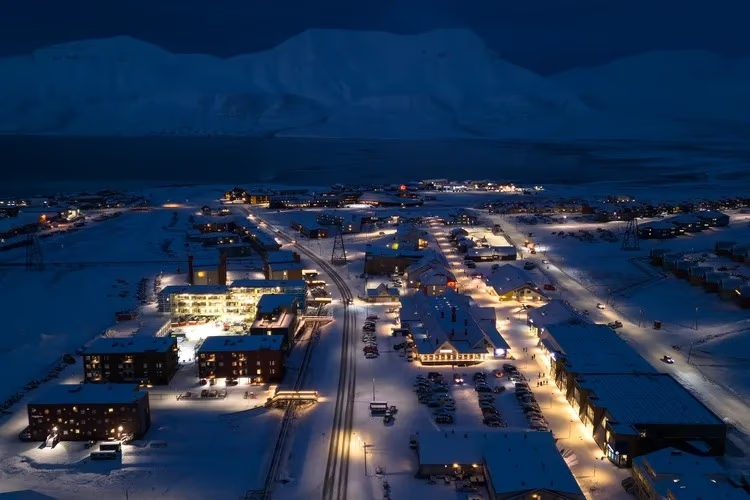
Imagine setting out for the office at 8 AM, only to be met by a midnight-dark sky. Even during a lunch break, the stars continue to twinkle, and the same silence greets you as you head home. While many feel down with just a cloudy day or a bout of rain, around 2,500 people in Norway's Longyearbyen spend four continuous months, from November to February, enveloped in such darkness.
Scientifically referred to as the 'Polar Night,' here the sun shies away, and the world relies on artificial light. Our daily routines revolve around the sun's first rays, but for them, time is a mere number. Elsewhere, sunrise brings freshness, but not here. Residents depend on Vitamin D supplements and special light therapy lamps to fool their bodies into feeling it's daytime.
Source: aajtak
Elsewhere, Sunday means picnic, but here it means battling snowstorms indoors, keeping busy. The long darkness heightens irritability and depression risks. To combat this, locals embrace a philosophy called 'Koselig.'
Much like our idea of 'coziness,' homes are adorned with countless candles, warm coffee, and wool blankets. Rather than curse the dark, they celebrate it as a festival, with nightly gatherings for music, board games, or storytelling.
Chasing Northern Lights on Snowmobiles
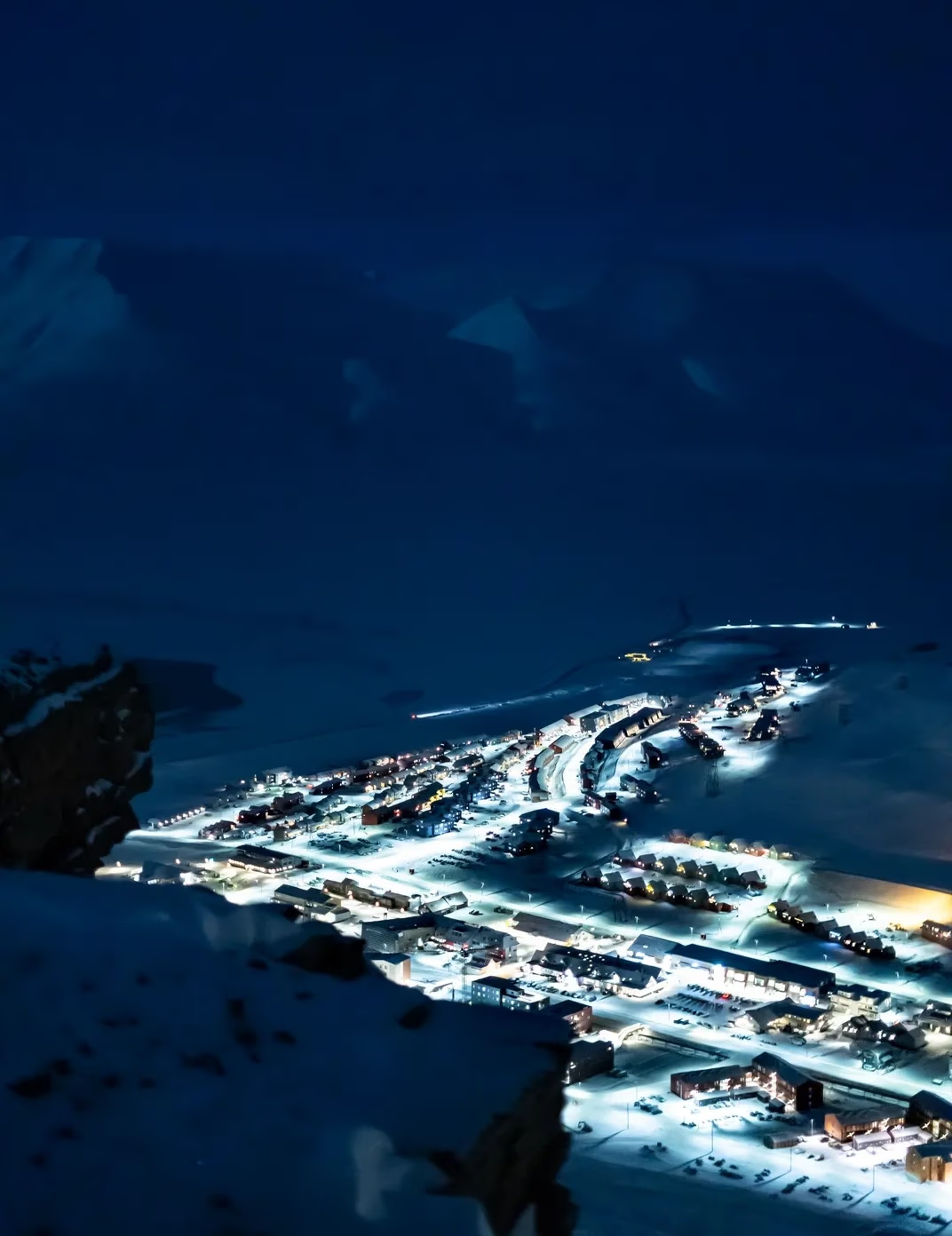
One way they combat loneliness is through community dinners, embracing the unique diversity of 50 nations, primarily for research or mining. Despite the vast diversity, the sense of community is remarkable. During these dark months, their social life is more vibrant than most. They ride snowmobiles to distant icy landscapes to witness the Northern Lights. What we consider a wonder, they see as a nightly stroll. Music festivals like 'Polar Jazz' ensure the city reverberates with sound, not silence.
Source: aajtak
Also read:
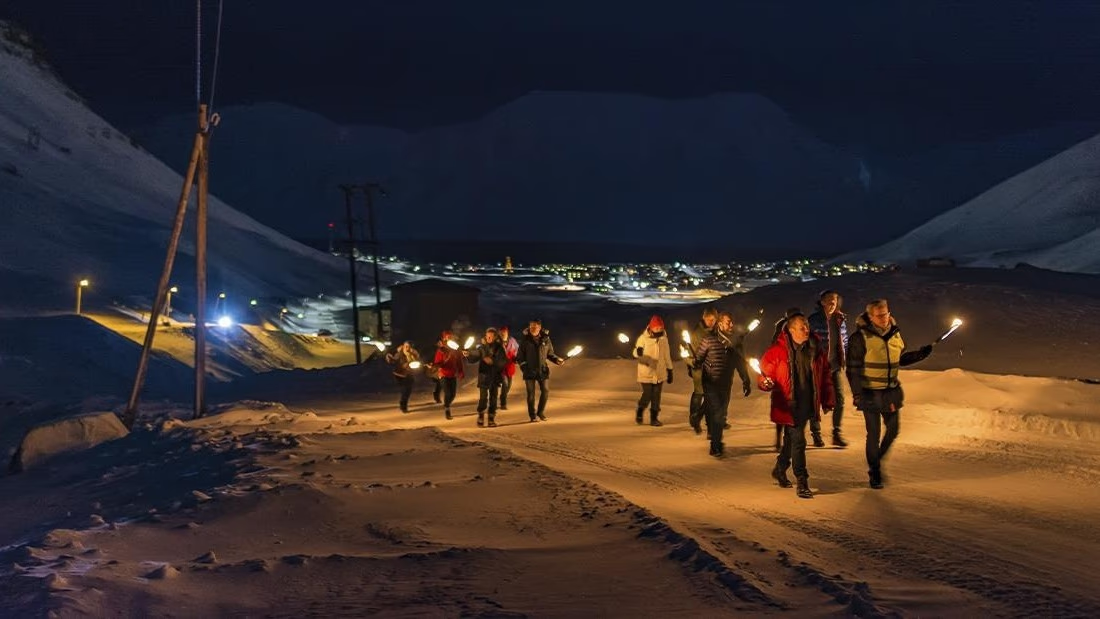
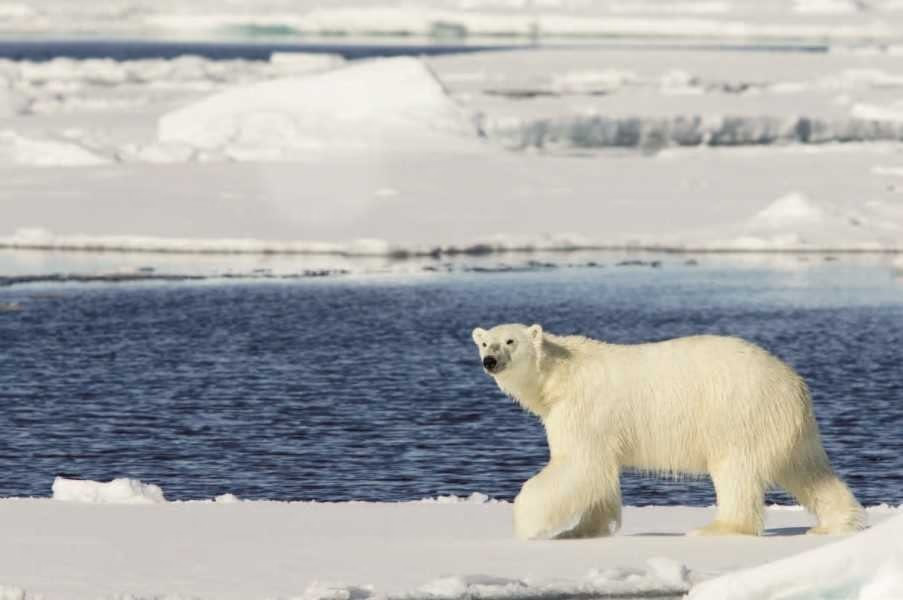
The most intriguing part of their routine? 'Safety in the dark.' Leaving home under the dark sky means battling biting cold temperatures that can plummet to minus 30 degrees and staying vigilant against polar bears, more populous than humans. The danger heightens in darkness, having people wear headlamps and reflective jackets. It's common for strangers to exchange greetings on streets, as each soul is a beacon here.
A fascinating tradition occurs when the sun's rays first strike at the old hospital's stairs in late February – the town celebrates 'Solfestuka.' This emotionally stirring moment reminds everyone, regardless of how long the night lasts, sunlight inevitably returns.
Source: aajtak
The 'dark night' of Svalbard teaches us that happiness doesn't hinge on circumstances. While we grapple with minor inconveniences, these residents face months of darkness with love, celebration, and community. This island's significance goes beyond the 'Doomsday Vault,' celebrating the resilience of those who have adapted to one of nature's toughest challenges.