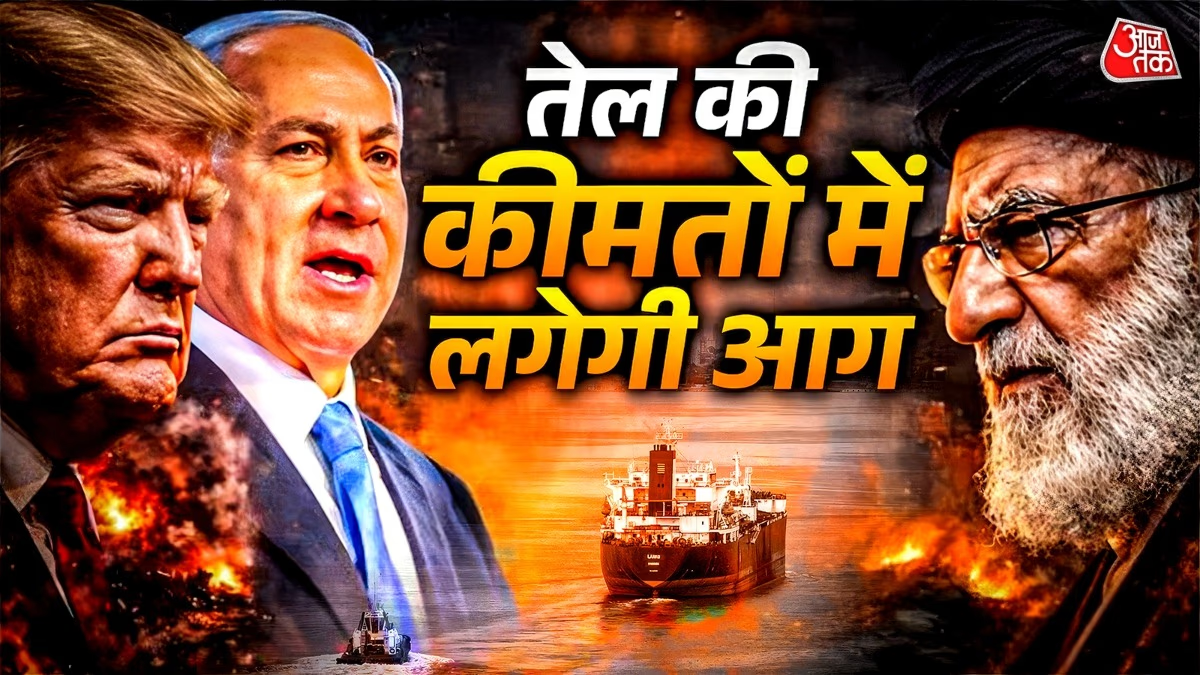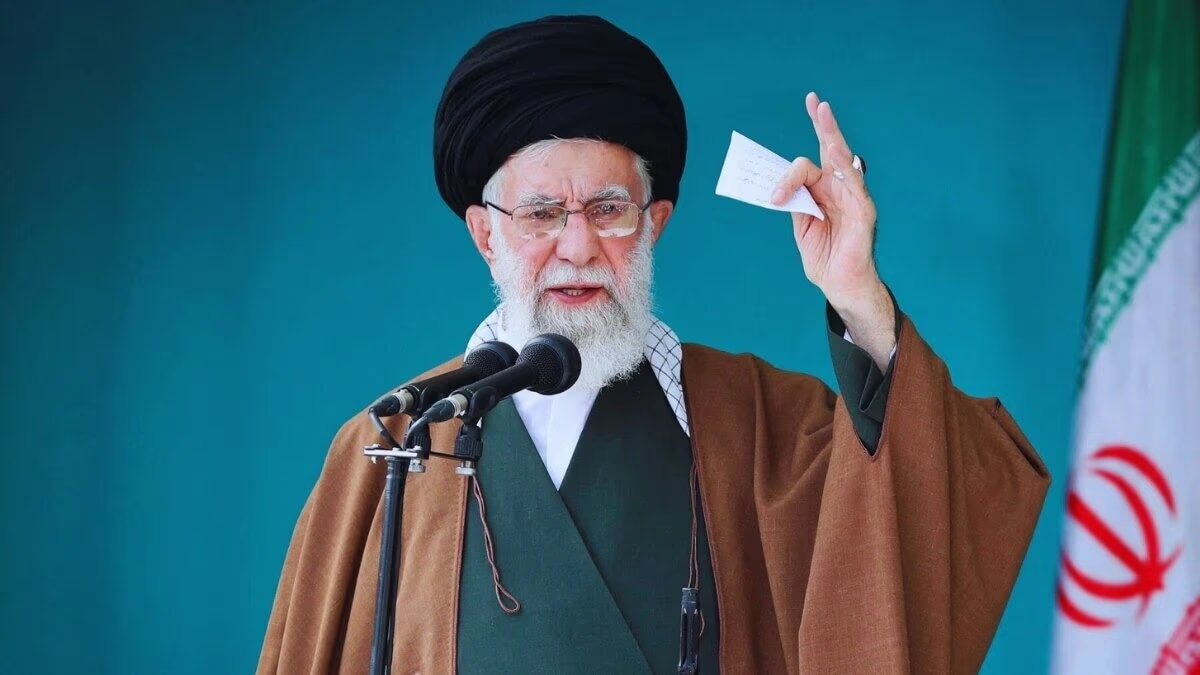
Iran's Supreme Leader Ayatollah Ali Khamenei has died in an Israeli-American strike, marking the end of a significant era in the Middle East at age 86. For 37 years, Khamenei was a pivotal figure in Iranian politics, recognized globally as a leading force in Shia politics.
Khamenei was born on April 19, 1939, in Mashhad, Iran, to a humble cleric family. From a young age, he pursued religious education, moving to Qom in the 1950s where he became a cleric at just 11 years old.
During his time in Qom, Khamenei met Ayatollah Ruhollah Khomeini, the architect of the Islamic Revolution. Khomeini’s teachings profoundly influenced Khamenei, who became one of Khomeini's most trusted students.
Source: aajtak
Assassination Attempt on Khamenei
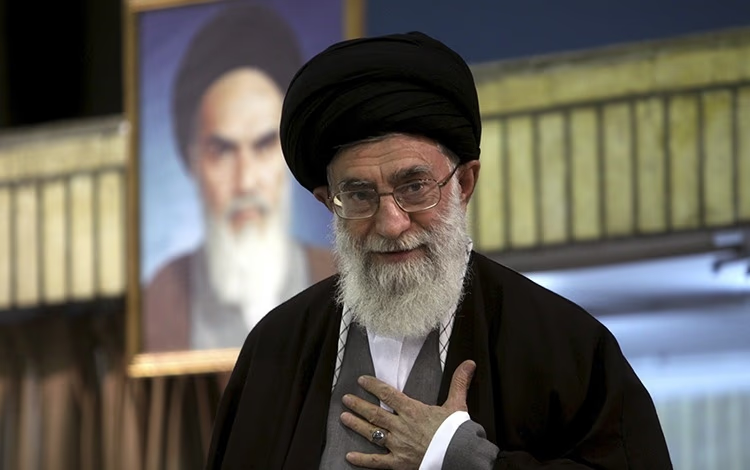
Khamenei was actively involved in the protests against the Shah of Iran during the 1960s, resulting in six arrests and imprisonment. The Iranian Revolution of 1979 brought him into prominence as a robust pillar of the new government. In 1981, a bomb attack during a press conference left his right hand permanently paralyzed.
Advisor and Revolution Builder: Who Will Lead Iran Now?
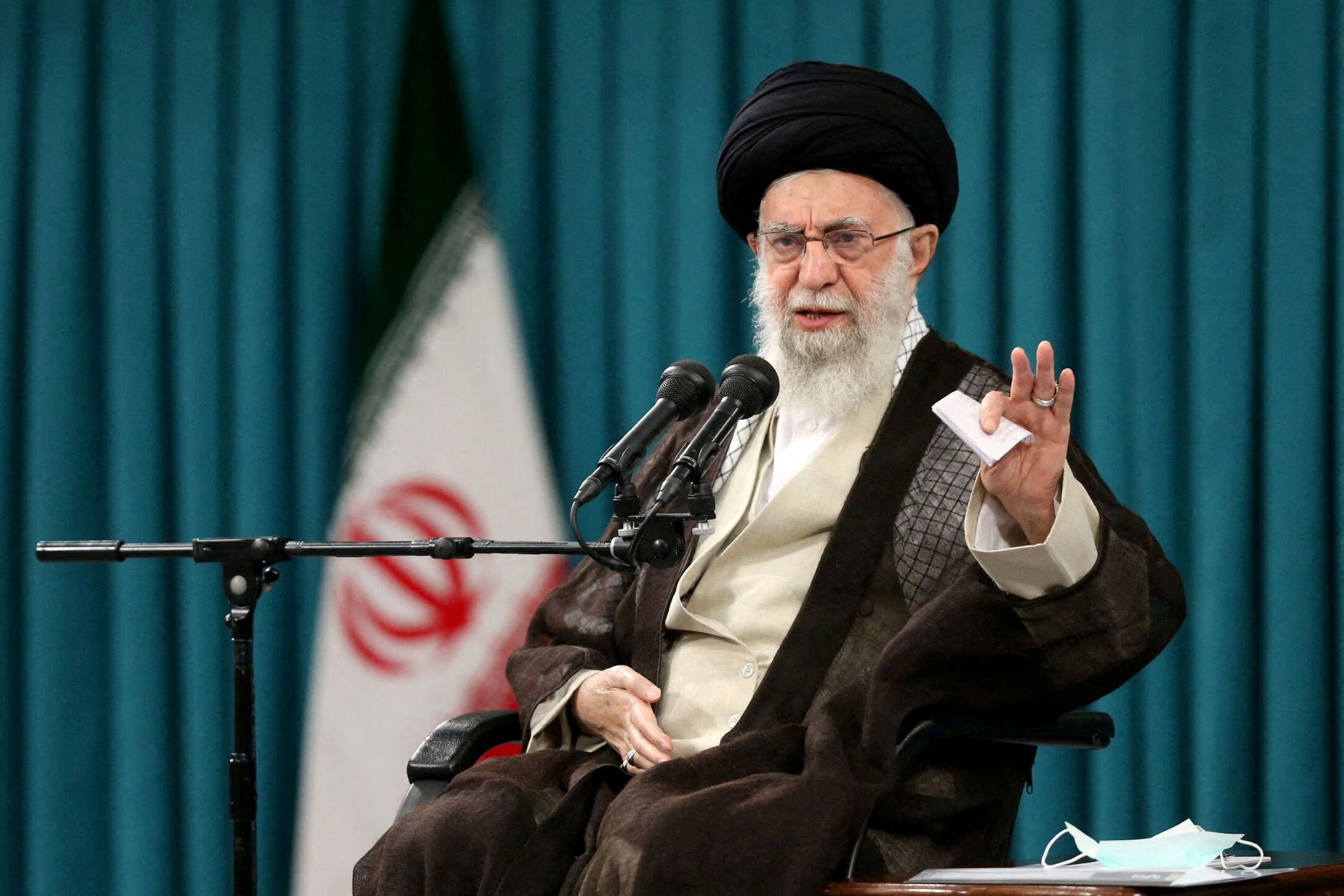
Khamenei was appointed Iran's Deputy Defense Minister, where he founded the Islamic Revolutionary Guard Corps (IRGC), now Iran's most powerful military entity.
Source: aajtak
Presidency and the Iran-Iraq War:
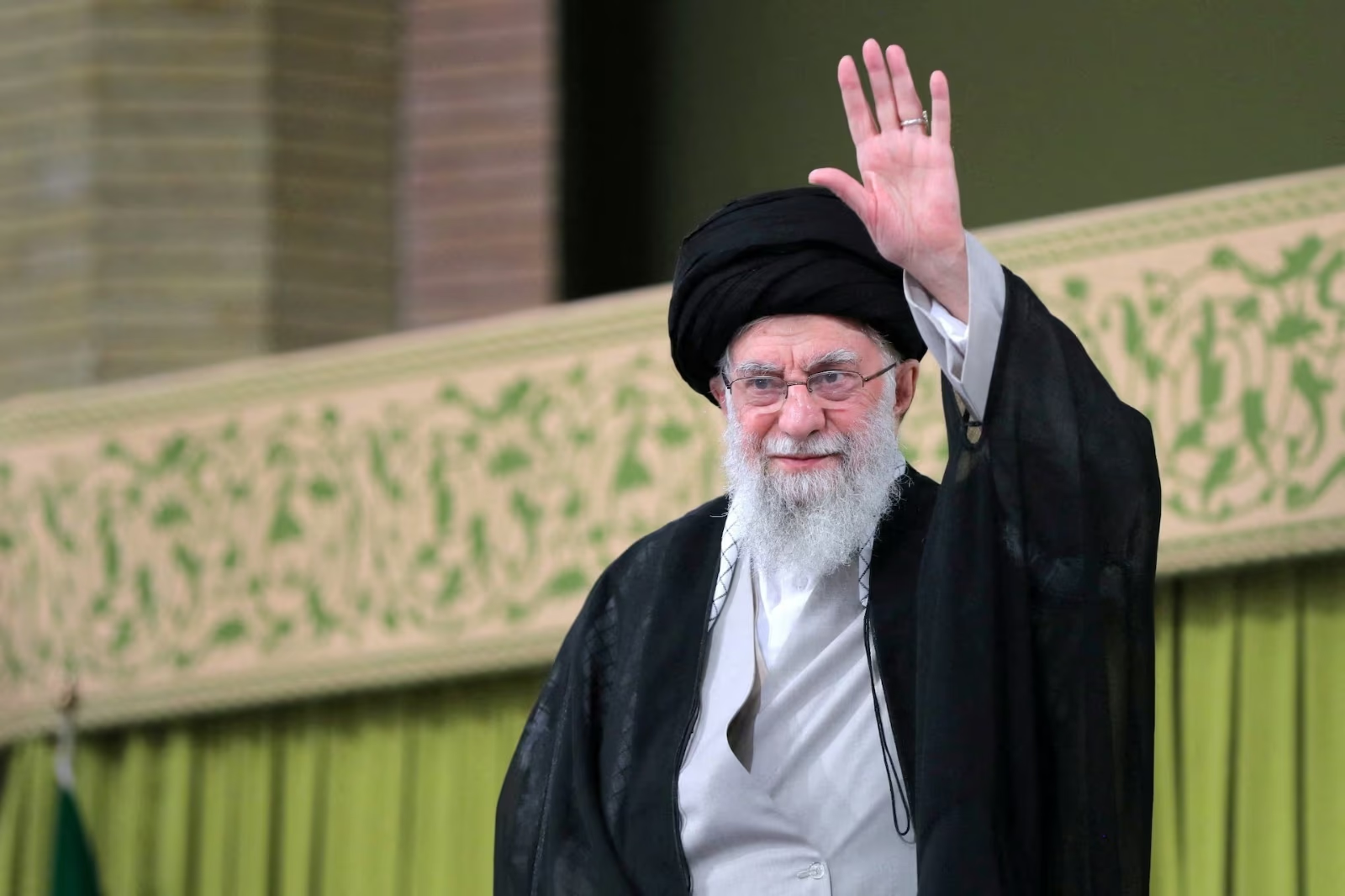
In 1981, Khamenei became Iran's president, a role he held for around eight years. This period saw Iraq's dictator Saddam Hussein invading Iran, igniting an eight-year conflict between the two nations.
Source: aajtak
Appointment as Supreme Leader:
After Ayatollah Ruhollah Khomeini's death in 1989, Ali Khamenei was appointed Iran's new Supreme Leader. Under his leadership, Iran’s nuclear program advanced rapidly, straining relations with the US and Israel. Khamenei was known for his unwavering and hardline approach.
Future of Iran:
With Khamenei’s passing, the focus shifts to his successor. Iran may soon announce a new Supreme Leader, with candidates like Khamenei’s son Mojtaba Khamenei and Khomeini’s grandson Hassan Khomeini being considered. However, the election will be decided by the 'Assembly of Experts' with significant input from the IRGC.