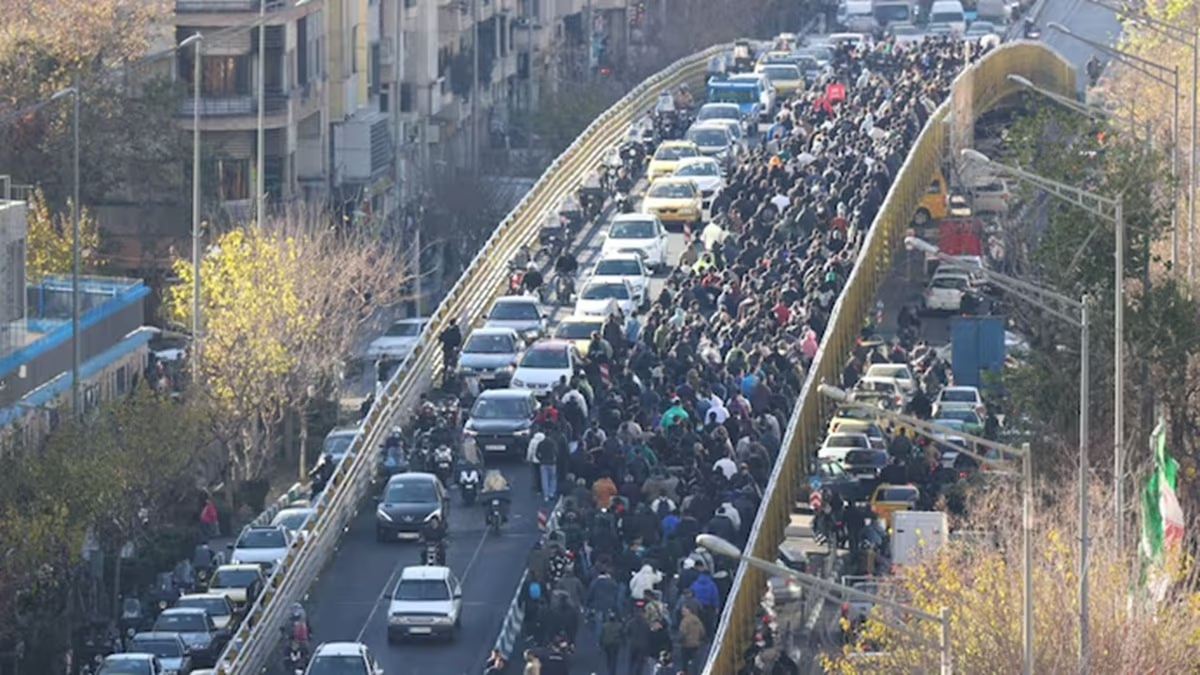
Once again, Iran is navigating through a serious economic and social turmoil. The country's currency, the rial, has plummeted to a new record low against the US dollar, sparking widespread protests across the capital, Tehran, and several major cities. This movement is considered the largest public outrage in Iran in the past three years.
According to state television, the head of Iran's Central Bank, Mohammad Reza Farzin, has resigned amid mounting pressure. The rial's value has fallen to approximately 1,420,000 per dollar, causing chaos in the markets.
Traders and shopkeepers are protesting around the main bazaar areas of Saadi Street and the Grand Bazaar in the capital. Many merchants have closed their shops and urged others to shut down operations.
State media has confirmed that besides Tehran, protests are ongoing in major cities such as Isfahan, Shiraz, and Mashhad. Police have used tear gas to disperse crowds.
Read more: 'Mullahs, leave the country, the grave of the dictator will be dug...', is America and Israel's final game starting in Iran?
These demonstrations are considered the largest since the extended protests that followed Mahsa Zhina Amini's death in police custody in 2022. This time, rising inflation and the depreciating currency are the primary reasons behind the unrest. Official data shows that inflation surged above 42% in December, with food prices soaring by 70%.
The roots of Iran's economic crisis also lie in international sanctions. During the 2015 nuclear agreement, the rial was stable, but since the U.S. withdrawal from the agreement in 2018, economic pressures have escalated continuously. Recent regional tensions and new sanctions have deepened the crisis.