Source: aajtak
In the final week of November, as Cyclone Senyar veered towards the Malacca Strait, none could foresee the catastrophic destruction it would unleash.
Photo: AP
Source: aajtak
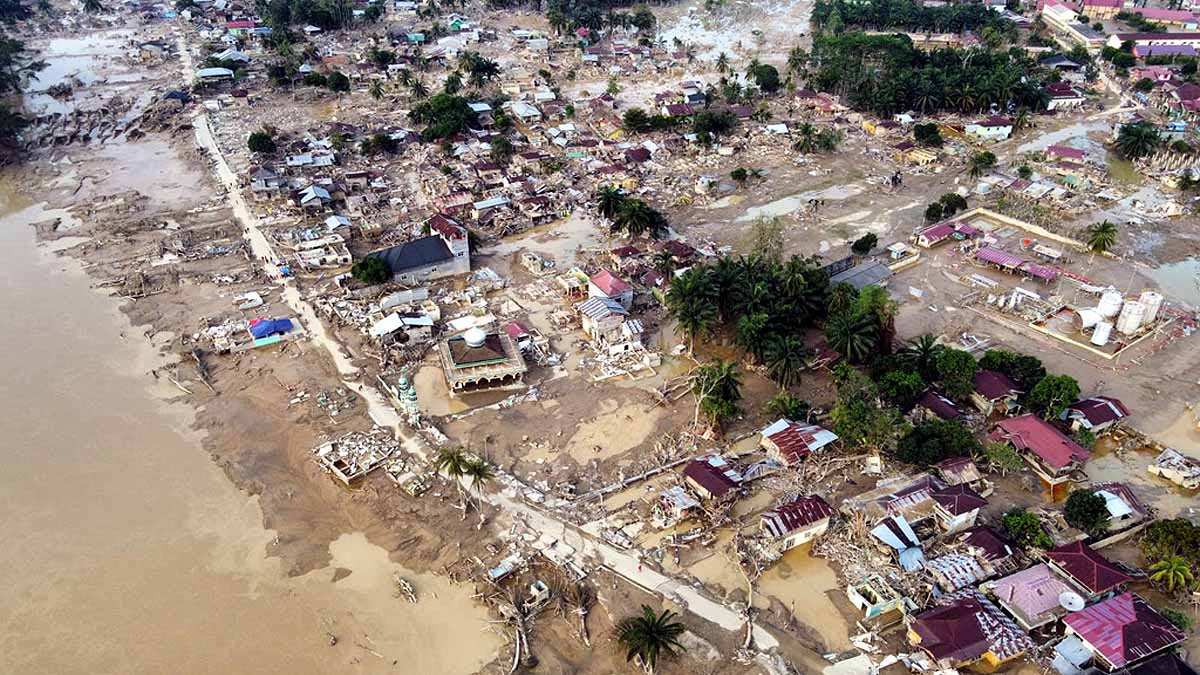
For three relentless days, the island of Sumatra in Indonesia was battered by incessant rain, pouring down 16 inches (40 cm) in just a single day. The result? Entire villages vanished overnight.
Photo: AP
Source: aajtak
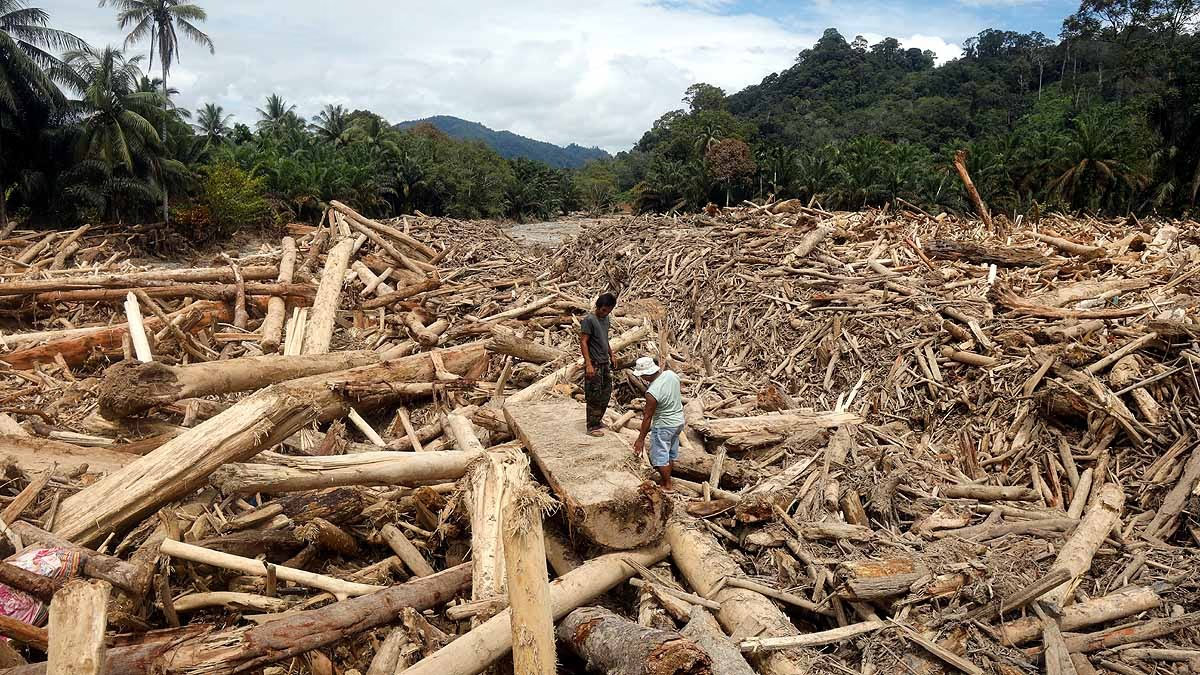
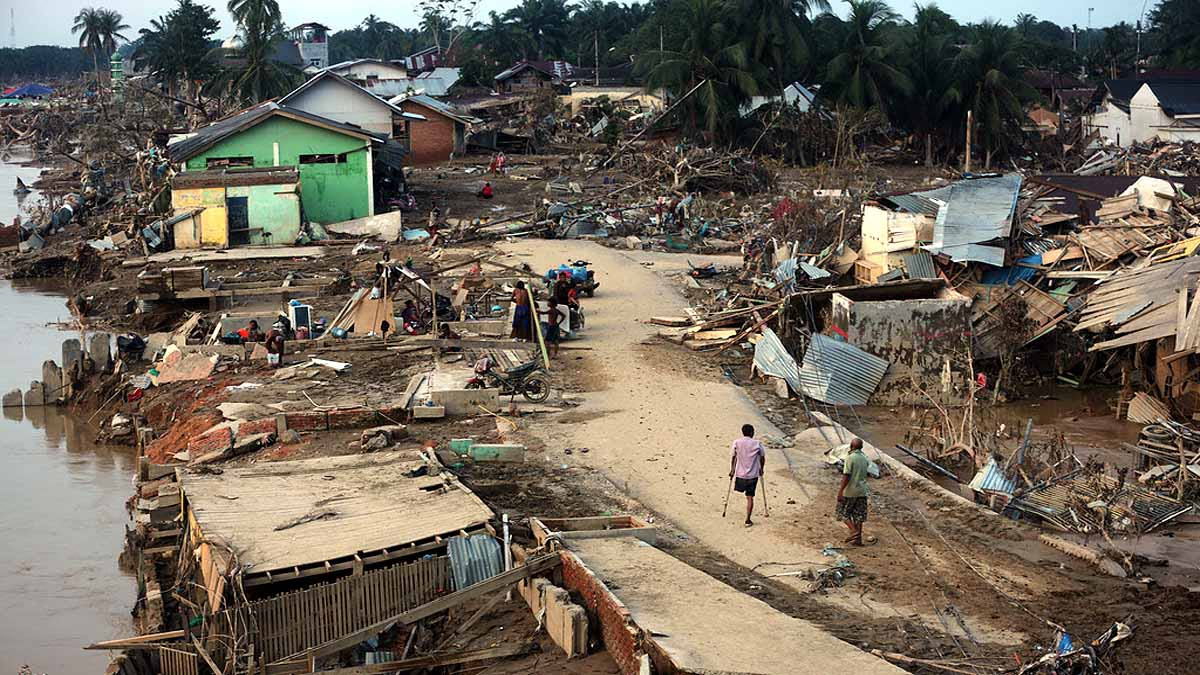
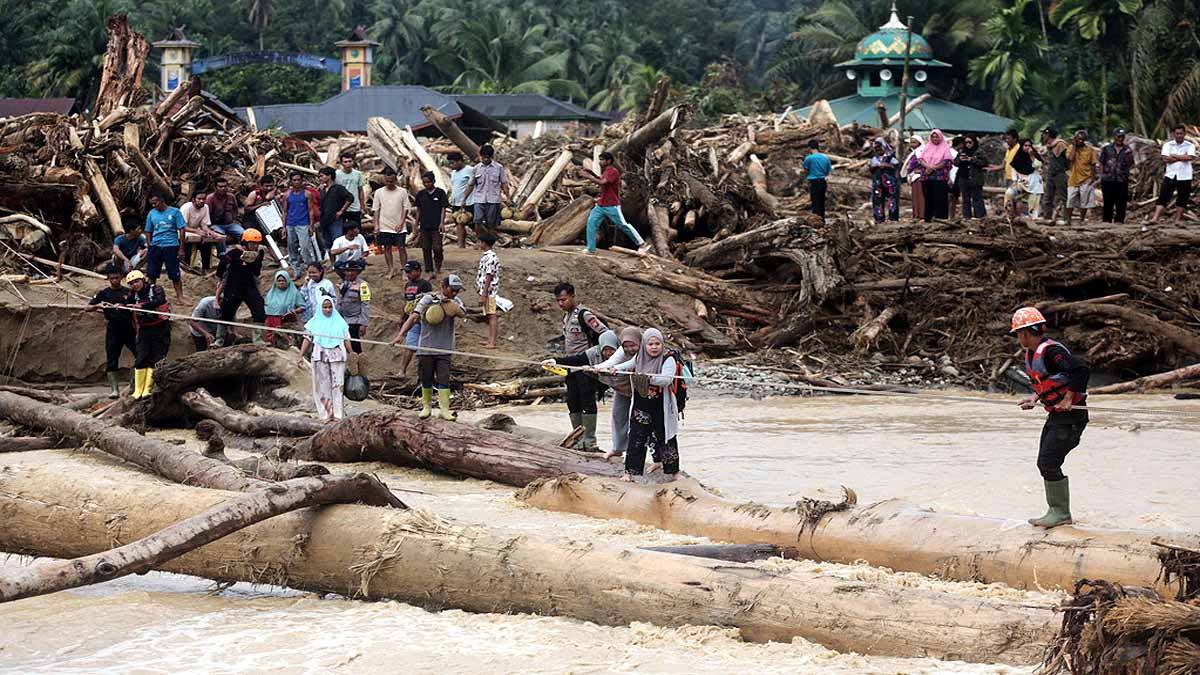
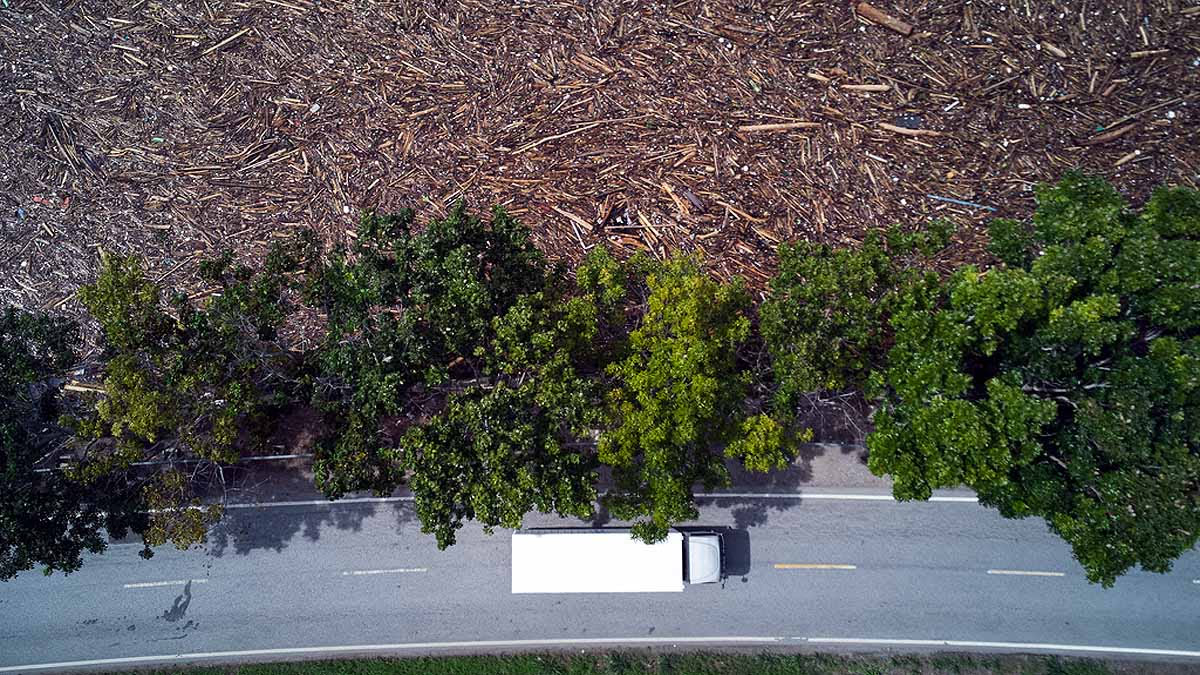
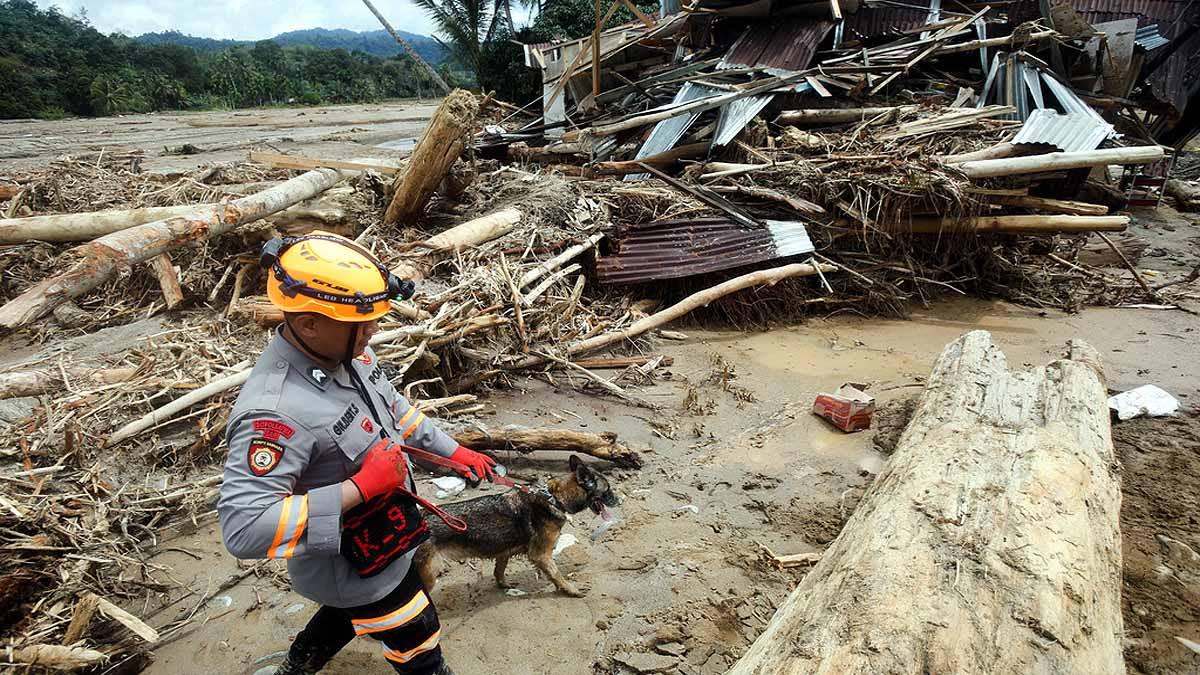
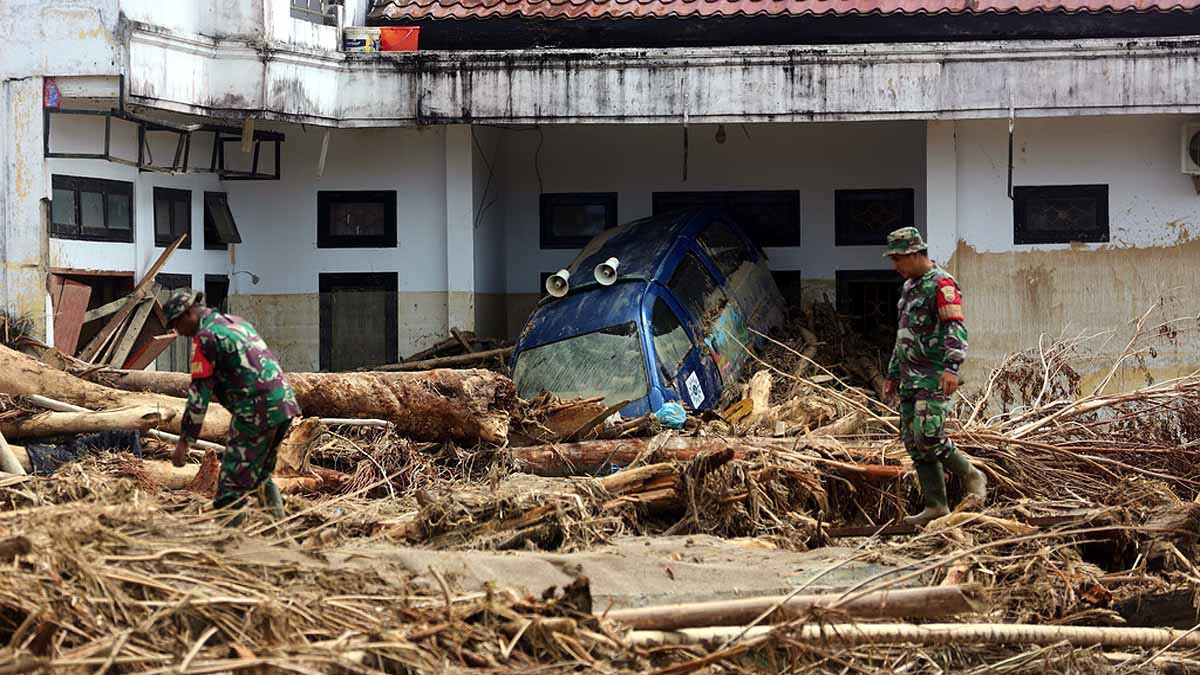
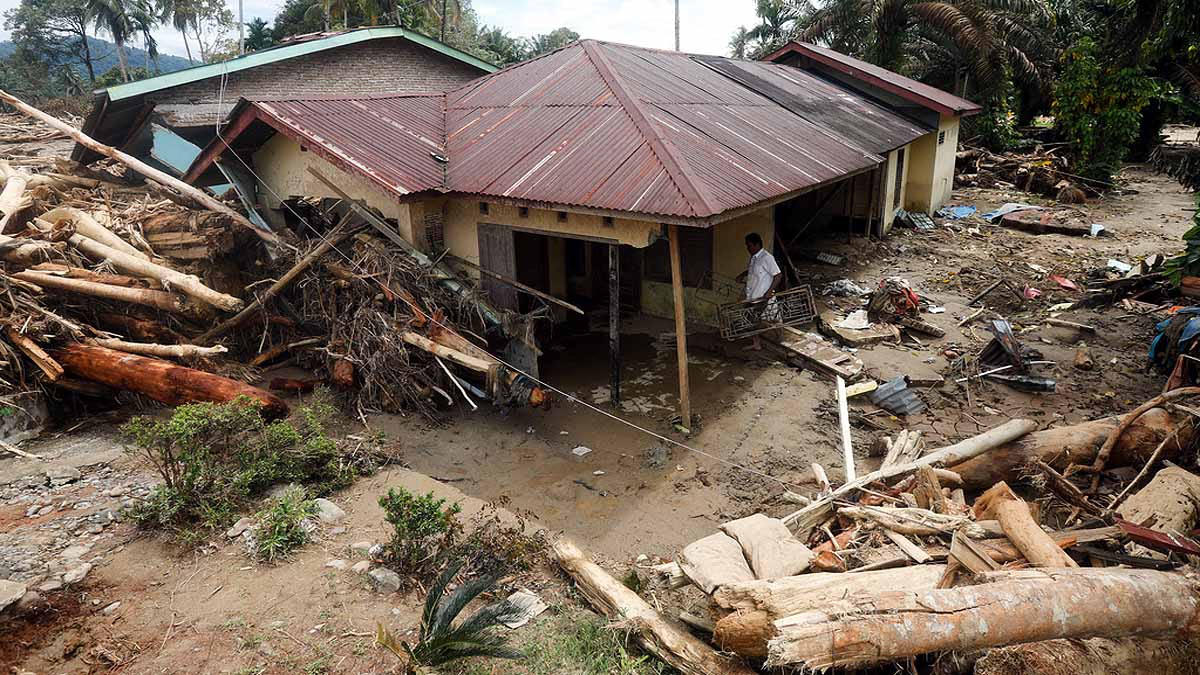
836 lives were tragically lost, with 518 more missing and 2700 injured. Countless have been left homeless. The terrifying sight of massive logs sweeping through homes is etched in memory, akin to a gigantic wooden mallet wreaking havoc.
Photo: AP
Source: aajtak
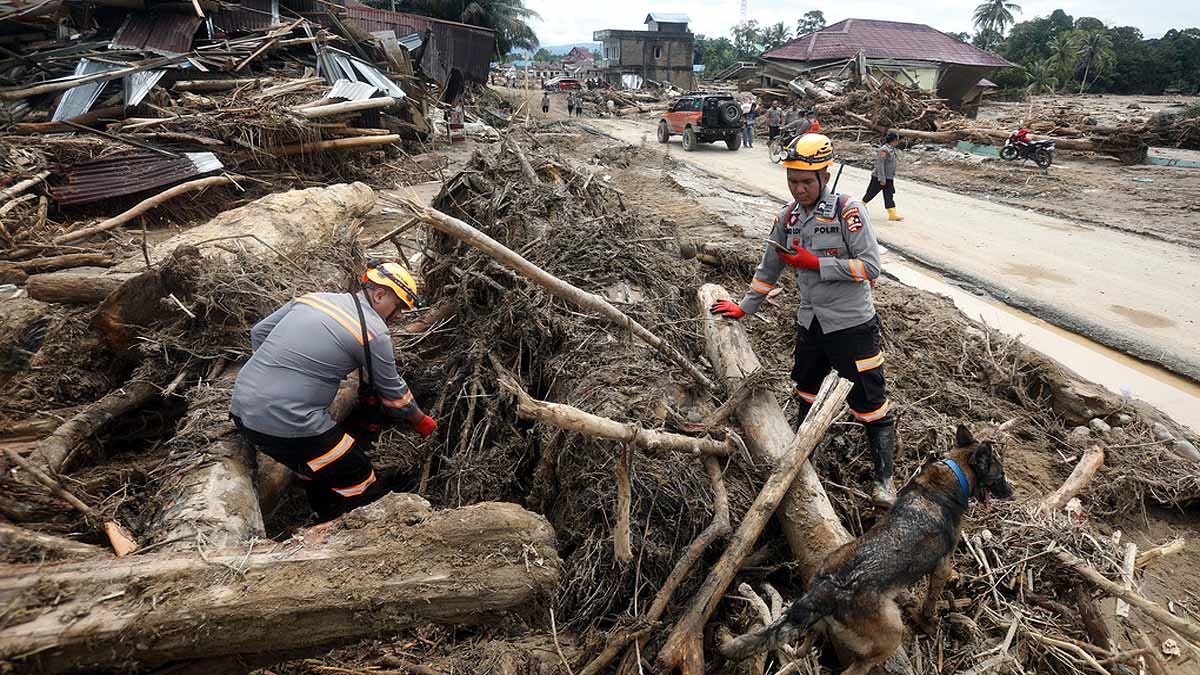
Volunteer Sarma Hutajulu, working in North Sumatra's Tukka district, recounted scenes of roads lined with debris – timber that invaded homes, leaving a path of destruction.
Photo: AP
Source: aajtak
Scientists argue that rampant deforestation is the core of the disaster. Forests act as a natural barrier; their roots absorb vast quantities of water. An average large tree can absorb up to 500-1000 liters of water daily.
Photo: AP
Source: aajtak
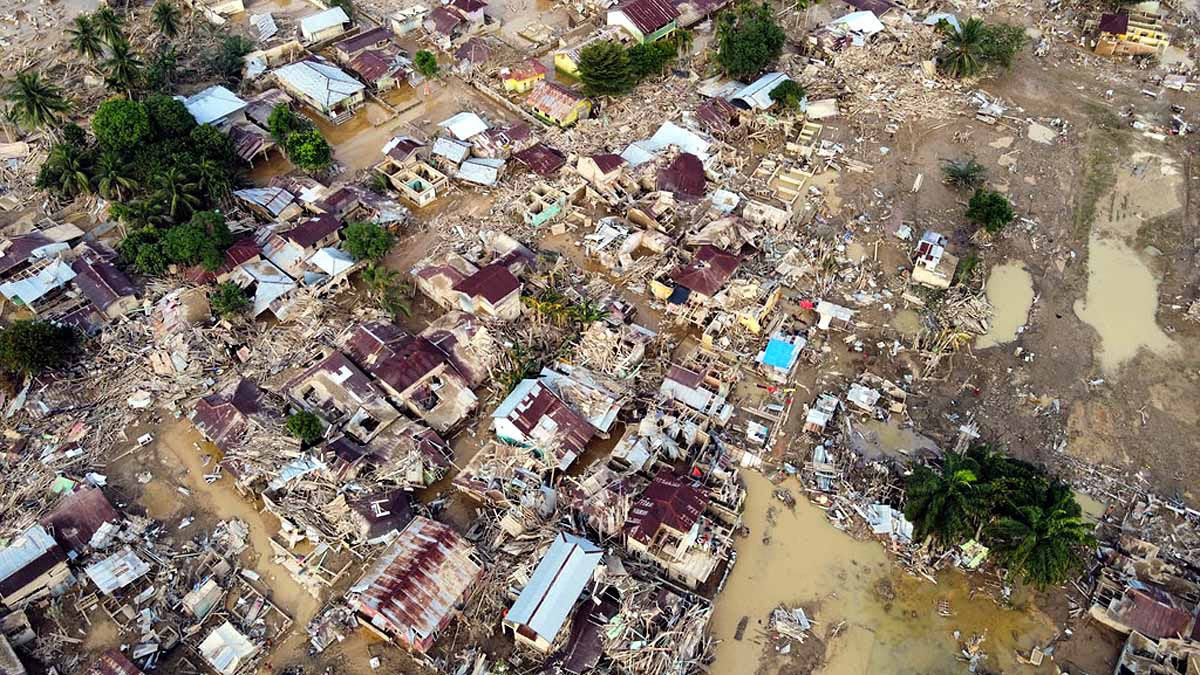
With forests, 30-40% of rainfall remains contained. Forest roots bind the soil together. Without them, landslides on slopes increase tenfold.
Photo: AP
Source: aajtak
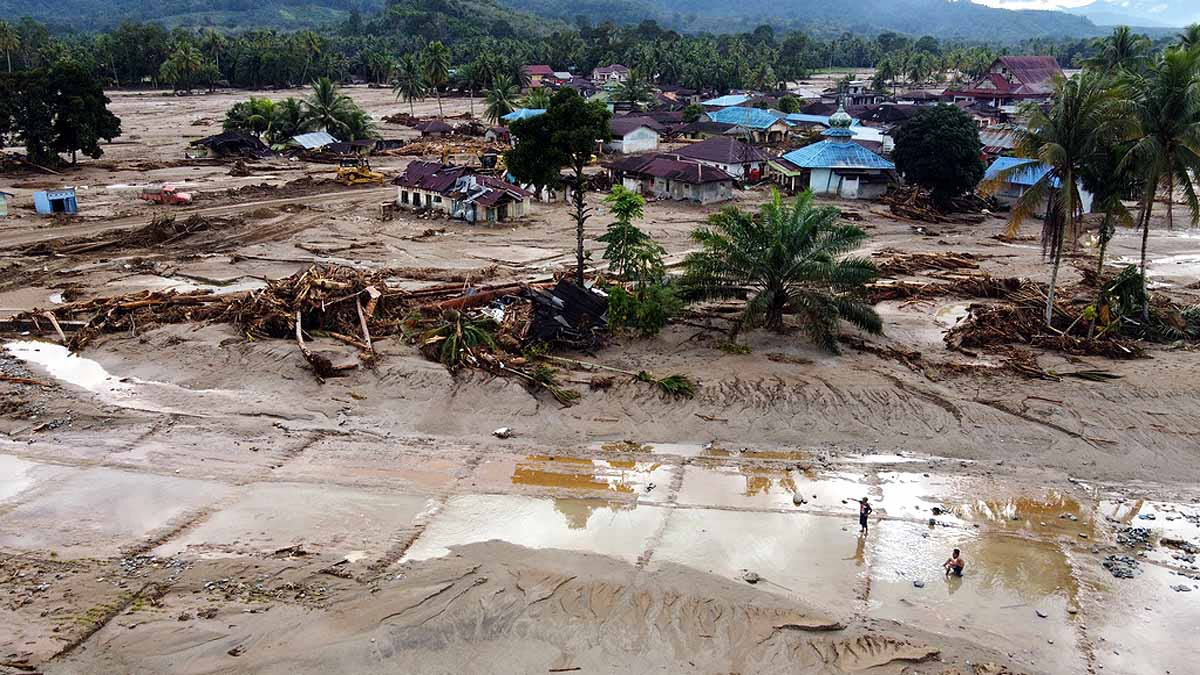
This devastation wasn't simply due to rain and a cyclone – it was nature's revenge for 30 years of deforestation. Sumatra once boasted some of the densest tropical forests; now, barren mountains and palm oil plantations dominate.
Photo: AP
Source: aajtak
Over the last two decades, more than 35% of Sumatra's forests have vanished, primarily for palm oil and paper industries. Felled trees lay strewn on hillsides, swiftly carried by torrents during heavy rains, obliterating everything in their path.
Photo: AP
Source: aajtak
In 1985, over 60% of Sumatra was forested. By 2000, it dropped to 48%. Predictions for 2025 estimate just 26% will remain. Over the last 40 years, 74% of these forests have disappeared, with 500,000-600,000 hectares cleared annually – an area double that of Delhi each year.
Photo: AP
Source: aajtak
Why was Cyclone Senyar so ferocious? Climate change has warmed the Indian Ocean, leading to intensified rainfall. The La Niña phenomenon increased this year's rainfall by 20-30%.
Photo: AP
Source: aajtak
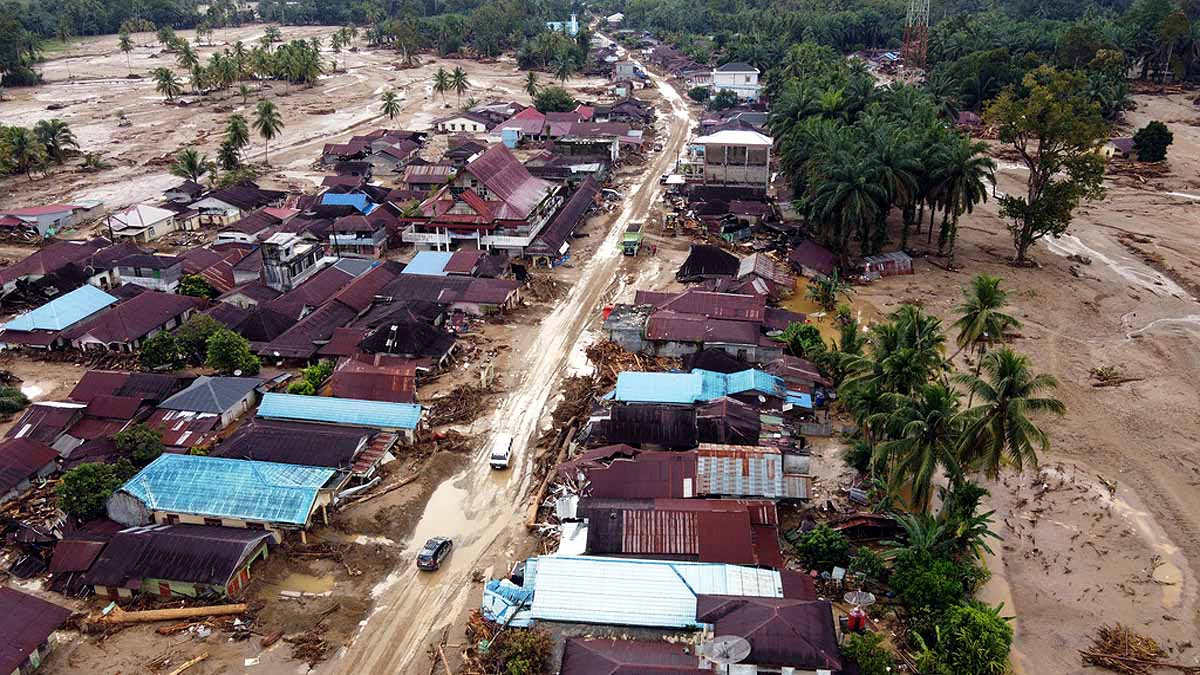
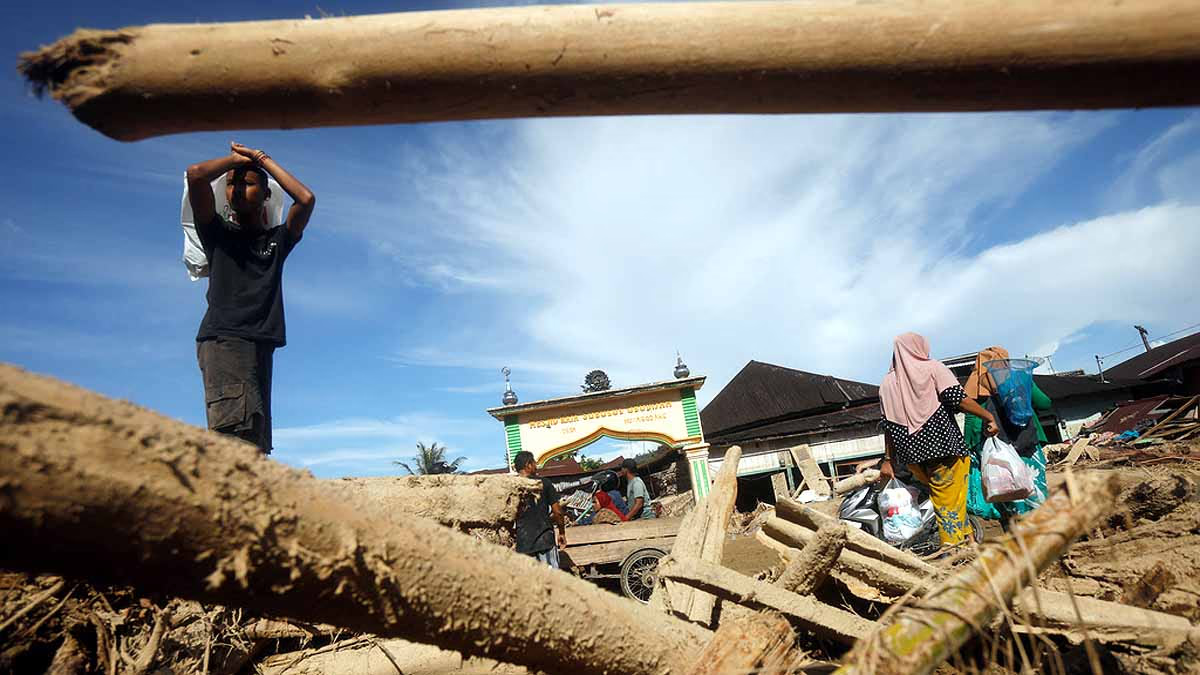
Without forests, water rushed unchecked into rivers, causing flash floods. Loose soil and torrential rain triggered catastrophic landslides. In Aceh Province alone, four villages vanished completely in a single day.
Photo: AP
Source: aajtak
In North Sumatra's Batang Toru, heaps of wood obliterated hundreds of homes. In West Sumatra’s Malalak, landslides buried numerous houses. Scientists urge a halt to deforestation and the replanting of trees on mountain slopes.
Photo: AP
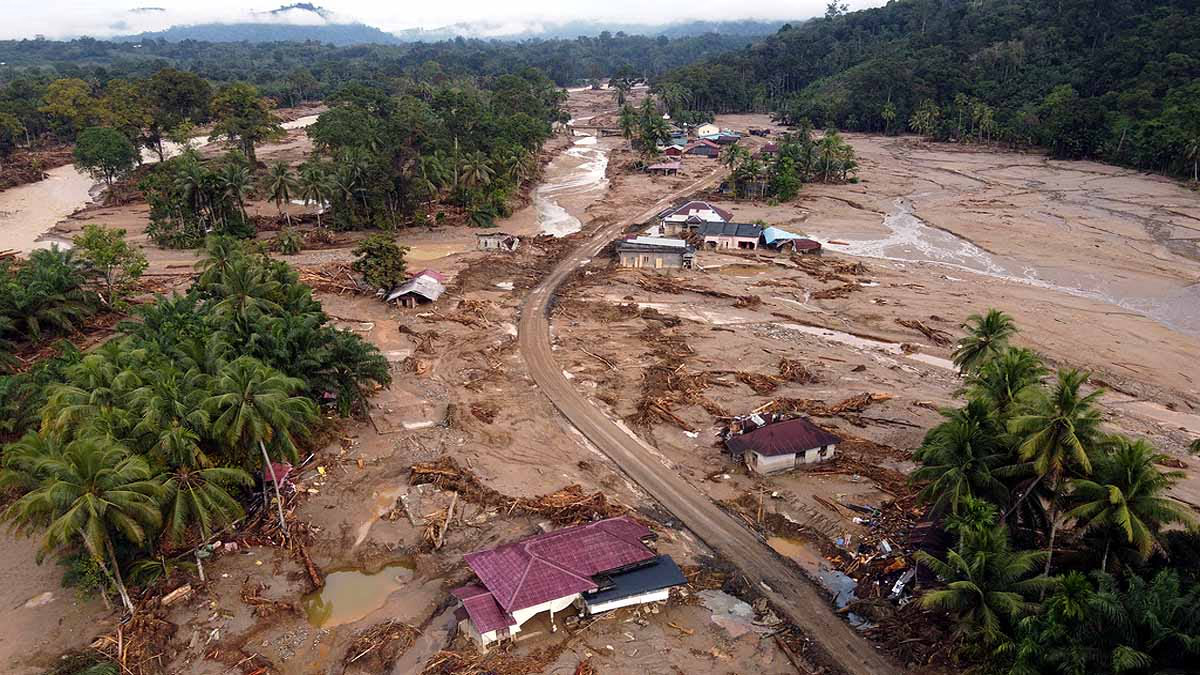
Source: aajtak
They recommend creating buffer zones along rivers and relocating villages to safer regions. The Indonesian government has declared the disaster a national emergency.
Photo: AP
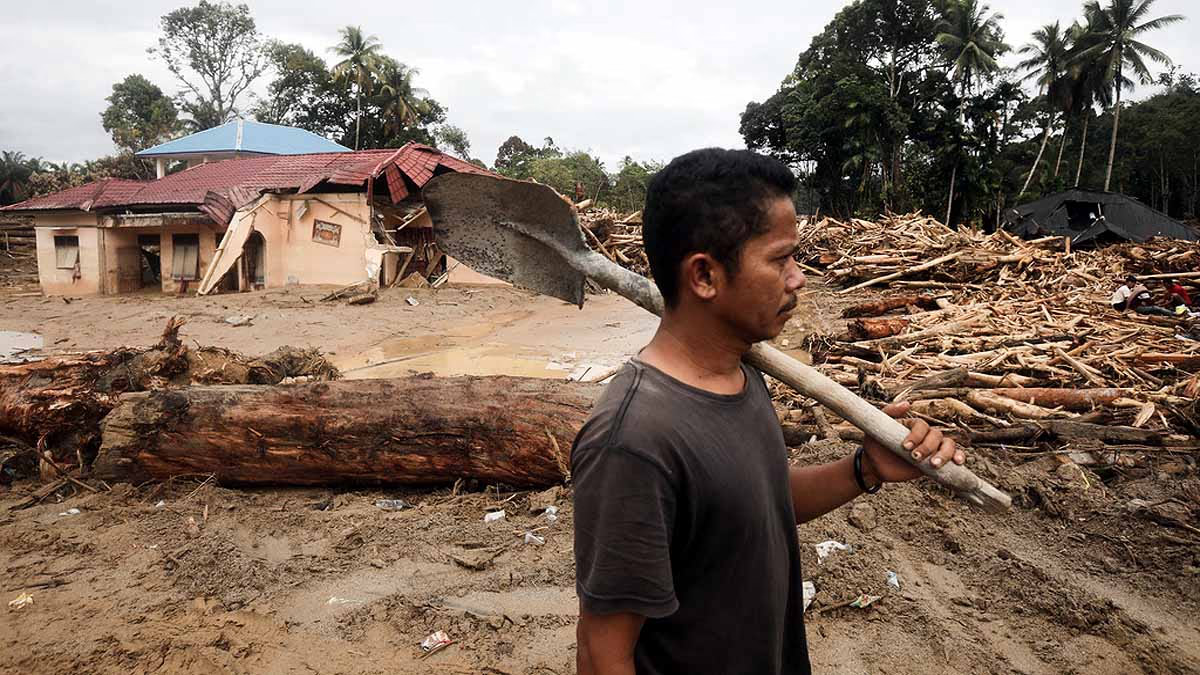
Source: aajtak
Deforestation has reduced the soil's water absorption capacity by up to 70%, and landslide risks have increased twelvefold. Annually, 300-400 landslides occur in Sumatra – once only 20-30 a year. If deforestation continues at this rate, all of Sumatra’s forests could vanish by 2030.
Photo: AP
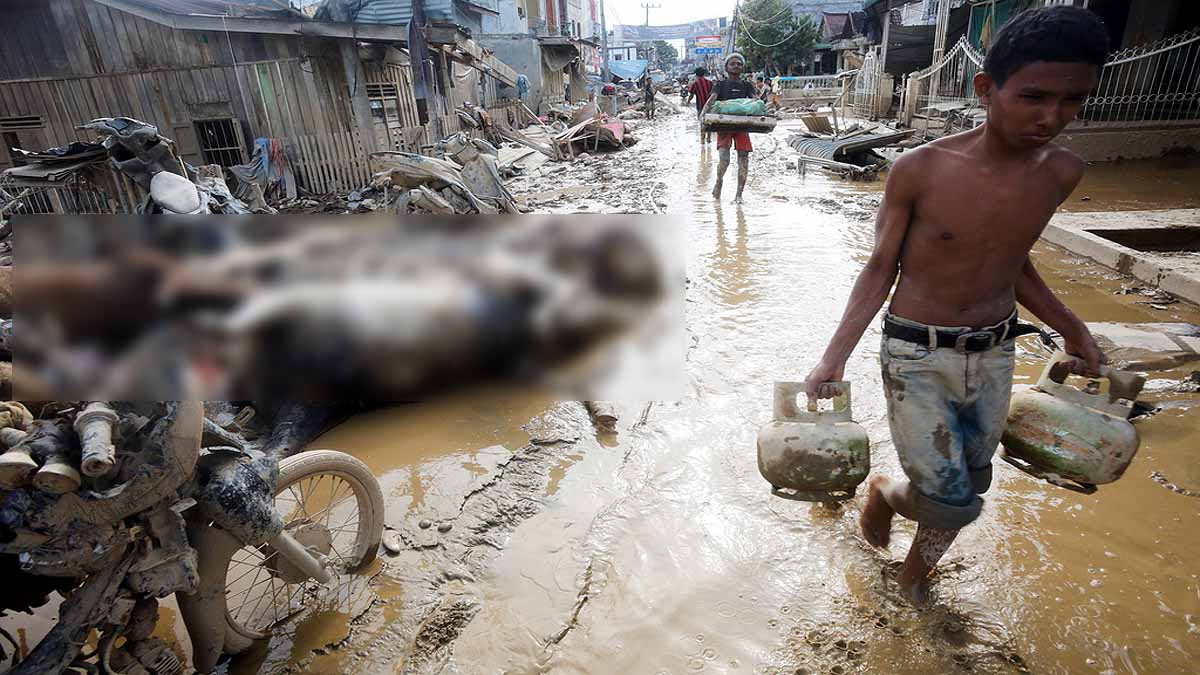
Source: aajtak
The question looms – without forests, how much more catastrophic will the next cyclone be? The world now pays the price for exploiting nature.