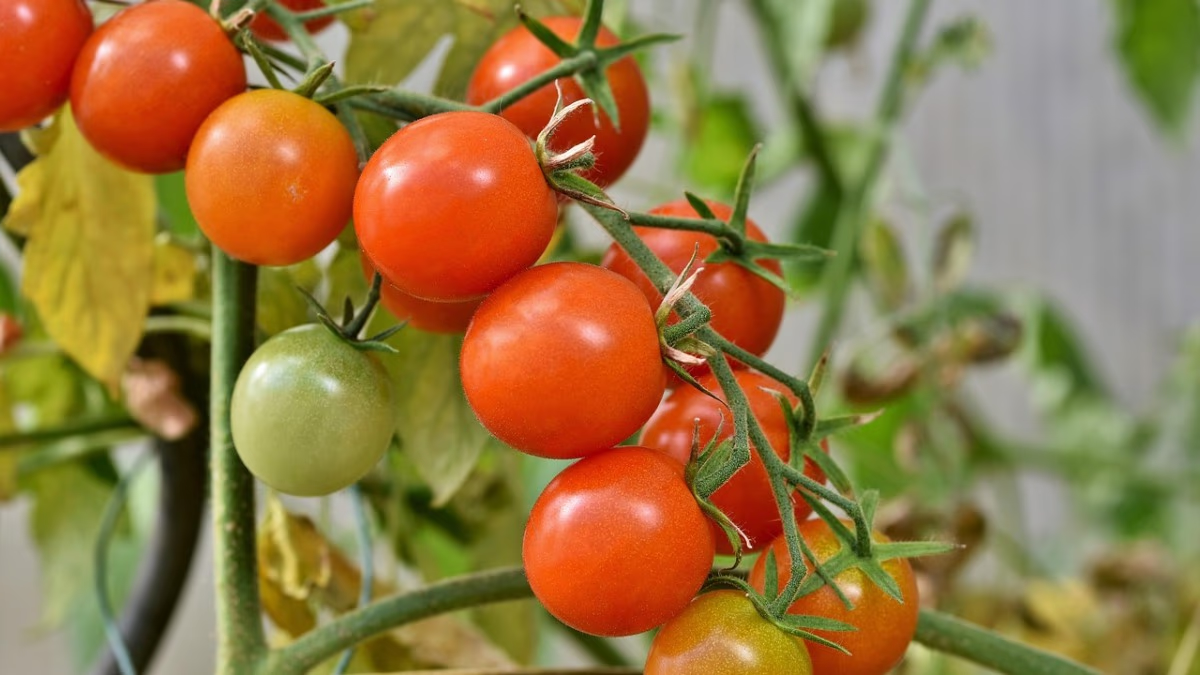
February brings the perfect balance—not too cold, not too hot—ideal for the thriving growth of tomato plants. This season offers farmers an excellent opportunity to venture into hybrid tomato farming, promising substantial returns. To get started, farmers can sow seeds in Pro-Trays (small trays) during the first or second week of February to prepare a nursery. In about 25 to 30 days, healthy plants will emerge, ready to be transplanted into fields by the first half of March. This timing sets the stage for the first harvest by the end of March or early April. Let’s delve into the complete process of hybrid tomato cultivation.
Select the Right Variety
Choosing the right seeds is crucial in tomato farming. A wrong variety could lead to vulnerability to viruses or other diseases, destroying the entire crop. Therefore, it's vital to opt for robust and disease-resistant hybrid varieties. Some of the most popular options include Adhiraj, Pusa Hybrid-4, Avinash-2, Red Gold, Shaktiman, 501, 2535, Swarna Sampada, and Swarna Baibhav. Ensure to procure certified hybrid seeds from a reputable company. For an acre, 80-100 grams of seeds are sufficient.
Soil and Field Preparation
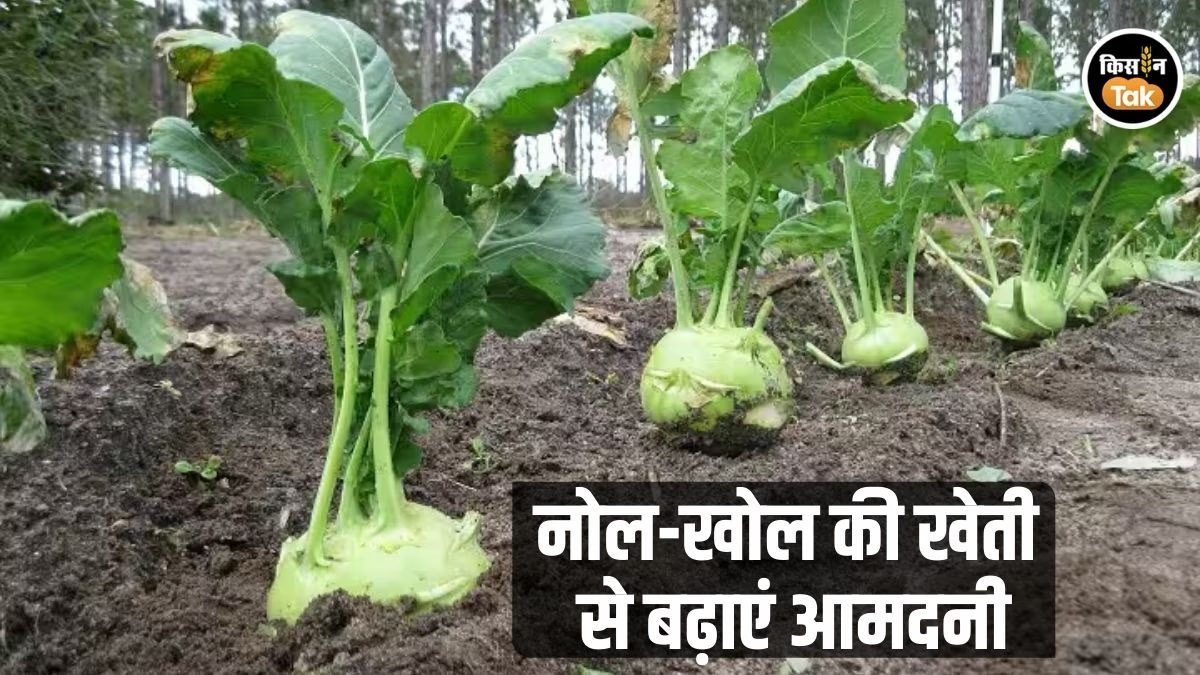
Source: aajtak
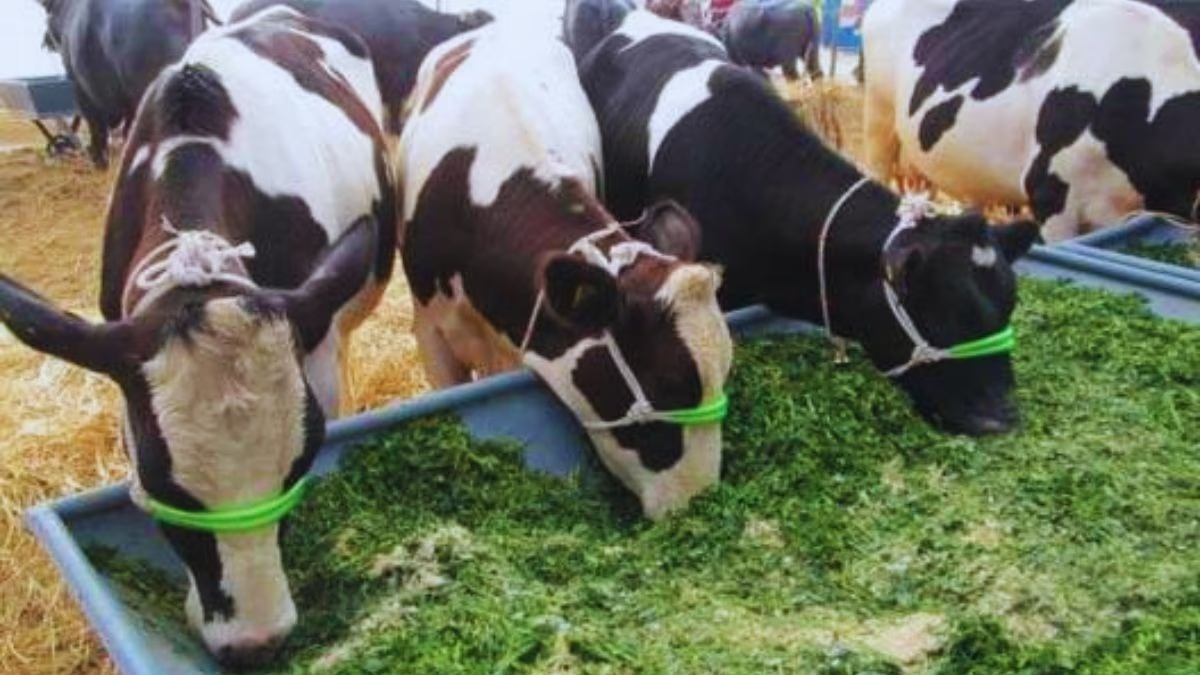
Source: aajtak
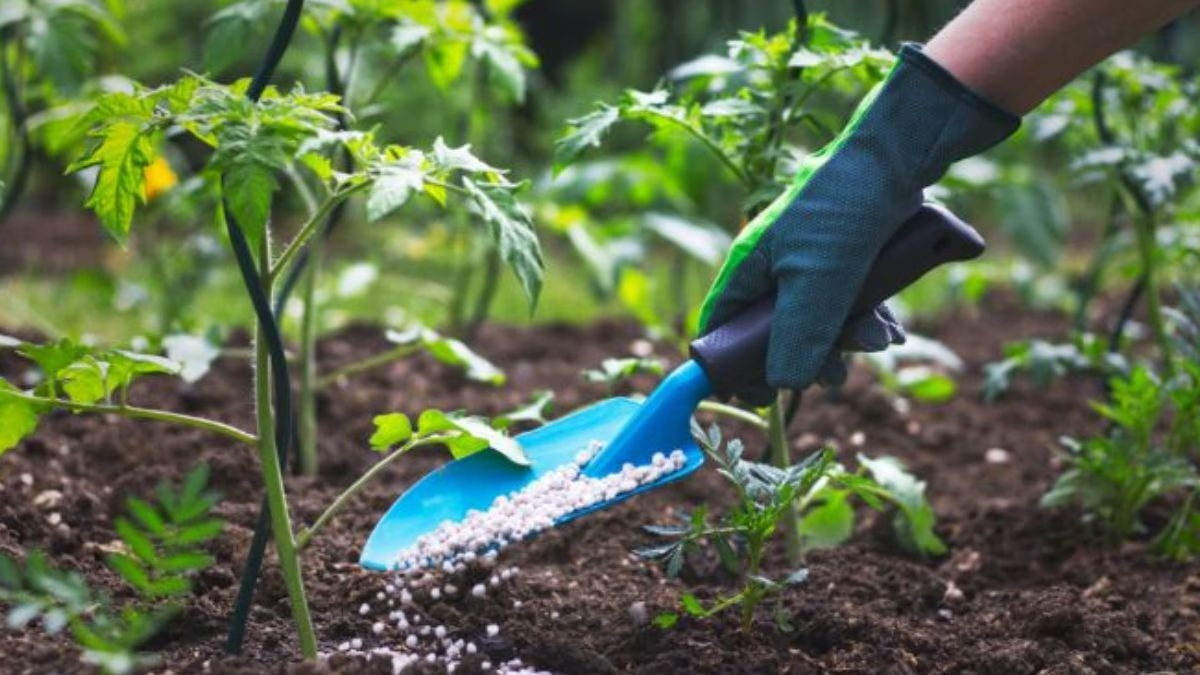
Source: aajtak

Source: aajtak
Source: aajtak
The soil for hybrid tomato farming should be loamy or sandy loam. A pH range of 6.0 to 6.8 is ideal.
Perform deep plowing 2-3 times in the field.
Add 10-15 tons of cow dung manure or vermicompost per acre.
Provide 80-100 kg nitrogen, 50-60 kg phosphorus, and 60-80 kg potash per acre (half as basal dressing and the rest later).
Level the field and make beds.
Preparing the Nursery (Seed Sowing)
Hybrid tomatoes are not sown directly in the field; seedlings are prepared in a nursery first. To start in February, sow seeds in Pro-Trays or small beds during the first or second week.
Create beds 60 cm wide, 5-6 meters long, and 20-25 cm high.
Mix cow dung manure and sand into the soil to keep it loose.
Treat seeds with Carbendazim or Trichoderma.
Sow seeds in lines 10-15 cm apart, lightly press, and cover with sand/straw.
Water daily with a sprinkler.
Strong seedlings with leaves develop in 25-30 days.
Transplanting
Transplant nursery seedlings into the field when they are 25-30 days old (first week of March).
Maintain a distance of 60×45 cm or 75×60 cm on beds (10-12 thousand plants per acre).
Transplant in the evening and lightly irrigate immediately afterward.
Harvesting
The first harvest begins 60-90 days after transplanting (March-April).
Pick tomatoes when they are light red.
Harvest every 4-7 days.
A single plant can yield 15-30 kg of tomatoes.