'He was 35 when he suddenly passed away. The doctor said his lungs were filled with dust. He used to talk but soon began coughing blood after a few steps. After he left, I raised three children alone. No photo remains, nor any official ID. Yet, the grief doesn't fade, no matter how much you laugh or talk.'
We had done our homework on Manaur — its population, its distance from the headquarters, and its occupation. Yet, our preparation shattered as soon as scores of women gathered when we called for an interview.
'They're all the same.' A young woman, adorned with bangles and a bindi, pointed at their solemn faces. 'Many have recently gone through the same ordeal and are out for work.'
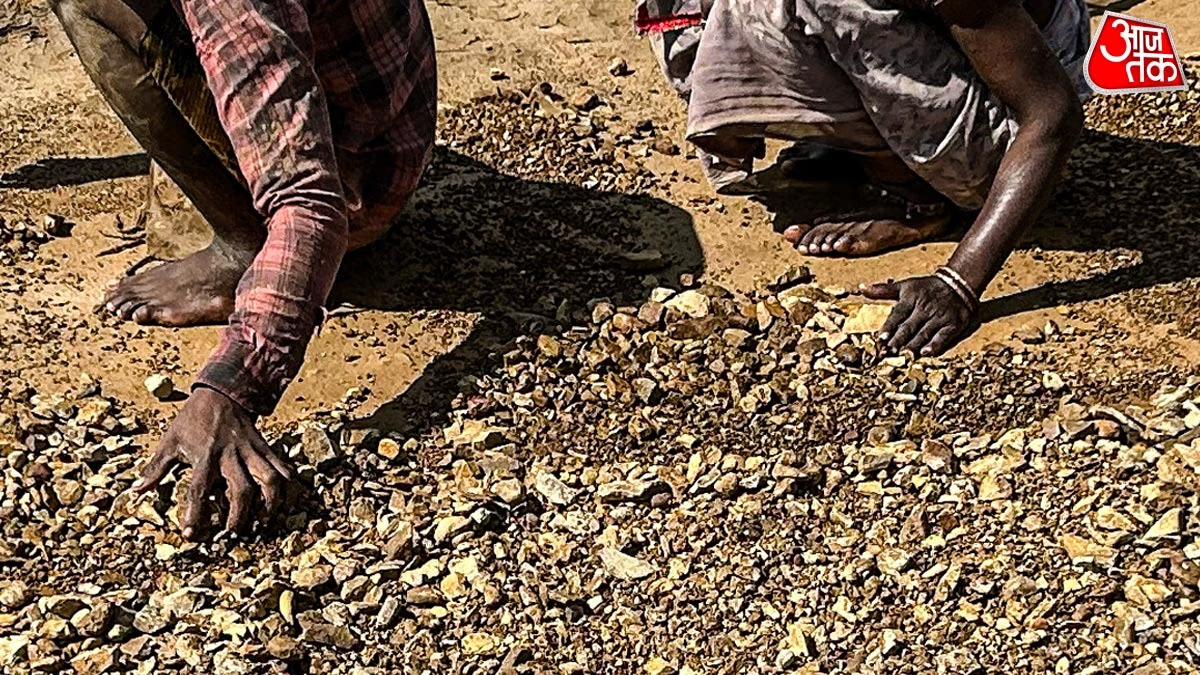
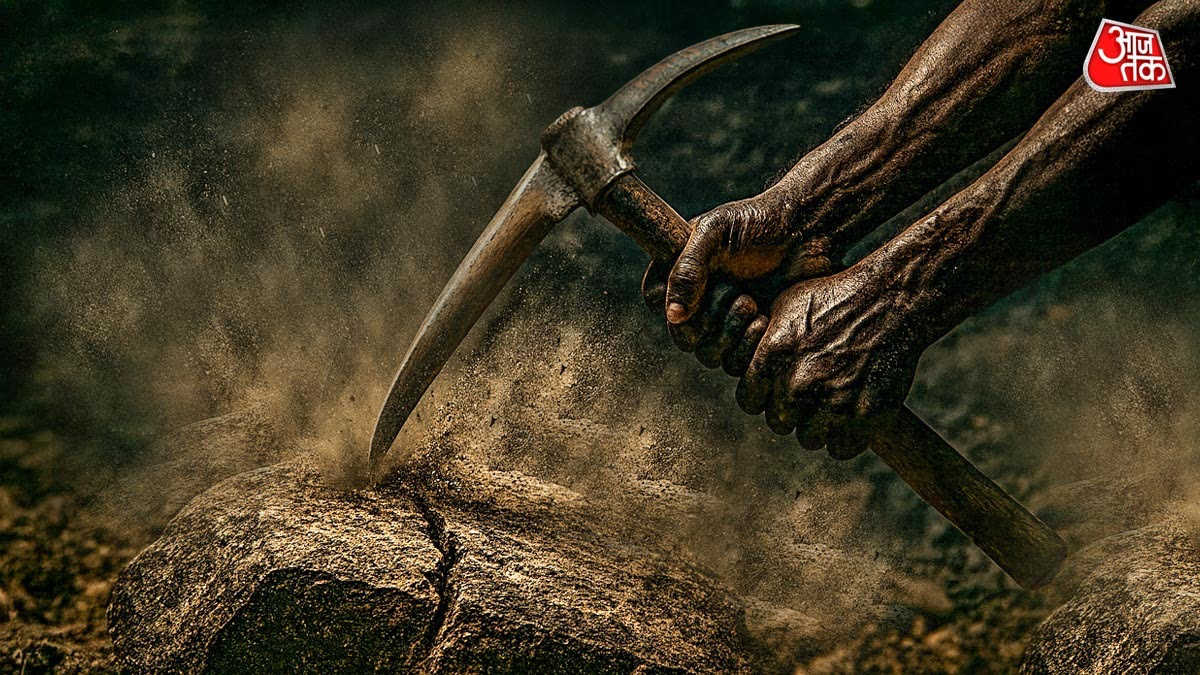
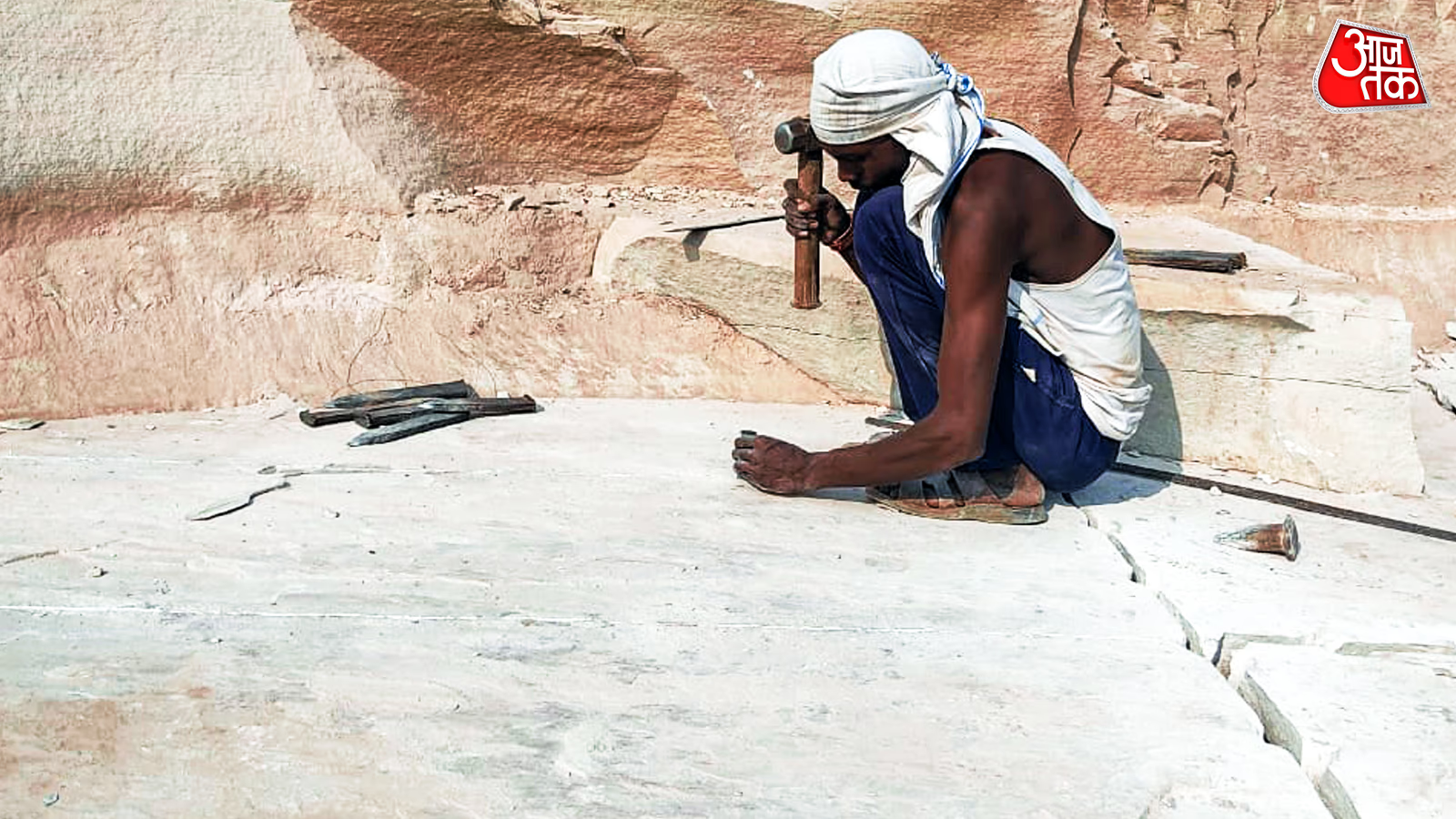
Men working in stone mines can only expect to live until 35 to 45 years of age due to silicosis.
As they work, silica dust enters their lungs, turning them almost to stone. Breathing becomes difficult until fatigue, high fever, and ultimately death follow.
The disease is incurable, with only costly treatments to manage it briefly.
In the last census, Manaur, with about a thousand inhabitants, comprised three sections. Employment assistant Amit Kumar explains: 'There is a tribal hamlet, a Sahu neighborhood, and a Yadav colony on one end. Most tribal villagers worked in the stone mines, bearing this disease's brunt. Seventy widows remain in the village, with many more having left.'
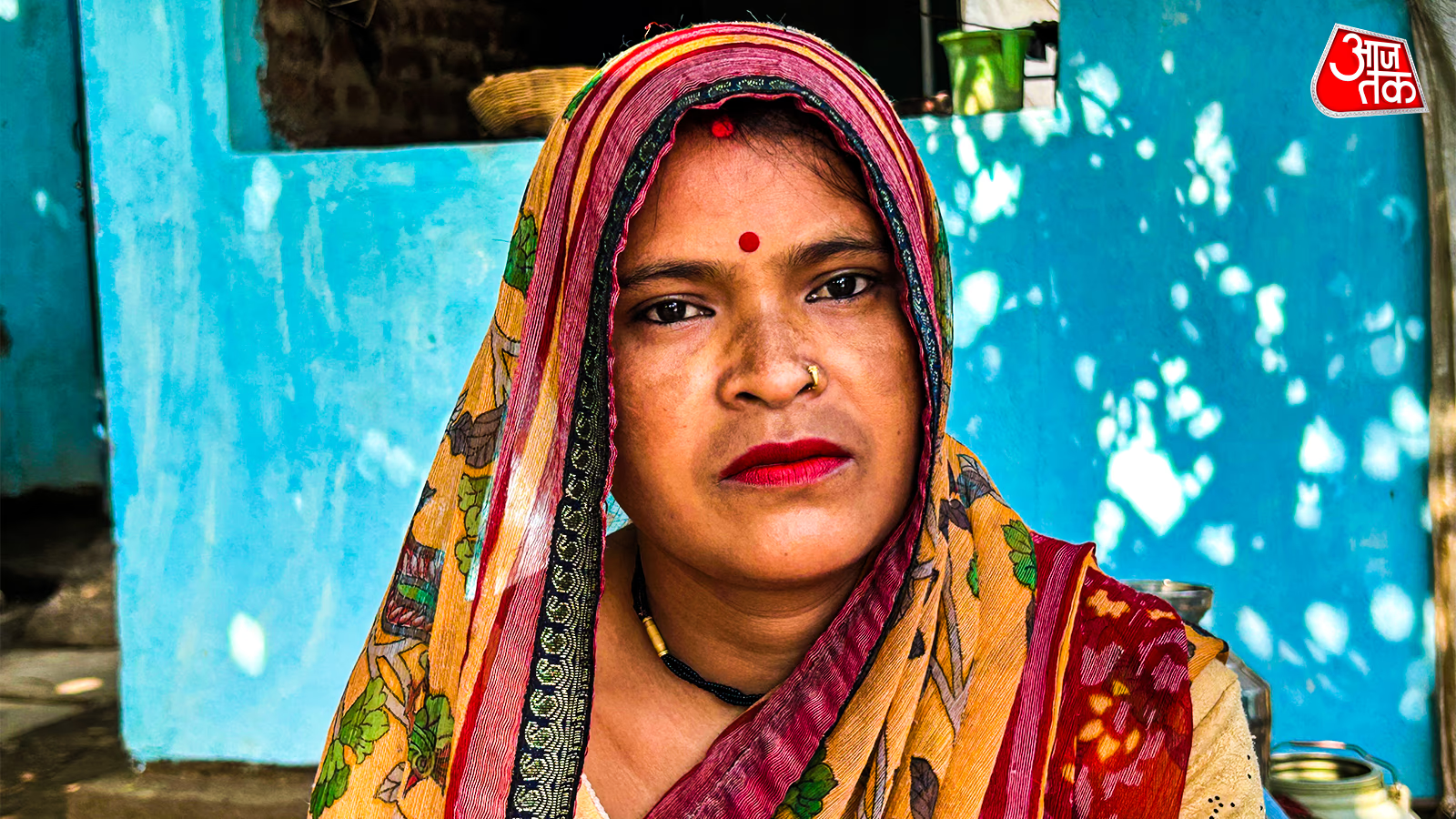
Our first stop was at newlywed Roshni Gaur.
Source: aajtak
'I chose to marry him. When I went home post-wedding, relatives worried because women in this village become widows early. I dismissed it, but after my daughter’s birth, when the doctor warned me to keep her away from disease, fear grasped me. Now, I neither visit others nor mingle. Even a cold at home makes me anxious about TB.'
Roshni, fearing the disease, casually refers to silicosis as TB.
Like her name, Roshni (‘brightness’) is a sunny, cheerful young woman genuinely terrified of TB. Here, every household includes a widow. Men in the mines die by 40, and only a few over 60 are left. The village witnesses an exodus, with women going to cities like Delhi for work, taking children along. Those left are older individuals who lost husbands ages ago.
Roshni takes charge to introduce women who engage eagerly as though meeting an old neighbor returning from a long trip.
A commonality among these loud-talking women is their dust-colored faces, as if the lethal silica settled on them as well. They seem quiet in their talkativeness and lost in their laughter.
They refuse on-camera talks. I juggle audio amidst multiple voices, but eventually, give up on that too.
Read the next part here:
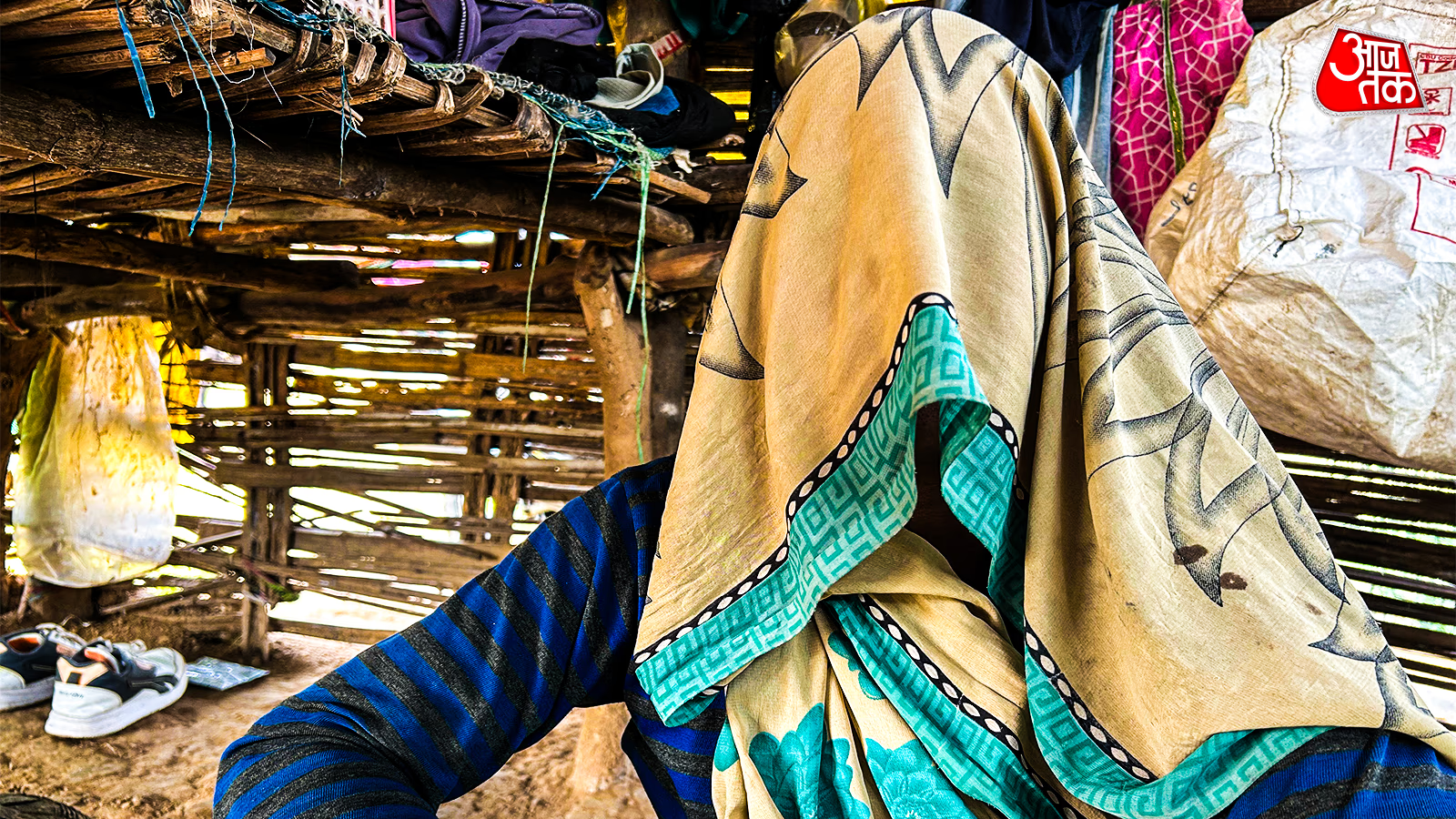
Lalita, appearing over 60, recalls losing her husband and resuming forestry work to survive. She narrates encounters with bears, lions, and snakes while collecting wood in the forest, reminding us that feeding one's family requires facing fears.
Source: aajtak
Women interrupt to share collective pain with a shared desire, and Lalita, not conversing with me but with everything around, revisits memories without photos and IDs to rely on. She says, ‘My six-month-old son now looks like my husband.’
Despite the size of the district and the village, Lalita speaks of her pain so beautifully that one never tires of listening. Education is no necessity for understanding grief.
Does your son go to the mines?
No. We don’t send anyone to the mines now. They're closing due to recent regulations, and the damage has been done.
Mamata Devi, a matriarch, cuddles a toddler. Her mere presence resonates more than others’ words. When asked her age, she replies—40, curt and stuck on this number, teasing city folks for staying youthful with fruits. She explains her bond to her granddaughter, attributing her wisdom to raising her with goat’s milk after losing her mother early.
Your husband?
He left us early too. I refused remarriage, valuing spousal bonds over fickle companionship. Now, life unfolds with just my children. A second marriage that neglects children would ruin everything.
Do the children occupy your thoughts?
Nothing compares to a husband’s companionship. Children may cook but with disdain. My chest aches, but who listens?
If he were here, we could fight. But when a pair breaks, there's no one to lean on.
What happened to your husband, the lung disease?
Yes, stone lungs. We exhausted assets seeking cure in cities but in vain. Cremating him, the lungs burned last, likened to cement, she narrates softly, her voice tinged with temporal pain.
Source: aajtak
Silica-coated lungs harden, barely burning during cremation. Mamta, observing their relentless fight in life and death, carries the face of a helpless bird seeing her imminent end.
Repeatedly residing through grief, women in Manaur die twice...
Amidst grains to grind, widows engage with me, bidding farewell with voices akin to fresh wounds promising to ache with every passing day.
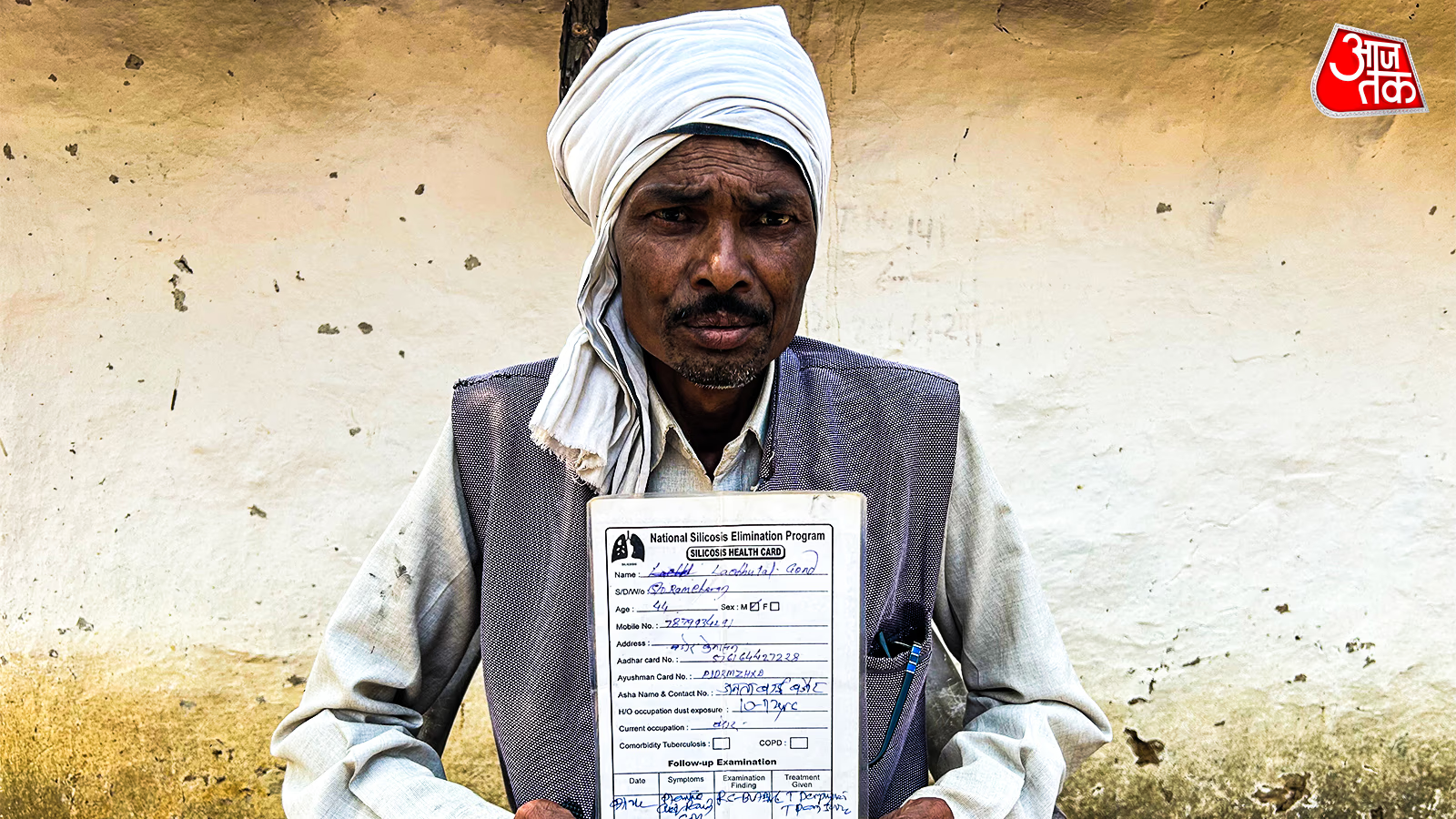
The next day, we enter Bador village, meeting Lachhu Lal Gond, already informed of our visit, waiting clean-cut.
Source: aajtak
Dark circles under his eyes are evident.
He speaks softly, cautious of bleeding. Aged like a mid-career professional in a city, almost fifty, ribs visible beneath winter clothing.
Working stone mines made him ill. Visits to hospitals diagnosed TB. After failed medicinal courses, a proper test identified silicosis. Conventional methods felt akin to domestic obligations.
The card issued confirmed the diagnosis, providing free medicines initially—a luxury amidst poverty. He notes monthly fevers and hospital stays.
Is the treatment effective?
They provide fever pills and pain injections, a blessing with food and doctors present. For paupers like us, it suffices.
After running through savings in medical tourism, solace came only at home with the understanding of eventual mortality, his existential struggle akin to our awakening.
For one like Lachhu, mortality's acceptance mirrors hope's anticipation.
Can you describe silicosis?
It stops one short of breath, kills appetite, causes vomiting— at times bloody. The description halts with pauses, offering a tour of his courtyard as respite.
A small hut amidst a big plot, with fruit trees and diligent insects—life teeming in irony as their master awaits the end of his own.
Any help?
After death, my family will receive three lakh rupees. I requested a portion for current treatments, but it was denied.' Lachhu's voice holds the creases shaped by time and disease.
Two decades ago, workers in Panna's sandstone quarries began dying of what seemed like TB. Initially accepted, the local NGO, Prithvi Trust, in 2011-2012 led a health camp confirming silicosis in 162 workers. Government verification reduced this number below 50.
Source: aajtak
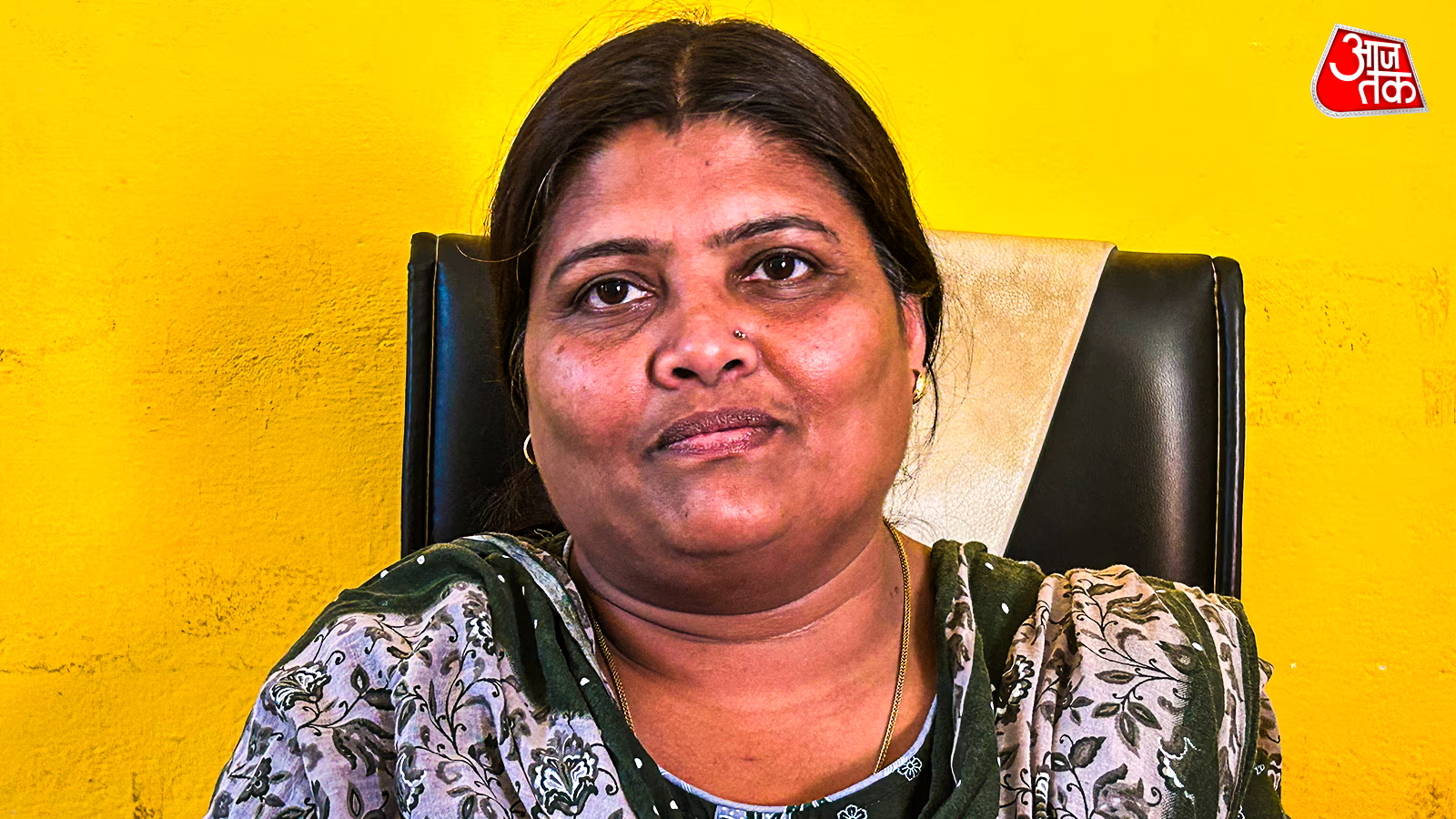
Discussing discrepancies, Trust Director Sameena Yusuf notes 72 widows in Manaur, while Manaur Panchayat, encompassing three villages, witnessed 300 widows from mine fatalities.
Symptoms mask silicosis as TB. Numerous men, misdiagnosed, remain sick post multiple TB treatments, unable to afford further investigation confirming their plight.
In a fragrant, sunlit courtyard, Lachhu seems an extra in his own life—ever aware of his ephemeral stance.
He recounts tales—his snake-bitten wife, the daughter raised solo, friends passing from silicosis without hospital refuge, and looming death—a longtime uninvited guest.
Death’s mention is as mundane to Lachhu as waking up is to us. Our departure coincides with him brandishing a diagnosis card, treating it as identity.