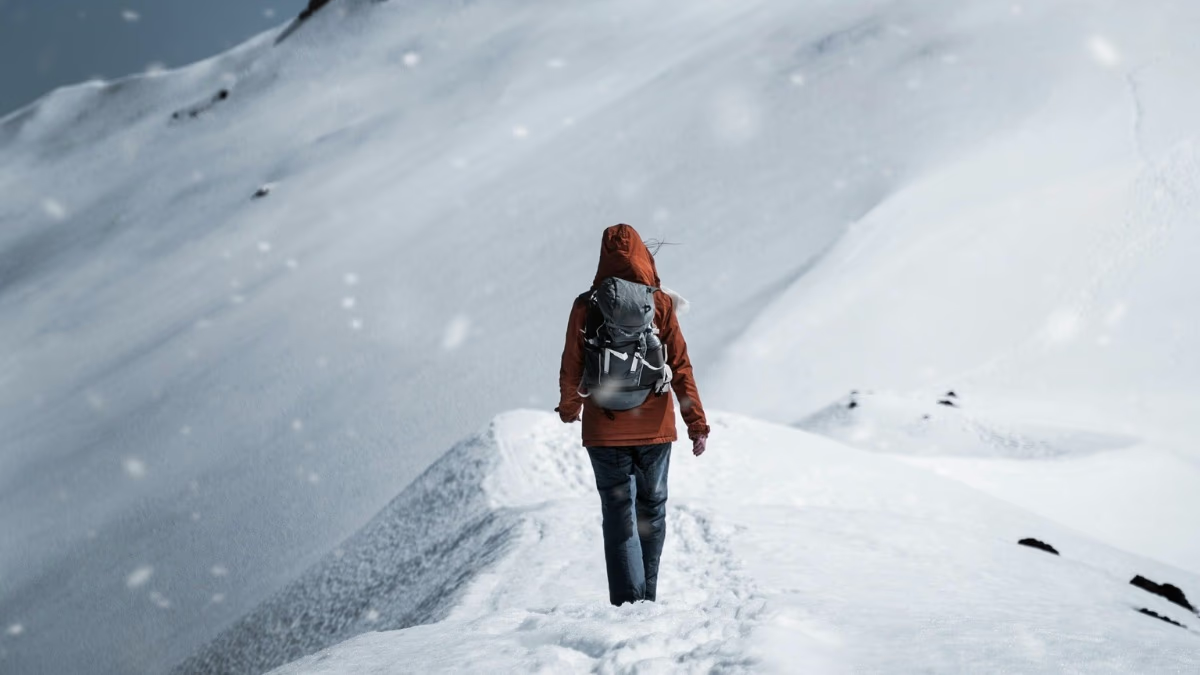
As winter approaches, our hearts fill with an eagerness to witness the mountains draped in a white blanket. We yearn to pack our bags and head to a peak where snow stretches as far as the eye can see. For many, this might be their first time planning a winter trek, feeling a bit anxious inside. It's understandable because we're not talking about a leisurely park stroll; these are mountains, enveloped in a biting chill. Yet, believe it, with solid preparation and smart planning, this experience will become one of the most amazing parts of your life. Let's explore the vital considerations every novice should adhere to before stepping into the snow.
It's a bit reckless to dream of conquering Everest on your first trip to the mountains. The key to wisdom in winter trekking lies in selecting a safe and easy route for yourself. Rather than opting for challenging and unknown paths, prioritize treks with clear paths and nearby support centers or villages.
Always Start with Easier Routes
If it's your first time, routes like Kedarkantha, Brahmatal, or Har Ki Doon are blessings. These paths take you to breathtaking peaks without much exhaustion, the same ones you've admired on social media. Remember, your body takes time to adjust to the thin mountain air and the freezing cold. These initial climbs, tackled at a slow pace, are what prepare you for grander adventures in the future.
Many assume that trekking the mountains is merely walking; what training is required? This is where they falter. The climb appears deceptively simple, yet tests your lungs and legs. Therefore, the sensible approach is to start preparing your body at least a month prior to setting off.
If you're running, cycling, or swimming for 30 minutes daily, you'll find the mountain climb enjoyable rather than burdensome. If you're lethargic, begin strengthening your legs and knees. The best way is to carry some weight on your back and practice climbing stairs or walking on inclines.
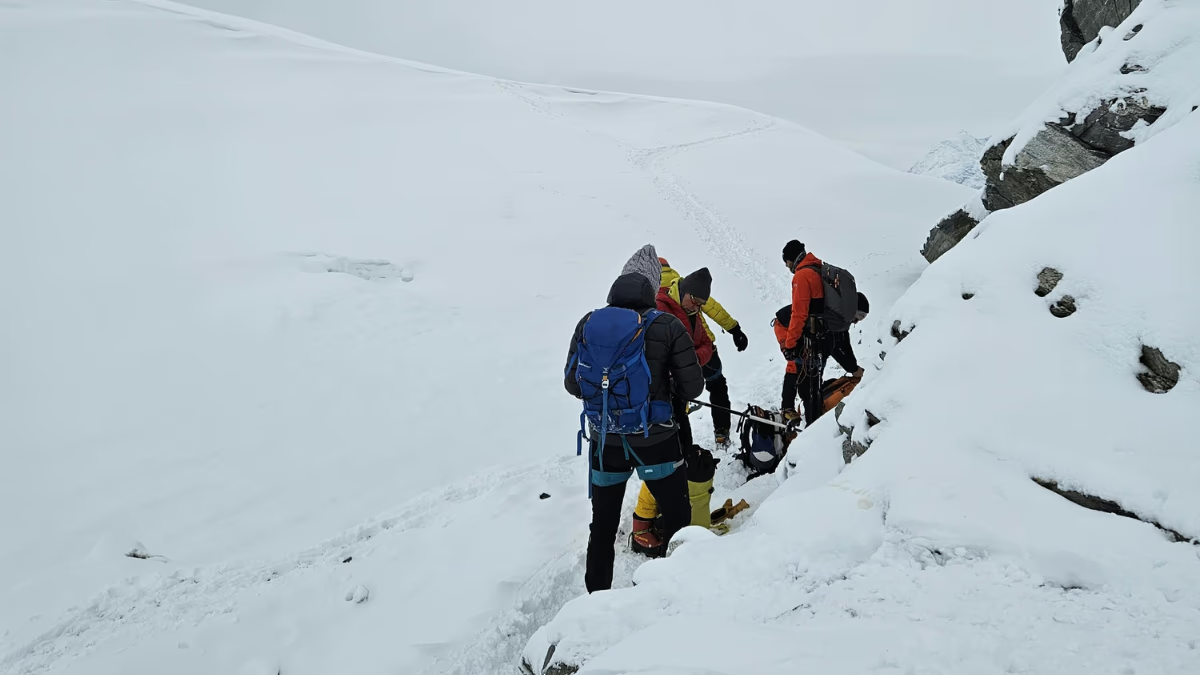
Source: aajtak
This preparation is crucial because your old efforts and stamina will support you as you sink into deep snow with every step. With good fitness, you won't just try to survive, but will revel in the true beauty of the mountains. Remember, in cold weather, your body needs extra energy to stay warm, so any laxity in preparation can cost you dearly.
The Foolproof Way to Keep Warm in Snow
Your biggest enemy during winter trekking could be wearing the wrong clothes. In excitement, people often put on a heavy jacket, believing it a surefire defense against cold. However, this method fails in the mountains. The real trekking mantra is layering. Instead of one heavy coat, wear three different layers: a close-fitting thermal, a warm fleece or sweater, and finally a jacket that resists wind and water. The greatest advantage of this three-layer formula is that when you're climbing and start sweating, you can peel off a layer. Furthermore, when you pause for a rest and feel chilly, you can put it back on.
Also, completely eliminate jeans and cotton clothes from your packing. These materials absorb sweat and once wet, they won't dry up easily, soaking your body heat and making you ill. Always wear light and quick-dry clothing in the mountains.
Stay Hydrated
In the high altitudes, when icy winds touch your face, an unusual problem arises—you don't feel thirsty. This is where the body tricks itself, leading to dehydration. These cold, dry winds rob your body of moisture rapidly, so drinking water at intervals, whether you feel thirsty or not, is vital. Carry an insulated bottle to prevent water from turning ice-cold in the biting cold.
Also, as you climb higher, your body's engine demands more fuel, meaning energy. In the harsh cold, to keep yourself warm, the body burns calories at twice the rate. Therefore, always have a handful of nuts, chocolates, and energy bars ready in your bag. Eat small portions every hour to ensure your energy levels don't dip. Remember, in the snowy mountains, timely water and food intake are your true security guarantee.
As you embark on your first snowy trip, remember, mountains are as beautiful as they are unpredictable. For the first trial, partnering with a trained guide or experienced mountaineering team is the safest choice. These guides understand the terrain, the ups and downs of the paths, and the changing moods of the weather like experts. Whatever safety rules your guide prescribes during the trek, follow them as if etched in stone.
Mountains are like a capricious mind that can change in an instant. The sun might be shining brightly one moment, only to be followed by a snowstorm's arrival the next. Therefore, before leaving home and during the trek, keep a keen eye on weather updates. If you ever feel that conditions are worsening or the weather is taking a dangerous turn, be ready to change your plans immediately rather than showcasing bravery or stubbornness. Remember, in the world of mountains, stepping back wisely is not a defeat, but a sign of wisdom.