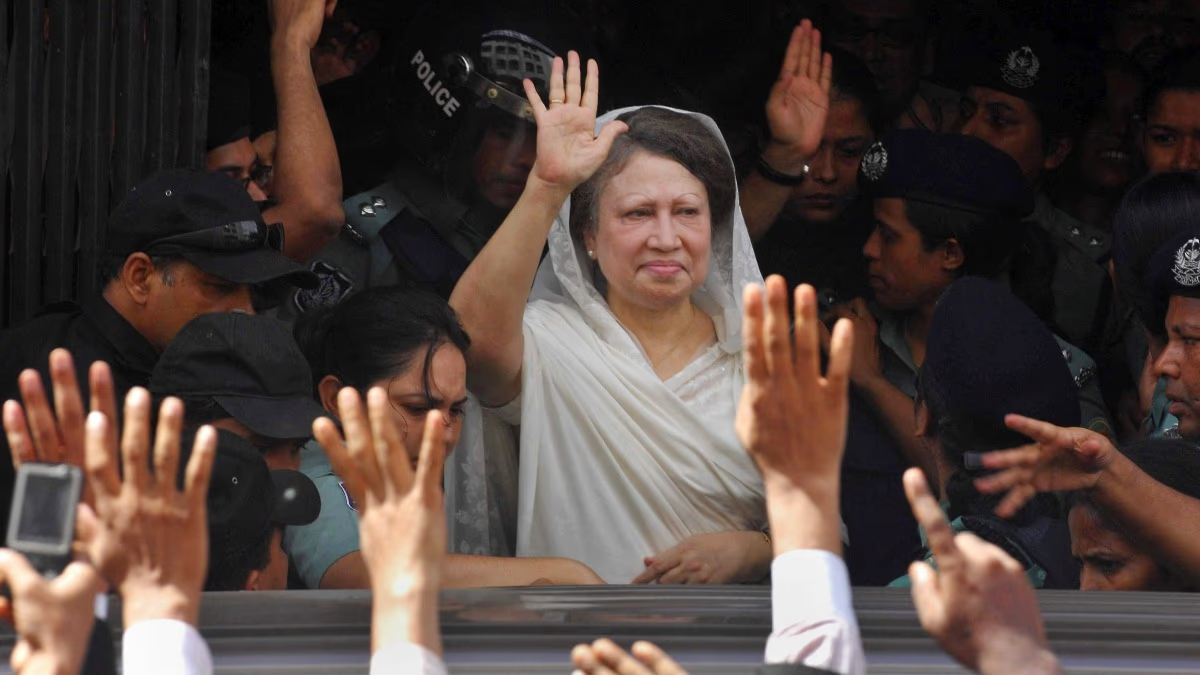
Khaleda Zia stands as a remarkable and influential figure in Bangladeshi politics. Once a military officer's wife, circumstances pulled her into the political arena, where she rose to become Bangladesh's first female Prime Minister. Born in 1945, her early life was modest and initially unrelated to politics. Her marriage to Bangladesh's former President and military chief, Ziaur Rahman, marked the beginning of a transformative journey. After Ziaur Rahman's assassination, Khaleda Zia embraced politics and took leadership of the Bangladesh Nationalist Party (BNP).
1991: A Historical Landmark
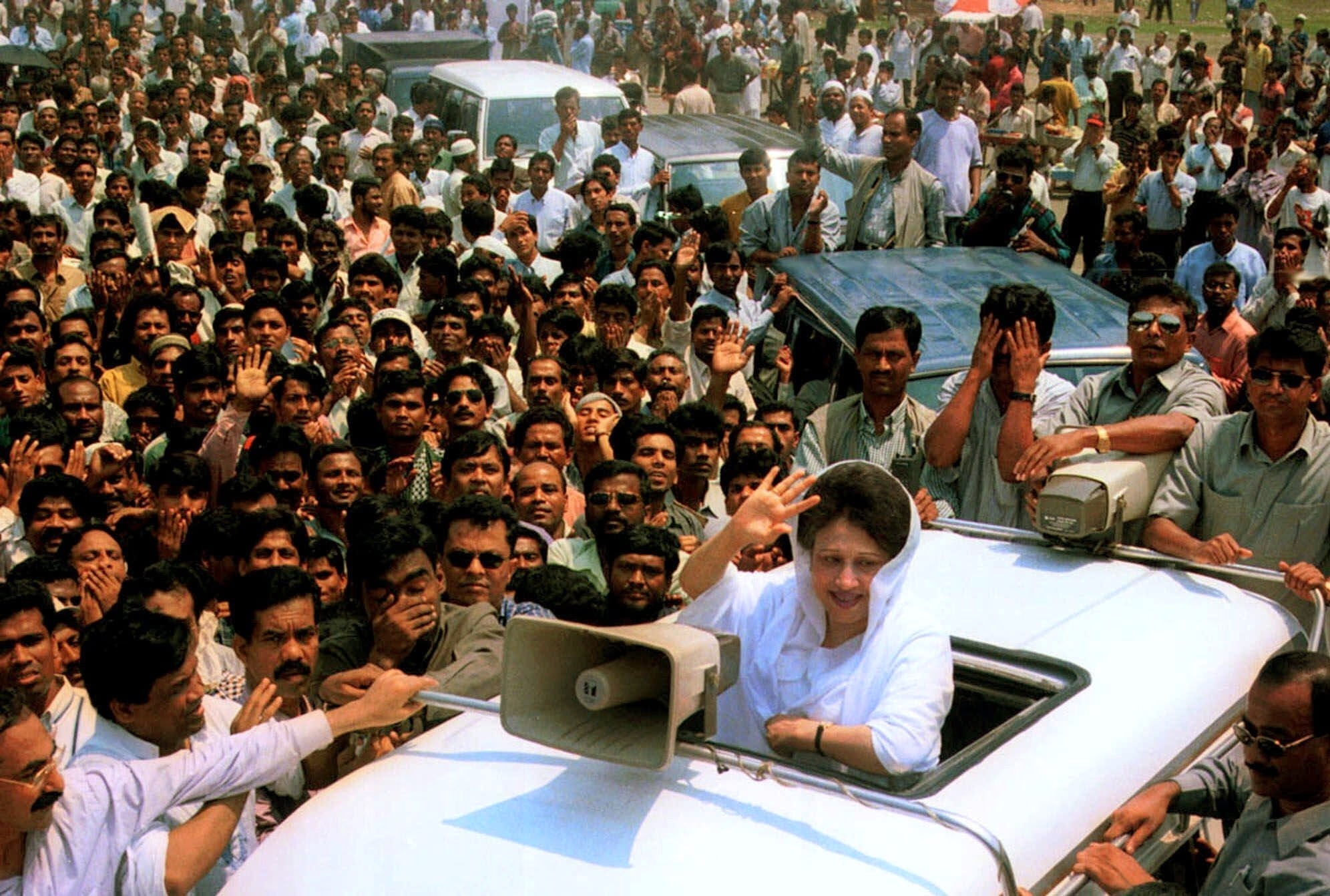
Gradually proving her mettle as a leader, Khaleda made history by becoming Bangladesh's first female Prime Minister in 1991. Throughout her tenure, she continued to shape the nation’s politics, symbolizing resilience and determination. Her era was marked by growth and controversy, yet her followers regarded her as a fearless, tenacious leader. Her life is a testament to overcoming adversity, reaching the pinnacle of political power as a woman.
Source: aajtak
Early Life and Family Background
Khaleda Zia was born on August 15, 1945, in Dinajpur district, British India (now Bangladesh), into a simple family. Her father, Iskandar Majid, was a merchant. Known for her calm demeanor, she initially had no inclination toward politics.
Educational Journey
Khaleda Zia's schooling began at Dinajpur Missionary School. She continued her education at Surendranath College (now Eden Mohila College) in Dhaka. At the time, her aspirations centered more around family life than politics.
Marriage to Ziaur Rahman: A Turning Point
In 1959, Khaleda Zia married Ziaur Rahman, then an officer in the Pakistani army. During Bangladesh's liberation war in 1971, Ziaur Rahman emerged as a prominent military commander and later ascended to the nation's presidency. This marked a major shift in Khaleda’s life, as she became the First Lady, still maintaining her distance from politics.
Source: aajtak
Entering Politics in 1981
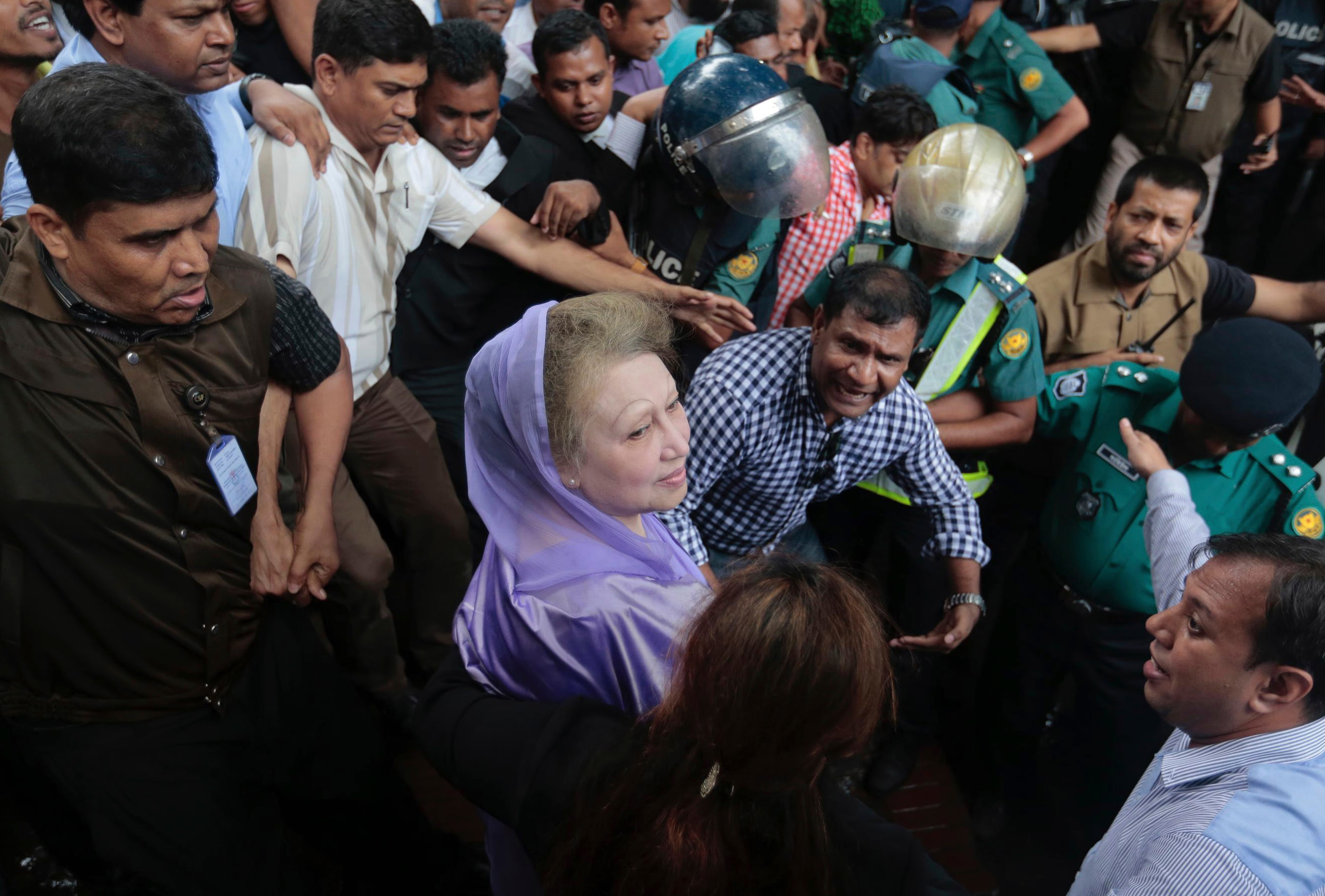
The assassination of her husband during a 1981 military coup was a turning point. Following this tragic event, leaders of the BNP encouraged Khaleda Zia to take up the party's reins. She entered into active politics and became the party's chairperson.
Overthrow of the Ershad Government in 1990
Khaleda Zia led a democratic movement against the then-military ruler Hussein Muhammad Ershad. Her leadership in this movement contributed to the downfall of the Ershad government in 1990.
1991: Becoming Bangladesh’s First Female Prime Minister
BNP's victory in the 1991 general elections marked Khaleda Zia's ascension as Bangladesh's first female Prime Minister. Her terms from 1991–1996 and 2001–2006 witnessed efforts toward strengthening democracy, economic advancements, and improvements in education and infrastructure.