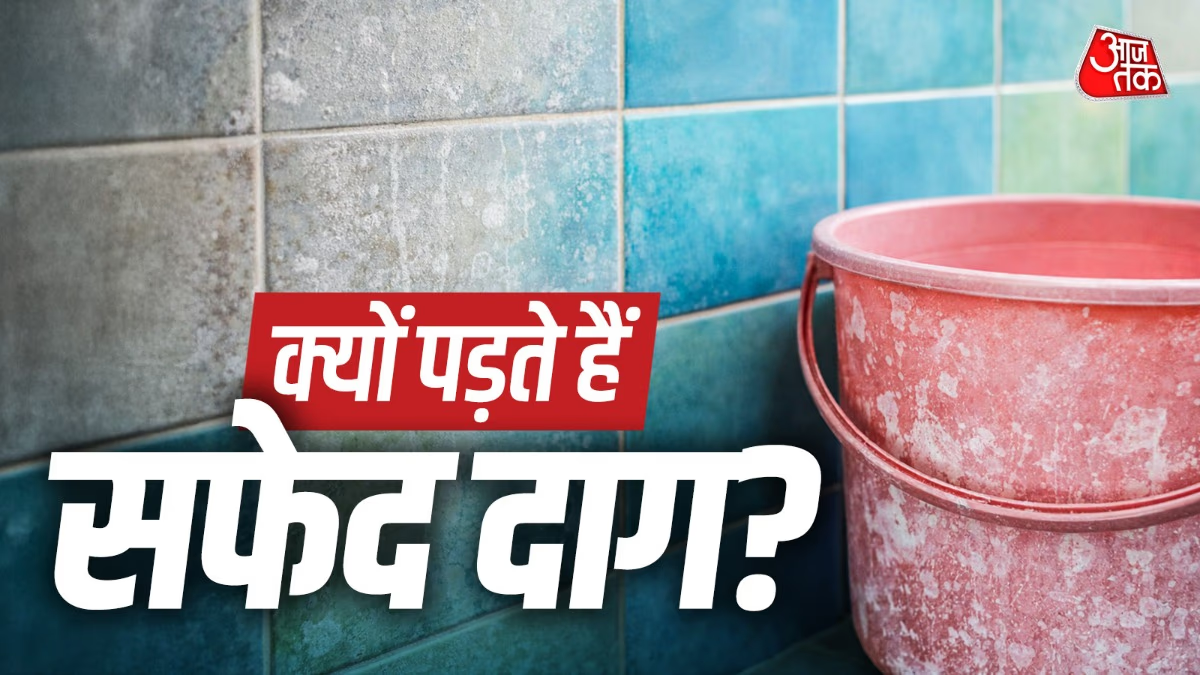
Bathrooms are among the most frequently cleaned areas in a home, mainly due to space constraints that lead to combined toilet-bathroom facilities. Despite frequent cleaning, people often notice strange white layers forming on tanks, buckets, mugs, and floor tiles. Residents of many areas in Delhi-Noida face frustration as these stains persist regardless of how much cleaning is done.
It’s not just tanks, buckets, mugs, and floor tiles that accumulate these white stains. Walls and tiles also often end up with these stubborn marks, which resist even the most vigorous scrubbing. The real issue is that the actual cause of these stains confounds many people. Mistaking them for dirt, people often resort to expensive market products that prove ineffective.
In some areas of Delhi-Noida, clean water is plentiful, whereas others receive hard water containing minerals. Commonly known as hard or saline water, this supply is rich in minerals such as calcium and magnesium. When this water falls on bathroom surfaces and dries, it leaves behind a distinct white residue known as lime scale or calcium buildup.
Drinking water is supplied at specific times in Delhi, pushing many to install borewells for other household needs. Consequently, households relying on groundwater experience these issues more frequently due to the higher mineral content in the water.
During a shower, when water droplets repetitively fall and dry on tiles, plastic buckets, or flush tanks, they gradually form white rings or layers that resemble mildew, affecting bathroom aesthetics.
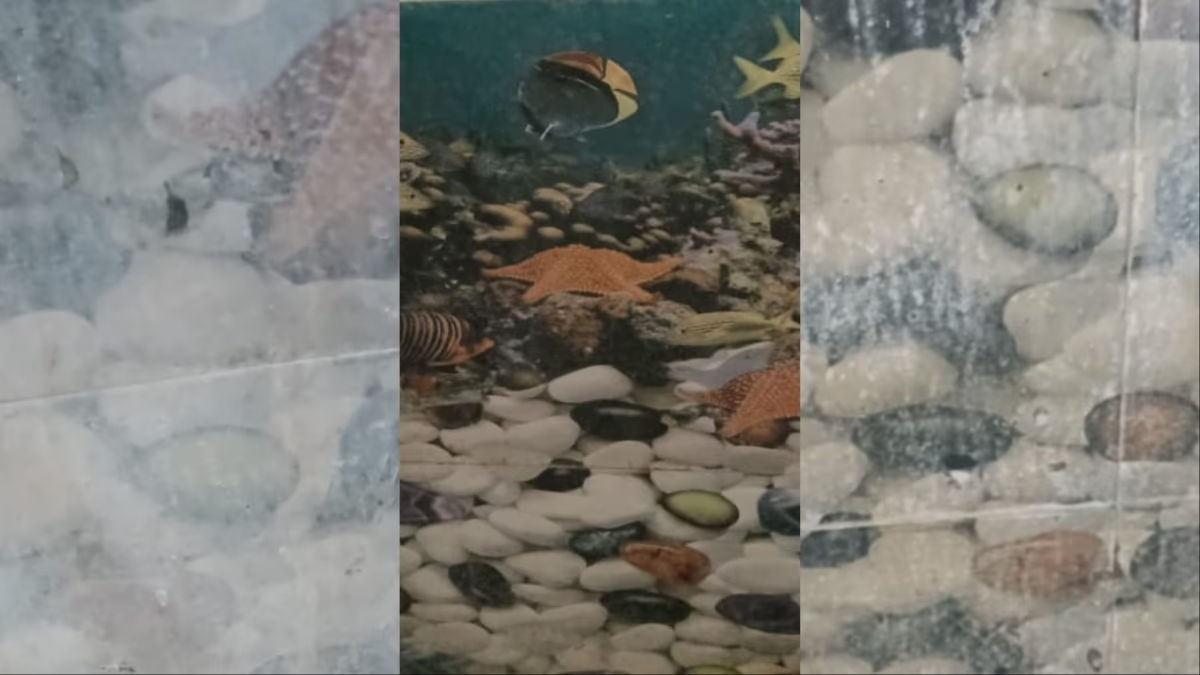
Source: aajtak
Another culprit behind these white stains is the combination of soap and hard water. When soap reacts with hard water, it creates a sticky residue that dries into a dull white coating, frequently seen as stains on taps, showers, and tiles.
Although these marks don’t pose a health risk, they make your bathroom look unkempt. Prolonged exposure can affect taps and shower pipelines, potentially impacting water flow.
Hard water, laden with calcium and magnesium, can stain your home’s plumbing and bathroom fixtures. Over time, distinct stains will appear on sinks, toilets, and bathtubs. Sometimes, these stains vary in color due to various metals in the water—blue-green stains result from copper pipe erosion, while iron and other metals cause yellow, brown, or red stains. Black marks are due to magnesium, forming when metal oxidizes upon exposure to air.
How to Remove These Stains?
If you are troubled by these stains, consider wiping water drops with a cloth before they dry and incorporating regular deep cleaning into your routine.
Additionally, using a water softener can be beneficial. This will help reduce water hardness, preventing those stubborn white stains from forming.