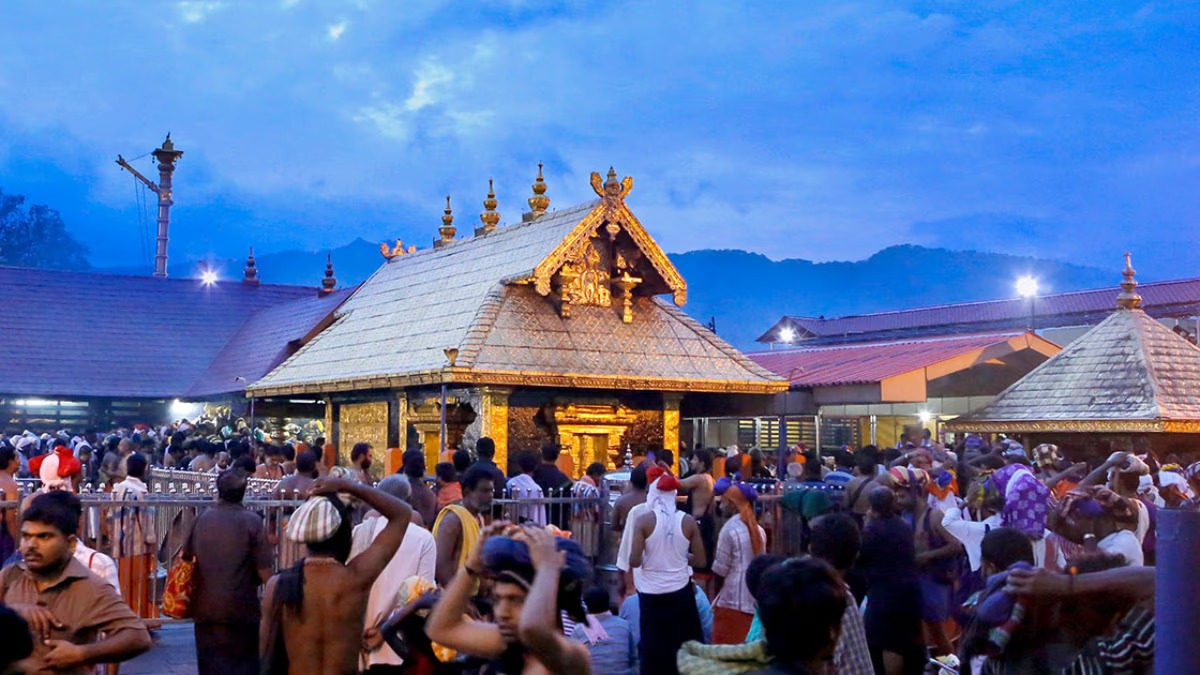
The famous Sabarimala Temple in Kerala will open its doors for the annual Makaravilakku festival on the evening of December 30. To note, after the Mandala Puja on December 26, the temple was closed for a short period, but now, as the auspicious occasion of Makar Sankranti approaches, a wave of devotion will flood the temple. This pilgrimage is not just a religious journey but a blend of faith and stringent discipline, where millions make their way through dense forests and high hills to seek the blessings of their revered deity.
The sacred journey begins at the banks of the Pamba River, where devotees take a ritual bath before beginning their ascent and then cross the sacred 18 steps to reach the main temple. Nestled within the Periyar Tiger Reserve, the rules and paths here are quite challenging, making this pilgrimage distinct from others. If you are contemplating a visit to Sabarimala this year, understanding some essential points is crucial to ensure your journey remains smooth and safe.
Makarjyoti: A Divine Vision Amidst Rigorous Traditions
Before embarking on the pilgrimage to the Sabarimala Temple, the foremost thing to understand is the strict rules and the demanding 41-day Mandala Kala Vratham. It's believed that devotees must adhere to a disciplined lifestyle, including consuming only pure vegetarian food, wearing black attire, and walking barefoot, along with carrying the 'Irumudi Kettu'—a sacred offering bag—as climbing the 18 steps is not permitted without it. This discipline mentally and physically prepares devotees for the arduous path that traverses through hills like Karimala and Neelimala.
This year, the main attraction of the Makaravilakku festival will be the divine 'Makarjyoti' that shines on the day of Makar Sankranti on Ponnambalamedu Hill, considered a tremendous blessing to behold. Special arrangements have been made by the administration to witness this divine light.
Furthermore, the temple tradition includes the night-time rendition of the 'Harivarasanam' hymn, which serves as a lullaby to Lord Ayyappa. As the hymn concludes, the temple doors are closed. In this devotional atmosphere, safety is also a priority, with enhanced lighting and first aid facilities on the routes owing to the temple's location amidst dense forests.
To streamline the visit, virtual queue booking is being prioritized to minimize the discomfort of standing in long lines for devotees. To fully embrace this divine experience, devotees are advised to pay attention to the temple's opening and closing times, usually determined according to the Malayalam calendar.
Reaching Sabarimala involves multiple travel options, including road, rail, and air, but the final 5-kilometer walk is mandatory for everyone. For those arriving by air, Cochin and Thiruvananthapuram International Airports are the nearest options, from where you can travel approximately 150 to 170 kilometers by road to reach Pamba. Travelers planning to come by train should consider alighting at Kottayam, Tiruvalla, or Chengannur railway stations, which are about 90 kilometers from the temple. State-run buses and taxi services are readily available from these stations, providing uninterrupted travel to pilgrims.
For those traveling by road, there are three main routes through Erumeli, Vandiperiyar, and Chalakayam, with the Chalakayam route being the easiest as it leads directly near the Pamba River. Devotees from Tamil Nadu, Karnataka, and Andhra Pradesh often opt for private vehicles or special buses, with permissions allowing entry only up to Pamba. Upon reaching, it is customary to take a holy dip in the sacred Pamba River before commencing the real climb.
Bear in mind the importance of avoiding night-time ascents given the terrain and safety considerations, and adhere strictly to the instructions provided by the administration. By observing these small yet significant guidelines, you can ensure not only a successful pilgrimage to Sabarimala but also an enriching and memorable experience of Lord Ayyappa's presence that stays with you eternally.