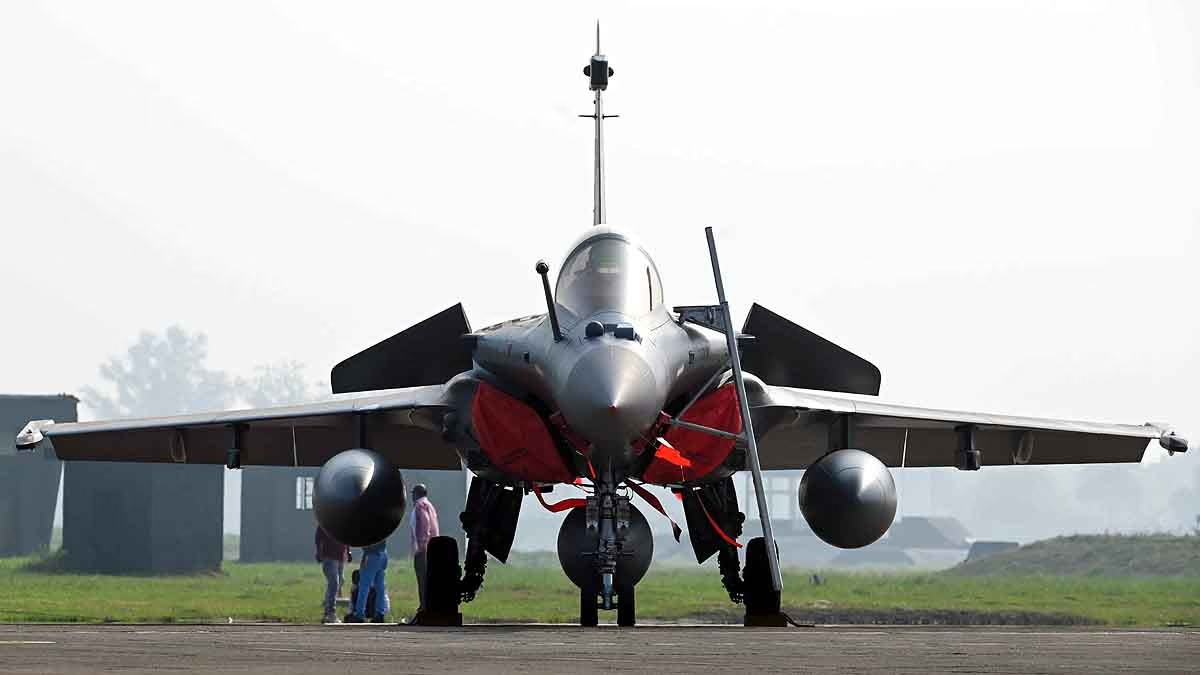
The Indian Air Force (IAF) is taking significant steps to bolster its combat strength. Recently, the Defence Acquisition Council (DAC) approved the purchase of 114 more Rafale fighter jets from France, marking a direct increase in squadron numbers for the Air Force.
Alongside, this will form a potent combination with indigenous aircraft like the LCA Mk1A, LCA Mk2, and AMCA. Currently, the Air Force has about 20 squadrons, although 42 are required. Let's explore how much strength 114 Rafales will add, the role of indigenous aircraft, and the overall enhancement of the air force.
Air Force's Current Status: Squadron Shortage
The Indian Air Force currently operates 29 fighter squadrons, including Su-30MKI (12-13 squadrons), Rafale (2), Mirage 2000 (3), MiG-29 (3), Tejas Mk1 (2), and Jaguar (6). The requirement is 42 squadrons, but with aging planes retiring, 8-10 more squadrons could be retired in the next decade, worsening the situation.
Source: aajtak
The threats posed by neighbors such as China and Pakistan make it crucial to increase the squadron numbers. The Air Force aims to reach 42 squadrons by 2035, but delays are occurring. A squadron typically contains 16-18 fighter jets. Modern jets like Rafale house 18 within a squadron.
How Much Will 114 Rafales Boost Strength?
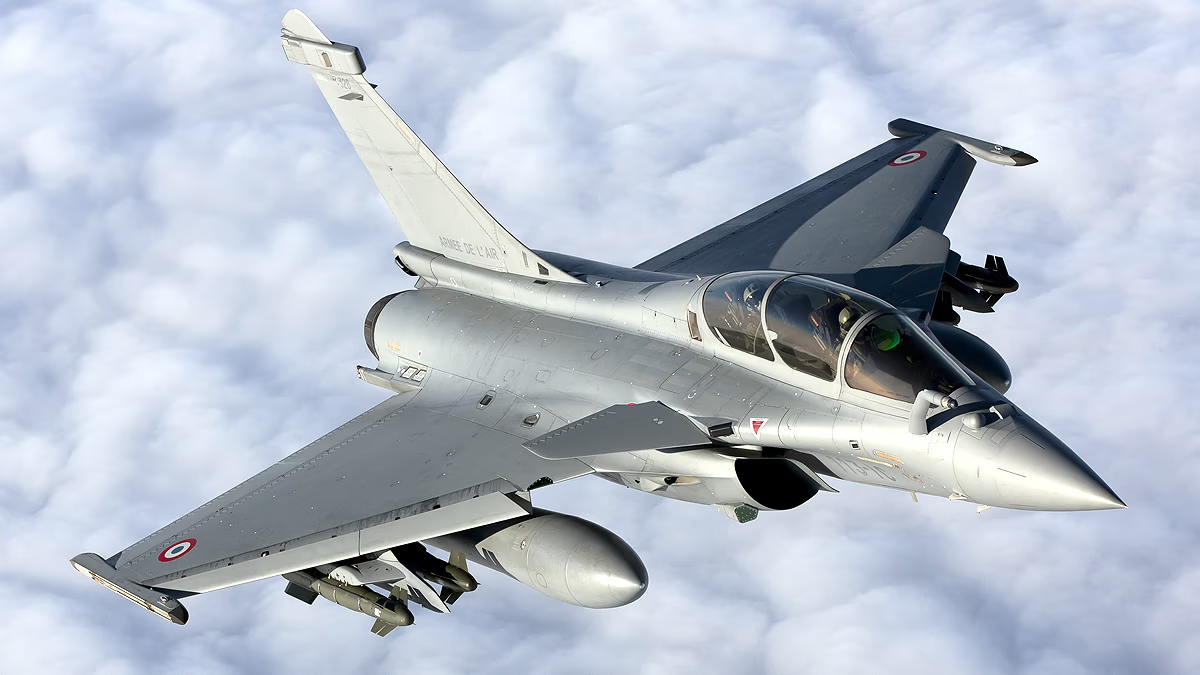
The Indian Air Force currently operates 36 Rafales across 2 squadrons. An additional 114 will total 150 Rafales, adding approximately 6 new squadrons. This will raise the squadron count from 29 to 35, significantly covering the deficit.
The Rafale is a 4.5 generation multi-role fighter excelling in both air-to-air and air-to-ground assaults, and electronic warfare. Costing around 3.25 lakh crores, 18 will arrive in a ready state, while the remainder will be constructed within India.
This initiative will boost 'Make in India'. The Rafale’s range, radar, and missiles will provide the IAF an edge against China-Pakistan adversities. Yet, it serves as a temporary solution, with indigenous jets meant for the long haul.
Role of Indigenous Aircraft: LCA Mk1A, Mk2, and AMCA
The blend of Rafales and homegrown aircraft like LCA Mk1A, LCA Mk2, and AMCA will cultivate self-reliance in the IAF. Developed under 'Make in India', plans encompass over 400 indigenous fighters.
Source: aajtak
LCA Mk1A (Tejas Mk1A):
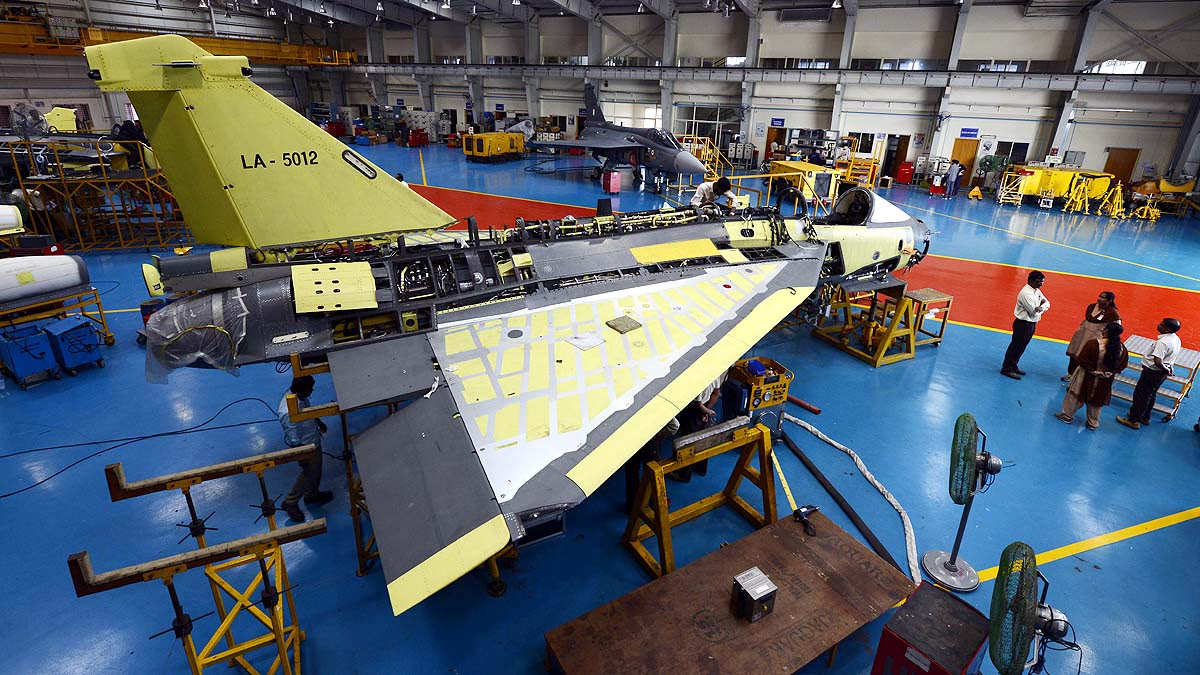
An advanced iteration of the Tejas, 180 units (83+97) have been ordered to form 10 squadrons, replacing the aging MiG-21. The Mk1A boasts improved radar, electronic warfare, and missile capabilities. Deliveries are scheduled from 2024 to 2029, adding 10 squadrons to the tally.
Source: aajtak
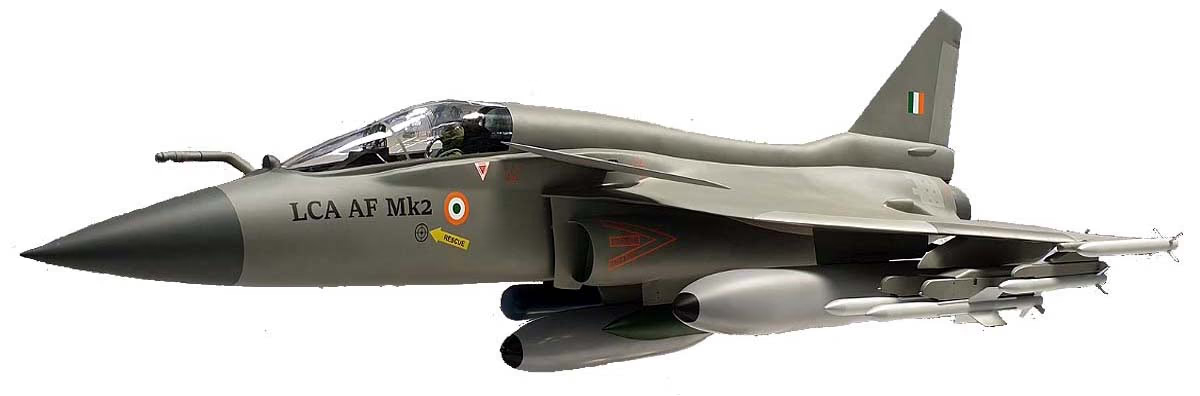
LCA Mk2 (Tejas Mk2):
A medium-weight contender, paralleling Rafale's power. Planned are 120-130 aircraft (6-7 squadrons), potentially expanding to 200. It features a more powerful engine, payload, and range, with maiden flight likely by 2026. It will excel in high-altitude operations near the China border.
Source: aajtak
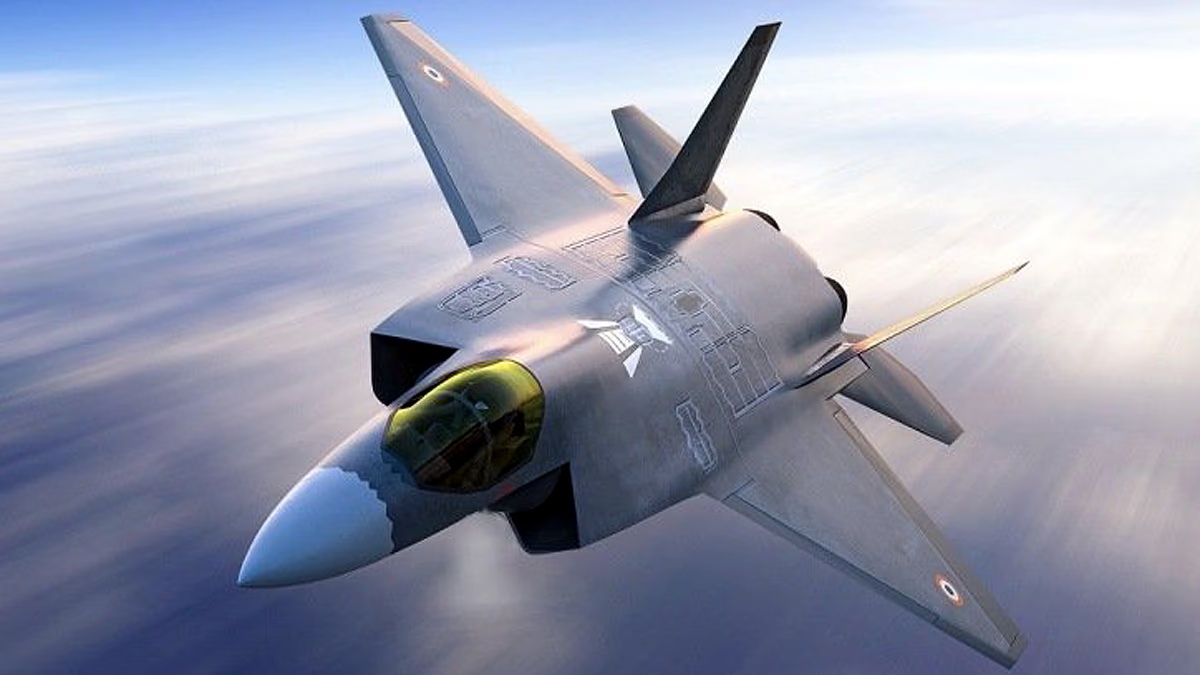
AMCA (Advanced Medium Combat Aircraft):
A 5th generation stealth fighter, initially planned with 126 units (7 squadrons), split into Mk1 and Mk2 variants. Technologically advanced with stealth, supercruise, and AI, induction begins midway 2030. It will rival China’s J-20 fighters.
Overall Increase with Rafale + Indigenous Combo
The addition of 114 Rafales will expand the count by 6 squadrons. Indigenous efforts contribute another 10 from Mk1A, 6-7 from Mk2, and 7 from AMCA – amounting to a 23-24 squadron rise. This enhancement could stretch the IAF's capability from 30 beyond 50 squadrons, effectively empowering three fronts against China, Pakistan, and others. This composition will offer a mixed fleet – Rafales for high-end missions, Tejas for medium roles, and AMCA for stealth operations.
Challenges and Future Outlook
Delay poses a challenge – Mk1A deliveries are behind schedule while Mk2 and AMCA are under development. Nonetheless, quick imports like Rafale will provide a rapid boost in strength. Experts emphasize that focusing on indigenous designs will foster self-reliance. If plans succeed, the IAF could rank amongst the world's strongest forces by 2035.