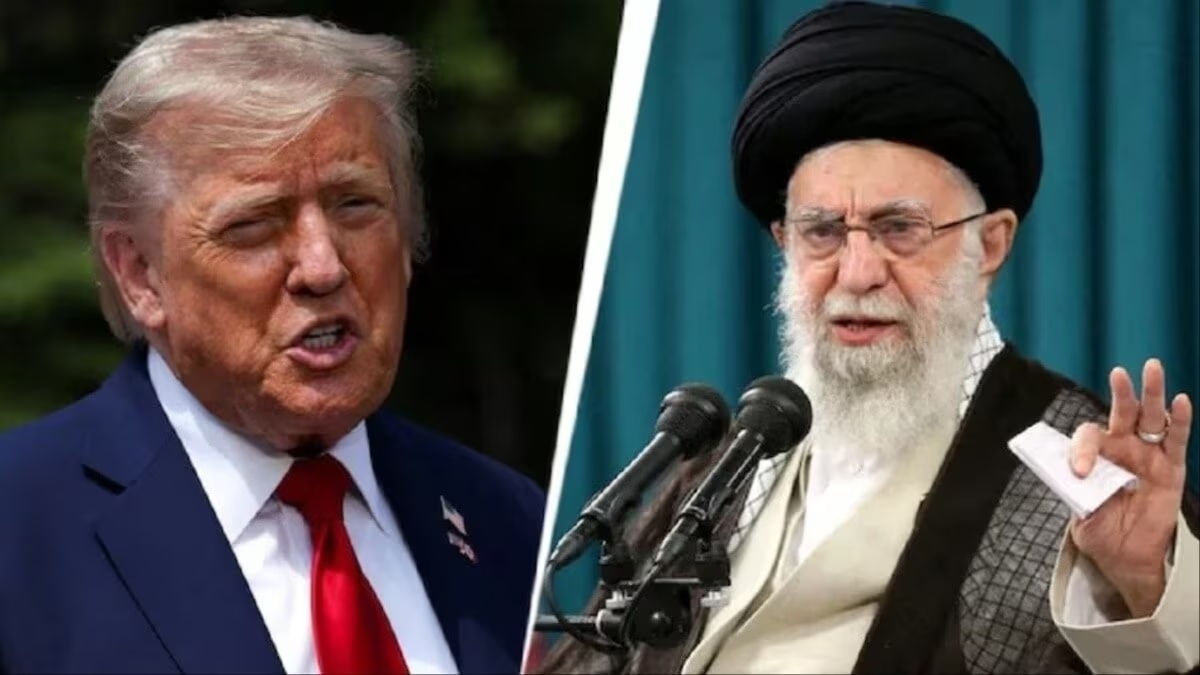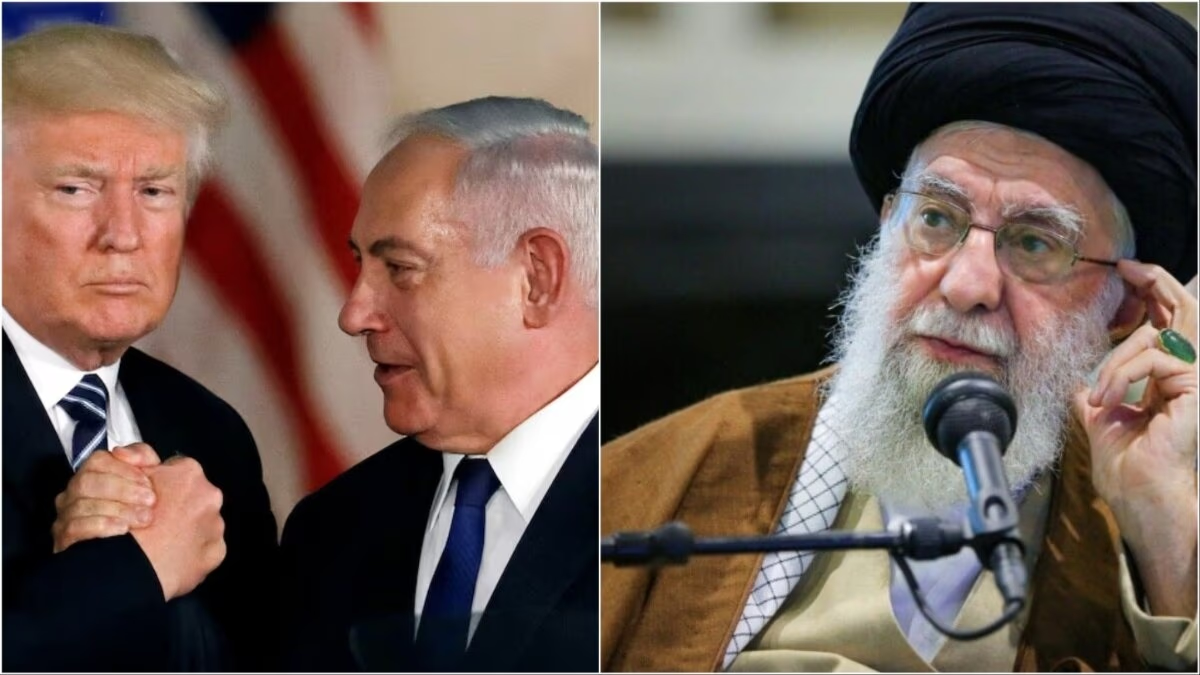
The friction between the United States and Iran has escalated to new heights. Following recent protests over Iran's economic struggles, U.S. President Donald Trump has been putting steady pressure on Iranian Supreme Leader Ali Khamenei's government. Trump has long advocated for a new nuclear deal with Iran and recently claimed Iran is ready to negotiate to avoid military intervention.
However, Trump also clarified that actions would be re-evaluated if no agreement is reached. Regarding the deadline pressure, he added, "Iran understands this well." Meanwhile, Iran has openly set its conditions. During his visit to Turkey, Iran's Foreign Minister Abbas Araghchi reiterated that Iran's missile program will not be included in any discussions.
Read more: Iran America Tension Live: ‘Iran wants a nuclear deal...’ Trump changes tone after warning
Araghchi emphasized that no country compromises its security and self-defense, declaring Iran's ballistic missile system a red line for national security. He also indicated no current plans for talks with the U.S.
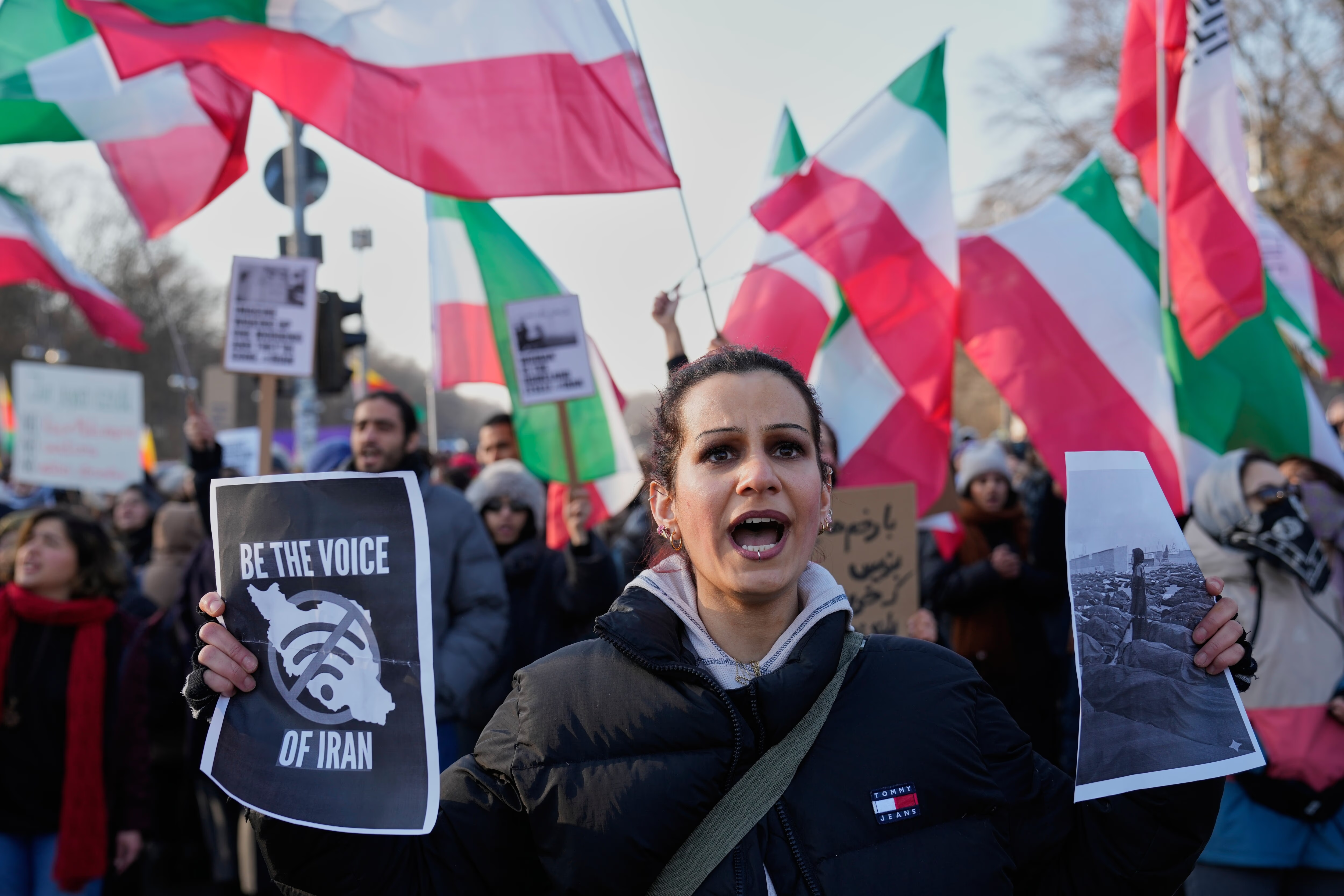
Source: aajtak
Abbas Araghchi asserts that no negotiations will occur until the U.S. provides definitive assurance against military actions during talks. Iran believes negotiations are futile amidst threats and pressure. Ali Khamenei has frequently stated that the U.S. cannot be trusted and that nuclear talks with America are meaningless.
Deciphering the U.S.-Israel Strategy
In reality, both the U.S. and Israel want the new nuclear deal to extend beyond uranium enrichment. They aim to include constraints on Iran's missile program as well. The Trump administration calls for a "comprehensive deal" addressing nuclear programs, missile capabilities, and Iran's regional relationships.
Israel has openly stated it will not accept any agreement that permits Iran's missile construction. Israeli leaders have invoked the "Libya model" of 2003, advocating for complete disarmament. In June 2025, targeting this goal, Israel launched attacks on Iran, striking its nuclear and missile facilities.
Numerous influential American congressional leaders support Israel’s stance. Figures like Republican Senators Lindsey Graham and Tom Cotton have publicly asserted that a sustainable, strong deal is only possible if Iran fully halts its uranium enrichment and missile activities.
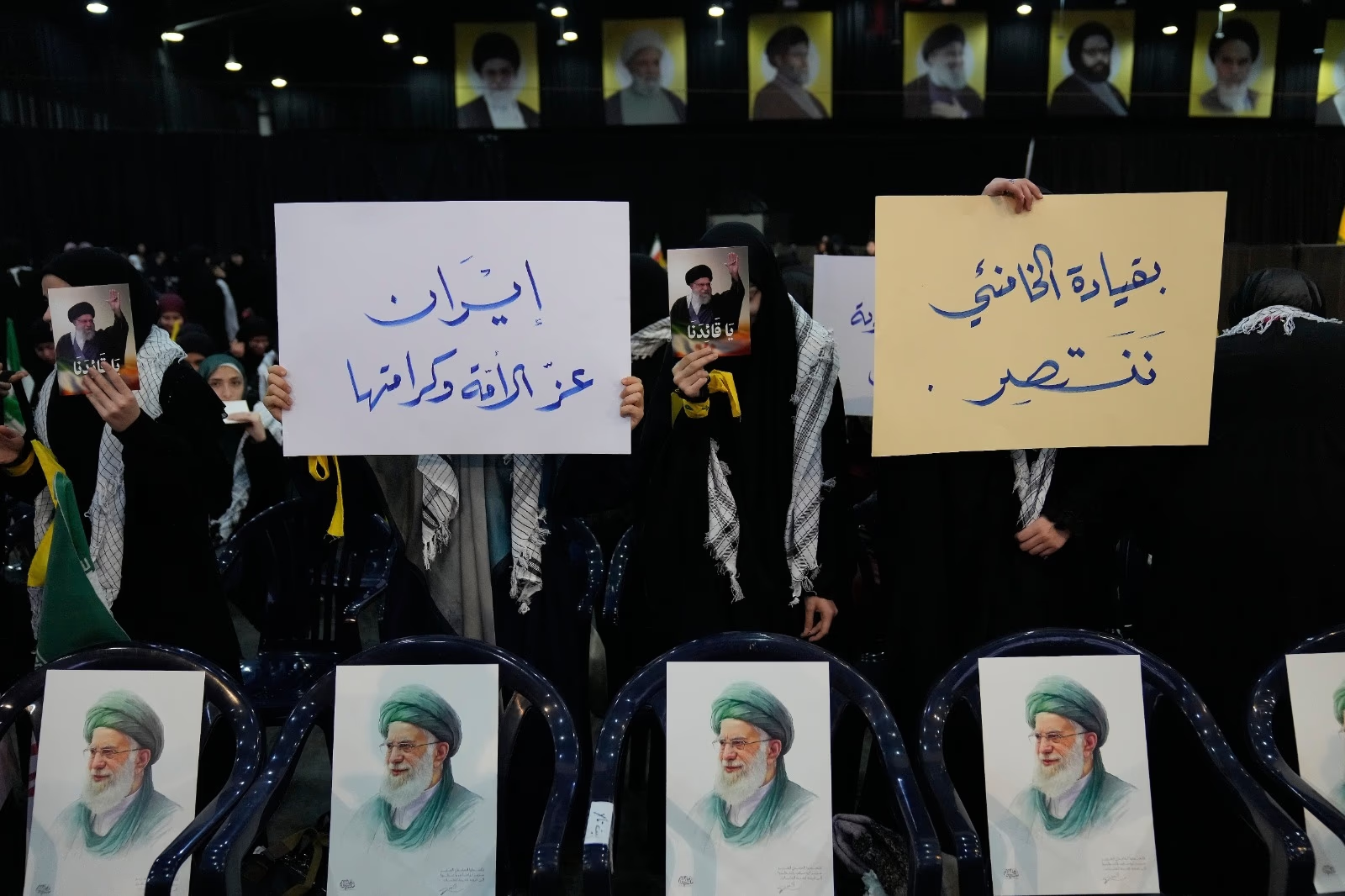
Source: aajtak
Read more: Iran fortifies positions at devastated nuclear sites, new satellite images increase U.S.-Israel tension
The American Economic Pressure on Iran
The U.S. has persistently wielded economic pressure as a tool. Under the