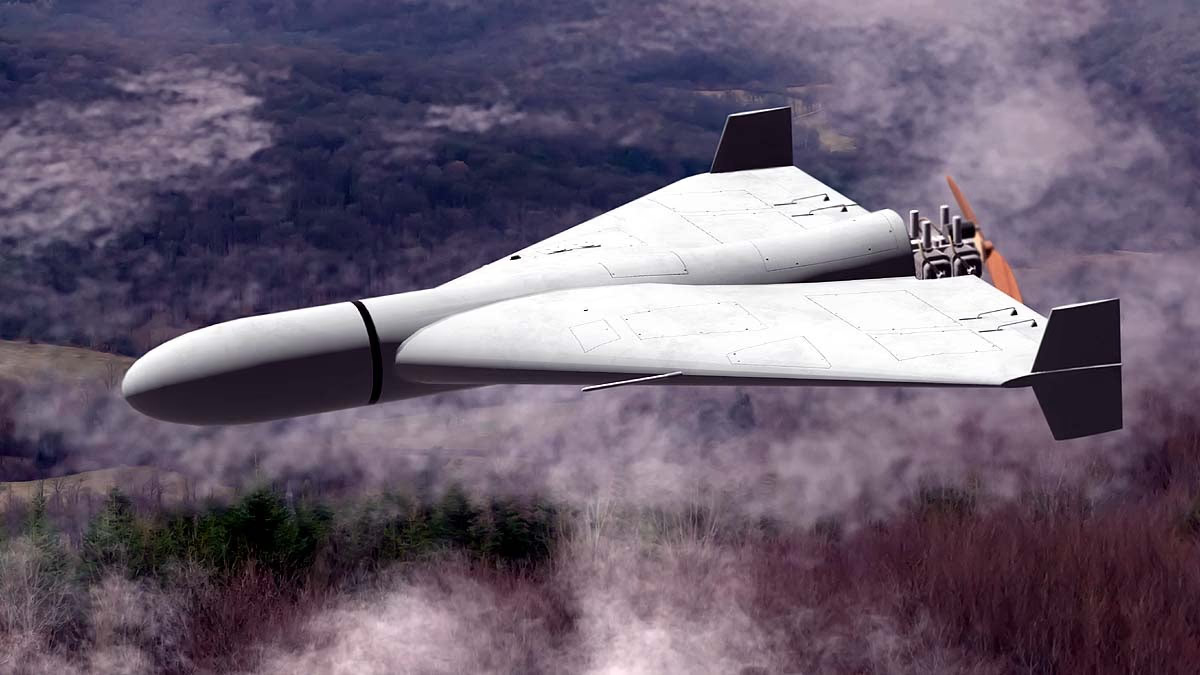
The tension between the U.S. and Iran has reached its peak. On February 27, 2026, the Pentagon (U.S. Department of Defense) made a significant announcement – they plan to replicate and enhance drones originally made by Iran and use them against Iran. This marks America’s first kamikaze drone unit named Task Force Scorpion Strike, deployed in the Middle East. If President Donald Trump authorizes, an attack on Iran could commence.
Why the U.S.-Iran Tension?
Iran’s nuclear program has been a center of controversy for years. The U.S. and Israel accuse Iran of secretly building nuclear bombs. Upon taking office in 2025, Trump imposed strict sanctions on Iran, stating – either make a deal or prepare for an assault.
In February 2026, the United States deployed over 500 fighter jets in the Middle East, along with two aircraft carriers, USS Abraham Lincoln and USS Gerald Ford, and thousands of troops. In response, Iran threatened missile strikes on American bases if attacks occur.
Negotiations continue in Geneva, but a major agreement has yet to be reached. Iran claims its program is peaceful, while America demands that all enriched uranium be handed over, facilities at Natanz, Fordow, and Isfahan be dismantled, and uranium enrichment permanently halted.
Source: aajtak
What is Task Force Scorpion Strike?
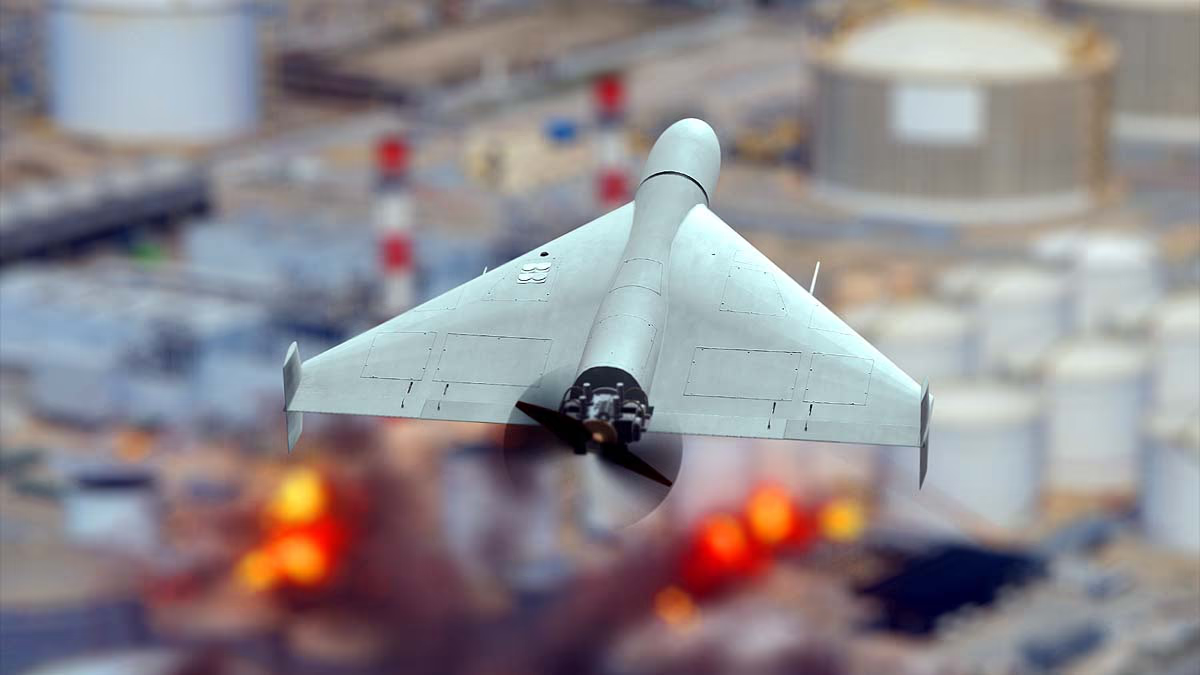
This is the United States’ inaugural kamikaze drone unit, launched in December 2025, and now active in the Middle East.
Drone Name: LUCAS (Low-Cost Unmanned Combat Attack System)
Source of Idea: Inspired by Iran’s Shahed-136 drone. Russia has used it for thousands of attacks on Ukraine. The U.S. captured one, dissected it, and developed an improved version.
Developed by: SpectraWorks (an Arizona-based company).
Cost: Just $35,000 per drone – highly affordable.
Features...
Autonomous (flies without needing a pilot).
GPS-Denied Navigation (operates without GPS).
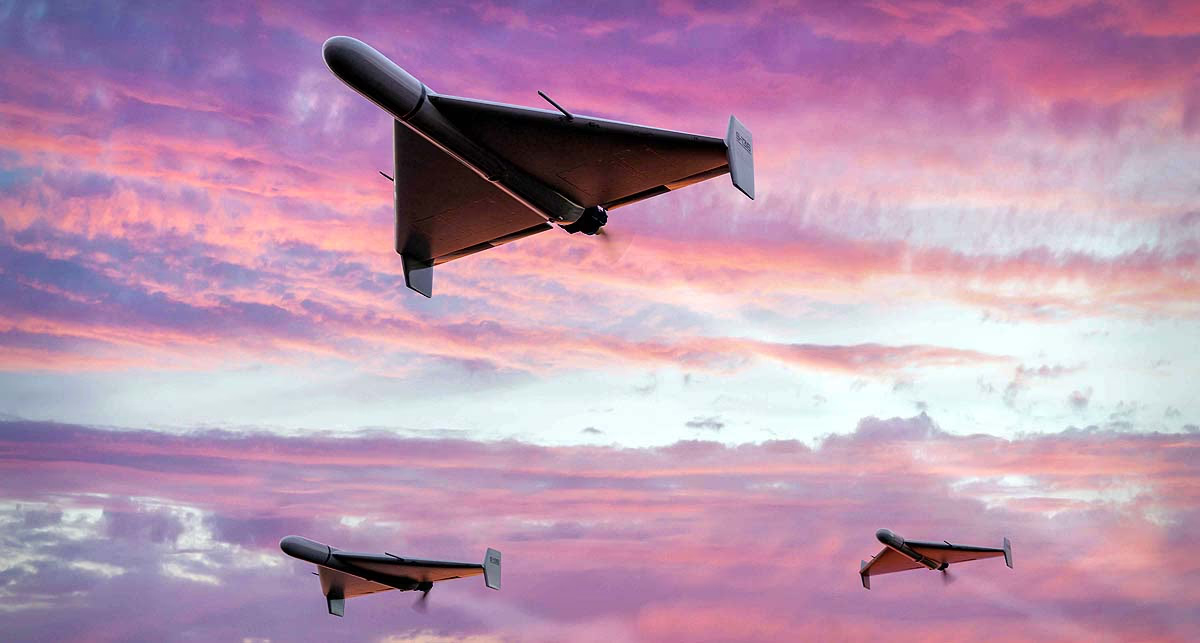
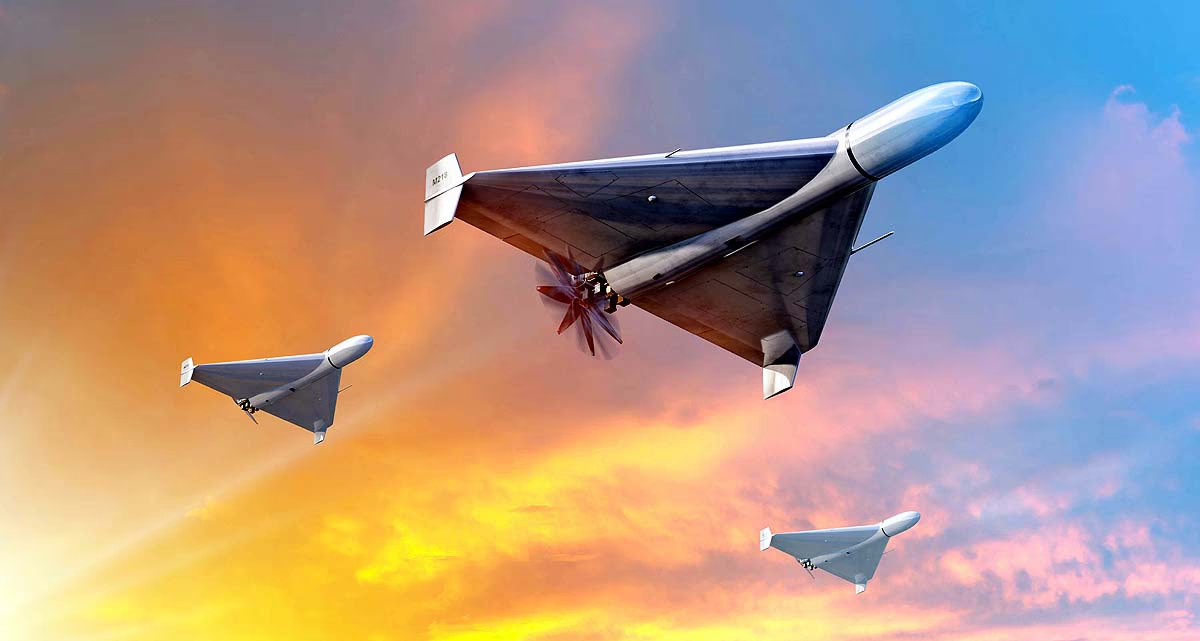
Swarming (a fleet of 40 drones attacking simultaneously).
One-Way Assault – crashes into targets, detonating upon impact.
40-Pound Payload (can carry explosives).
This drone is designed to strike soft targets like missile sites, roads, and factories, under the command of CENTCOM (Central Command).
Source: aajtak
Why is This Drone Necessary? – The Weaponry Equation
According to Politico, the U.S. has high-tech weapons like Tomahawk Missiles ($2 million each) and JDAM bombs ($25,000-$40,000 each) but can only sustain them for 7-10 days. In a prolonged conflict, the stockpile would deplete.
Iran is aware of this, which means the U.S. needs inexpensive, mass-produced weapons. The LUCAS drones are the solution to this problem – they are cheap, disposable (single-use), and lethal. They could prolong a 7-day war into months. The Pentagon has declared – this unit is ready to participate, suggesting a plan of action is underway.
Outcome of Geneva Talks – Good Progress But Far Apart
On February 26, 2026, the third round of talks in Geneva concluded. Iran’s Foreign Minister Abbas Araqchi stated – This was the most serious and lengthy meeting, lasting 4 hours in the morning and 2 in the afternoon. Good progress was made. However, the Wall Street Journal reports that both parties are far apart on key issues, with Iran unwilling to stop uranium enrichment, dismantle plants, or agree to permanent restrictions.
Oman (mediator) remarked – significant progress but no deal. The next technical meeting is scheduled for Vienna next week. Both statements are accurate – the atmosphere has improved, but there is no agreement on core issues. This gap could spark the onset of conflict.
Source: aajtak
Trump’s Decision – The Clock is Ticking
If the decision is announced after market closure, the world will have the weekend to ponder. If earlier, institutions have an hour to reposition. This method prevents market shocks. On February 19, Trump set a 10-15 day deadline – the time is now dwindling.
What’s Next? – War or Deal?
If no deal is reached, the U.S. might launch an attack on Iran’s nuclear sites using LUCAS drones. Iran had developed the Shahed to intimidate adversaries, but now the U.S. has upgraded and plans to utilize it. Yet, war would be damaging to both sides – oil prices could soar, and the Middle East could be destabilized.
Experts suggest – This drone unit signifies America’s new strategy. Using affordable weaponry for extended warfare. Yet, diplomacy remains alive. The U.S. improved upon a stolen Iranian weapon and now uses it for intimidation. While there is progress in Geneva, the differences remain large. Trump’s decision will come tomorrow – war or peace?