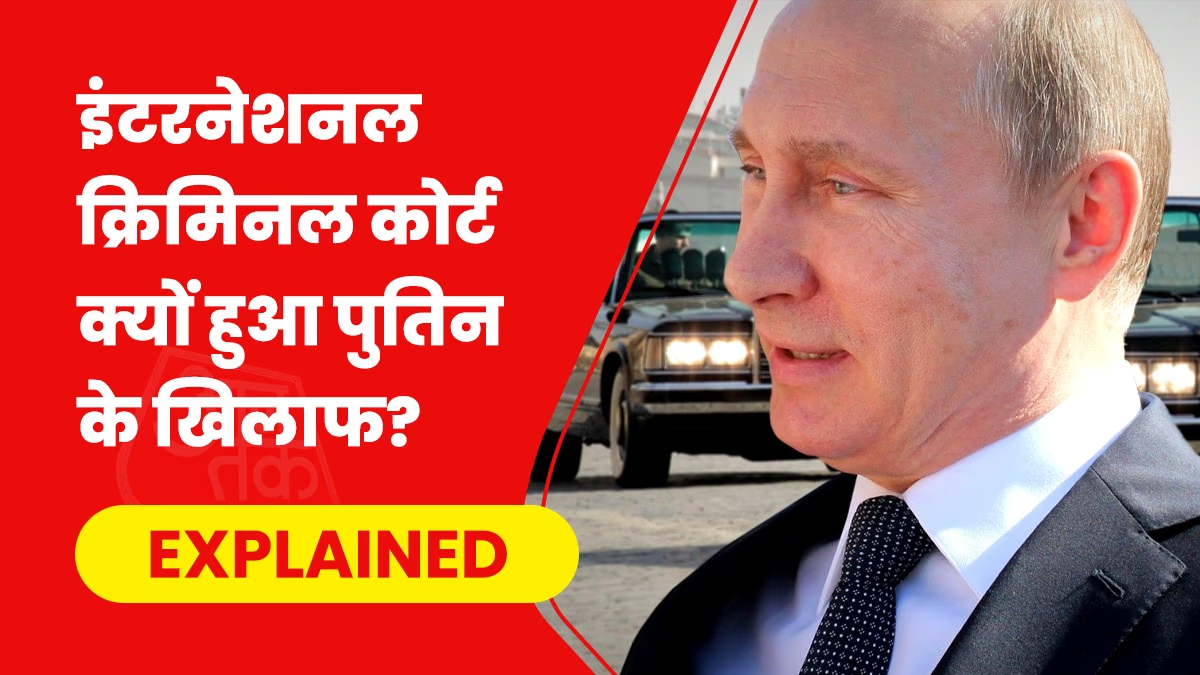
From the onset of the war between Russia and Ukraine in February 2022, peace efforts have been ongoing. Officials from both nations convened in Belarus and later Turkey, engaging in diplomatic dialogues in hopes of halting the conflict, yet the situation remains unchanged four years later. The U.S. has persistently strived for reconciliation. Recently, the Trump administration has put forward a 28-point peace plan.
Peace Efforts Initiated from the Start
Turkey served as a mediator in continuous peace talks. This took place a month after the Russia-Ukraine war began. Turkish President Recep Tayyip Erdoğan revealed that Ukraine was prepared to drop its NATO membership bid while granting Russian official language status. Shortly after, demonstrating diplomatic acumen, Russia suggested withdrawing its forces from Kyiv—though temporarily. The conflict soon escalated, continuing unabated.
Now, Russia's demands have intensified. It seeks official control over Crimea and desires several other territories it has occupied during this war. These are predominantly Russian-speaking regions long claimed by Russia. Former mediators, Turkey and Belarus, have receded from peacemaking, but the U.S. has stepped in, unveiling a 28-point plan that openly favors Moscow.
Source: aajtak
What Trump's Peace Plan Says
According to the proposal, Crimea, Luhansk, and Donetsk would fall under Russian control, though they were once part of Ukraine.
Under the peace plan, Ukraine must reduce its military size to 600,000 soldiers and refrain from possessing long-range weapons.
Ukraine has long sought NATO membership. Trump insists that relinquishing this endeavor is essential for peace talks to progress.
While Ukraine faces losses, conversely, Russia seems to gain the upper hand. Trump has promised that if Russia consents to a ceasefire, all sanctions imposed over the past decade will be lifted. Crucially, the plan demands Ukraine make significant concessions, suggesting that current warfront boundaries be deemed final. This implies that Russia won't need to relinquish the territories it has seized. European critics argue that this effectively legitimizes the occupation, causing Ukraine to cede its territory.
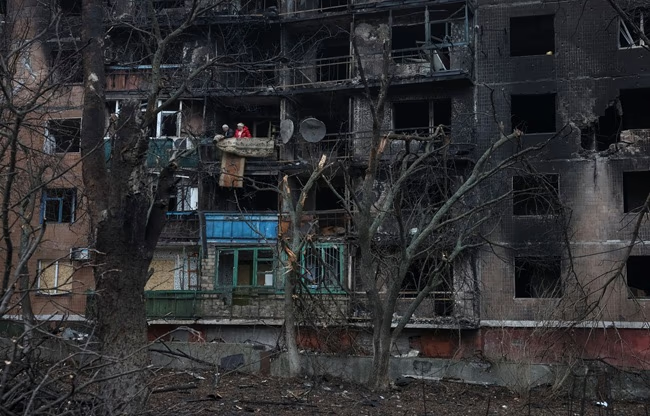
Source: aajtak
Why Trump is Perceived as Lenient Toward Russia
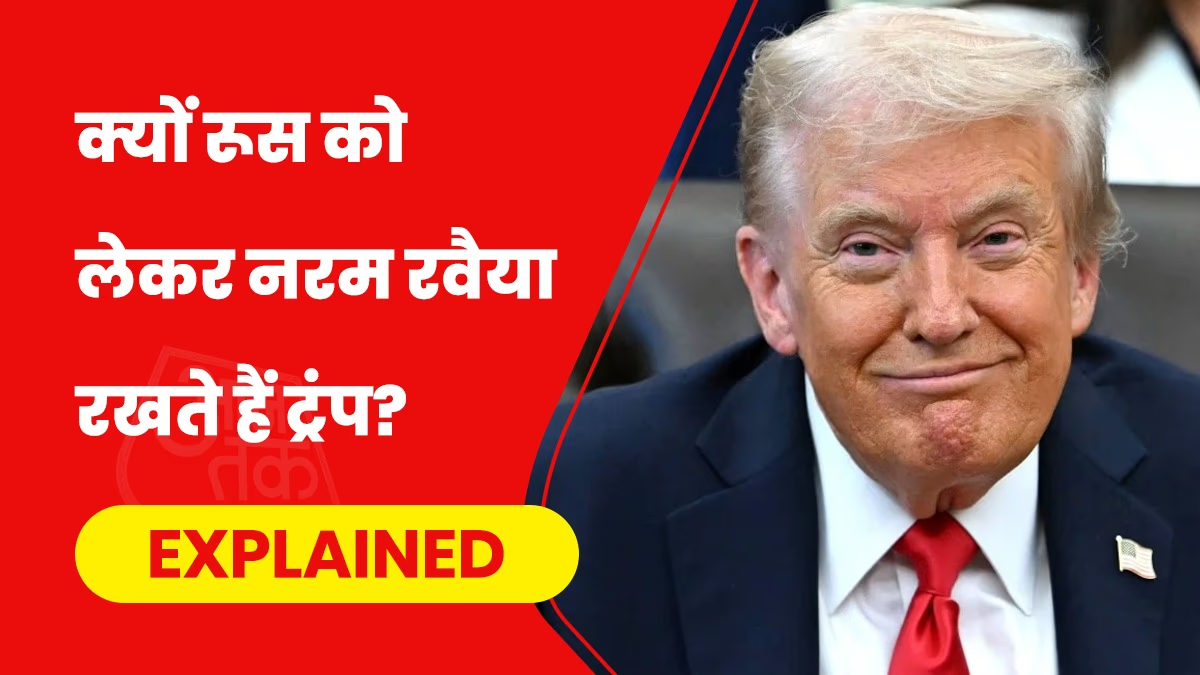
For various reasons, Donald Trump is perceived as closer to Russia than Ukraine, which is evident in his statements and foreign policy stance. Trump has consistently argued that the U.S. should not spend excessively on Ukraine. He prioritizes America First and considers investing in other countries' conflicts unnecessary, explaining his apparent disengagement with Ukraine during his second term. Additionally, Trump has shown personal affinity toward Russian President Vladimir Putin, often lauding him as strong.
A significant reason for skepticism lies with NATO. During his first term, Trump maintained a distance from NATO, believing that national security should not be the sole responsibility of the U.S., urging all NATO member states to invest accordingly. The same sentiment emerged at the onset of the Ukraine war. America's financial involvement in this conflict is substantial, yet it sees no direct benefit.