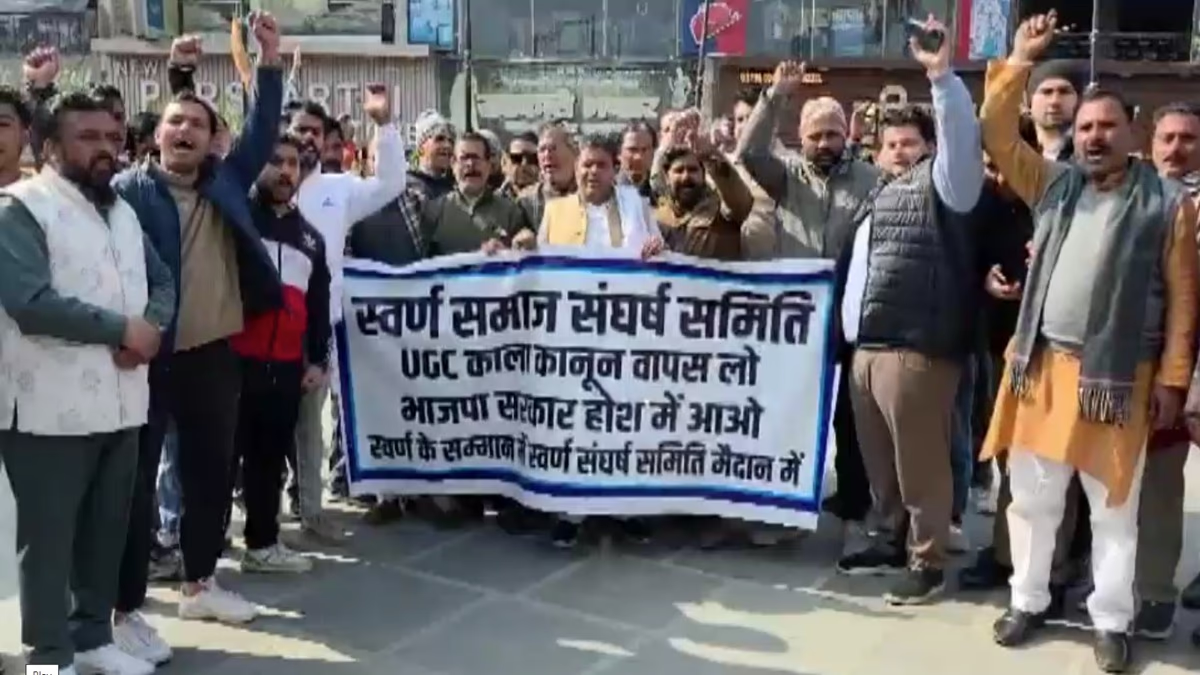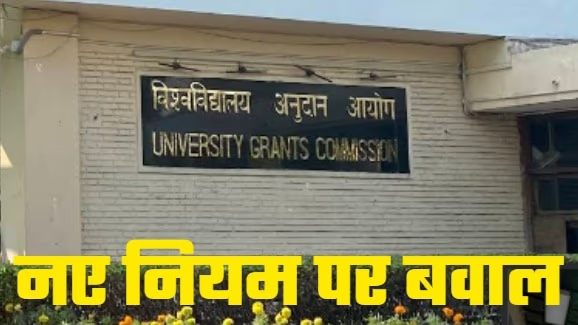
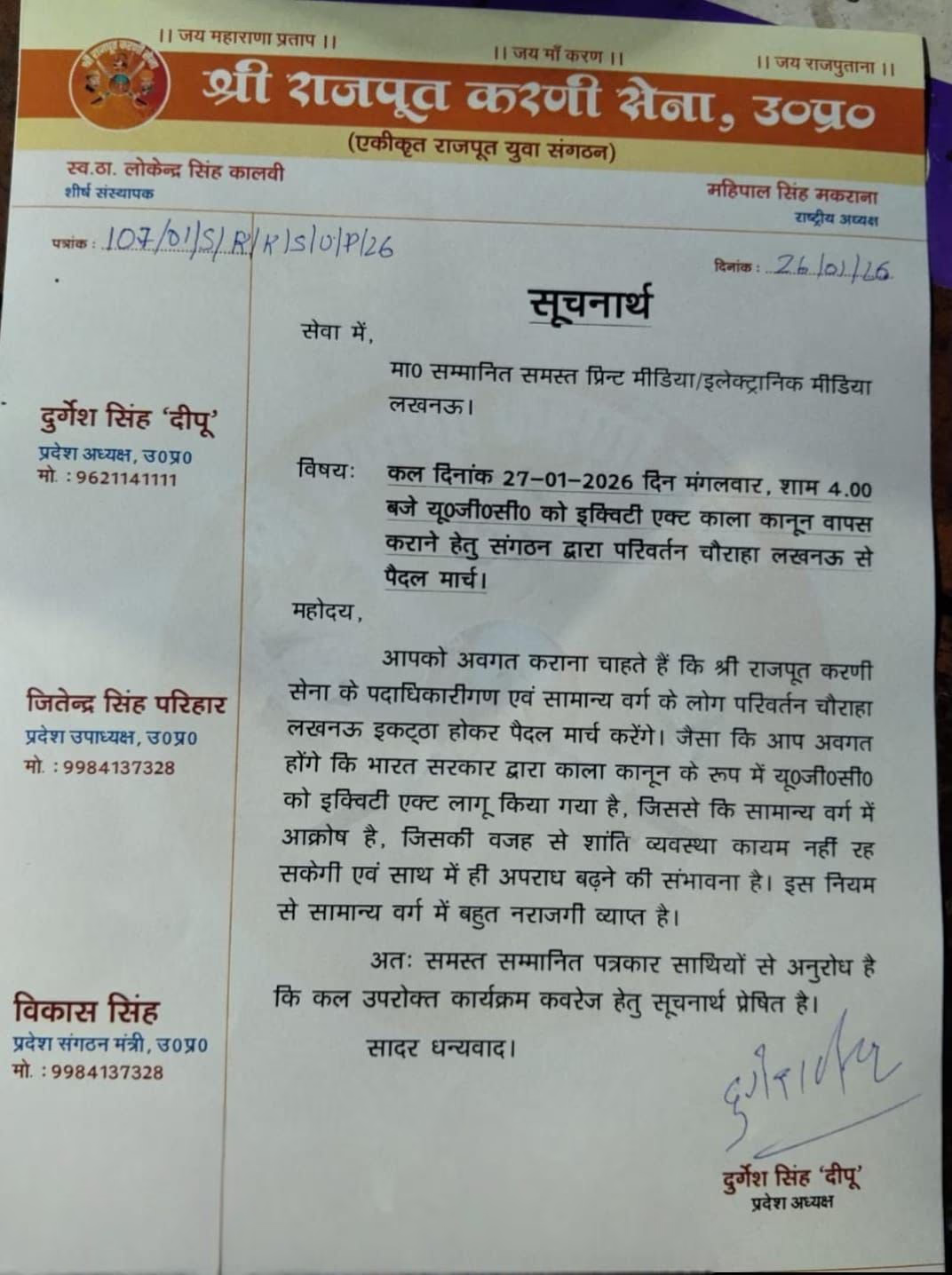
A significant protest is set to erupt in the capital city of Lucknow against the UGC law. This demonstration will begin at Parivartan Chowk at 4 PM on January 27. Durgesh Singh, the state president of the Karni Sena, has called for action against this law, urging people to come out onto the streets.
Durgesh Singh emphasizes that the UGC law goes against the interests of the upper caste community, inciting growing dissatisfaction. He asserts that individuals from the upper caste community will join in large numbers, presenting a robust case to the government.
The Karni Sena claims the protest will remain entirely peaceful, yet it vows to persistently voice its demands to the government through every possible means. The organization has appealed to its supporters to congregate at Parivartan Chowk at the designated time.
Administration remains vigilant about the upcoming protest against the UGC law. There is a potential for stringent security measures to ensure the maintenance of law and order in the capital city.
Source: aajtak
City Magistrate's Resignation in Bareilly
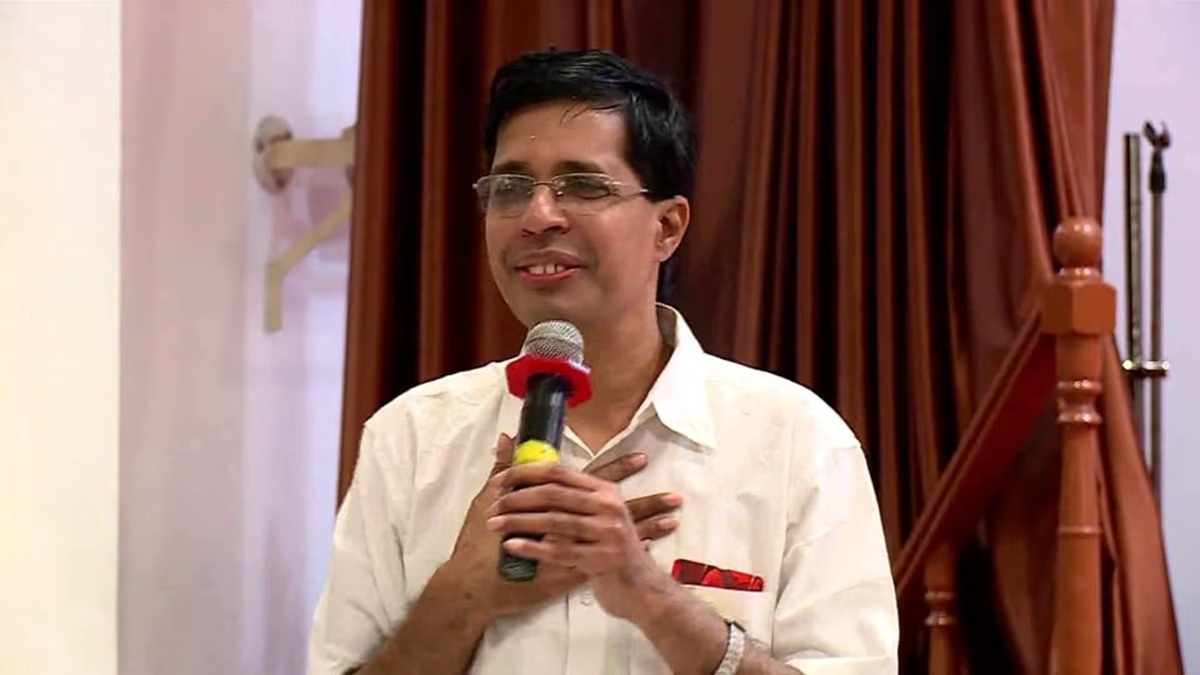
Alankar Agnihotri, the city magistrate stationed in Bareilly, Uttar Pradesh, has resigned amid controversies related to UGC rules and Shankaracharya Swami Avimukteshwaranand. It has been reported that his resignation has been submitted to the district magistrate. This development raises questions about the official procedure following an administrative officer's resignation and who ultimately makes the final decision.
What follows after a resignation?
In administrative systems, although the Governor is the constitutional head of the state, the procedure for an officer's personal resignation differs. When an officer, like a city magistrate, decides to resign, they generally send their resignation through the district magistrate to the government. In some cases, it can also be sent directly to the appointment department or government.
When is the resignation accepted?
A resignation is forwarded by the DM to the government's appointment department. The government then decides whether to accept the resignation or not. There is no fixed timeline for this process, which can be resolved in days, weeks, or even months. The final decision rests entirely at the government's discretion.