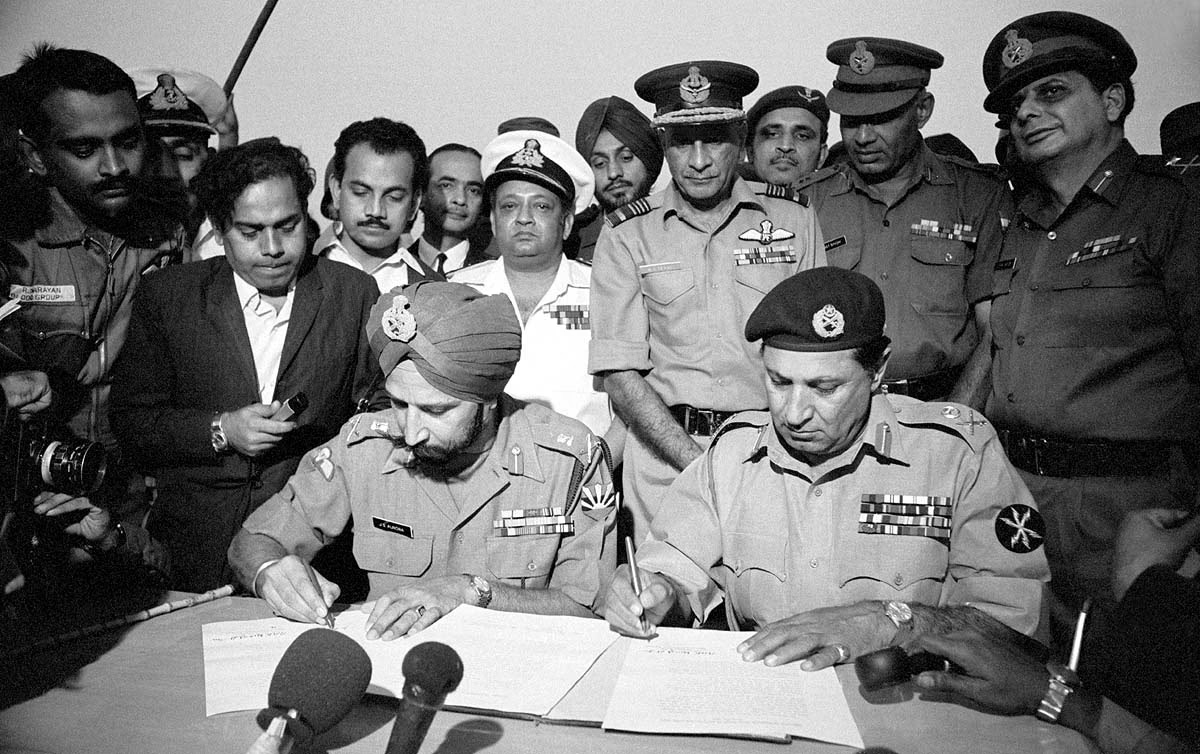
Exactly 54 years ago, on December 16, 1971, the Pakistani military staged one of history's largest surrenders at Dhaka's Ramna Race Course. Lieutenant General A.A.K. Niazi laid down arms before Indian General Jagjit Singh Aurora. Some 93,000 Pakistani soldiers were taken prisoner. East Pakistan emerged as the new nation of Bangladesh. Yet, Pakistan's internal probe revealed other reasons behind the defeat: indulgence in alcohol, women, and moral degeneration.
The sun shone brightly over Dhaka as Niazi, with trembling hands, signed the surrender documents. Indian and Mukti Bahini commanders stood before him. Behind, there were 93,000 soldiers. Furious Bangladeshi citizens were eager to breach the barricades, Indian flags fluttering high. Half of Pakistan was lost forever.
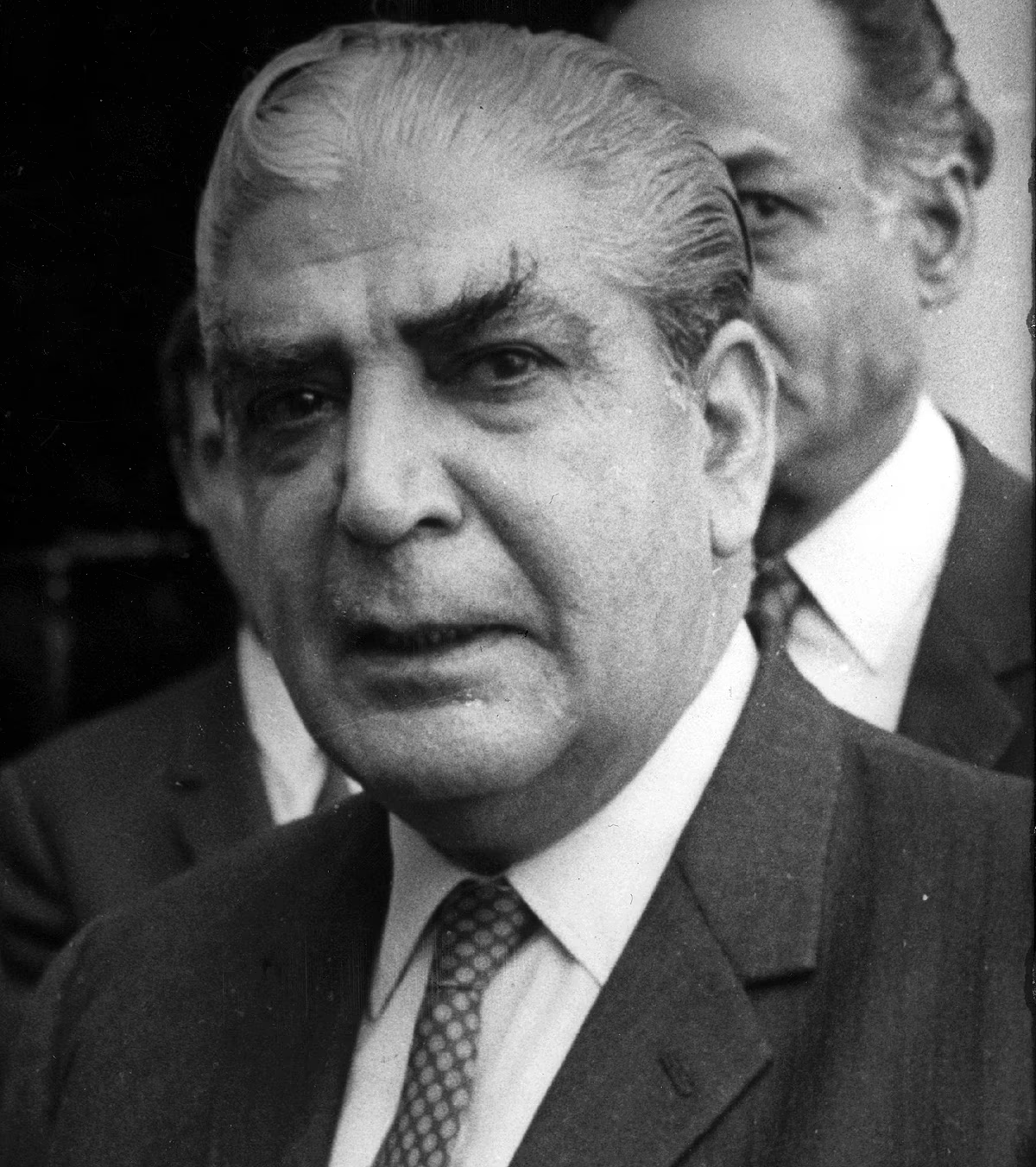
Meanwhile in Rawalpindi, General Yahya Khan struggled with a hangover. His confidante 'General Rani' had left his residence just hours before. Witnesses later revealed that the night's party was exceptionally grand.
Source: aajtak
Shocked by the defeat, Pakistan's new leader, Zulfikar Ali Bhutto, appointed Chief Justice Hamoodur Rahman to lead an inquiry commission. The objective: discover why East Pakistan was lost and who was accountable.
The commission conducted its investigation between 1972-74. The main report was released in 1974, but it was the supplementary chapter on 'moral aspect' that ignited controversy. The commission asserted that the defeat was not only due to military blunders. The moral decay among senior officers was the key factor. This decline, initiated under Martial Law, peaked during Yahya’s reign. Senior officials, mired in corruption and depravity, lost their leadership capabilities.
General Yahya Khan, who came to power in 1969, was fond of drinking and parties. As per the commission, Yahya and his close circle fostered a culture of indulgence and immorality at the pinnacle of power. Amidst news of the defeat from Dhaka, the Chief Commander remained 'occupied'.
'General Rani' or Akeelam Akhtar was one of his closest allies. Though she held no official position, promotions and contracts flowed through her hands. The famed singer Noor Jahan was also a frequent visitor to Yahya’s residence. The commission didn't name them directly, yet they became enduring symbols of the downfall in subsequent narratives.
Niazi bore the commission's harshest judgment. He was found guilty of immorality and corruption. Tales circulated about his connections with a Lahore brothel and his acceptance of bribes. Soldiers reportedly quipped, 'If the commander himself is involved, why would we restrain ourselves?' Niazi also faced accusations of smuggling betel leaves from East Pakistan, which eroded military discipline under his command.
Source: aajtak
The commission concluded that indulgences in alcohol, women, and corruption eroded the fighting spirit of the officers. It recommended court-martials for senior officers, but these recommendations were never implemented. The report remained buried for decades.
Some argue that citing moral decline was a political ploy — the true causes being atrocities against Bengalis, refusal to honor election results, and separatism. Yet, the commission's evidence suggests that moral degradation significantly contributed to the defeat.
Yahya died in 1980, and Niazi in 2004. Neither faced trial. To this day, Pakistan grapples with the lessons of 1971. The hangover that lingers remains a painful reminder.