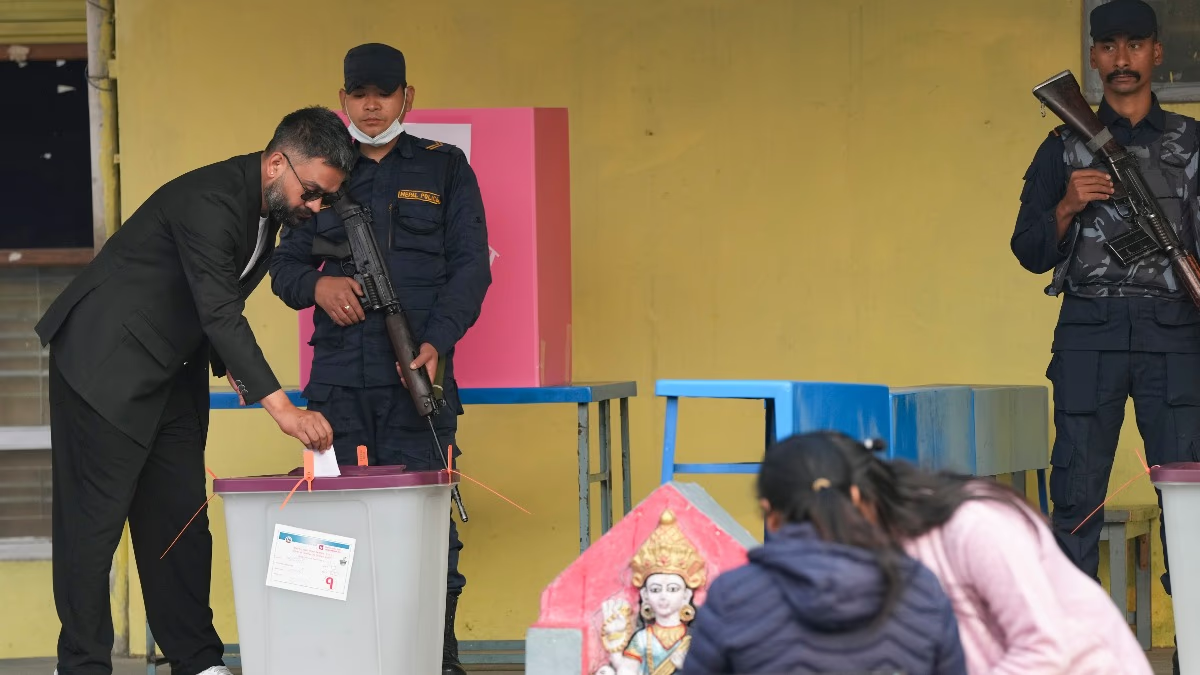
On Thursday, March 5, 2026, Nepal is set to hold its general elections. These elections will determine which leaders will enter the House of Representatives and who will form the next government. Back in September 2025, Nepal witnessed massive anti-corruption student-led protests, often called the 'Generation-Z Movement,' which led to the downfall of then-Prime Minister K.P. Sharma Oli's government. Subsequently, an interim government was established under former Chief Justice Sushila Karki, promising the nation new elections within six months, and those promised elections are upon us now.
Source: aajtak
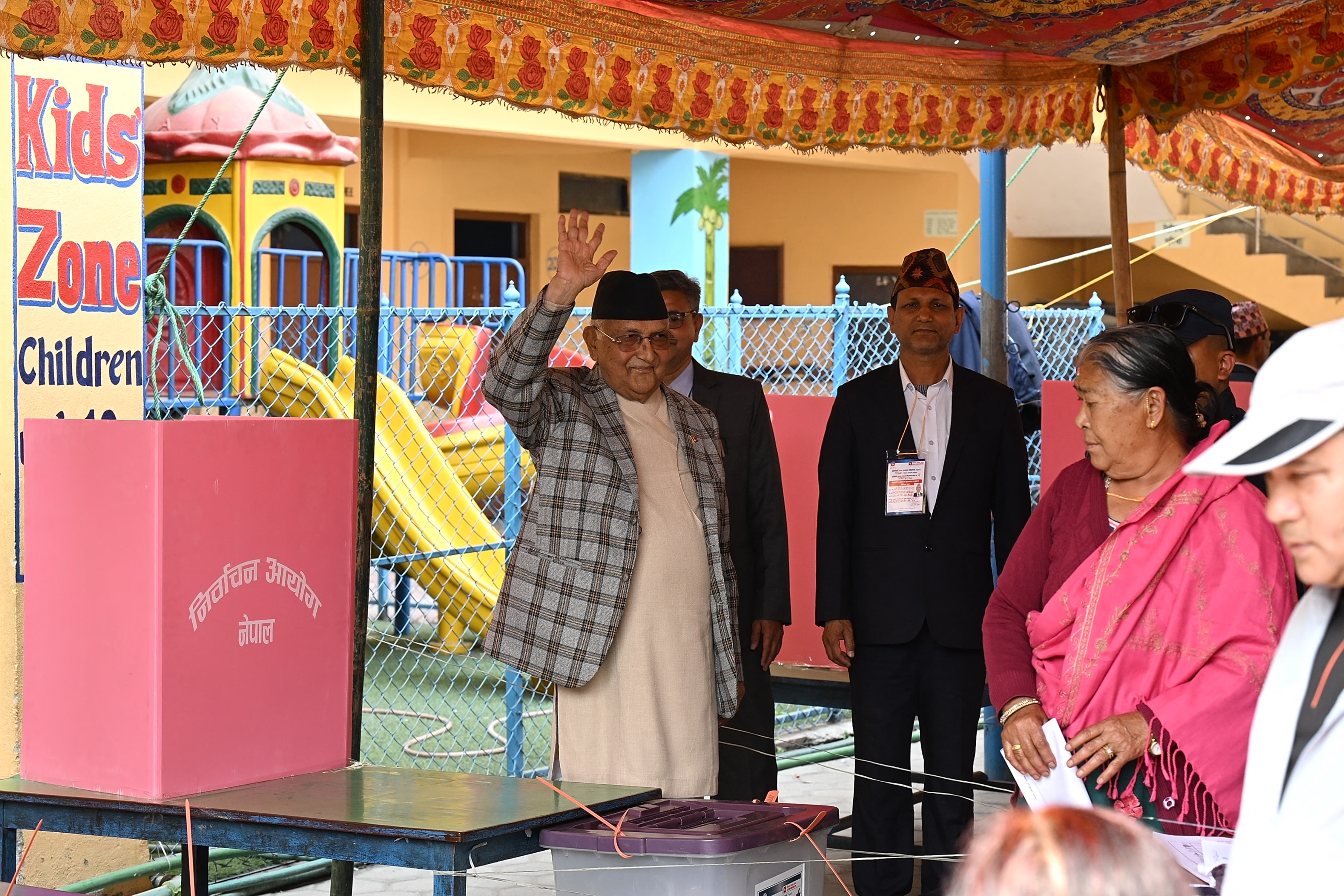
Former Prime Minister and leader of the Communist Party of Nepal - Unified Marxist Leninist (CPN-UML), Khadga Prasad Sharma Oli (left), gestures after casting his vote at a polling station during Nepal's parliamentary elections in Kathmandu on March 5, 2026.
How many seats are in the Parliament?
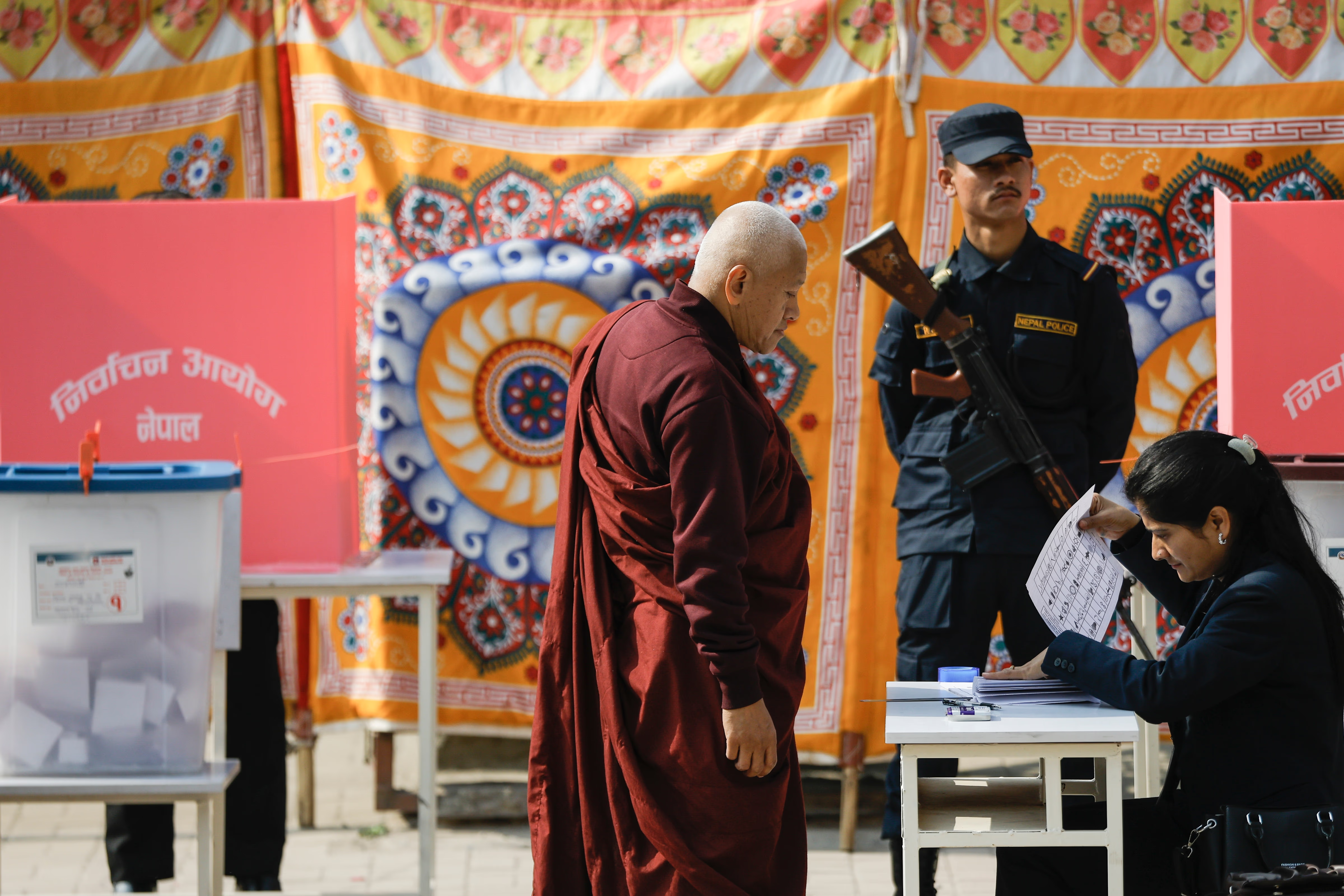
Nepal's parliament, known as the House of Representatives, houses a total of 275 seats. This election is conducted to select these 275 parliamentarians through a unique system known as the mixed electoral system, which means members are elected using two distinct methods, hence voters receive two ballots on election day.
Source: aajtak
How does Nepal's electoral system work?
Nepal utilizes a mixed electoral system - two methods to elect its MPs.
1. First Vote – For the Candidate
In the first ballot, voters select an individual candidate from their constituency. The candidate receiving the majority of votes wins, known as the First Past The Post (FPTP) system. This process elects 165 MPs. For instance, if a seat has five contenders and one gets the most votes, they become the MP.
2. Second Vote – For the Party
The second ballot is for the political party rather than individual candidates. The proportion of votes a party receives nationwide determines its respective share of seats in parliament, known as the Proportional Representation (PR) system. Through this, 110 MPs are elected. For instance, if a party secures 10% of the votes countrywide, it receives roughly the equivalent number of seats. Thus, in Nepal, some MPs are directly elected by public vote, while others are decided based on the overall vote percentage each party receives.
Which are the major parties in the fray?
Several significant political players and leaders have entered this election battle in Nepal.
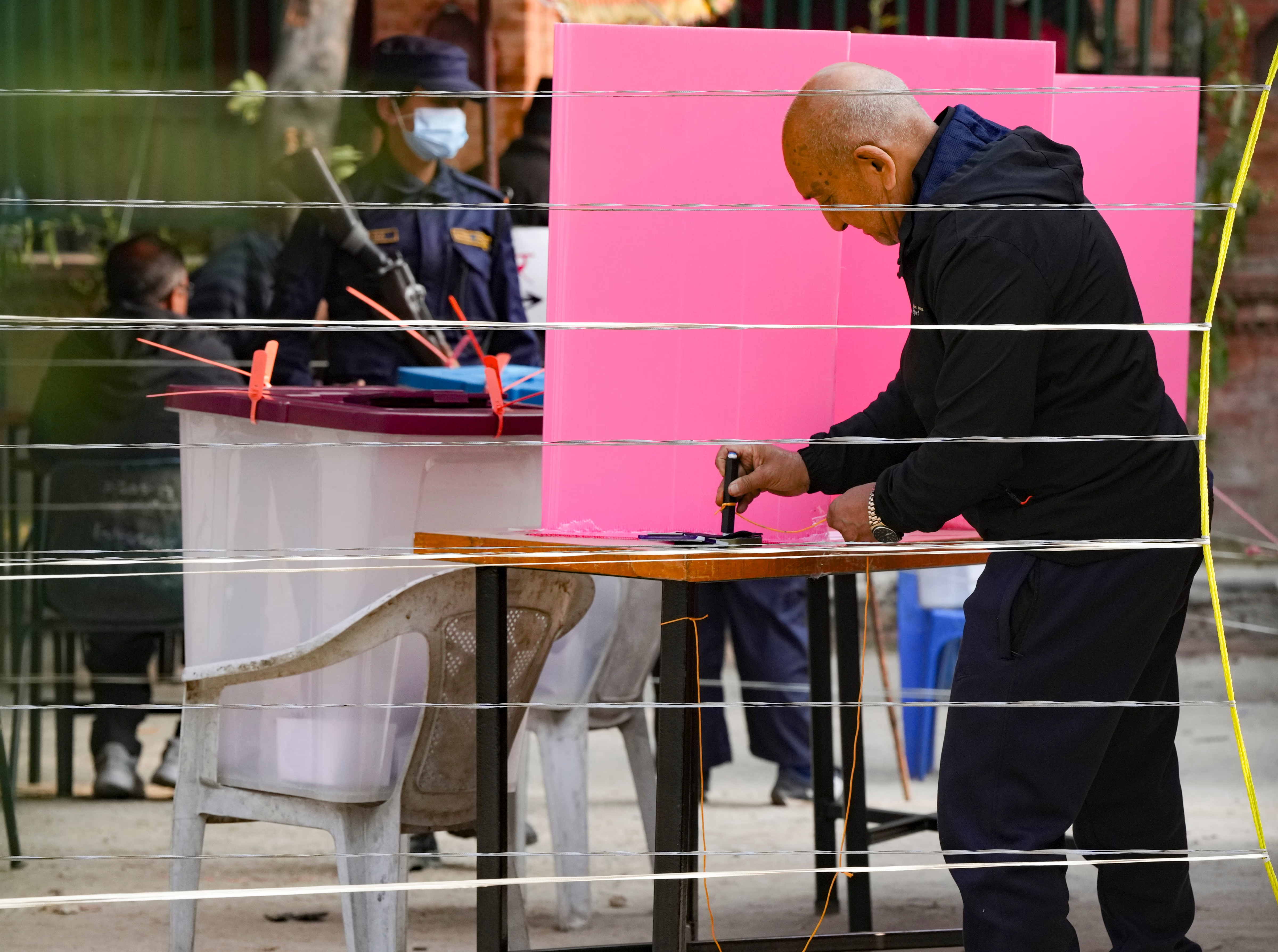
Among the contenders is former Prime Minister K.P. Sharma Oli's Communist Party of Nepal – Unified Marxist Leninist (CPN-UML), attempting a political comeback after being ousted by protests. The Rastriya Swatantra Party (RSP) has also emerged as a strong challenger, under the leadership of Rabi Lamichhane, and has seen key election efforts from Kathmandu's former mayor, Balendra Shah.
Source: aajtak
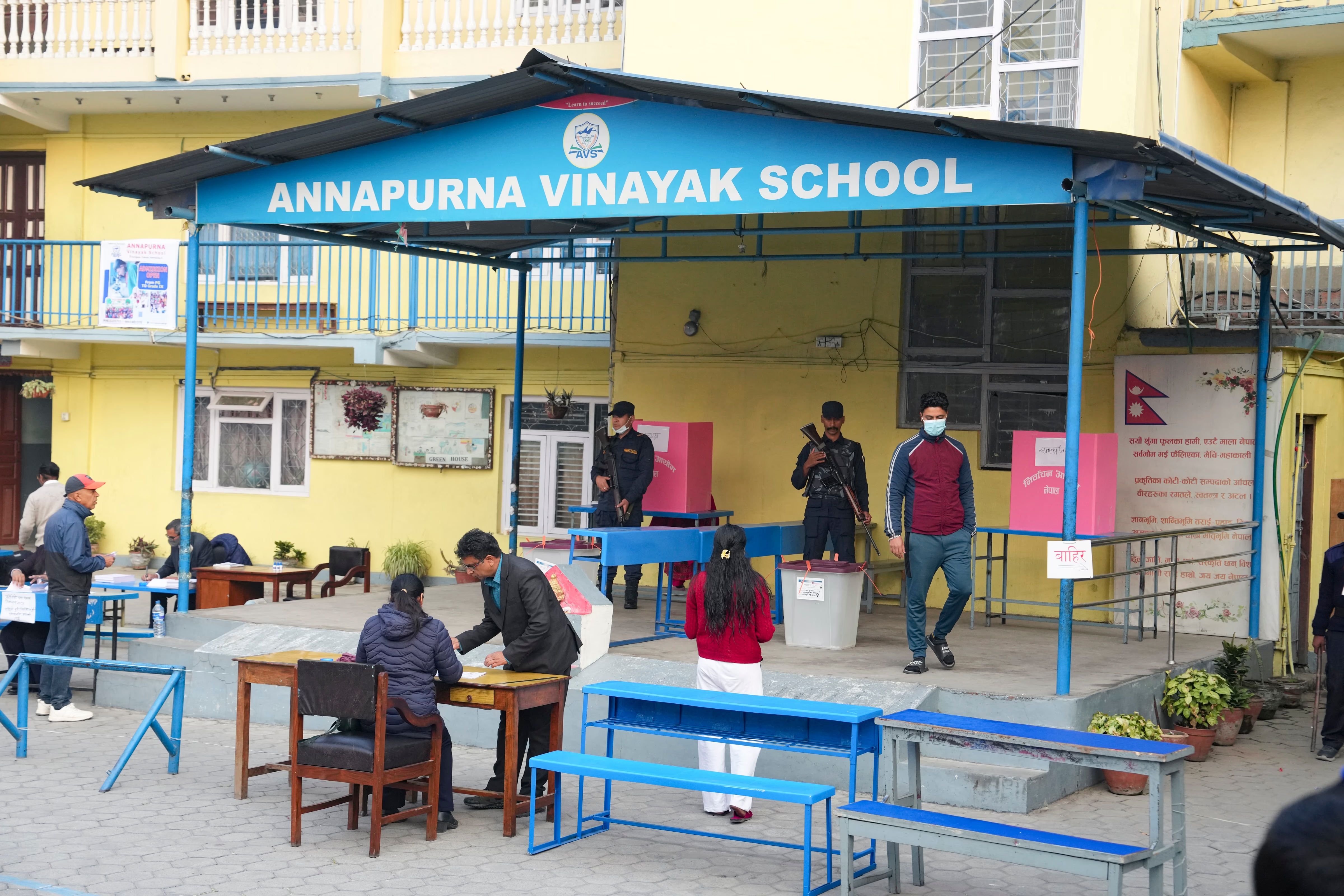
Another notable participant is the Nepali Congress, vying for attention among young voters, having nominated Gagan Thapa as their prime ministerial candidate. Meanwhile, the Communist Party of Nepal (Maoist Centre), led by Pushpa Kamal Dahal (Prachanda), is also a formidable force in these elections.
Source: aajtak
When will the election results be announced?
According to the Election Commission of Nepal, the results for 165 direct seats (FPTP) can start coming in within approximately 24 hours of the collection of ballot boxes. On the other hand, counting for the 110 proportional seats (PR) typically takes 2-3 days.
Why might there be delays in results?
In Nepal, many voting centers are located in remote and mountainous areas. Ballot boxes in some places need to be manually transported, while in others, they are brought by helicopter or plane. Moreover, political party representatives are present at counting centers, leading to disputes over votes at times, causing delays in result announcements. The last general election's final results took over two weeks to be declared.