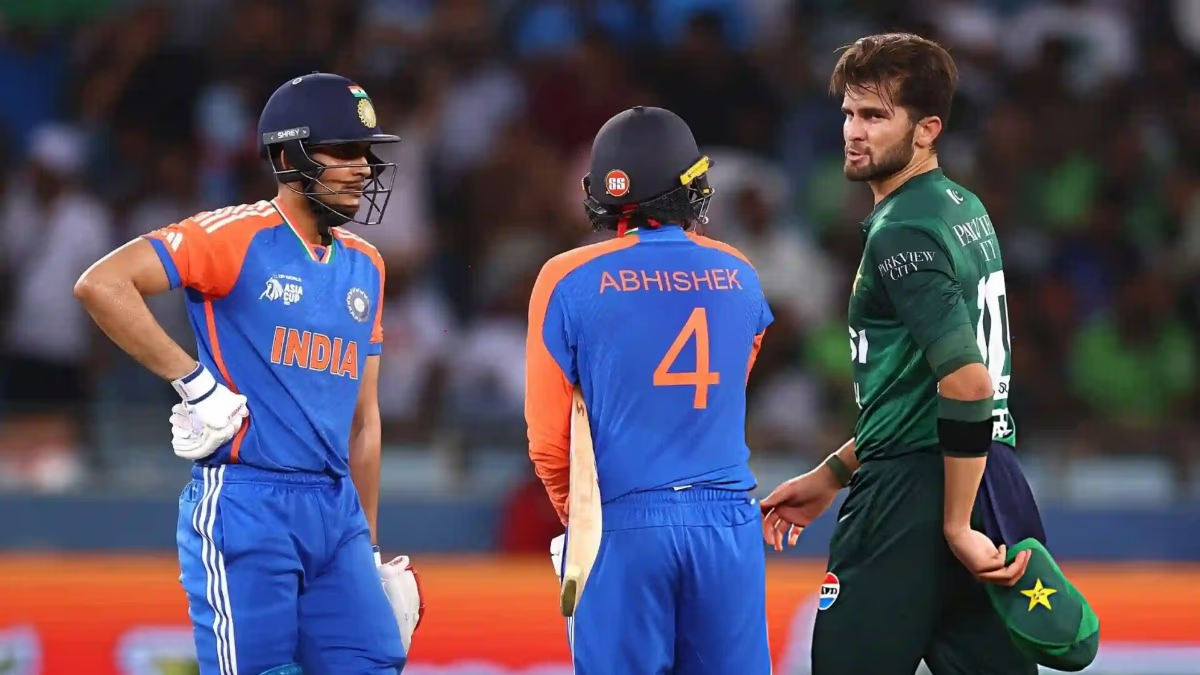
The ICC Men's T20 World Cup 2026 match set for February 15th between India and Pakistan at the R. Premadasa Stadium in Colombo has transformed from a cricket match into a significant diplomatic and political affair. The Pakistani government has denied its team permission to face India, prompting the Pakistan Cricket Board (PCB) to hint at a boycott, raising ICC's concerns.
The ICC has warned Pakistan in no uncertain terms that they cannot selectively participate in matches. A withdrawal from the match against India could result in significant financial loss, points deductions, and even repercussions on future tournaments.
Uncertainty still lingers over whether the India-Pakistan showdown will proceed. However, discussions between the PCB and the ICC are ongoing, with a crucial meeting held in Lahore on Sunday.
ICC's Firm Stance and the Secret Lahore Meeting
Responding to ICC's strict position, Pakistan found itself cornered. A confidential meeting was held late Sunday night in Lahore with senior officials from ICC and PCB, including representatives from the Bangladesh Cricket Board.
In this meeting, Pakistan laid down three conditions for playing against India, with the mandatory handshake among players drawing the most attention.
Why Pakistan Insists on Handshakes
Pakistan's insistence on handshakes stems from a desire to portray normalcy in relations between the two nations during the match. PCB sees this as an effort to foster sportsmanship and project a positive image.
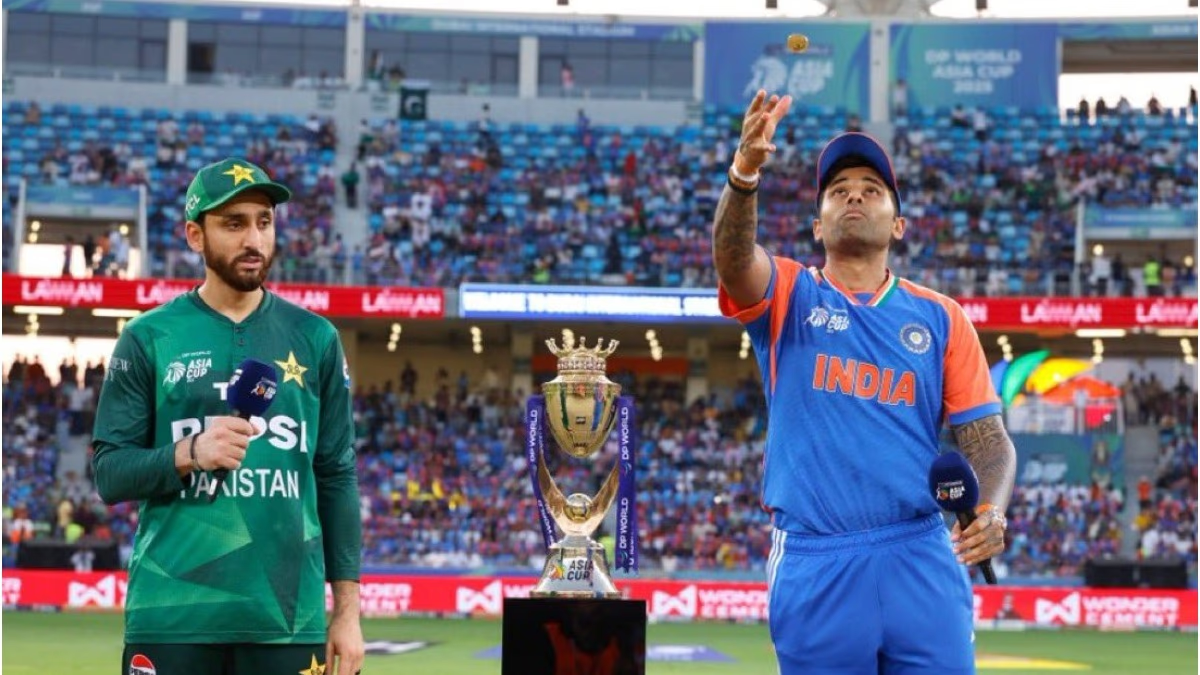
Current ICC regulations do not mandate handshakes, leaving it to mutual consent between teams. This demand puts ICC in a challenging position. It is noteworthy that during the Asia Cup, Indian players declined to shake hands with Pakistani athletes or accept a trophy from them, which embittered Pakistan.
Throughout a series of high-drama events from the Asia Cup to the World Cup, Pakistan felt it was being dragged into the fray, having to backtrack on its stand repeatedly. Should Pakistan agree to play against India again, it faces potential domestic backlash.
This is why Pakistan wants India to consent to the handshake as a sign of India softening its stance.
The Other Two Conditions and Their Complexity
Pakistan's first demand is related to the ICC's revenue model. PCB seeks a larger share of ICC's earnings, though the current model is predefined and cannot be swiftly altered.
The second demand involves resuming bilateral cricket between India and Pakistan. However, this matter is beyond ICC’s jurisdiction and requires governmental consent from both countries, which seems unlikely.
Sri Lanka's Displeasure and Warning
Sri Lanka Cricket has also expressed displeasure over the dispute, pointing out that Pakistan's boycott could significantly hurt the country's tourism and hospitality sectors. Sri Lanka reminded Pakistan of how it supported the return of international cricket to Pakistan during its isolation.
The ICC has reiterated that the prestige of the World Cup will not be compromised, yet channels for dialogue remain open. Following the crucial Lahore meeting, all eyes are on how much Pakistan is willing to adjust its stance and whether the much-anticipated India-Pakistan clash will proceed as scheduled.