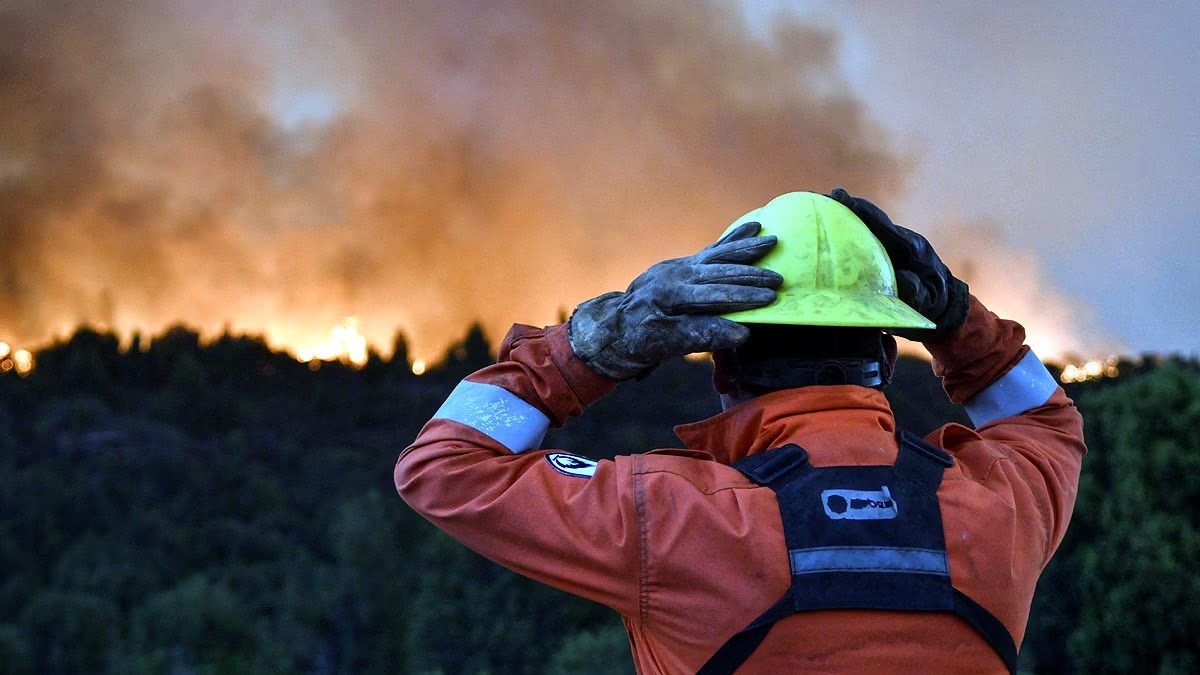
The beginning of 2026 marks an alarming trend as the southern hemisphere experiences record-breaking heat waves coupled with devastating wildfires. Countries like Argentina, Chile, Australia, and South Africa find their temperatures skyrocketing, engulfing vast regions in flames.
Scientists assert that human-induced climate change is overshadowing natural climate variations, forecasting even more severe heatwaves in the near future.
Where is the devastation occurring?
Australia: A massive heat dome enveloped the country in January and February, pushing temperatures close to the 50°C (122°F) mark in several areas, making it one of the hottest Januarys on record.
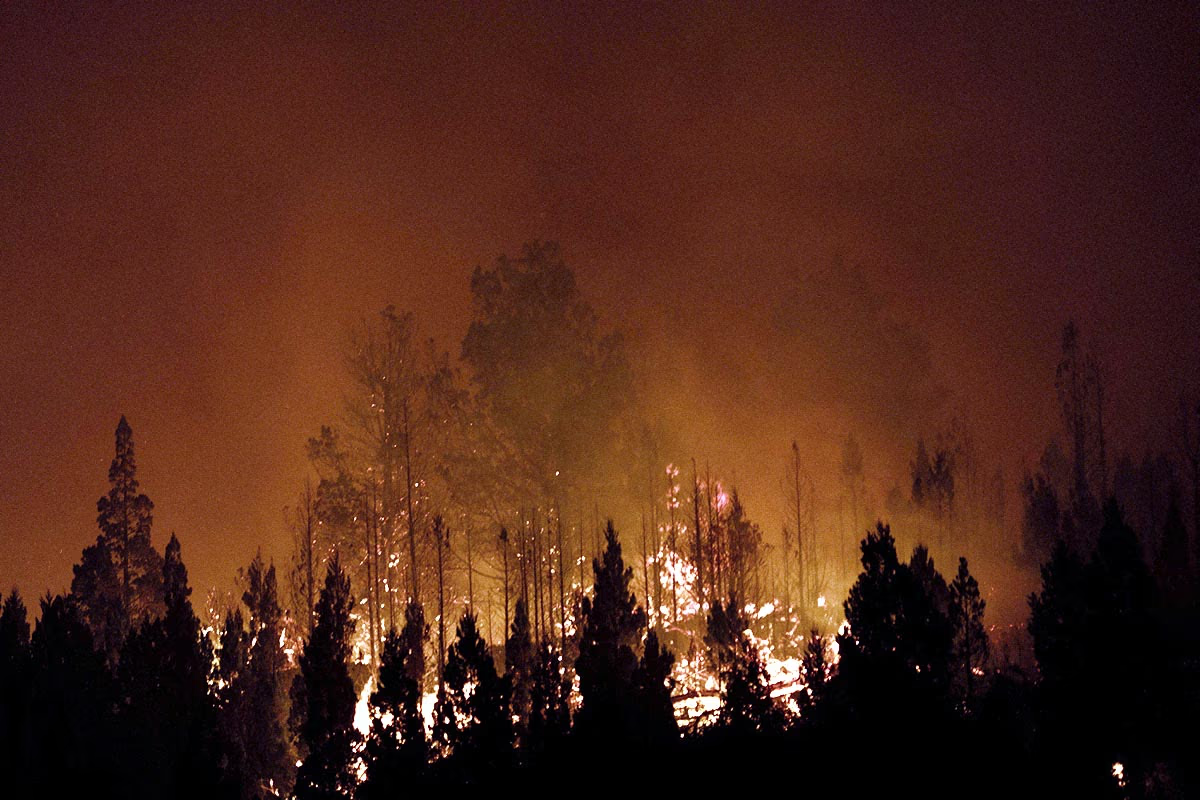
South America: Argentina's Patagonia region, including Los Alerces National Park (a UNESCO World Heritage Site), saw wildfires. Ancient trees, some thousands of years old, are at risk. Fires in Chile's coastal areas have claimed 21 lives.
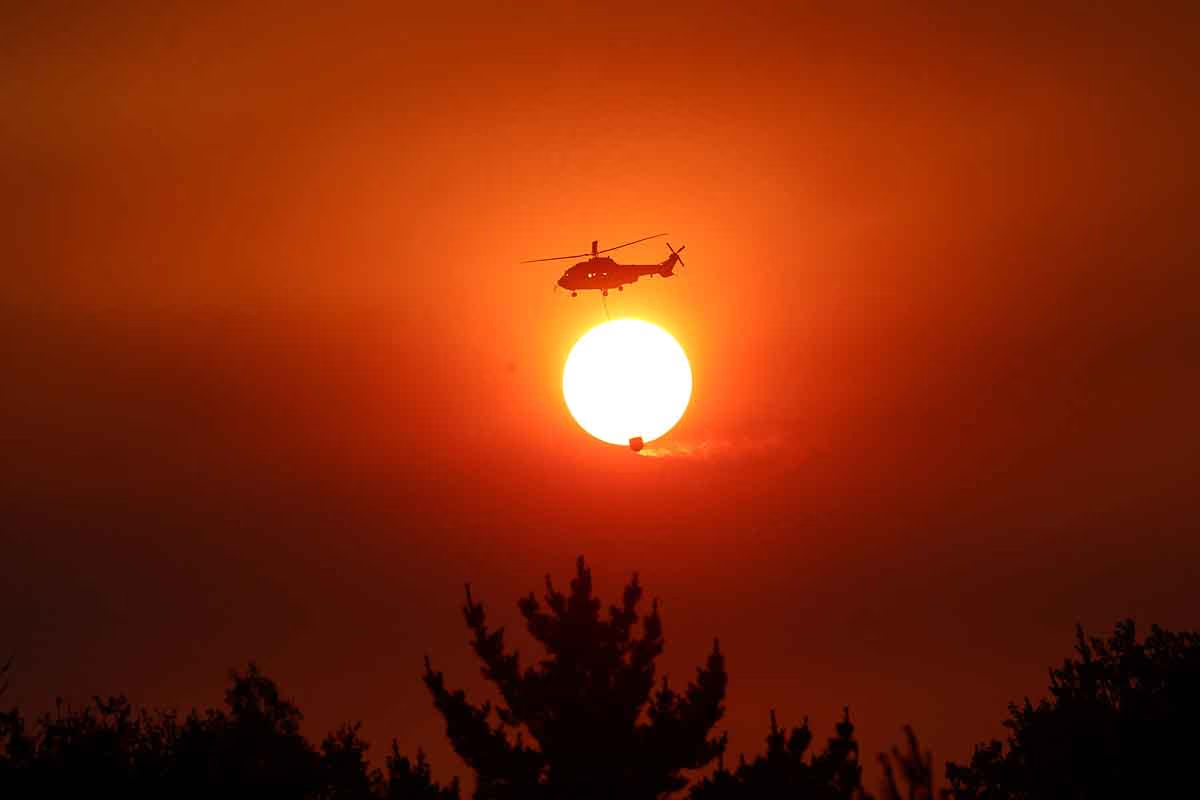
South Africa: The region is experiencing its fiercest wildfires in years, exacerbated by drought and heat.
Source: aajtak
Why so hot despite La Niña?
The global climate is under the influence of a weak La Niña, a phenomenon usually known for bringing cooler conditions, starting from December 2024. Yet, the temperatures are reaching new highs.
Theodore Keeping, a climate scientist from Imperial College London, states that human-driven climate change is overpowering natural variations. Should a neutral phase or an El Niño phase arrive by 2026, we may witness even more extreme heat events. El Niño significantly elevates global temperatures.
How hot could 2026 get?
According to Adam Scaife, Head of the UK Meteorological Office, global temperatures in 2026 could be approximately 1.46°C above pre-industrial levels. This would mark the fourth consecutive year with temperatures staying beyond the 1.4°C threshold. A rapid onset of a major El Niño could make 2026 the hottest year recorded.
The Paris Agreement (2015) aimed to keep global warming below 1.5°C, but we are inching dangerously close to that boundary. The World Meteorological Organization reports that the past three years have ranked among the warmest on record.
Source: aajtak
Why are the wildfires so severe?
Most wildfires originate from human activities like discarded cigarettes and campfires, but they become uncontrollable through the influence of heat, drought, and strong winds. Many ecosystems are unprepared for such hot and dry conditions. As a result, fires are becoming larger and more destructive, causing lasting damage.
The loss at Argentina's Los Alerces Park, where ancient trees are reduced to ashes, illustrates the extent of destruction.
What's next?
Scientists are warning of an increase in climate-induced events unless action is taken. Heat and wildfires not only threaten lives and property but pose a significant risk to biodiversity and ancient ecosystems. Experts advocate for reducing greenhouse gas emissions as the only sustainable solution.