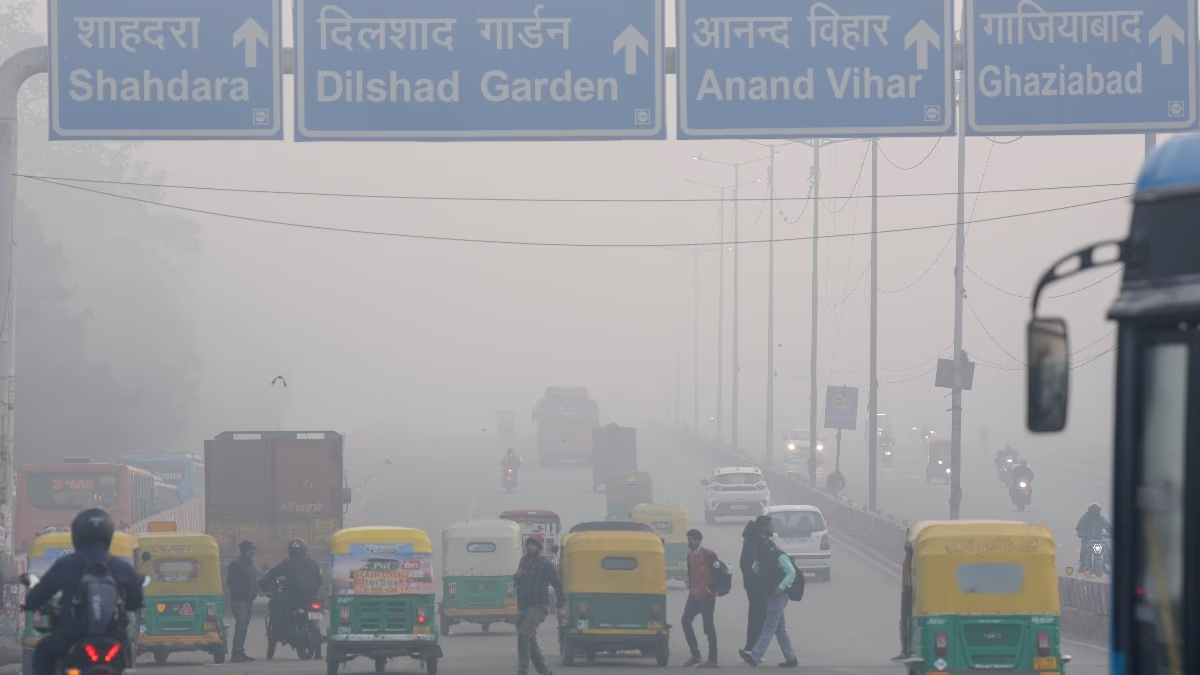
Delhi-NCR is currently grappling with severe air pollution. In response, the government has implemented Stage-IV of the Graded Response Action Plan (GRAP). This includes strict regulations on construction activities and stringent measures to curb vehicular pollution.
In Delhi, the entry of non-essential trucks is banned, greenlighting only CNG, electric, and essential goods vehicles. Diesel vehicles face restrictions, except for BS-VI vehicles and emergency services. Diesel-powered construction equipment vehicles are also prohibited, along with older vehicles like BS-III petrol and BS-IV diesel. The engine technology in these older vehicles is inferior by today's standards, leading to incomplete fuel combustion and increased emissions of particulate matter (PM2.5 and PM10). These fine particles mix in the air and infiltrate our lungs through breathing.
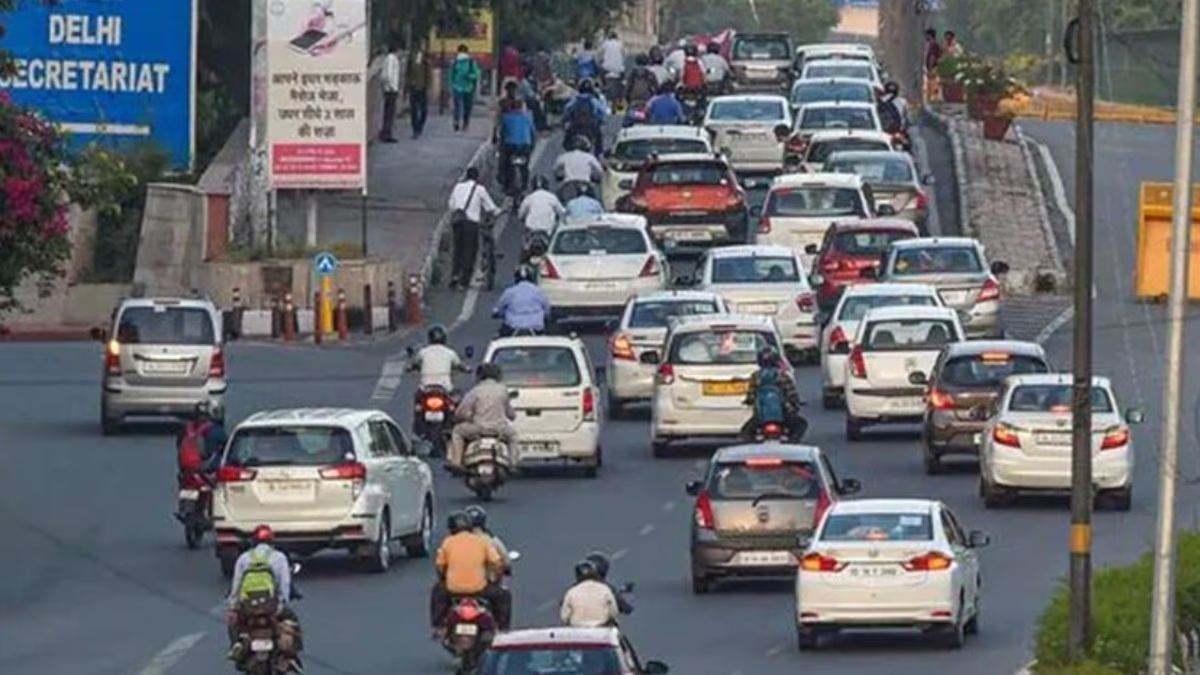
Surprisingly, data from the Ministry of Road Transport and Highways' vehicle dashboard shows that a large fleet of old vehicles still operates in Delhi-NCR. According to the dashboard, 5.56% of vehicles adhere to BS-I norms, while 9.15% run on BS-II engines. Additionally, 12.84% of vehicles with BS-III engines ply on NCR roads, compared with 16.16% for BS-IV vehicles. Overall, this means approximately 27% of Delhi-NCR road traffic comprises vehicles that date back to Bharat Stage I to III norms, deemed outdated.
Yet, BS-IV and BS-VI vehicles now constitute the majority in NCR. There are 1,243,355 BS-IV vehicles, making up 16.16% of the total vehicles. Meanwhile, BS-VI standard vehicles account for 25.26%, producing relatively less pollution. In the commercial and construction vehicle sector, BS-IV engine CEVs are a mere 0.06%, with Stage-V CEV vehicles at only 0.02%. This highlights a severe shortage of new and clean technology vehicles in the construction arena.
Furthermore, a substantial segment of vehicles with European emission standards (Euro norms) also traverses NCR, totaling 1,342,424, or 17.45% of all vehicles. These Euro-standard vehicles regulate the emission of harmful gases such as carbon monoxide, nitrogen oxides, hydrocarbons, and particulate matter. Additionally, some vehicles lack available emission data, numbering 672,694 (8.74%), while vehicles in other categories account for 355,066 (4.62%).