Source: aajtak
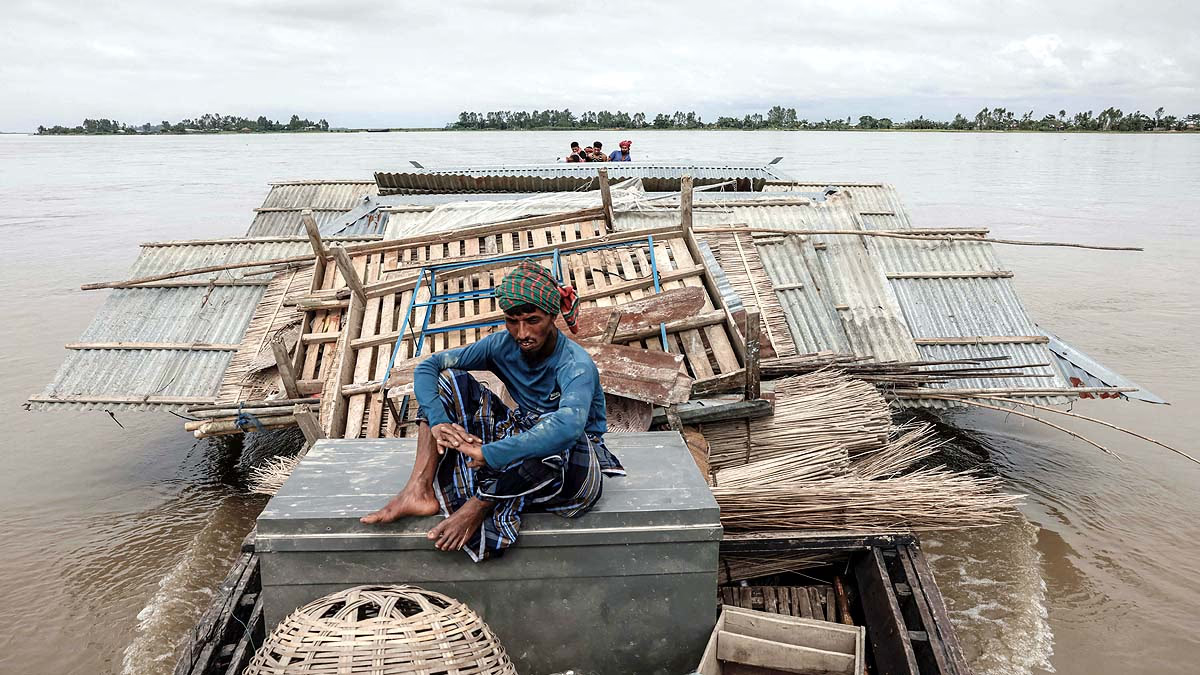
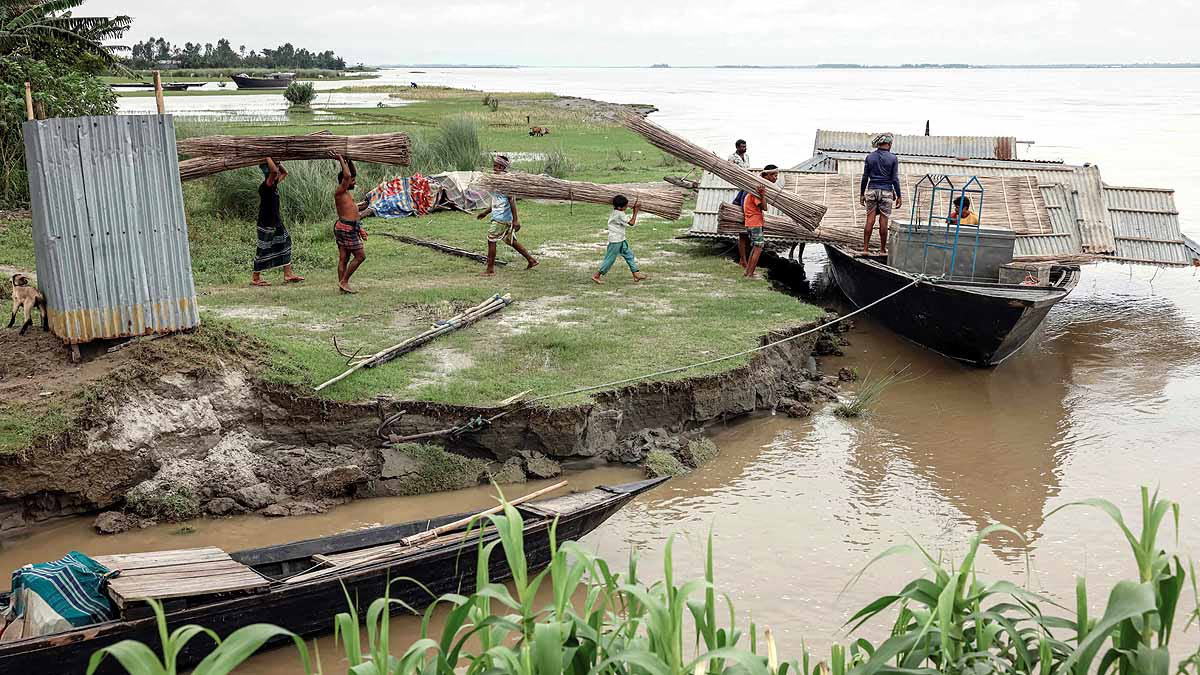
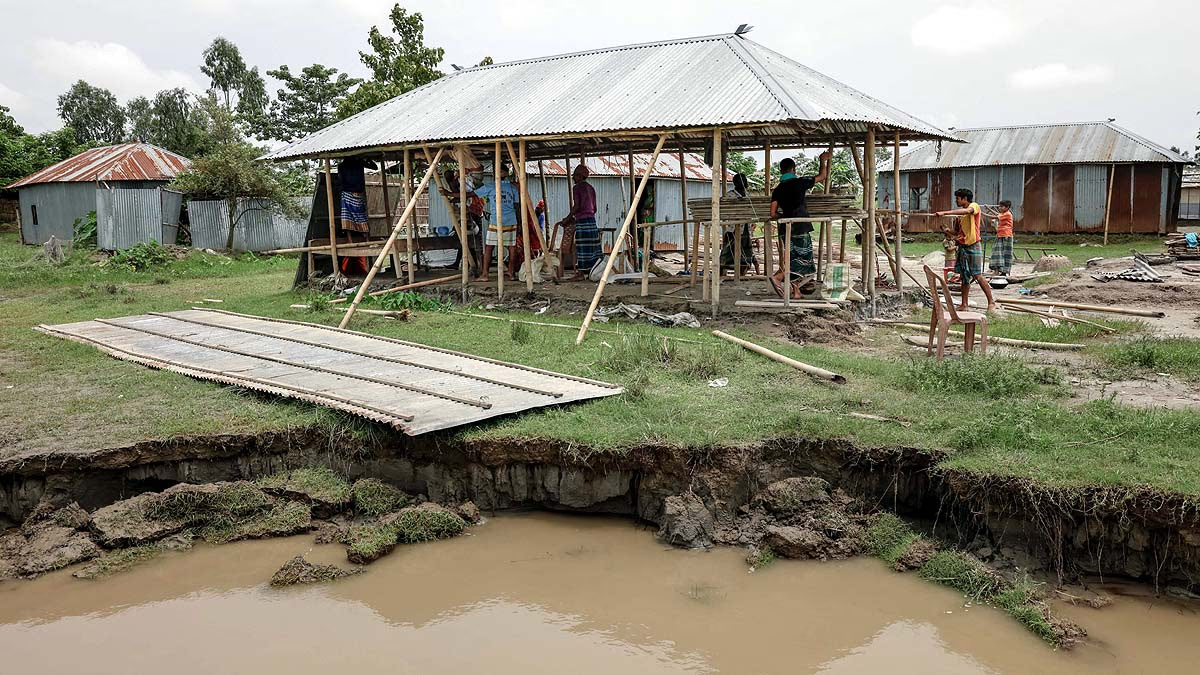
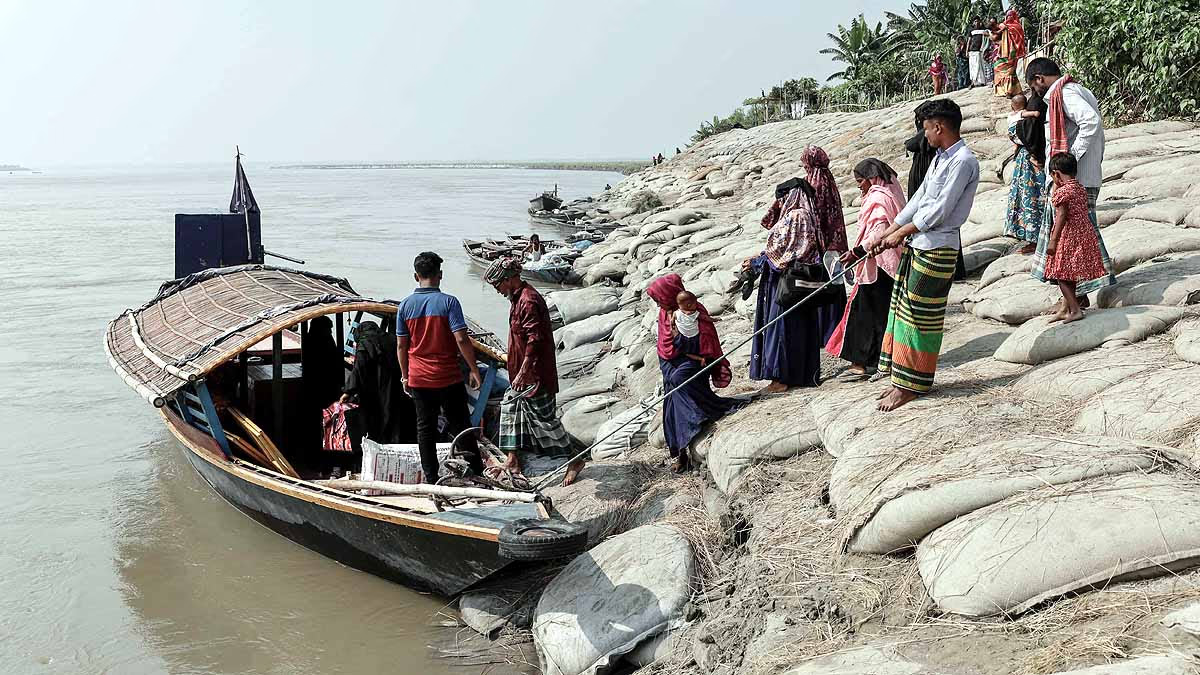
Nurun Nabi is loading bamboo poles and tin sheets onto a wooden boat. His home, built just a year ago on a fragile island in the Brahmaputra River, is now at the brink of submersion. A farmer and father of four, Nurun is forced to leave everything behind for the second time in a year.
Photo: Reuters
Source: aajtak
In a weary voice, Nabi shared, "The river approaches closer every day. We were born to endure suffering; our struggles never end. I've lost count of how many times the river claimed my home." At 50 years old, Nabi has no choice but to relocate to another impermanent island formed by the river's sediments.
Photo: Reuters
Source: aajtak
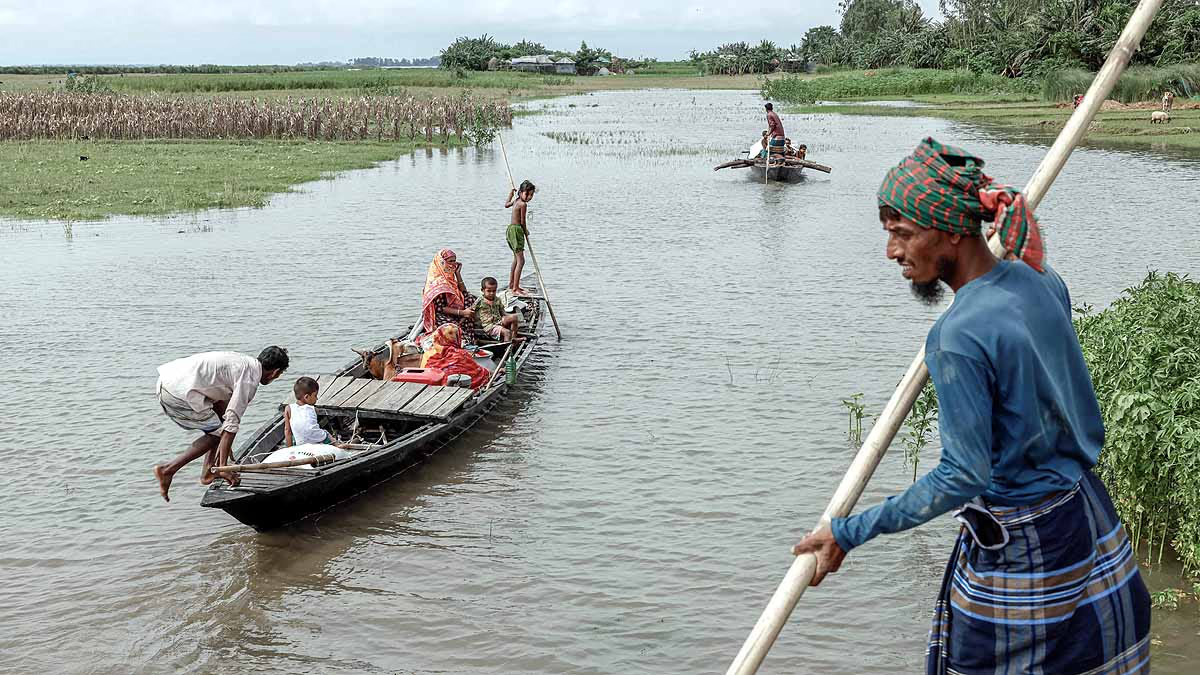
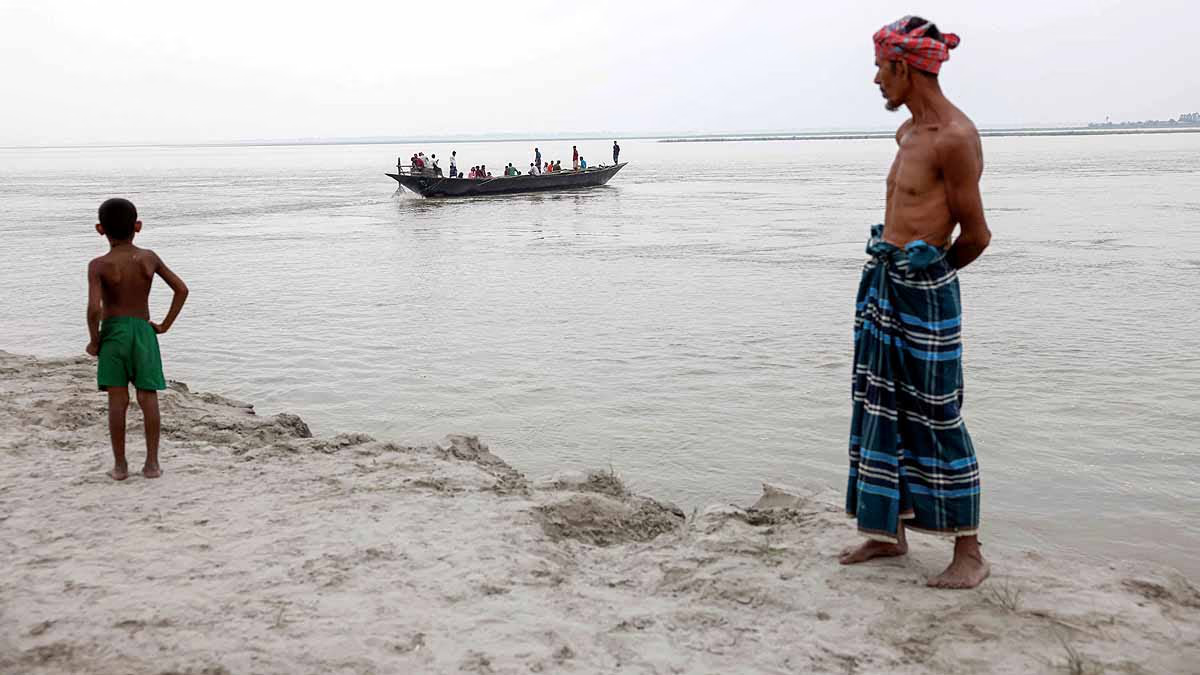
His rice and lentil fields have already been washed away by the mighty Brahmaputra. This powerful river, originating from the Himalayas and flowing through China and India before reaching Bangladesh, has devoured them. Staring at the wide, brown river, he muses, "If we're lucky, a few years; if not, a month. This is our life."
Photo: Reuters
Source: aajtak
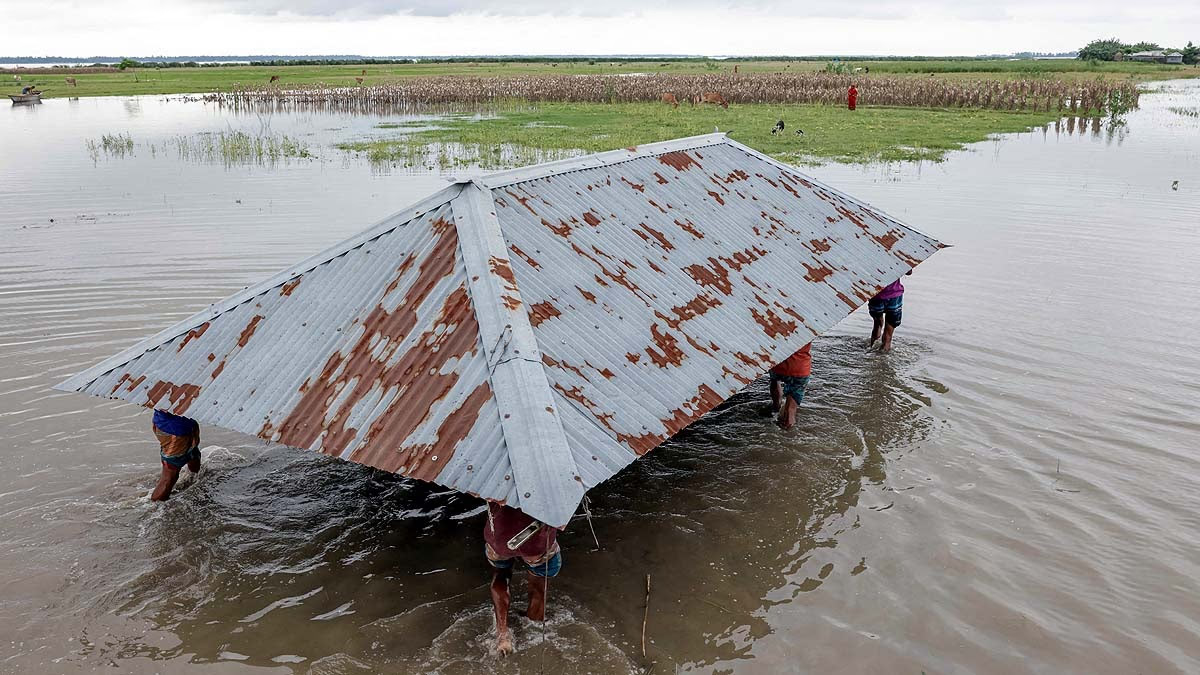
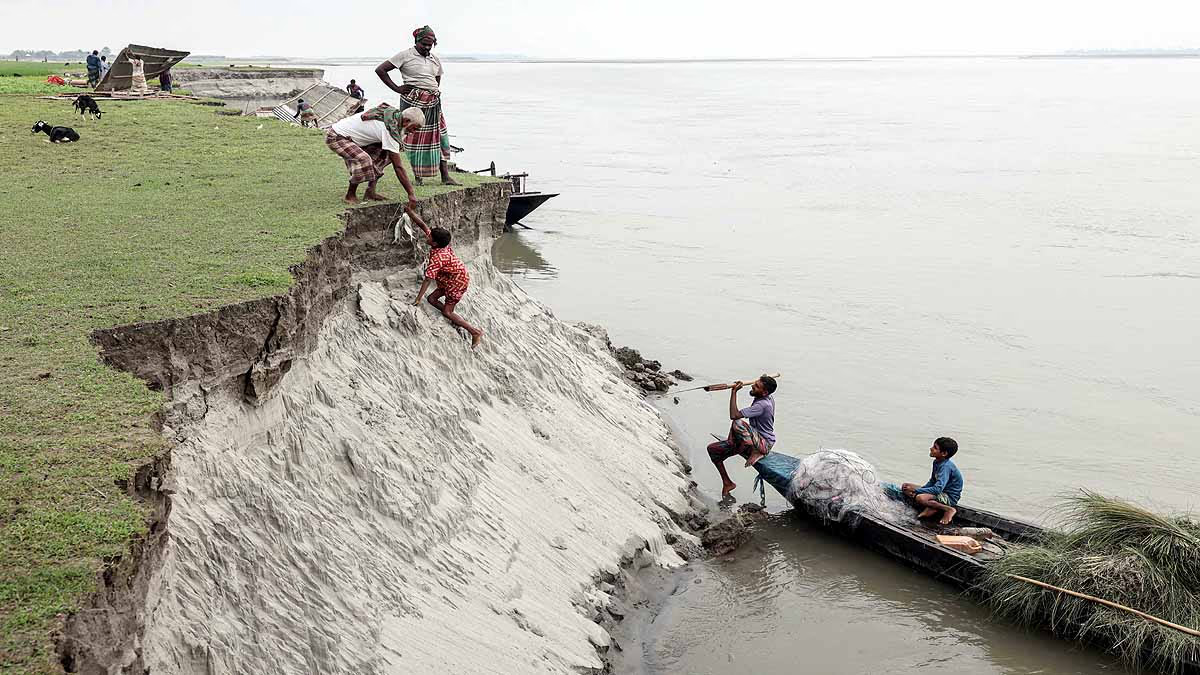
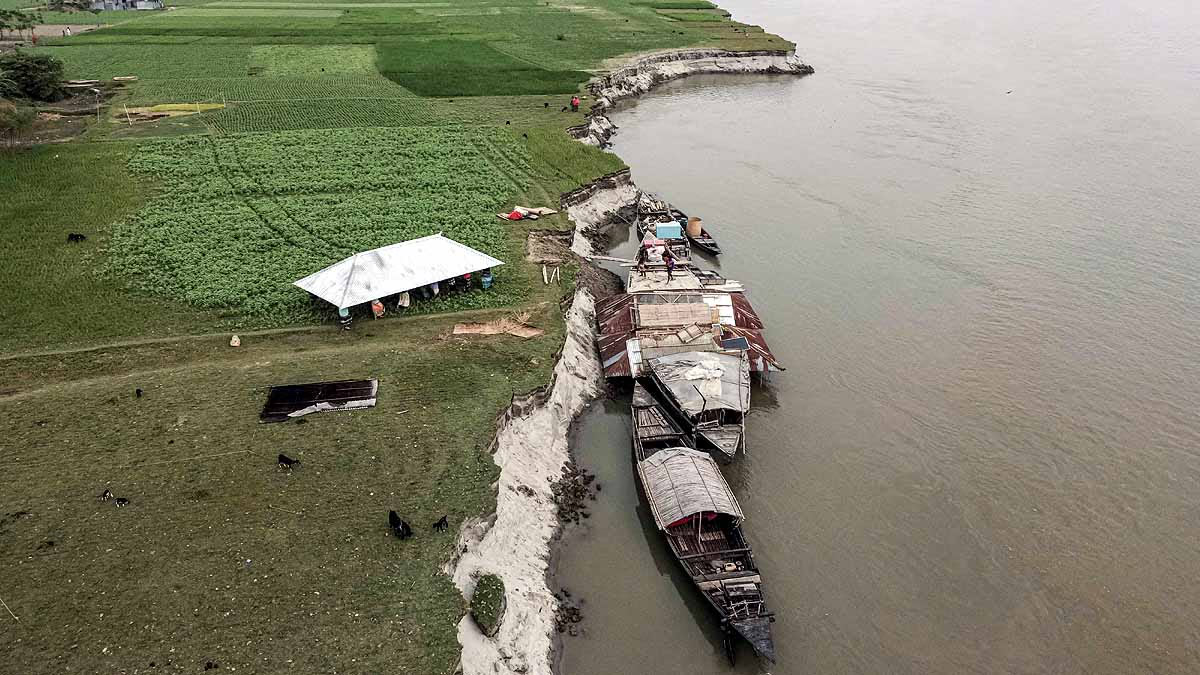
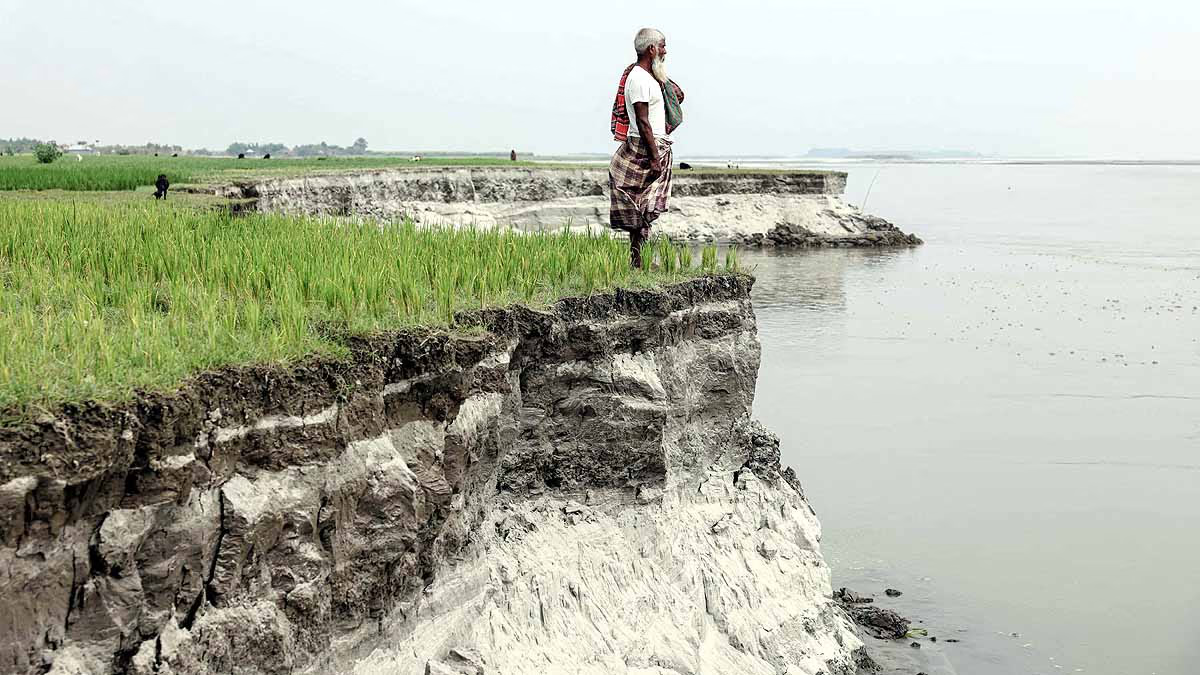
Every year, hundreds of families in Kurigram, northern Bangladesh, face a similar crisis. Numerous islands exist here, but with riverbanks eroding, many lose not only homes but also land, crops, and livestock. The Brahmaputra, Teesta, and Dharla Rivers—once lifelines for millions—have become unpredictable, eroding the land at an unprecedented speed.
Photo: Reuters
Source: aajtak
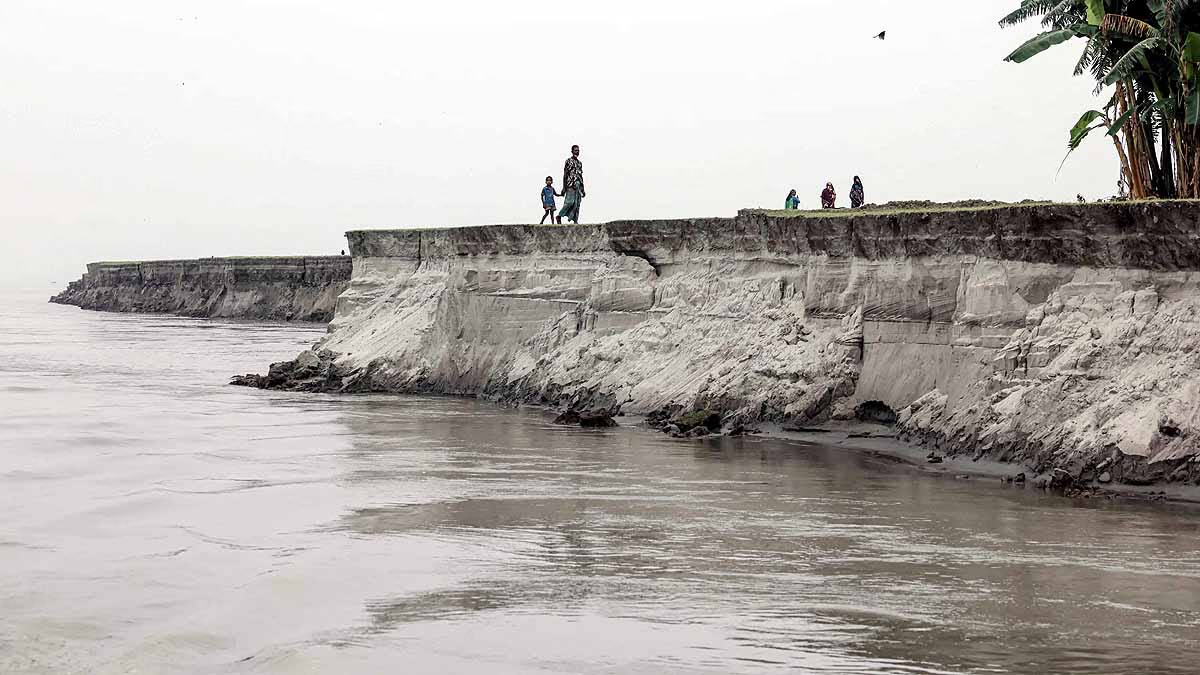
In the northern plains, sand-laden, shifting islands represent Bangladesh's most vulnerable regions. Families repeatedly build homes, only for the river to snatch everything away. Waters arrive without warning. Seventy-year-old farmer Habibur Rahman says they sleep at night, but by morning, the riverbank has moved, leaving them homeless.
Photo: Reuters
Source: aajtak
The world's eyes are on the UN climate summit in Brazil, November 10–21. Bangladesh's struggle is a harsh warning to global leaders. Ainun Nishat, a water resources and climate change expert, highlights that these people pay the price for emissions they've never produced.
Photo: Reuters
Source: aajtak
Nishat argues that if COP30 is to mean anything, it must bring real funding for damage. Assistance is needed to save lives and land in vulnerable countries like ours, before it's too late. Scientists say what's happening in Kurigram is a clear manifestation of climate change.
Photo: Reuters
Source: aajtak
Glaciers in the Himalayas, critical to the Brahmaputra and Teesta Rivers, are melting at an increasing rate. Since the 1990s, the pace of this melt has doubled, sending excess water downstream, swelling already bulging rivers.
Photo: Reuters
Source: aajtak
Nishat notes the monsoon has become unpredictable—arriving early, persisting long, and bringing sudden, heavy rains. This capricious weather exacerbates erosion and flooding. Bangladesh contributes less than half a percent to global carbon emissions.
Photo: Reuters
Source: aajtak
Yet, it faces the brunt of climate change. The World Bank estimates that by 2050, one in every seven Bangladeshis might be displaced by climate-related disasters. For Kosim Uddin, a 50-year-old father of seven, relocating has become part of life. "The river has taken my home 30 or 35 times in my lifetime. Each time we rebuild, the river returns," he recounts.