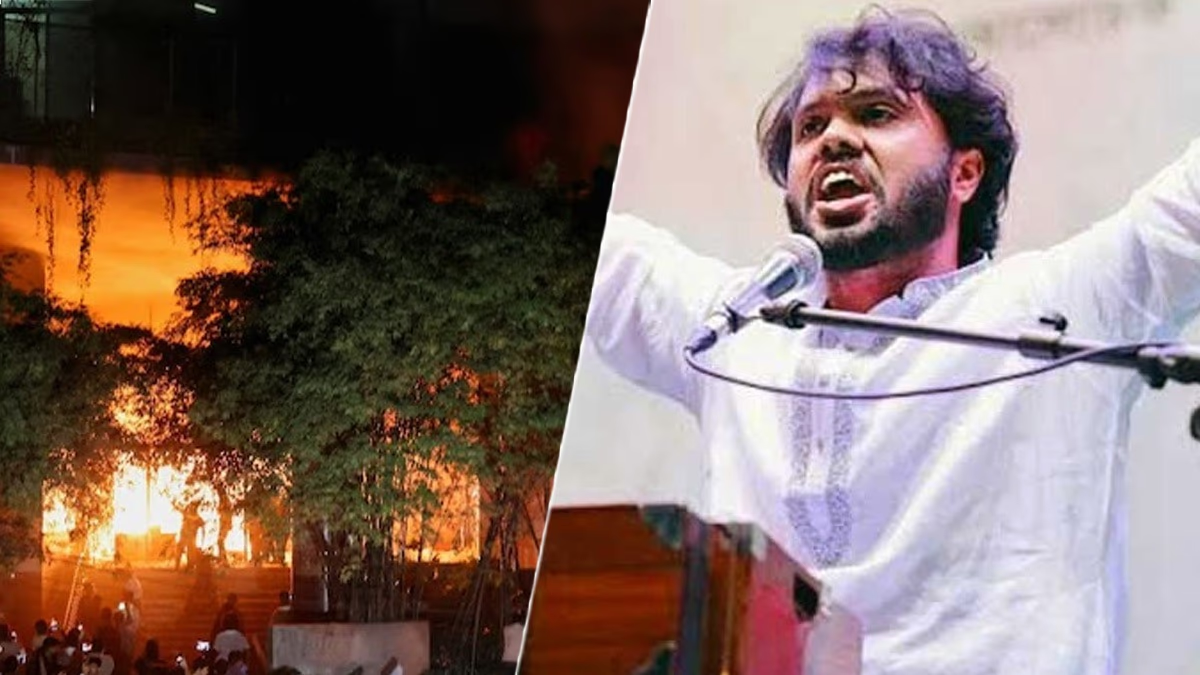
Numerous cities in Bangladesh are engulfed in violence. Since midnight, arson, looting, and clashes have erupted. Rioters are targeting Indian establishments. In Chittagong, stones were hurled at the Indian High Commission. Protesters raised anti-India slogans, openly threatening Awami League members.
Visa operations at Indian High Commissions in four Bangladeshi cities—Dhaka, Rajshahi, Khulna, and Chittagong—have been temporarily shut down. Heightened security is in place outside these Indian diplomatic outposts.
The unrest ignited after the death of protest leader Sharif Usman Hadi. Hadi was the face of the 2024 movement challenging Sheikh Hasina. He harbored enmity towards India and continually spewed venom against New Delhi.
Usman Hadi's Historical Background
Sharif Usman Hadi aspired to contest the national elections from Dhaka-8 on February 8. Hadi was shot by unknown gunmen in Dhaka's Paltan district on December 12 while riding a battery-operated auto-rickshaw. He was initially treated at Dhaka Medical College Hospital before being transferred to Evercare Hospital as his condition worsened. Last Saturday, he was airlifted to Singapore for advanced care.
However, his life could not be saved.
Despite this, anti-India elements in Bangladesh were quick to drag India into the controversy over Hadi's death. At 9:40 PM on Thursday, Inkilab Platform announced Hadi's demise, declaring, "Allah has accepted Usman Hadi as a martyr in the fight against Indian dominance."
Hadi was a spokesperson and founding member of Inkilab Platform, a right-wing political group emerging from the anti-Sheikh Hasina movement. This organization takes a staunch anti-India stance.
Gaining notoriety during the July uprising, Hadi demanded a constitutional ban on the Awami League. He established himself as a vehement critic of India in Bangladesh, often attacking not only the Awami League but also the Bangladesh Nationalist Party.
Hadi circulated a controversial map of a 'Greater Bangladesh,' including parts of Indian territory, stirring media storms in Bangladesh. Observers note his fiery rhetoric and confrontational approach earned him recognition in the country.
Who Fired the Bullet at Usman Hadi?
Supporters of Usman Hadi have been rallying since his death, demanding arrests. They've announced a protest at Shahbagh, threatening to paralyze the nation.
Read More: LIVE: Awami League Office Torched, Four Cities See Violence... Bangladesh Burns Post-Usman Hadi's Death
In a provocative statement, Inkilab Platform unnecessarily implicated India, insisting, "If the killers flee to India, the Indian government must negotiate to repatriate them at any cost."
According to one of Bangladesh's leading newspapers, 'The Daily Star,' the Rapid Action Battalion, police, and Border Guard Bangladesh have detained more than 20 individuals connected to this case. Some have been released post-interrogation.
Main Accused: Faisal Karim Masood
Faisal Karim Masood is accused of orchestrating Usman Hadi's murder. Police detained his family—father Humayun Kabir, mother Hussey Begum, wife Saheda Parveen Samia, Samia's elder brother Wahid Ahmed Shipu—and associates, including Masood's girlfriend Maria Akhtar, friends, and close companions.
Two other suspects—Habibur Rahman and Milan, apprehended from Savar for ties to the elusive Alamgir—have been released on bond.
According to investigative officers in court, there is intelligence suggesting several suspects have fled to India.
Targeting India's Diplomatic Posts
Usman Hadi's death has been manipulated to inflame anti-India sentiments in Bangladesh, potentially swaying upcoming election outcomes. In the southwestern city of Rajshahi, protesters attempted to march towards a regional Indian diplomat's office, but police dispersed the procession. Numerous social media videos depict stones flying near the Indian Assistant High Commission offices.
Members of the National Citizen Party (NCP) participated in demonstrations post-Hadi's death, chanting anti-India slogans and alleging that Hadi's attackers escaped to India post-murder.
Protest leaders demanded that the interim government shut down the Indian High Commission until suspects are returned. NCP leader Sarjis Alam stated that the Indian High Commissioner in Bangladesh would remain closed until the culprits are extradited.