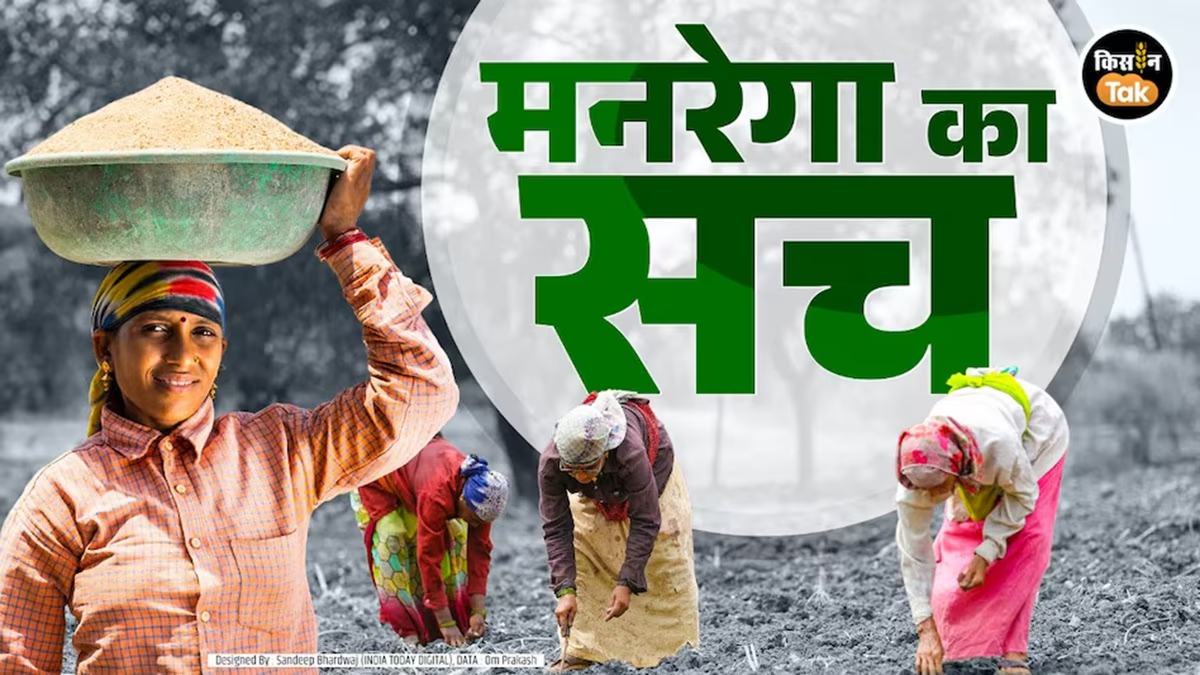
The Modi government is set to make significant changes to the name and structure of the rural employment program MGNREGA. As per the proposal, the Mahatma Gandhi National Rural Employment Guarantee Act (MGNREGA) will be renamed 'Viksit Bharat - Guarantee for Employment and Livelihood Mission Gramin' (VB G RAM G). This scheme will increase the guaranteed employment days from 100 to 125 for rural families. However, the big question remains—is changing the scheme's name and provisions enough to alter the grassroots reality?
History shows that merely changing the name of MGNREGA does not lead to systemic improvements. Initially known as the National Rural Employment Guarantee Act (NREGA), the Congress-led UPA government incorporated Mahatma Gandhi's name, but the condition of guaranteed employment for villagers remained unchanged. The scheme ensures employment for 100 days, but in reality, no state has managed to provide an average of 100 days of work.
Source: aajtak
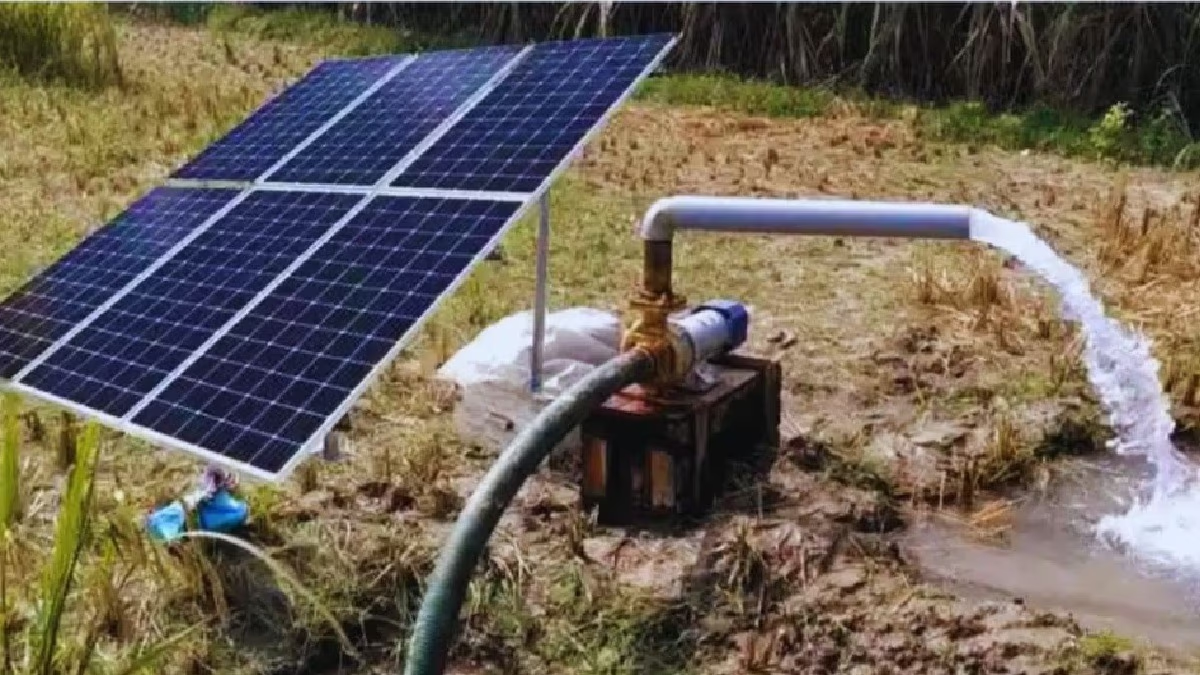
Source: aajtak
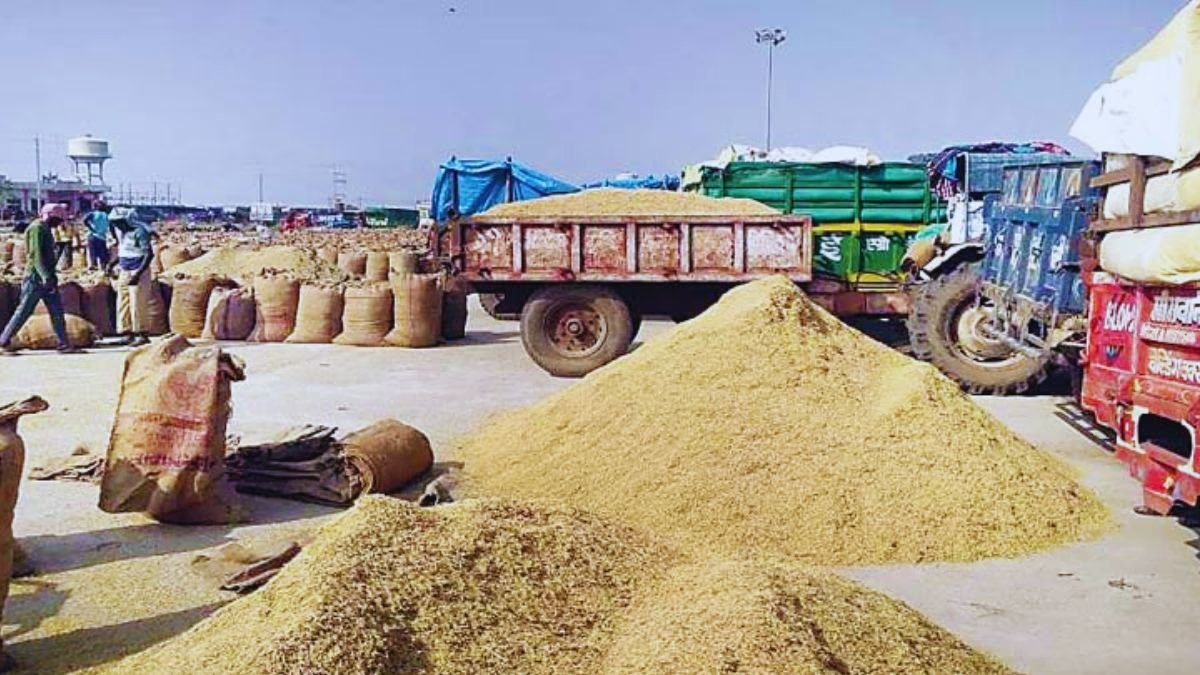
Source: aajtak
Source: aajtak
Source: aajtak
According to the Ministry of Rural Development, over the past five years, households have received an average of only 50.35 days of employment through MGNREGA. Whether the name change and the new assurance of 125 days will be effective remains to be seen. This program often serves as a livelihood fallback for rural families when other employment options are unavailable. The ground reality is that they neither receive regular work nor a yearly assurance of 100 days of employment.
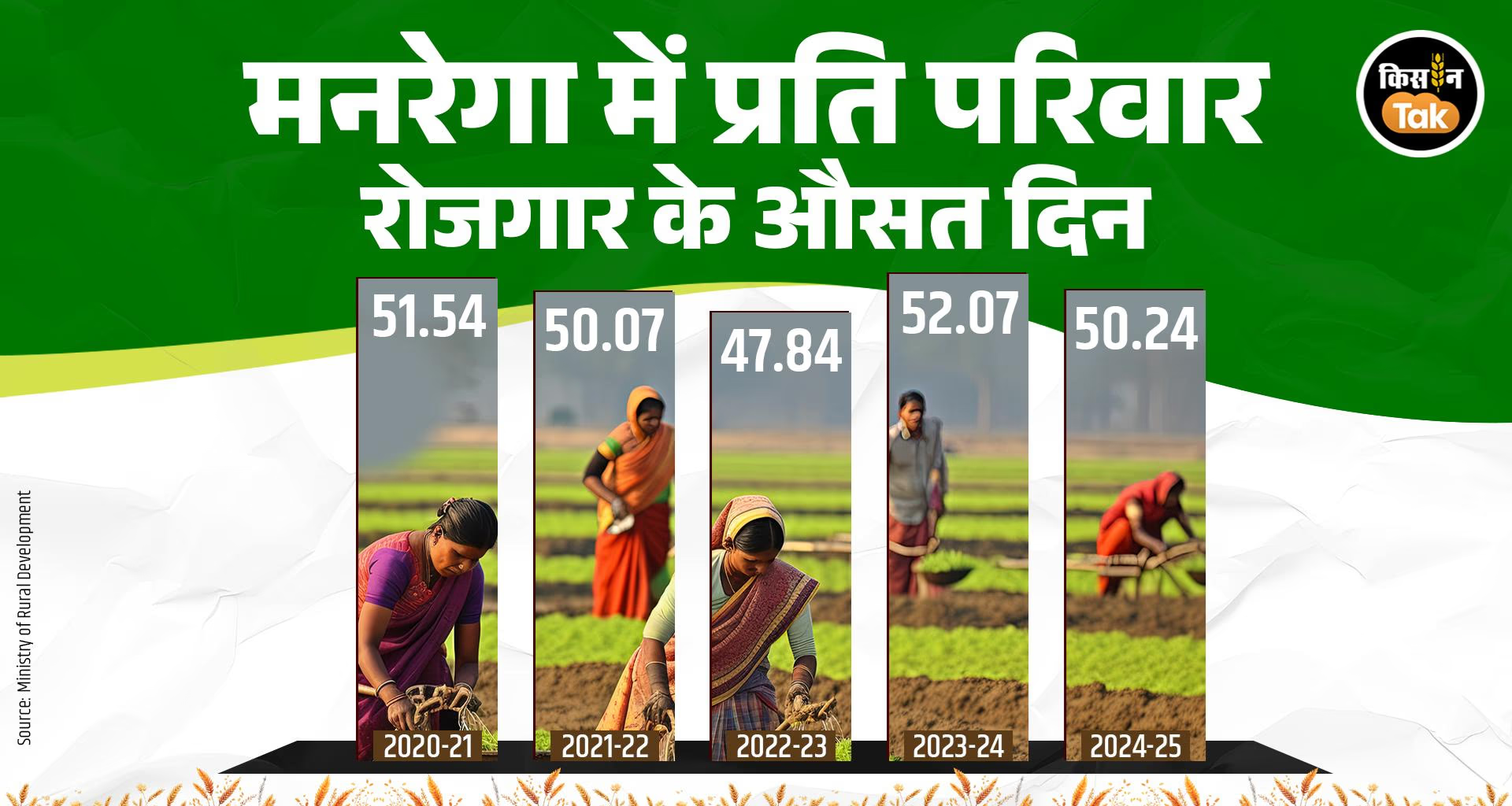
Source: aajtak
Looking into the Ministry's figures for 2024-25, Haryana offers the highest daily wage under MGNREGA at 374 rupees, yet families received only an average of 34.11 days of work. In contrast, Arunachal Pradesh offers the lowest wage of 234 rupees, yet families there received an average of 67.9 workdays. Conditions in Uttar Pradesh are worse, with families receiving an average of 51.55 days of work annually and earning 237 rupees per day. This totals to an annual income of 12,000 rupees or 1,000 rupees per month, barely enough for a family's sustenance in today's inflationary environment.
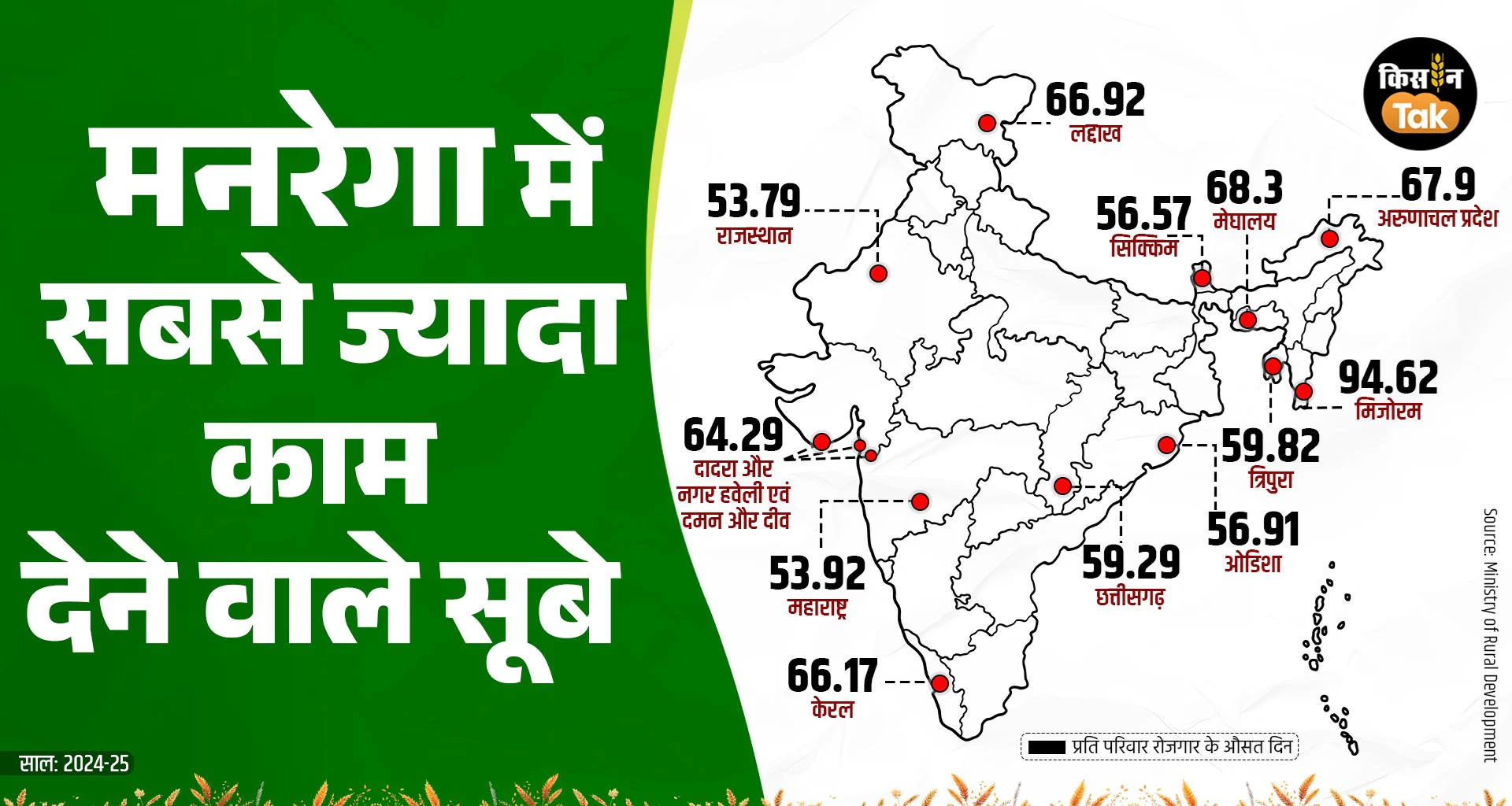
Source: aajtak
Linking to Agriculture for Real Change
Experts believe linking MGNREGA to agriculture is essential for genuine reform. If MGNREGA workers are involved in agricultural activities and wages are raised to 500 rupees a day (with the government paying 300 and farmers 200 rupees), workers would receive more days of work, farmers’ costs would decrease, and the program’s transparency would improve. A high-level committee suggested this integration in 2018, yet implementation remains pending.
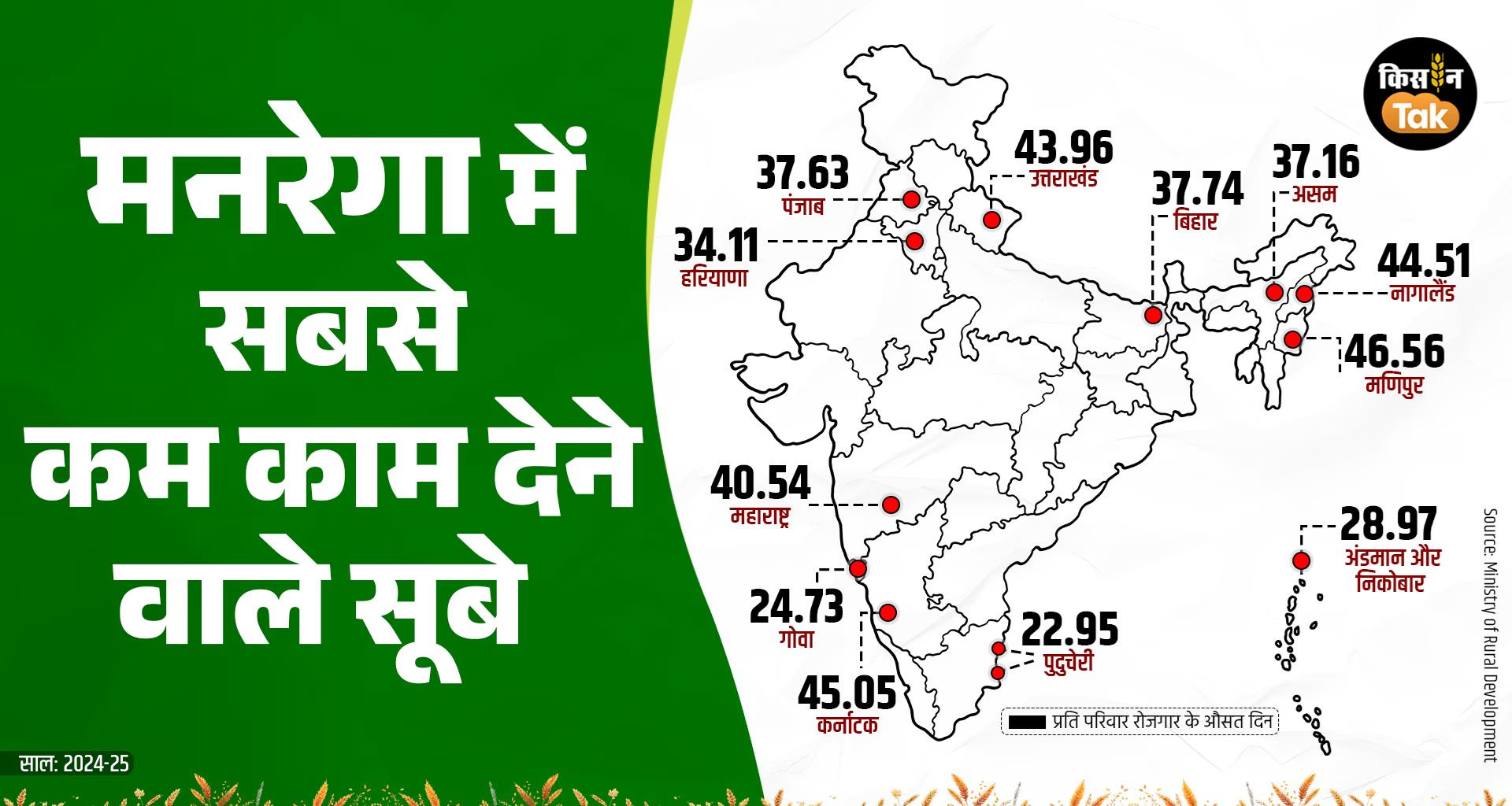
Source: aajtak
One Scheme, Varied Wages
While MGNREGA is a central scheme, wage structures differ across states. The 'One Nation, One Wage' principle doesn't apply, leading to a discrepancy in average wages and workdays, which does little to alleviate rural unemployment and poverty. The conclusion is clear: simply altering the scheme's name and increasing the number of workdays is insufficient. MGNREGA must become regular, transparent, and linked to productivity; otherwise, the new name may just echo the promises of the past, confined to paper.