
On the morning of January 19, Yuvraj Mehta, a 27-year-old software engineer, tragically lost his life in Noida's Sector 150. Amidst dense fog, his car veered off the road and plunged into a water-filled pit. According to the police, low visibility and high speed could have contributed to this accident.
Fog-related road accidents are a significant problem countrywide. According to the Ministry of Road Transport and Highways, 2022 saw 34,266 road accidents due to fog in India, resulting in 14,583 deaths and 30,796 injuries. In 2020, there were 26,541 incidents with 12,084 deaths. In 2021, accidents increased to 28,934, claiming 13,372 lives. These numbers clearly indicate a yearly rise in fog-related accidents and casualties.
January is deemed the worst month for fog in Delhi. Data from the India Meteorological Department over the past 30 years show that January typically sees an average of 26 days of light fog, 18 days of moderate fog, 11 days of dense fog, and eight days of very dense fog. December also witnesses severe fog conditions, while November and February are slightly better. Overall, more than half of Delhi's winter nights and mornings are shrouded in fog.

Source: aajtak
Alongside low visibility, open manholes and sewers pose significant threats to public safety. The National Crime Records Bureau reported 140 accidents and 142 deaths due to open manholes and sewers in 2020, and in 2021, 134 lives were lost in 143 accidents. The deadliest year was 2022 with 207 accidents and the same number of fatalities. Although the count of accidents decreased in 2023, the fatalities remain alarmingly high.
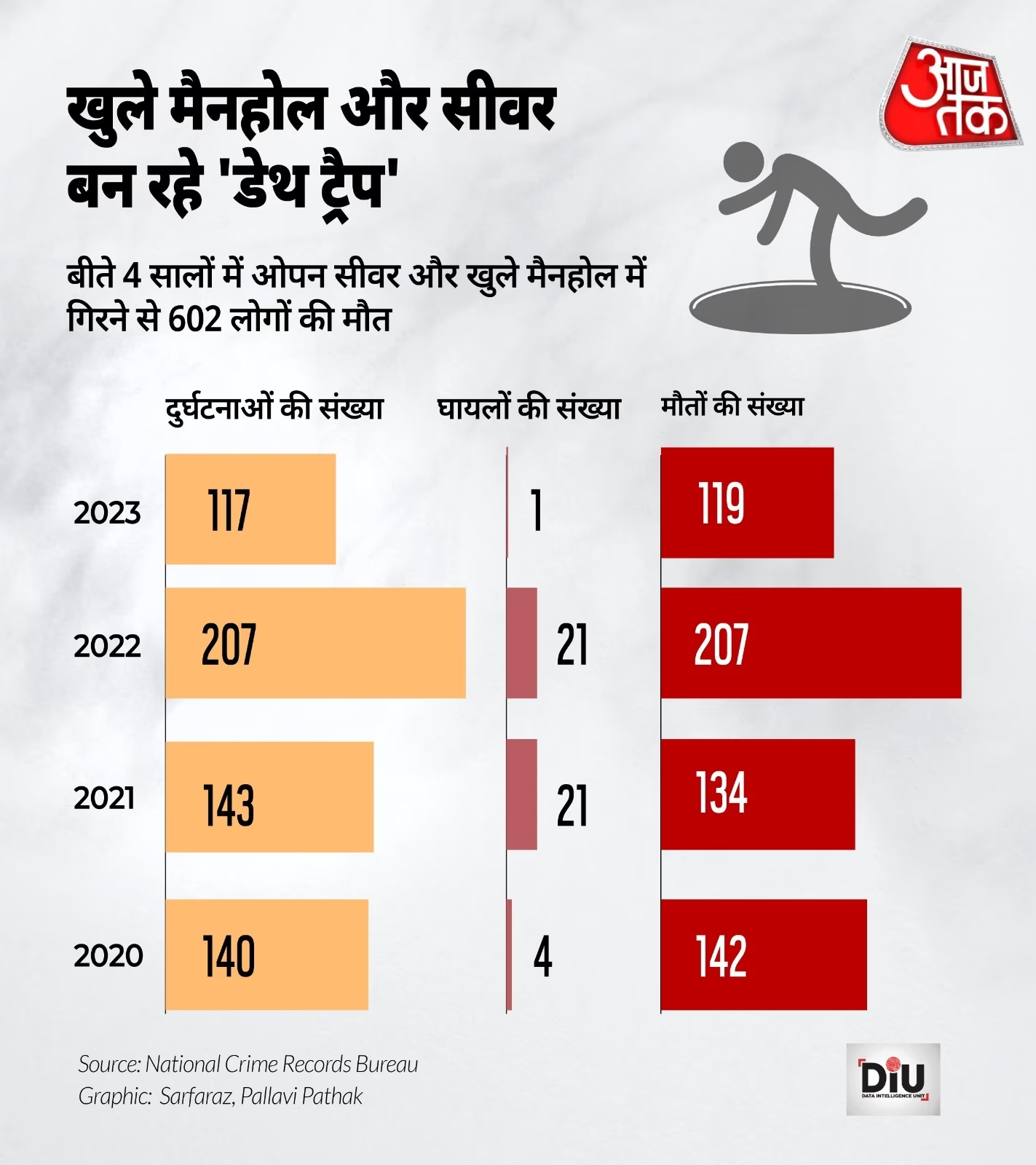
Source: aajtak
These statistics make it evident that January's fog, poor road conditions, high speeds, and open manholes combine to pose extreme dangers on the roads of Delhi-NCR. Even a moment's negligence can turn fatal.