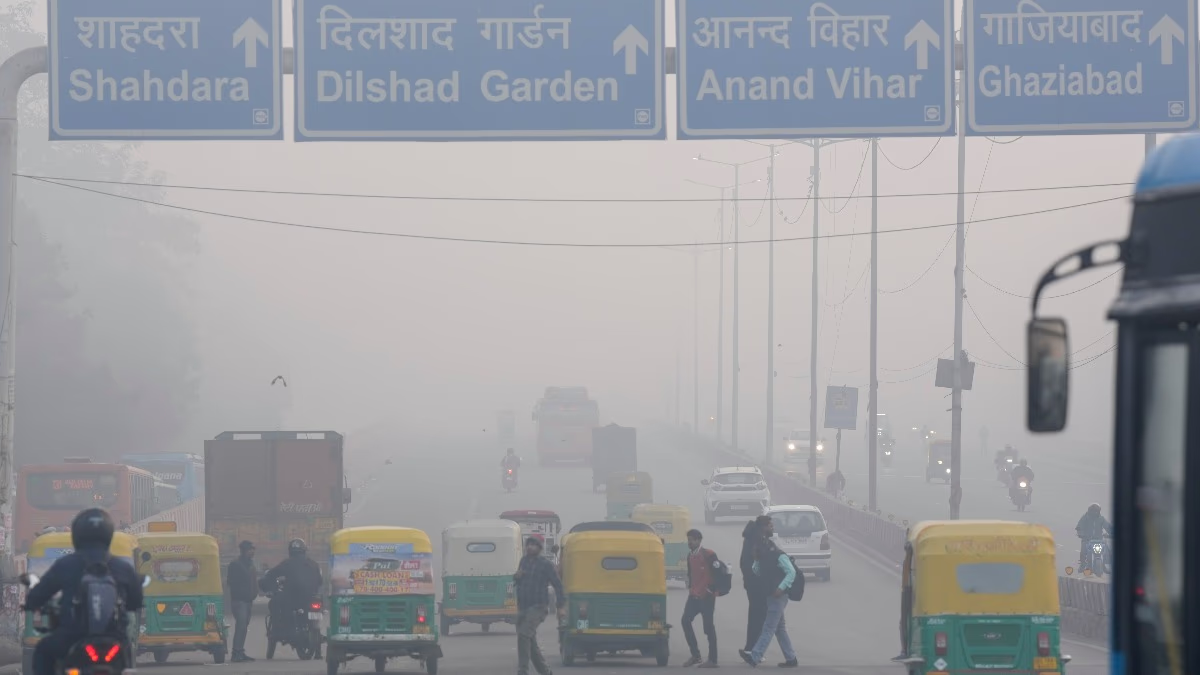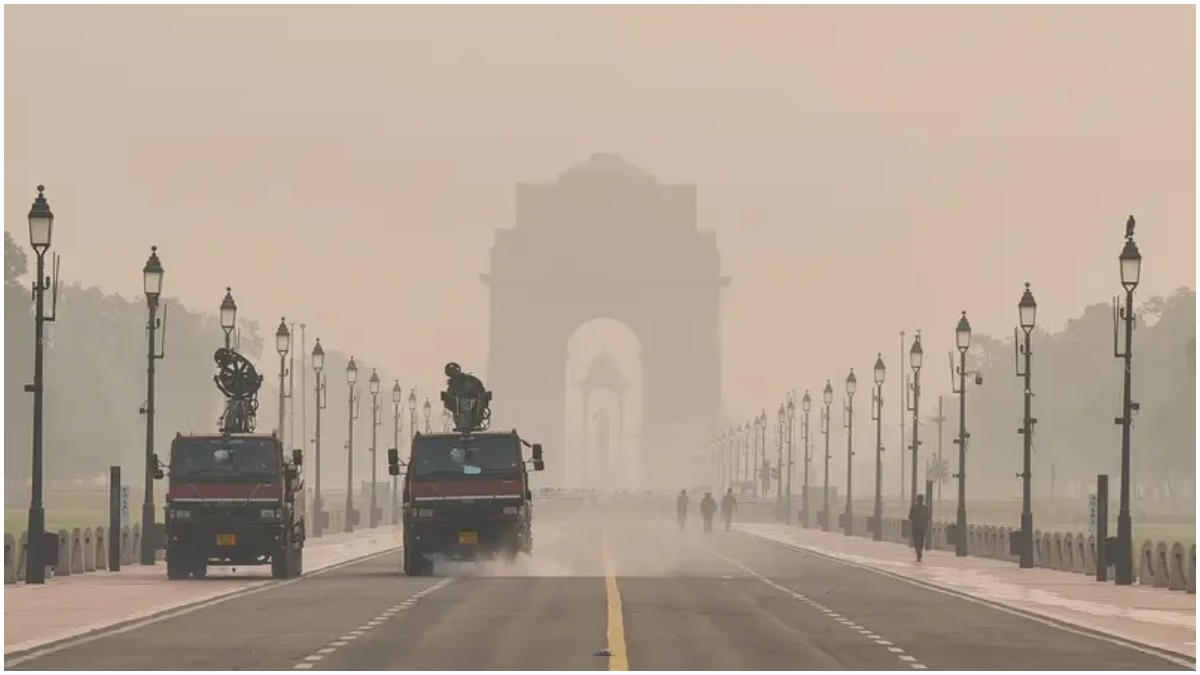
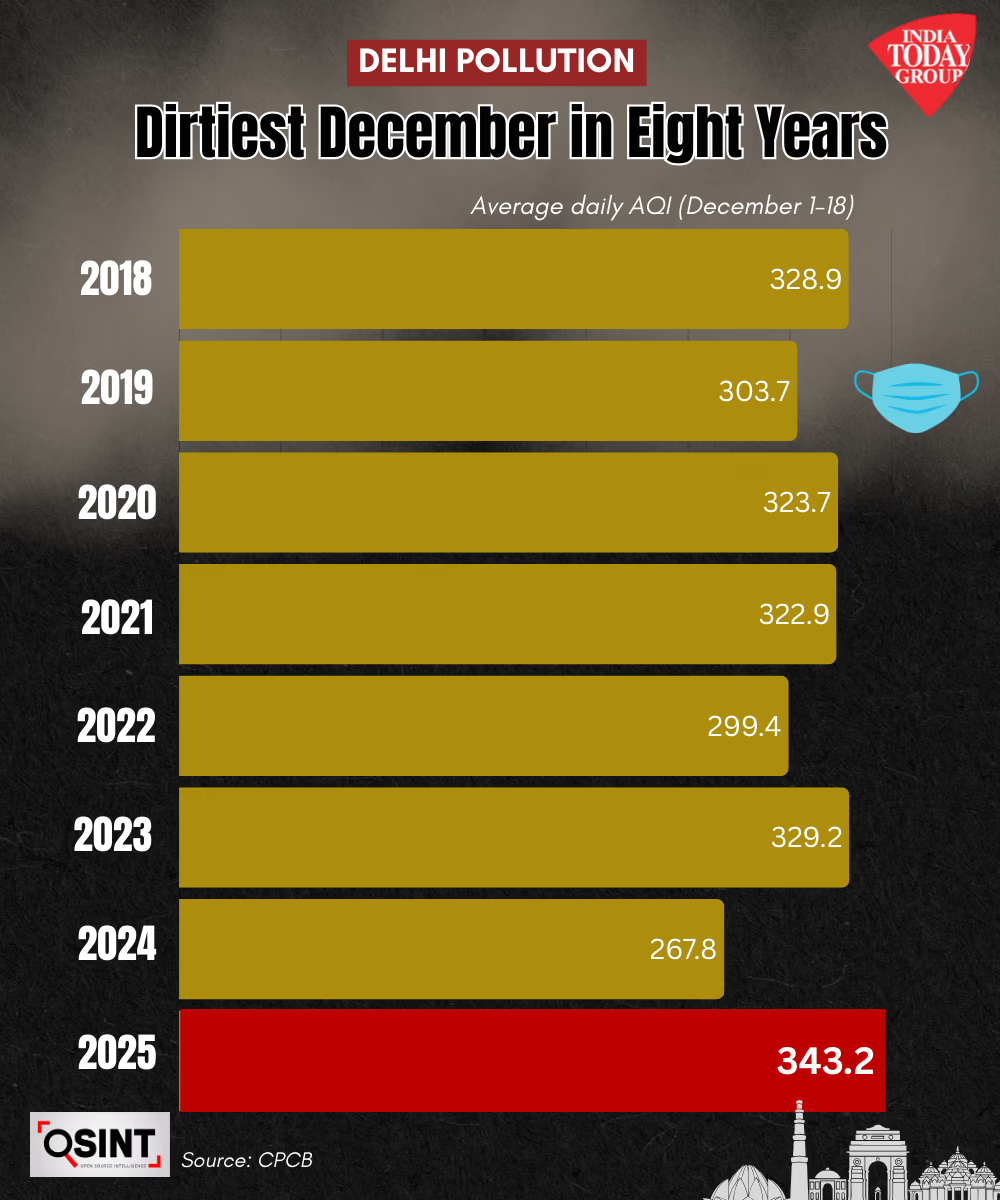
This December, Delhi's air quality hit its worst levels in eight years. The Central Pollution Control Board's (CPCB) analysis reveals that the average Air Quality Index (AQI) for the first 18 days of December was the highest in recent years. A daily 24-hour AQI bulletin released at 4 pm has shown that the air pollution scenario has remained critically severe since the month's start.
Source: aajtak
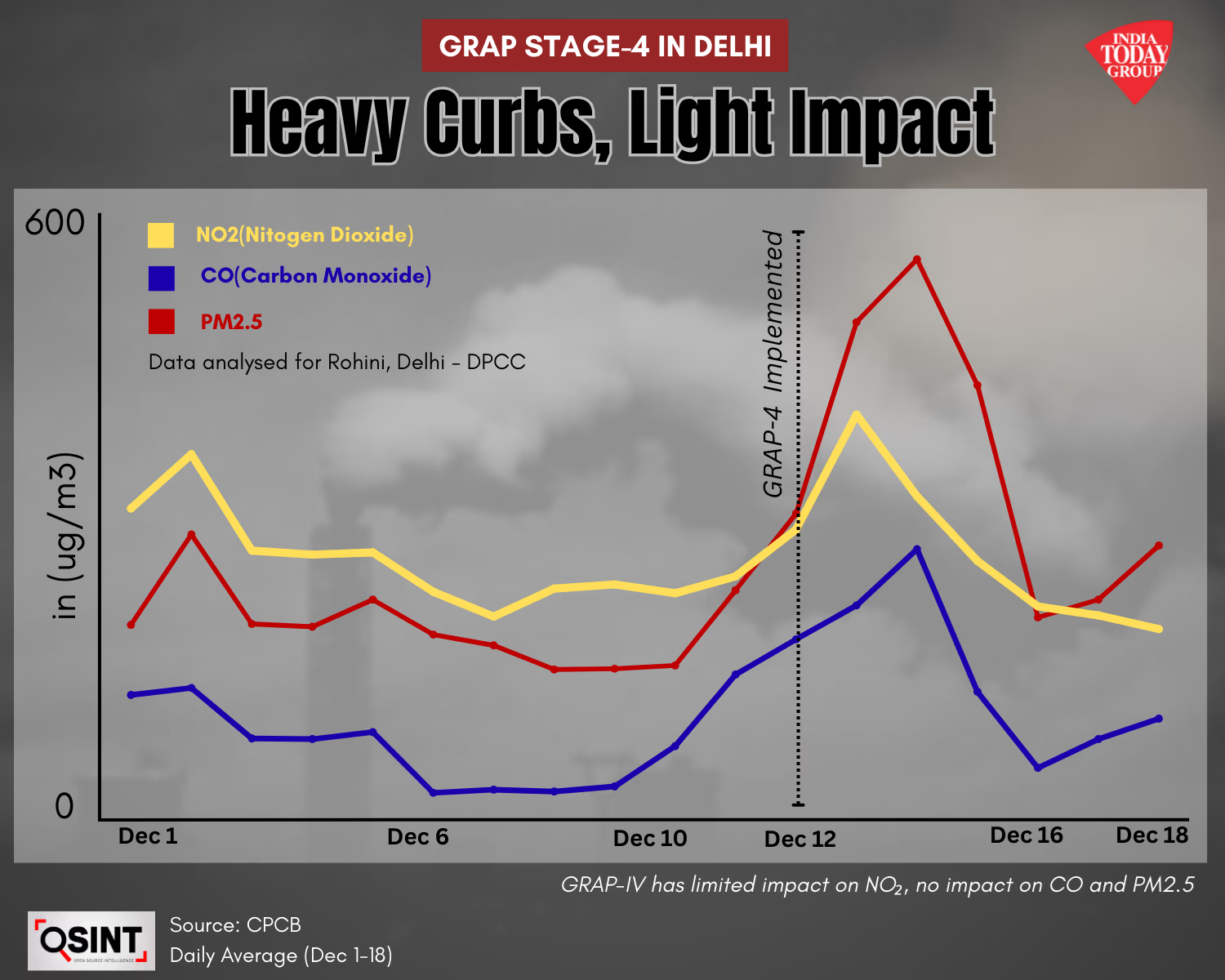
Throughout the initial eight days of December, Delhi's AQI persisted in the 'very poor' category (301–400), elevating the monthly average to 343. On December 14, the AQI surged to an alarming 461—the highest December level in eight years. To combat the worsening conditions, the Graded Response Action Plan's strictest phase, GRAP-IV, was enforced across Delhi-NCR on December 13.
Source: aajtak
Under GRAP Stage-IV, construction and demolition activities in Delhi were completely halted, open burning of waste and biomass was banned, entry of non-BS VI vehicles registered in other states was restricted, fuel was not provided to vehicles without a valid Pollution Under Control certificate, and work-from-home became mandatory for 50% of employees in government and private offices. However, despite stringent measures on paper, their impact on ground reality was limited.
Source: aajtak
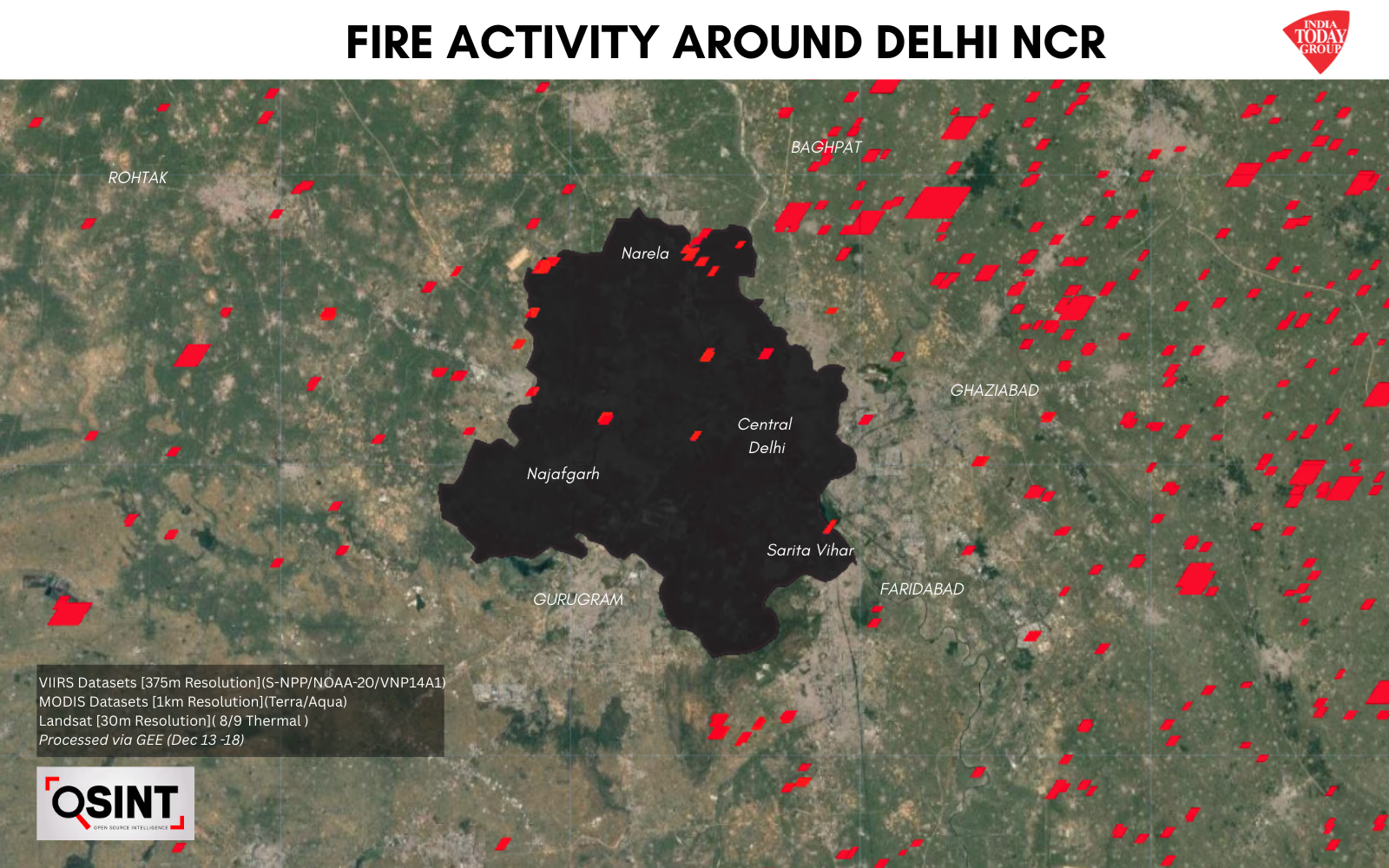
An analysis by Aaj Tak's OSINT team (Open Source Intelligence Team) using satellite and CPCB data indicated that between December 13 to 19, NASA's FIRMS satellites continuously recorded fire instances (stubble burning, landfill sites, and other locations) in Delhi and NCR. Ground checks also revealed open fires burning in areas like Delhi, Noida, Faridabad, Ghaziabad, Baghpat, Khekra, and Kharkhoda.
Source: aajtak
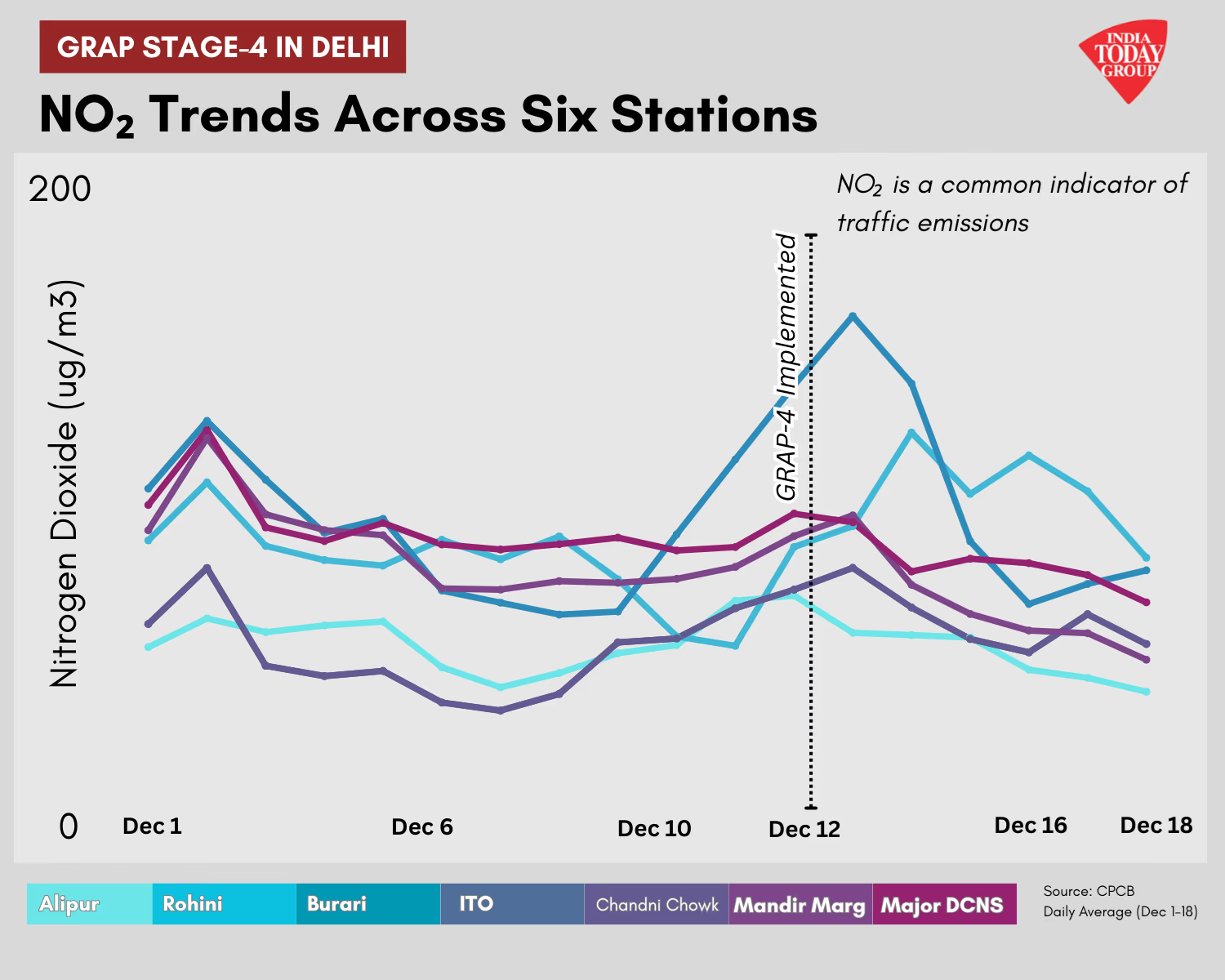
Experts suggest that Delhi's basin-shaped geography traps pollutants in the air, further compounded by pollution drifting in from Haryana and Uttar Pradesh, which accumulates in the city’s air. As a result, pollution control measures implemented solely in Delhi prove insufficient. CPCB data highlights that even after GRAP-IV's enforcement, no significant reduction in pollutants like nitrogen dioxide (NO₂), PM2.5, and carbon monoxide (CO) was achieved.
Source: aajtak
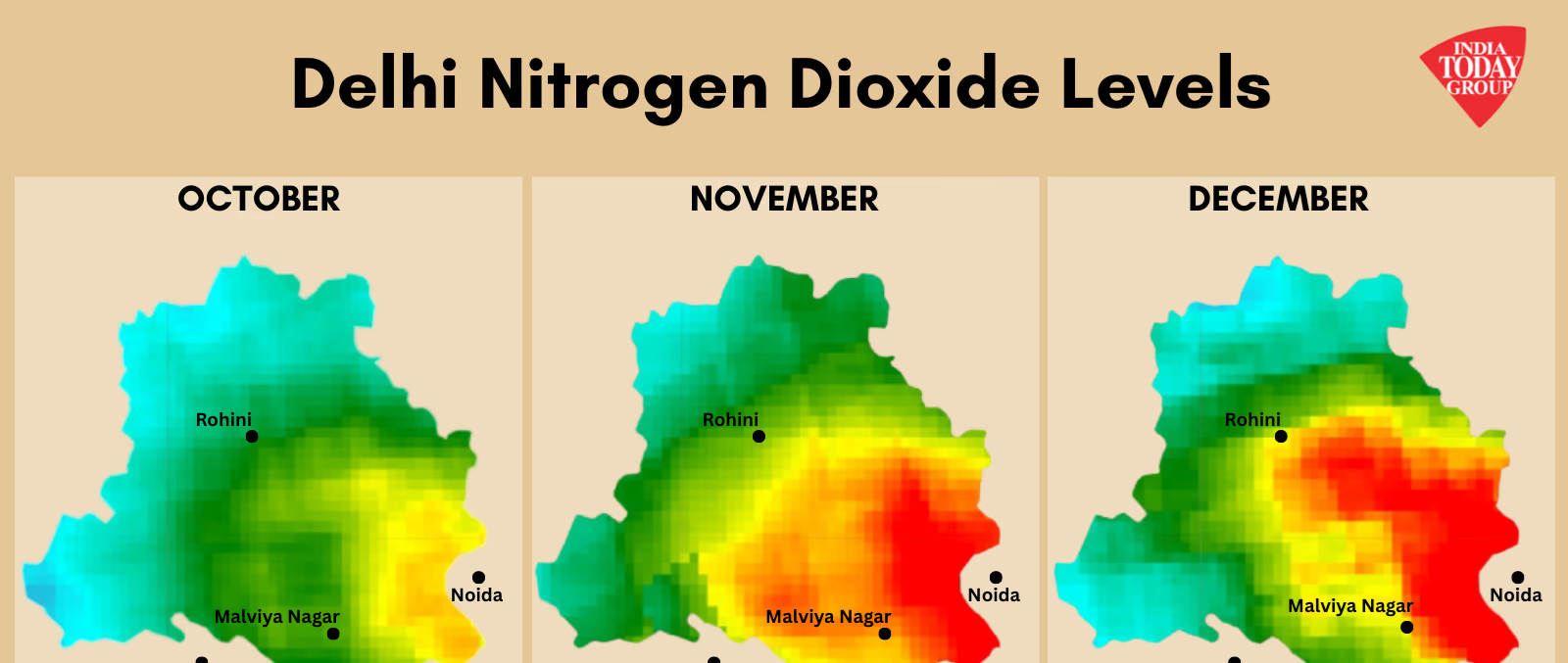
The data further reveals that just a day after implementing GRAP-IV, on December 14, pollutant levels peaked. According to satellite data, high levels of NO₂ were prevalent in Delhi's air from November through December. The clear indication is that relying on emergency measures or the weather is not sufficient to control pollution. Effective and stringent action targeting pollution sources is necessary for a lasting solution.