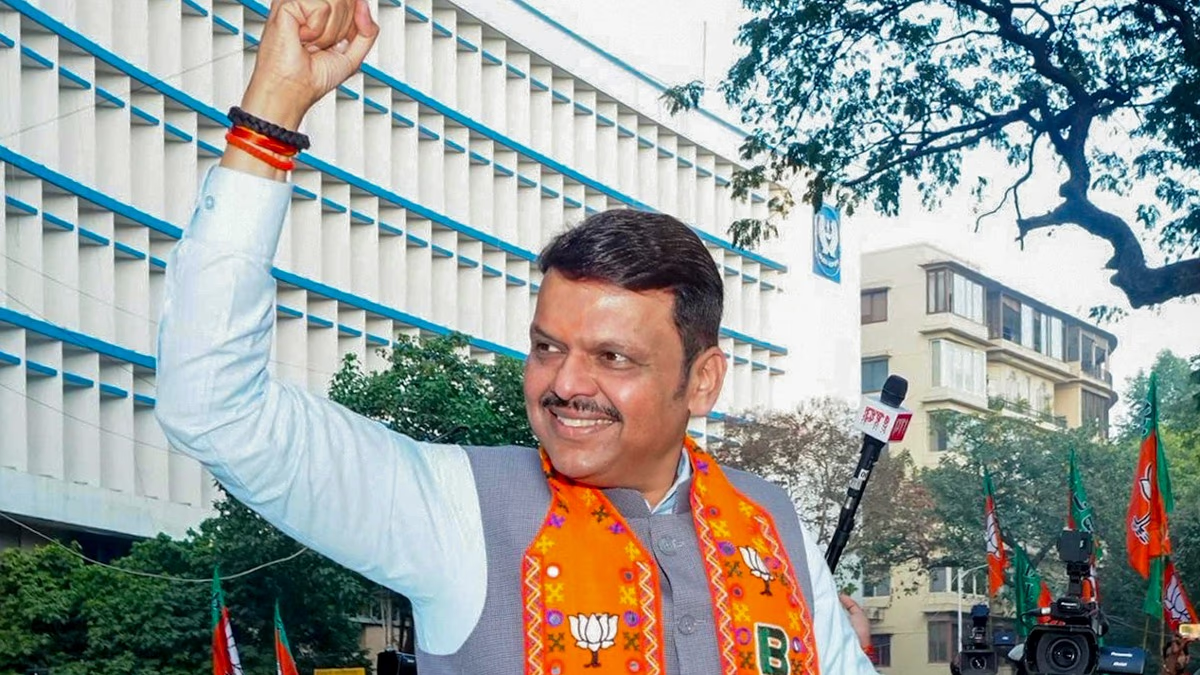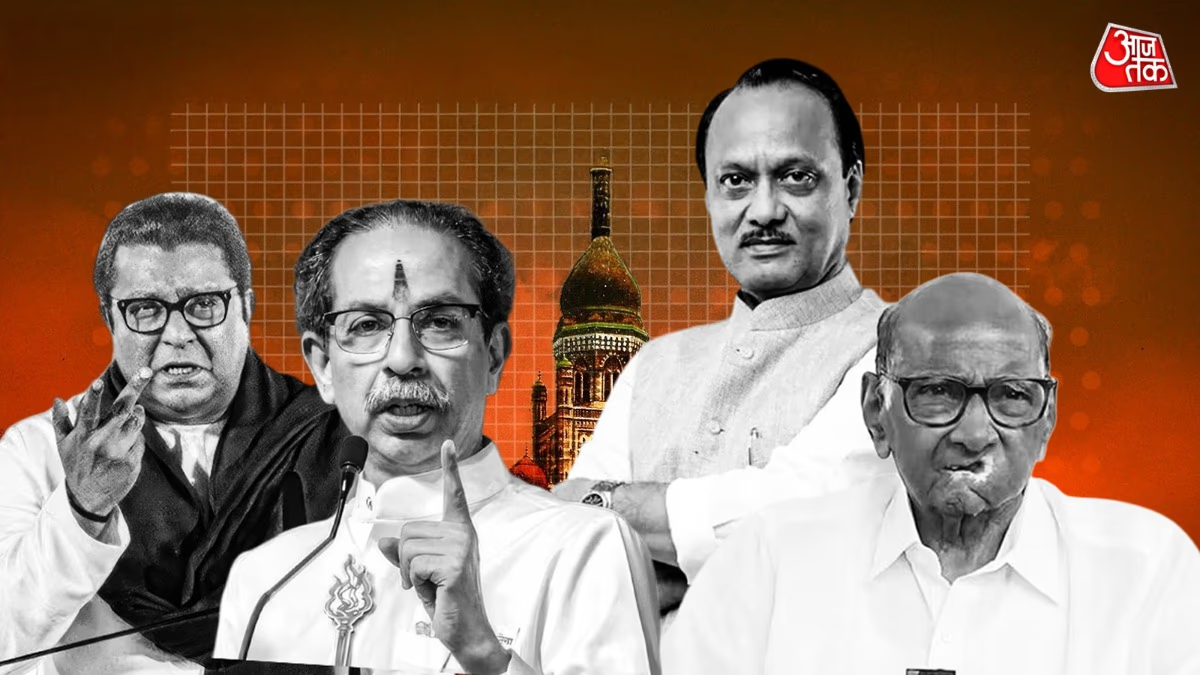
In the recent Maharashtra municipal elections, including the BMC, the alliance led by BJP and Shinde showcased an impressive performance, triumphing in multiple key cities. Despite the unity of the Thackeray Brothers, the Shiv Sena (UBT) couldn't defend its last stronghold. Even in Pune, the BJP emerged victorious, defeating the Sharad and Ajit Pawar duo.
The election outcomes have drastically altered Maharashtra's political landscape. The BJP and Shinde coalition exceeded the crucial majority threshold in the BMC, toppling the longstanding dominance of the Thackeray family that spanned three decades. The Uddhav-Raj Thackeray alliance could not halt the BJP surge.
Read More:
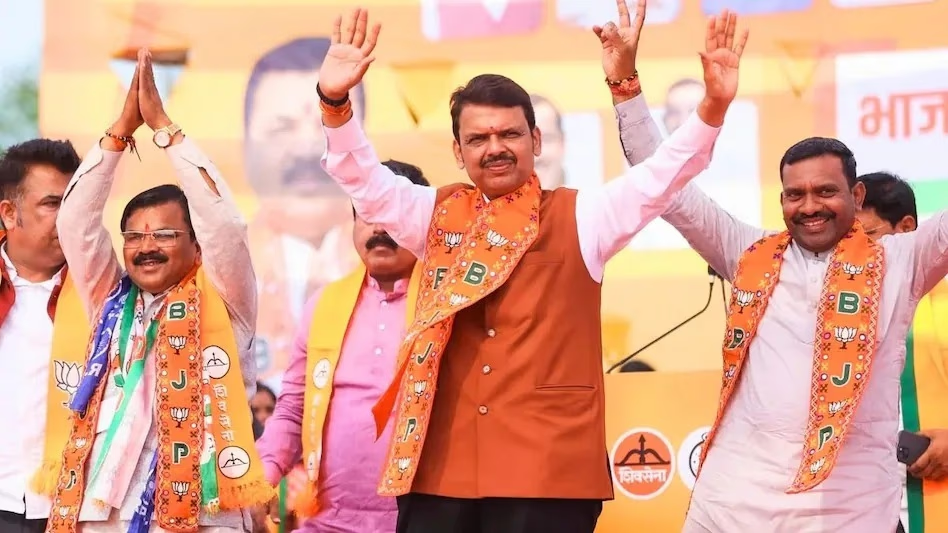
The BJP has emerged as the largest party in Mumbai. The strategic acumen of CM Devendra Fadnavis dismantled every move of the opposition alliance. Even the Pawar family appeared overpowered. This victory marks a clear indication of BJP's escalating influence, not just in Mumbai but across 23 of Maharashtra's 29 municipal corporations.
The Thackeray Brothers' Efforts Fall Short in Maharashtra
For the past three decades, the Shiv Sena had an unrivaled reign over the BMC, but this time, Mumbai residents voted for change. Although Uddhav and Raj Thackeray decided to contest together after two decades of discord to preserve political dominance, they couldn't hold their fort. Their appeal to Marathi identity failed to resonate.
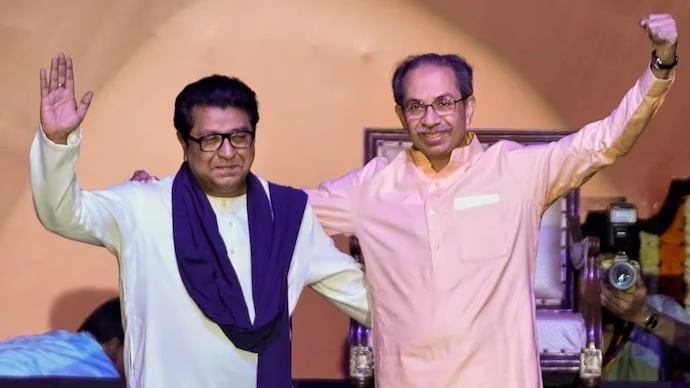
Source: aajtak
The Thackeray Brothers aggressively championed the Marathi cause, tapping into linguistic and cultural politics. Despite considerable efforts on common ground, they couldn’t withstand the BJP and Shinde duo. Mumbai's electorate has now placed its trust in new leadership, leaving the Thackeray Brothers unsuccessful across Maharashtra's municipal elections.
Why Uddhav and Raj Thackeray's Plans Failed
Despite the emotional and political support following the split in the Shiv Sena, the Thackeray Brothers’ political reunification was a headline-grabbing event expected to revive their brand in Mumbai's politics. However, the election results clarified that they could not garner the electorate's confidence, rendering the attempt politically ineffective.
The Thackeray Brothers needed to match their emotional appeal with robust organizational management at the booth level, where they lagged. The focal points for BJP revolved around credible performance and leadership, which resonated with voters, contrasting the identity and emotional themes the Thackeray coalition primarily highlighted.
Read More:
Contrastingly, the BJP maintained its focus on delivering performance and trust, aligned with Shinde’s political chemistry. In Maharashtra's civic elections, relying on emotional politics wasn't effective; performance-based expectations emerged victorious.
The BJP Triumphs Over the Pawar Family as Well
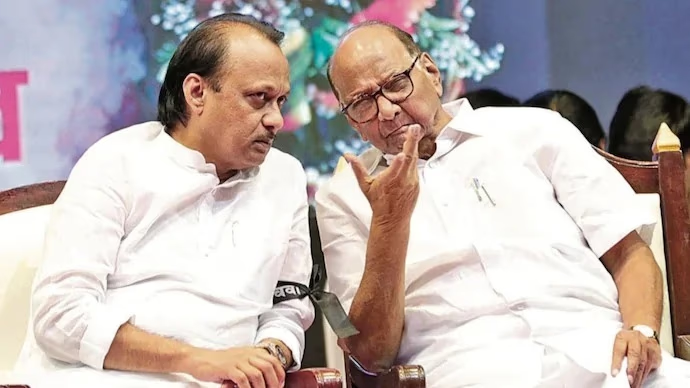
Alongside the Thackeray Brothers' efforts, the Pawar family also presented a united front in the elections. Sharad Pawar and his nephew Ajit joined forces for Pune and Pimpri-Chinchwad's municipal elections, former bastions of the NCP, yet they couldn't secure victory in any corporation.
Source: aajtak
In both Pune and Pimpri-Chinchwad, the Pawar family invested significant efforts. Despite widespread campaigning by their leaders, BJP emerged powerfully in the elections. With the NCP showing weak performance, even in regions considered their strongholds, the BJP’s extensive strategy toppling Ajit Pawar became evident.
Consistency in political strategy coupled with grassroots involvement significantly favored BJP, overshadowing the Pawar family's endeavors. This stark defeat calls for introspection within Maharashtra's traditional dynastic politics amid the rising prominence of performance-based narratives.
Thackeray Brothers and Pawar Family's Defeat: A Cautionary Tale
For the Thackeray Brothers, maintaining control over the BMC elections marked an imperative objective, while for the Pawar family, sustaining dominance in their political strongholds within Pune and Pimpri-Chinchwad was crucial. Yet, the outcomes underscored a call for change, emphasizing the limitations of dynastic politics.
The electoral setback serves as a lesson for political families across India, highlighting the significance of public sentiments over inherited political advantages in contemporary electoral dynamics.
The Perils of Inheriting Politics
Dynastic politics clashing with expectations of performance highlights the challenge of navigating modern political landscapes. With BJP's campaign against family politics popularizing, challenges mount for leaders reliant on inherited political legacies.
Source: aajtak
Critiques emphasize how successive generations of political families increasingly alienate the public, spotlighting the pitfalls of outdated approaches in rapidly evolving political arenas.
Political dynasties must adapt to grassroots feedback and shift from emotional appeals towards strategic engagement in development and trust-building efforts.
A Lesson for New Leaders like Abhishek Banerjee and Akhilesh Yadav
The BJP's success in challenging Maharashtra's prominent political families emphasizes the inadequacy of reliance on hereditary political clout. Similar strategies in places like West Bengal and UP signal opportunities for BJP in emerging local political landscapes shaped around contemporary expectations of governance.
Effective future political narratives must embrace the dynamism of current societal changes, focusing on performance-based legitimacy rather than being overshadowed by inherited political authority.