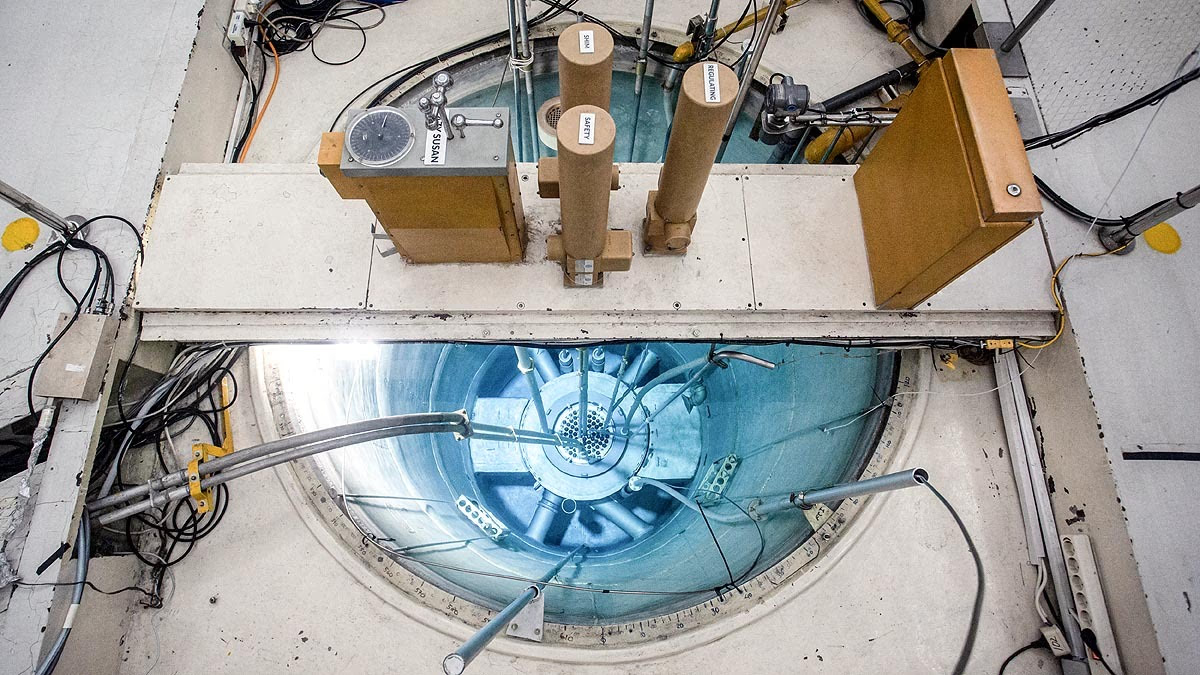
The Union Budget 2026-27, presented by Finance Minister Nirmala Sitharaman, has delivered a significant boost to the nuclear energy sector. The government has extended the exemption of basic customs duty (BCD) on goods imported for nuclear power projects until 2035. This exemption will now apply to all nuclear plants, regardless of their capacity.
What's the Announcement and Why is it Important?
Previously, this exemption was limited to specific large-reactor nuclear projects. It was periodically extended. Now, it has been extended until 2035, inclusive of all plants (small, large, from SMR to large reactors).
This exemption will make imported goods like special steel, control rods, reactor parts, and turbine components cheaper. Waiving customs duties could reduce the total project cost by 5-10%, attracting significant investments.
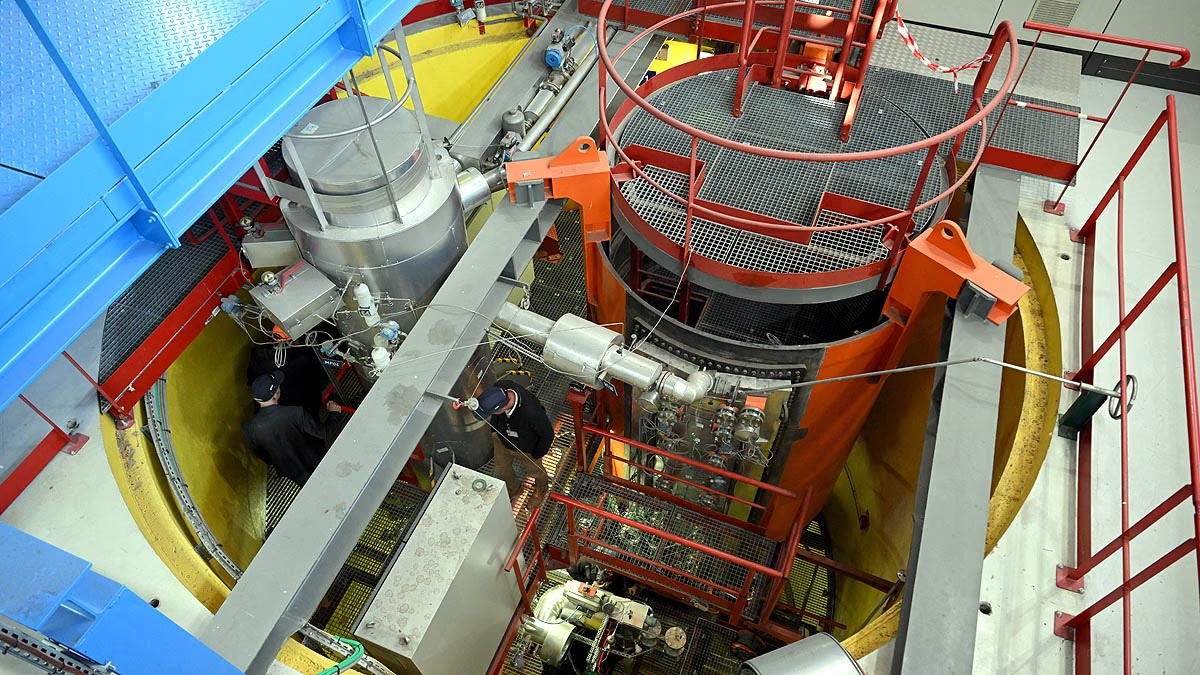
Source: aajtak
The Status of India's Nuclear Program
India is running extensive plans to provide clean and affordable energy by 2047. Currently, nuclear energy contributes about 3% (approximately 7-8 GW) to India's total power capacity. The government's plan aims for 22 GW by 2030 and 100 GW by 2047.
New Projects: Work is underway in Kudankulam, Kakrapar, Ropar, and Mahi Banswara.
Small Modular Reactors (SMR): The budget previously announced a ₹20,000 crore Nuclear Energy Mission focusing on SMRs.
Clean Energy Transition: Nuclear, solar, and hydrogen options are being expanded to reduce coal and oil dependency.
Benefits of This Exemption
Lower Costs: Imported goods will be cheaper, accelerating project completion.
Increased Investment: Private companies like Tata and Reliance, along with foreign partners (Russia, France, the USA), will show more interest.
Job Creation and Growth: Building, operating, and maintaining nuclear plants will create thousands of high-skill jobs. Local manufacturing will also increase.
Energy Security: 24x7 clean electricity will be beneficial for industries and households, reducing carbon emissions.
Responding to Trump Tariffs: Trump's tariff policy in the USA could make imports expensive, but this exemption will keep India competitive in the market.

Source: aajtak
What Challenges Lie Ahead?
Nuclear projects face challenges like safety, environmental concerns, and local opposition. However, the government is amending the Atomic Energy Act and Civil Liability Act to ease private sector participation. This budget announcement strengthens India's nuclear program for the long term.
Extending the exemption until 2035 will reduce costs for all plants, expediting the achievement of clean energy goals. Experts assert that this will provide a significant boost to India's growth, as affordable and reliable power will rapidly advance industry, jobs, and the economy.