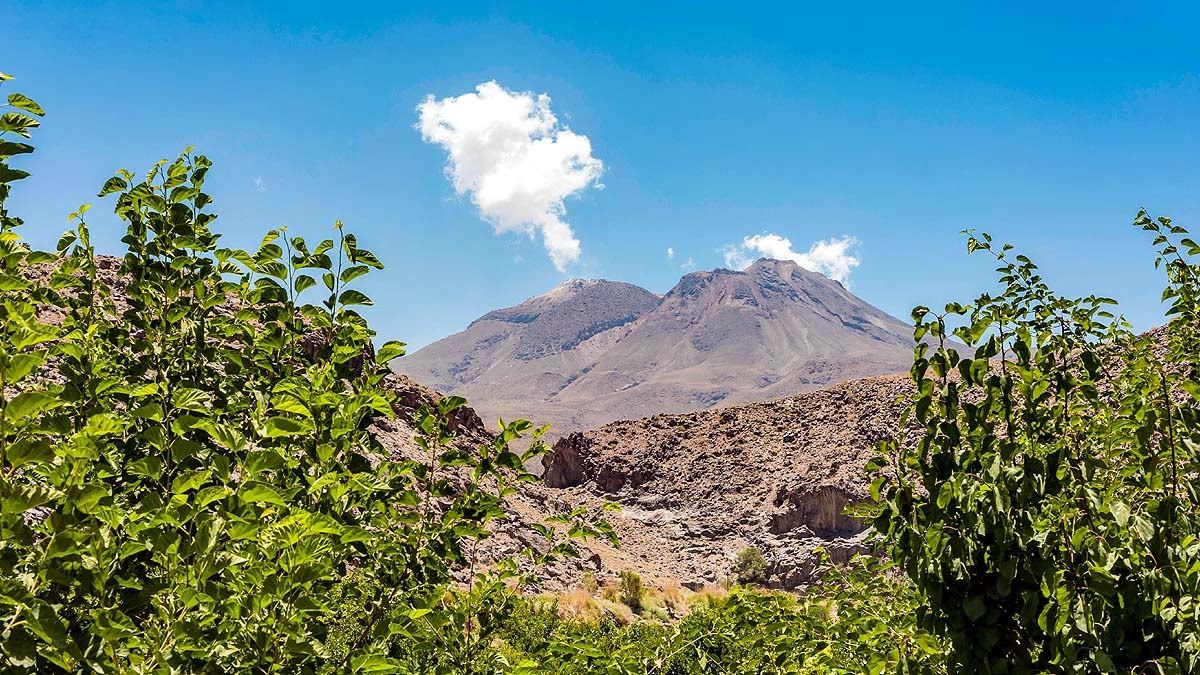
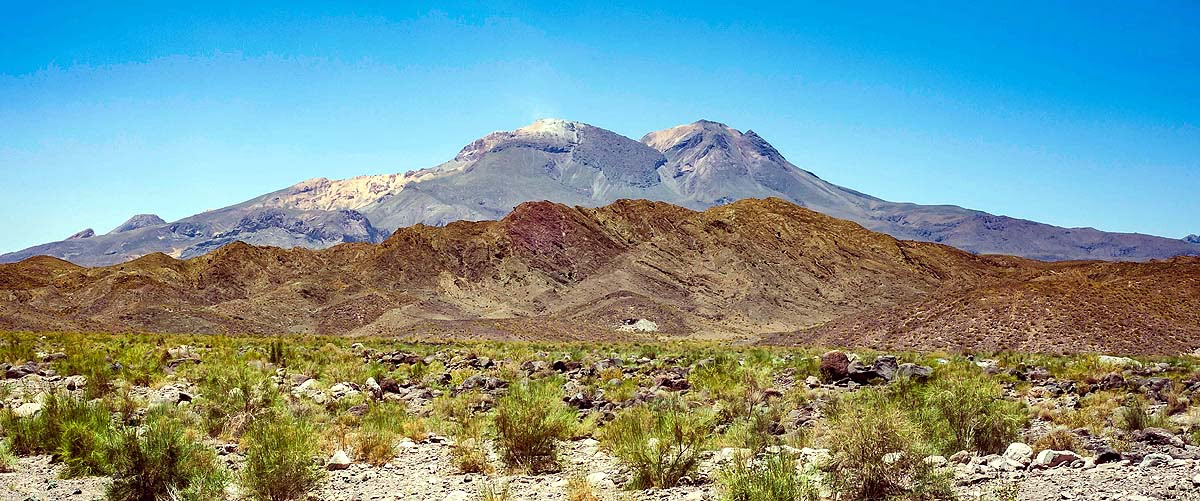
Nestled in Iran's southeast, Mount Taftan volcano, dormant for around 700,000 years, is now showing signs of life. A groundbreaking study reveals uplift at the summit, indicating mounting pressure. Derived from European Space Agency's Sentinel-1 satellite data, this finding is pivotal.
Between July 2023 and May 2024, Taftan's peak experienced a gradual 9-centimeter (3.5 inches) elevation, with no signs of descent yet. Scientists employed Interferometric Synthetic Aperture Radar (InSAR) technology, capturing minute terrestrial shifts.
Using a novel 'Common-Mode Filtering' method, atmospheric noise was filtered out, exposing clear signs of elevation. The pressure origin is shallow, just 490 to 630 meters deep beneath the summit.
It is believed the swell results from trapped volcanic gases or geothermal systems inflating the peak like a balloon. Possible slight magma movements also cannot be dismissed.
Source: aajtak
Local Clues: Since 2023, residents near the area reported intense sulfur smells and gas emissions. During the study, about 20 tons of sulfur dioxide gas per day were estimated.
Other Factors Dismissed: Rain or seismic activities weren't blamed, as no significant earthquakes occurred, and the region saw minimal rainfall.
Previously deemed 'extinct', Taftan is now classified as 'dormant'.
Situated near Pakistan's border in Iran's Sistan and Baluchestan province, Taftan rises approximately 3,940 meters (13,000 feet) high. It lies within the Makran subduction zone, where the Arabian Plate meets the Eurasian Plate. Persistent fumaroles at its summit perpetually signal volcanic activity.
Chief scientist Pablo Gonzalez emphasized that this isn't to incite panic but to raise awareness. Iranian authorities should prioritize resources for robust monitoring. As no ground-based monitoring systems (like GPS or seismographs) are currently in place, satellites remain crucial.
If pressure continues its ascent, gas leaks, minor eruptions, or toxic gas emissions could pose risks to nearby villages. Scientists advocate for a monitoring network across the Makran volcanic arc to map hazards, track gases, and formulate emergency plans.