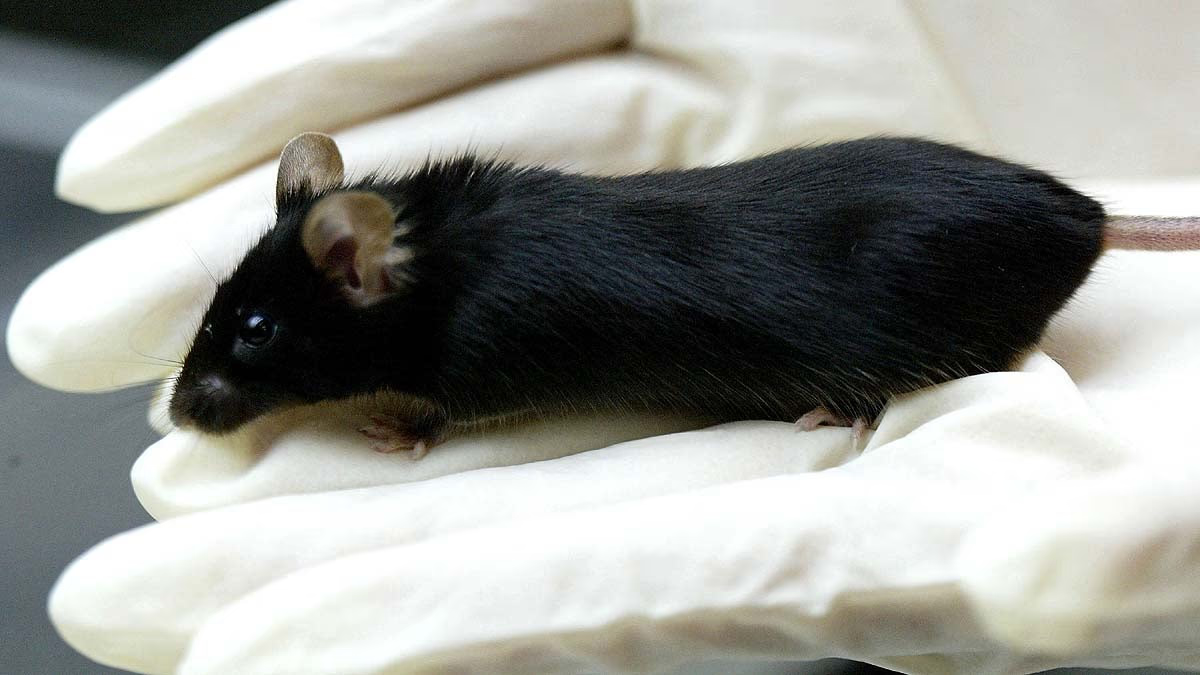
A female mouse that ventured to China’s space station made an extraordinary return to Earth, where she gave birth to 9 vibrant babies. This compelling occurrence heralds a significant advancement for humanity’s dream of thriving in space. Scientists assert that short-term space travel does not adversely impact mammalian reproductive capabilities. This endeavor was part of China’s Shenzhou-21 mission.
On October 31, China dispatched four mice (numbered 6, 98, 154, and 186) to the space station, positioned approximately 400 km above Earth. They spent two weeks there, enduring microgravity (low gravity), space radiation, and other unique space conditions.
Read More: Prepare for the Greatest Space Missions: Astronauts to Orbit the Moon in 2026
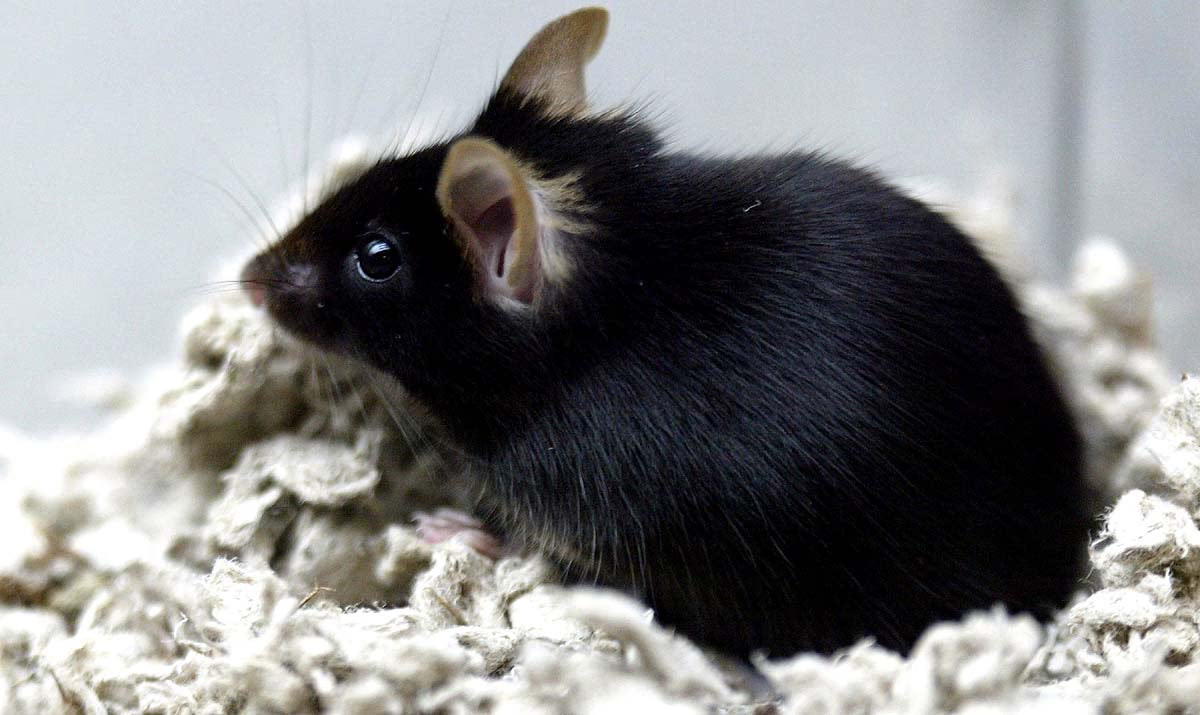
Safely returning to Earth on November 14, one female mouse later delivered 9 healthy babies on December 10. Of these, 6 survived, corresponding to a normal survival rate. The mother mouse is nursing well, and the offspring are lively and thriving.
Researcher Wang Hongmei from the Chinese Academy of Sciences remarked that this demonstrates short space flights don’t affect mice’s fertility. Previously, experiments involved fertilizing Earth-bound eggs with sperm from space-returned mice, but this time, an entire female mouse traveled to space, returned pregnant, and gave birth on Earth.
Source: aajtak
The mission was not without challenges. Delays in the return of Shenzhou-20 extended the mice’s stay and risked food shortages. In an emergency, the ground team tested astronauts’ food – including compressed biscuits, corn, hazelnuts, and soy milk. In the end, soy milk proved to be the safest option.
In space, the mice’s habitat was lit from 7 AM to 7 PM to mimic Earth’s day-night cycle. Food was nutritious yet hard, necessary for the mice to wear down their teeth. Airflow directed hair and waste to separate containers. An AI system monitored the mice's activity, diet, and sleep.
Read More: Know the Indian Bombs That Shook Pakistan's Sleep in Balakot Strike
Mice share close genetic similarities with humans, reproduce quickly, and exhibit stress responses akin to humans. Any significant reproductive issues would likely manifest first in mice. Scientists will now observe these space-born pups for their development, growth, and reproductive capabilities. Will any hidden effects show in the next generation?
This pursuit is vital for humanity. Before embarking on long journeys to Mars or establishing permanent lunar settlements, it's crucial to understand if reproduction in low gravity will remain normal, or if space radiation will harm eggs or sperm.
The motherhood of a single mouse doesn’t answer all our questions, but it certainly inspires hope that human reproduction in space is achievable. This is a significant stride toward the celestial aspirations of humankind.