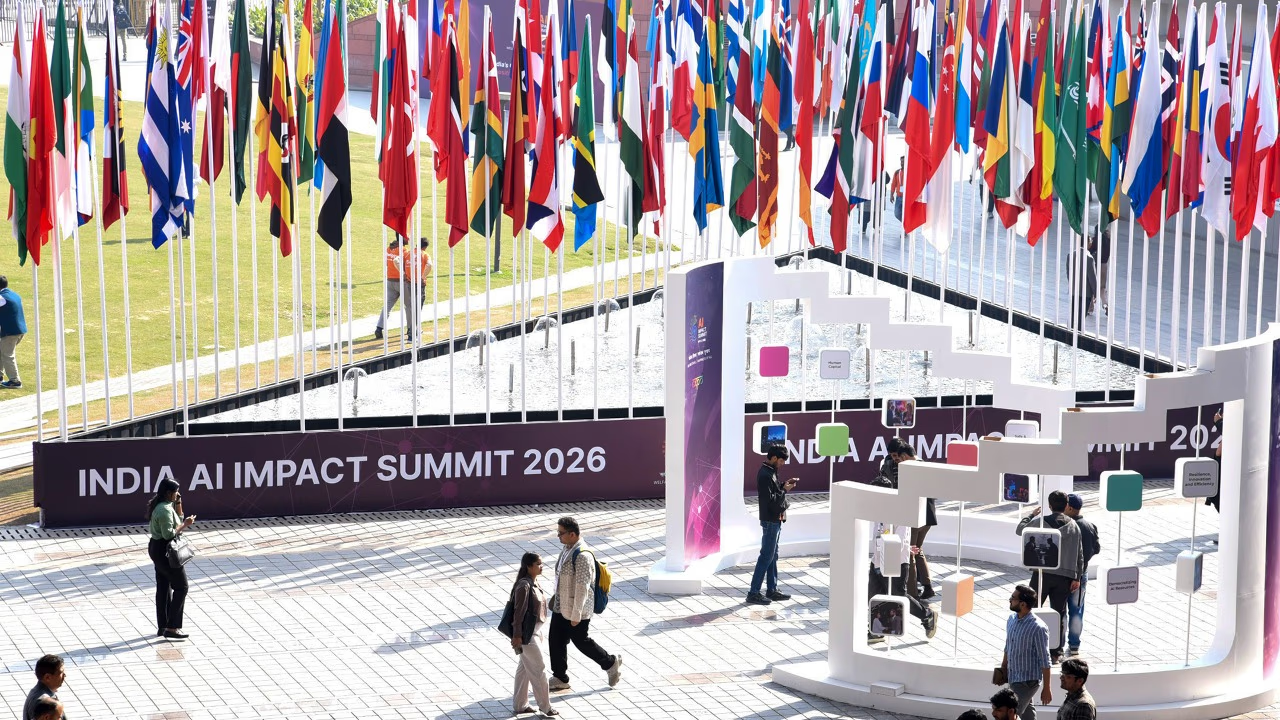
Welcome to the AI Impact Summit 2026, hosted in India this year. Among its highlights is the specially crafted pavilion called the WAVES Creators Corner, a space dedicated to embracing the creativity and innovation of the Creator Economy.
The government has allocated a unique space for creators and the Creator Economy, acknowledging its expansive impact in the recent budget discourse.
Over the years, the media and entertainment landscape has transformed dramatically. With smartphones becoming ubiquitous, people are spending more time on digital platforms compared to traditional television and print media.
The way we consume and create content has evolved completely. Digital media has surpassed all others in terms of reach and engagement, becoming the dominant force in the narrative.
Digital Media Boosts Revenue by 800 Billion Rupees
In 2024, India's media and entertainment industry was valued at approximately 2.5 trillion rupees. Out of this, digital media alone contributed nearly one-third, amounting to a staggering 800 billion rupees, according to government reports.
Television generated around 670 billion rupees, print media around 260 billion rupees, and online gaming around 230 billion rupees in revenue, signaling that digital media is not just a supporting player anymore, but a key industry pillar.
This report also indicates that a nation's strength is no longer solely measured by its factories and infrastructure. Digital platforms, content, intellectual property, and cultural influence have become integral components of the economy. Ideas today spread rapidly, stories move markets, and the creative ecosystem determines global perception and interaction with countries.
Digital Media's Share to Increase Further
Data suggests a continued rise in digital media’s share in the years ahead. Between 2024 and 2027, digital media is expected to experience the most significant growth, with live events potentially encroaching upon print media’s territory.
Where the audience goes, money follows. Advertisers are swiftly transitioning to digital platforms, with nearly half of India's total ad spend directed at digital platforms in 2025. As audiences shift towards OTT, subscriptions for cable and DTH are declining.
While digital media investment grows, a substantial portion benefits foreign companies. Platforms like Meta and Google dominate India’s digital ad market, meaning that a significant value generated by Indian content and creators is not retained domestically.
Experts advocate for strengthening local digital platforms to ensure the revenue from the digital economy remains within the country, empowering India to shape its digital future independently.