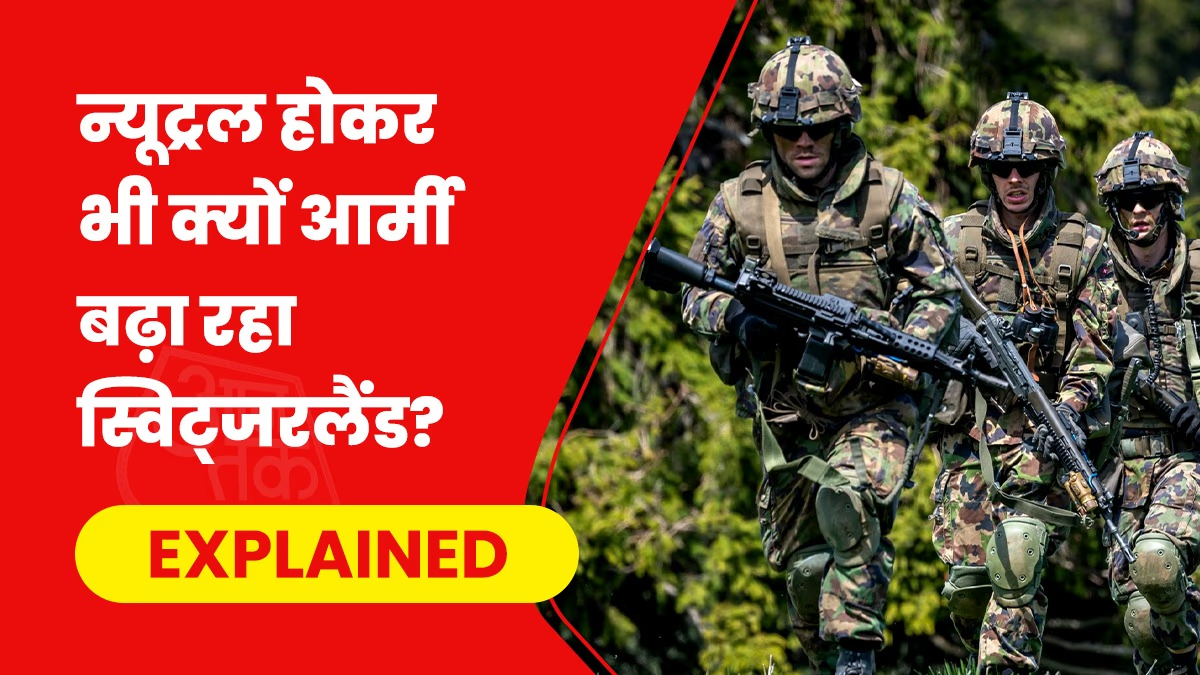
Famed for its breathtaking landscapes, Switzerland is equally renowned for its military neutrality. Historically, it has avoided entanglements with nations like the USA and Germany, yet always maintained a self-defense force. Recently, the proposal for compulsory training for women was put forward but ultimately dismissed. Why then is a militarily neutral country keen on reinforcing its army?
Transforming Neutrality: From Aggression to Peace
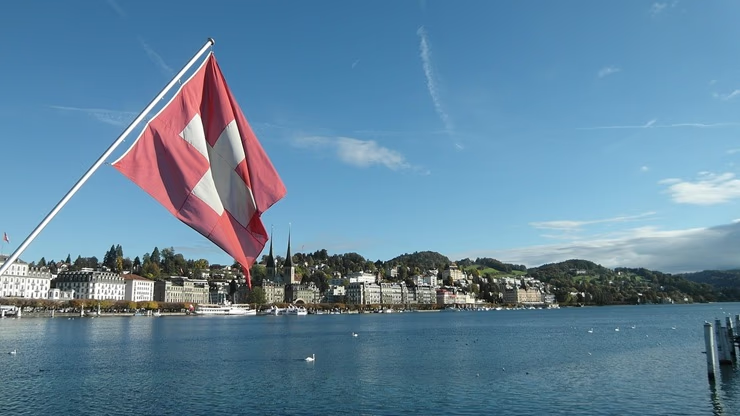
Military neutrality has become a national identity for Switzerland, but it wasn't always that way. In the 15th and 16th centuries, Swiss troops were considered among the most formidable in Europe, fighting for power and money. However, a transformative event occurred in 1515. The Battle of Marignano saw over ten thousand Swiss soldiers perish, weakening the nation. In its aftermath, Swiss leaders opted out of European monarchs' wars, gradually embedding neutrality into the national ethos. The 1648 Treaty of Paris saw Switzerland declare this stance, with other nations acknowledging its impartiality, ceasing to seek military aid. Amidst warfare, Switzerland became a peaceful refuge, cushioning others from conflicts.
Source: aajtak
What Does Being Neutral Mean?
- Switzerland refrains from taking sides in any war or military conflicts. - It stays out of military alliances like NATO to prevent being compelled into wars. - Switzerland bars any army from passing through its territory in wartime. - It's forbidden for warring countries to move weapons through its land or airspace. - Owing to its neutrality, Switzerland often hosts peace talks and agreements. - While it doesn't take sides in wars, it leads in humanitarian aid and refugee support.
So, Does Switzerland Lack a Military?
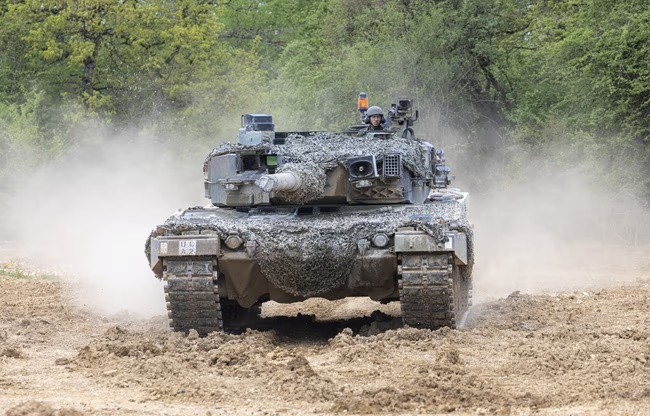
Swizerland's neutrality isn't synonymous with being defenseless. The Swiss military model is clear: they won't attack first, but they'll defend vigorously if provoked. Hence, Switzerland isn't toothless but rather a militarily robust nation. Military training is mandatory for Swiss men, preparing them for crises.
Men aged 18 to 20 undergo basic training, subsequently joining the reserve force. This model facilitates swiftly amassing a large citizen army if needed, all while incurring lower costs compared to maintaining a large active-duty force.
Source: aajtak
Do Neutral Countries Face Threats?
Absolutely. History records instances when neutral countries suffered attacks. During World War II, Germany invaded neutral Belgium and the Netherlands, and similarly disregarded Norway and Denmark's neutrality.
Why Do Attacks Happen?
Neutrality remains secure only if powerful nations respect the policy. If strategic gains like routes, resources, or military advantages are at stake, aggressors may disregard neutrality.
Why Is Swiss Policy Shifting?
Despite officially being neutral, recent geopolitical events, especially the Russia-Ukraine conflict, suggest a shift in Swiss policy. Switzerland retained its policy during Crimea's annexation in 2014, maintaining trade with Russia. However, current times reflect a change.
Switzerland described Russia's aggression as extraordinary circumstances, marking the first instance of taking a firm stance against Russia by curtailing transactions. For the first time in 500 years, the nation imposed sanctions. However, its neutrality remains intact, staying clear of the war itself.