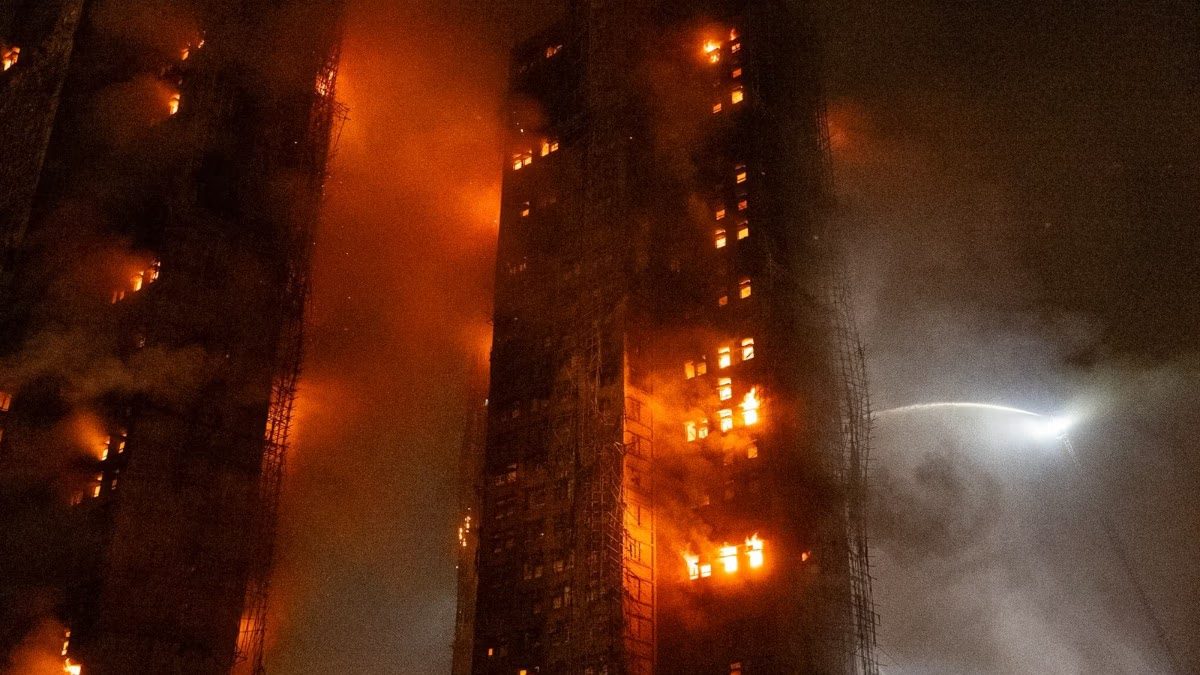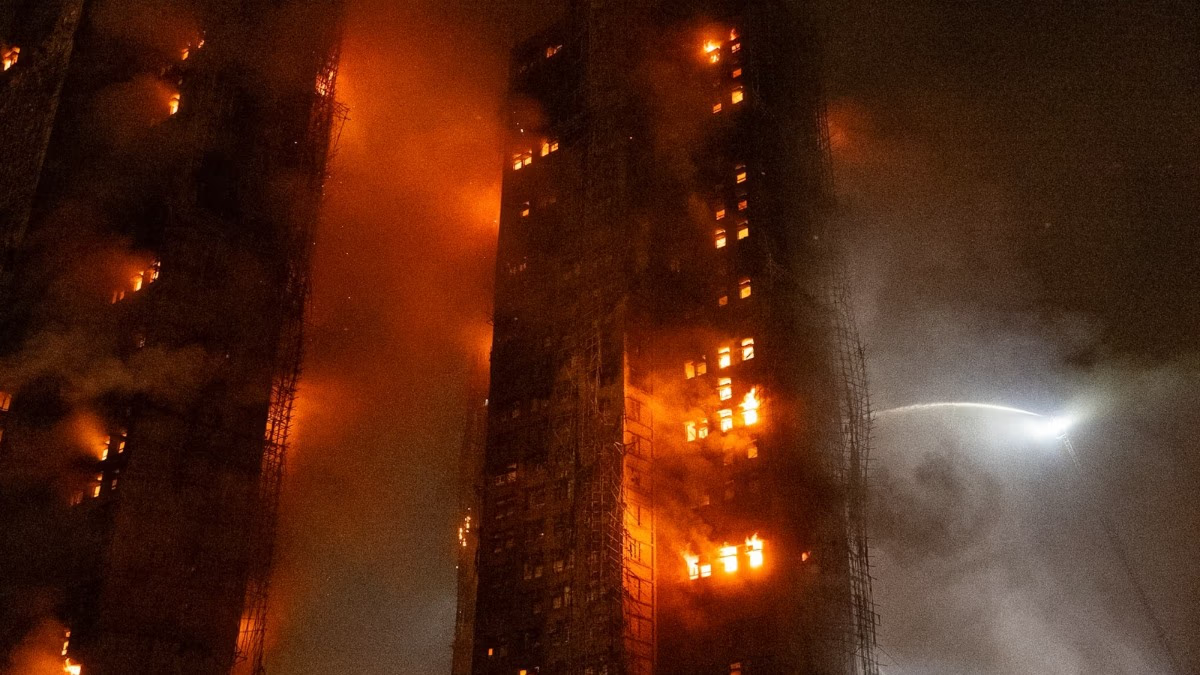
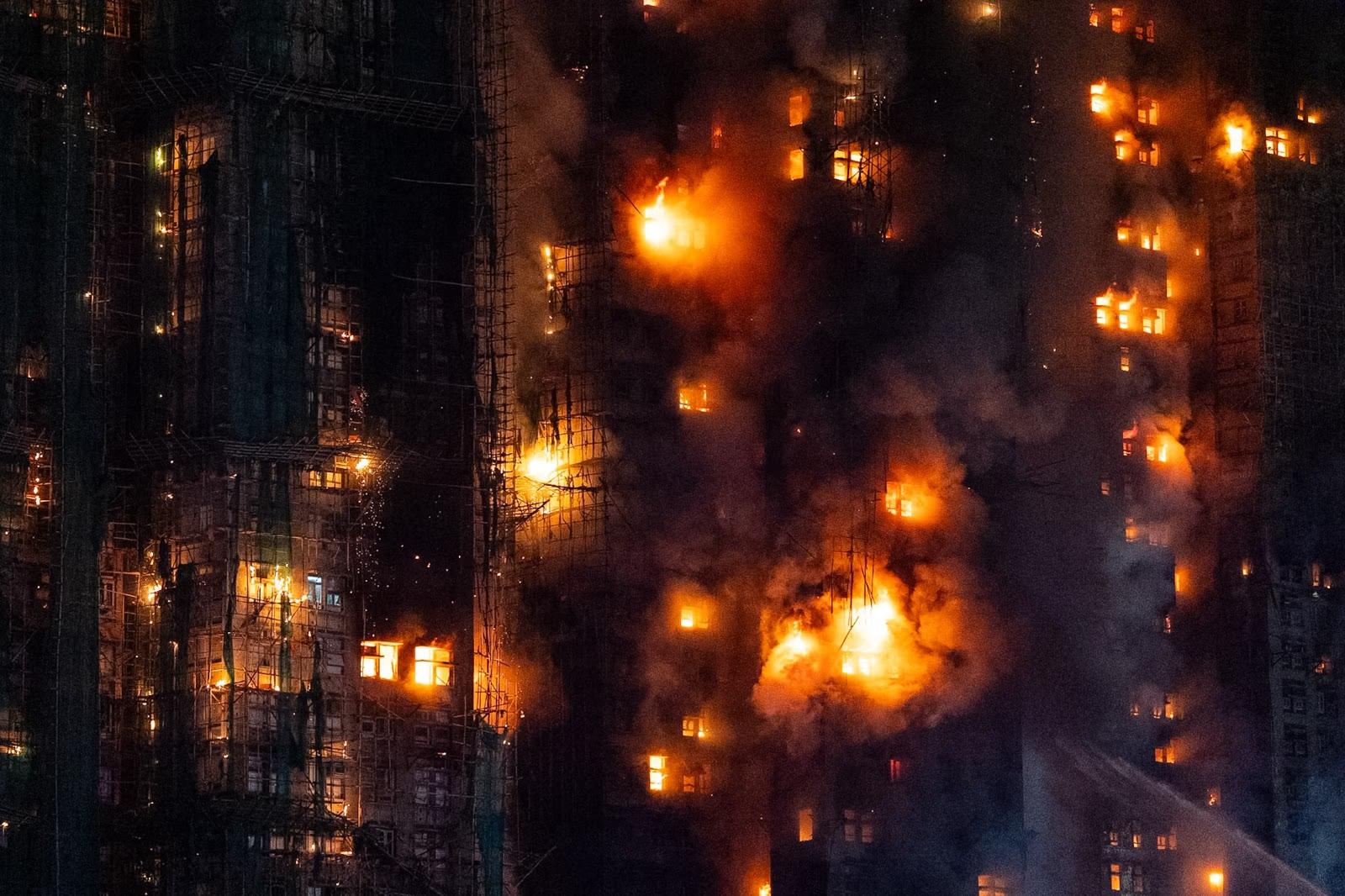
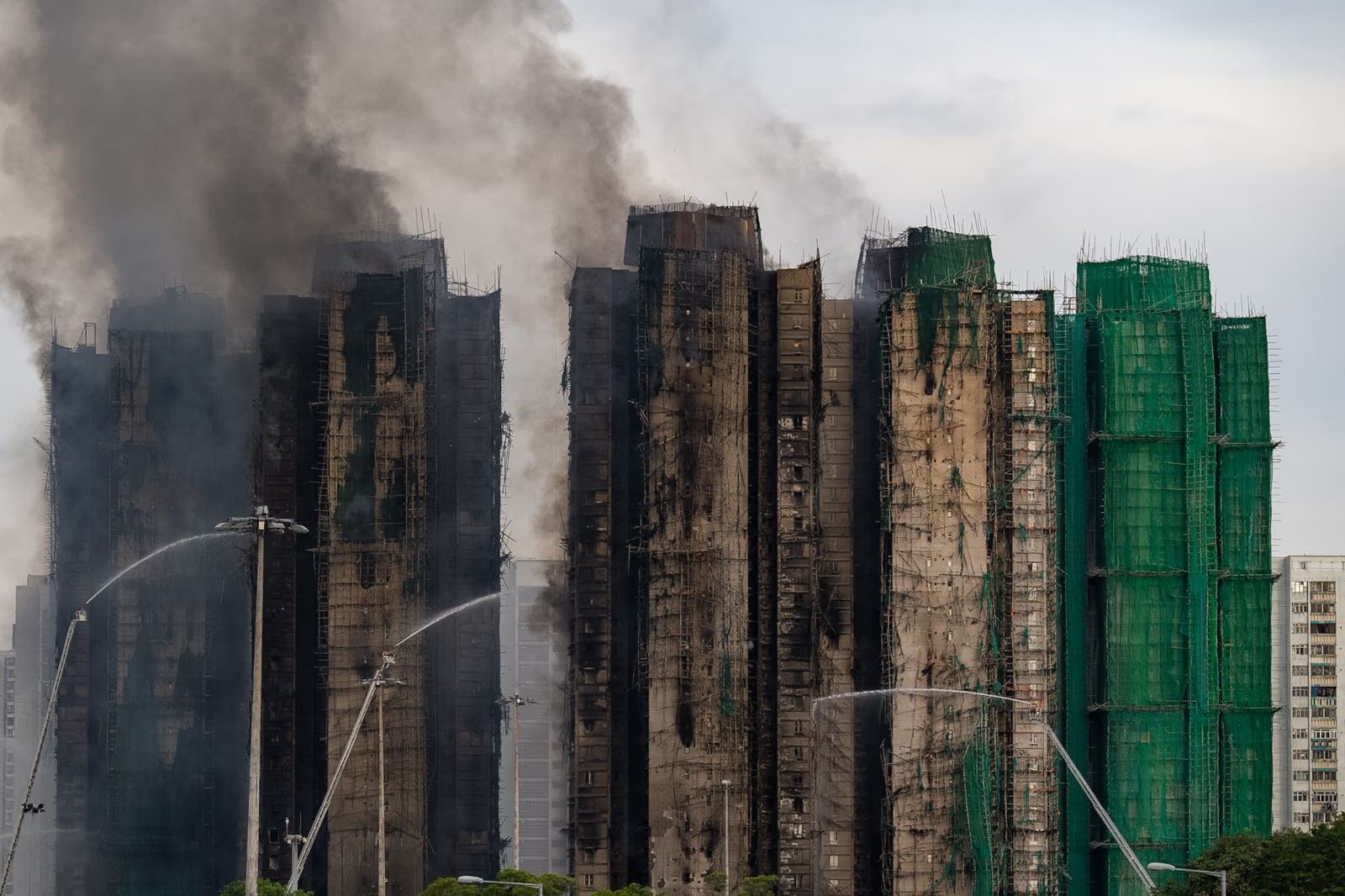
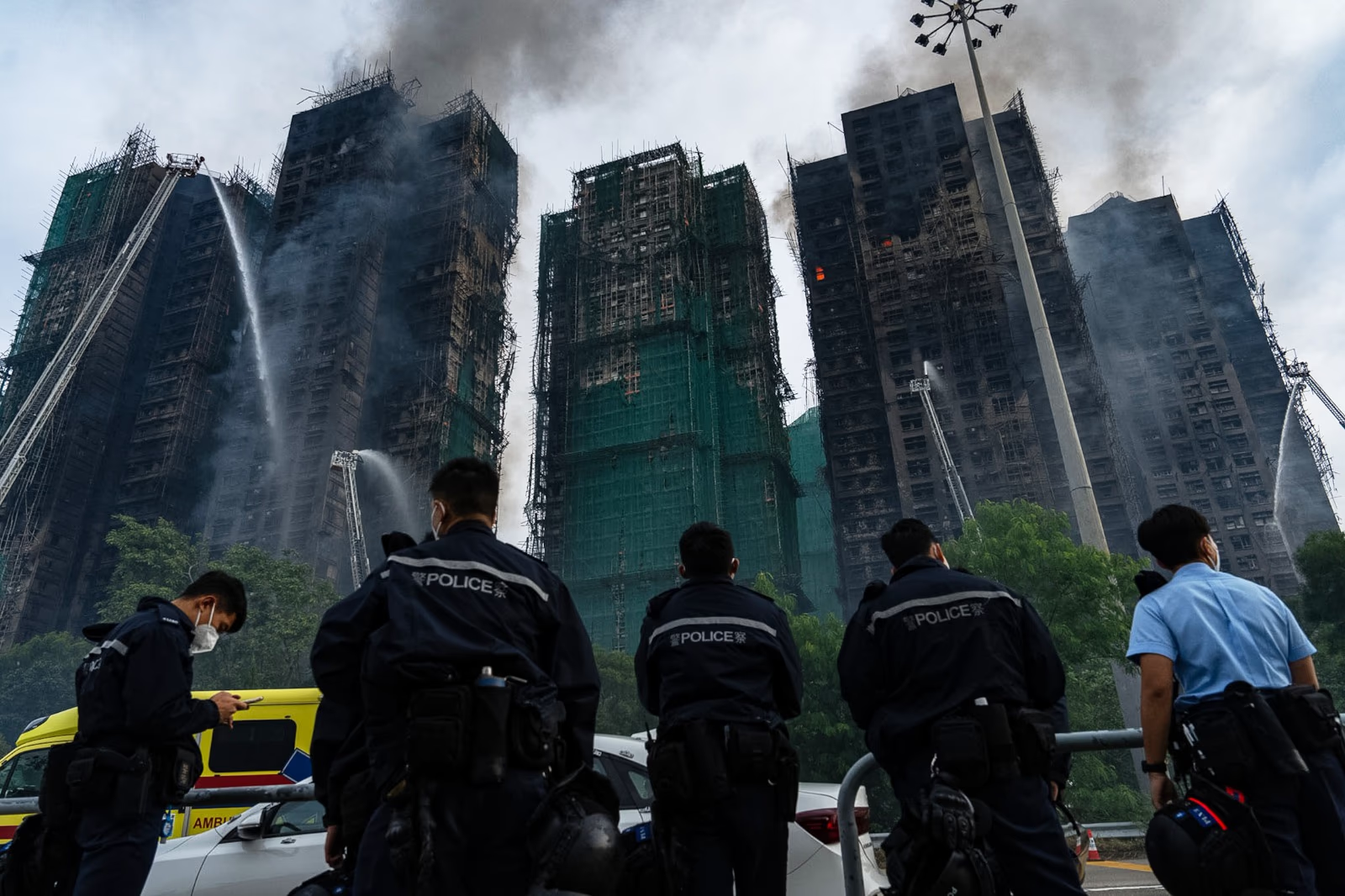
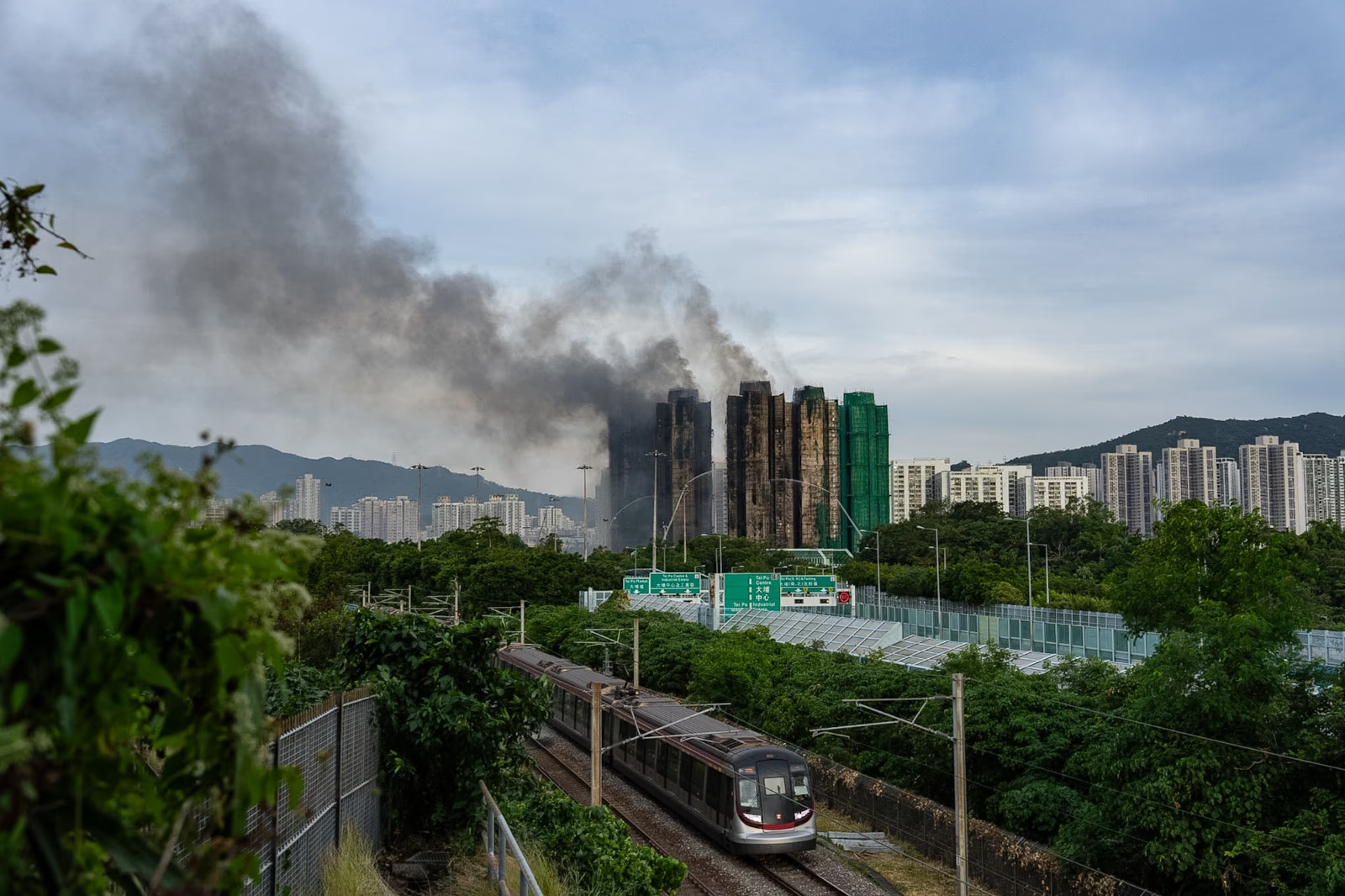
On Wednesday (26th), a devastating Level-5 fire erupted at the residential building known as Hung Fuk Court in Hong Kong's Tai Po District. So far, 94 people have lost their lives, including a 37-year-old firefighter. More than 200 individuals are still unaccounted for. Rescuers have recently recovered an additional five bodies.
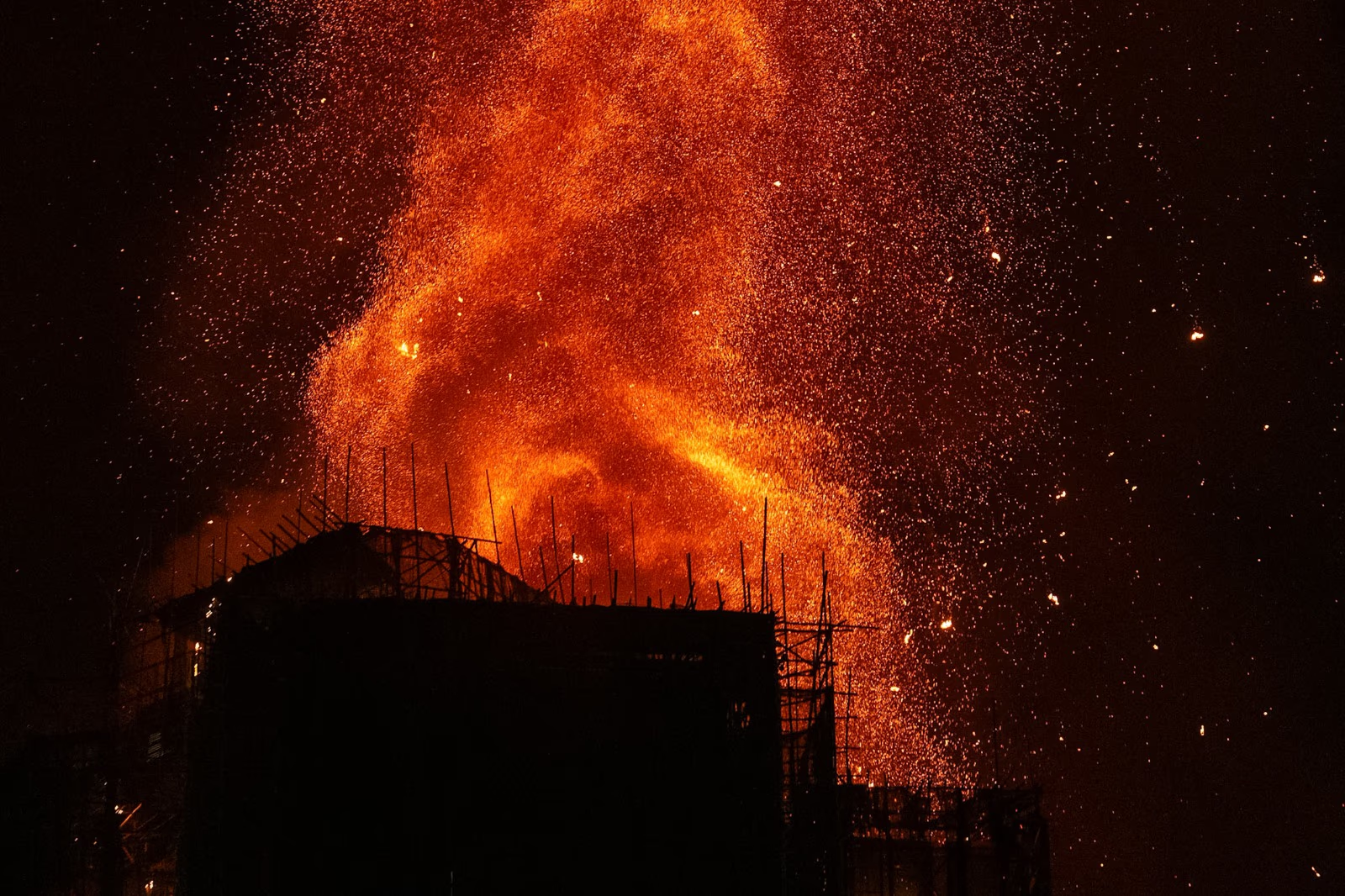
Source: aajtak
Many residents managed to escape, yet numerous others anxiously waited near the building, hoping to reunite with their loved ones. Fire service officials conducted thorough searches of every unit to ensure no one remained trapped inside. This rescue operation is expected to conclude by morning. The cause of this inferno appears to be linked to polystyrene foam.
Negligence Leads to Tragedy
Security Secretary Chris Tang and Fire Services Director Yeung Yan-kin disclosed a critical oversight. Several flats had windows sealed with polystyrene foam and thermocol-like material, which is highly flammable. Consequently, the fire spread rapidly. Additionally, safety nets, waterproof tarps, and plastic sheets used in the building were found to be substandard.
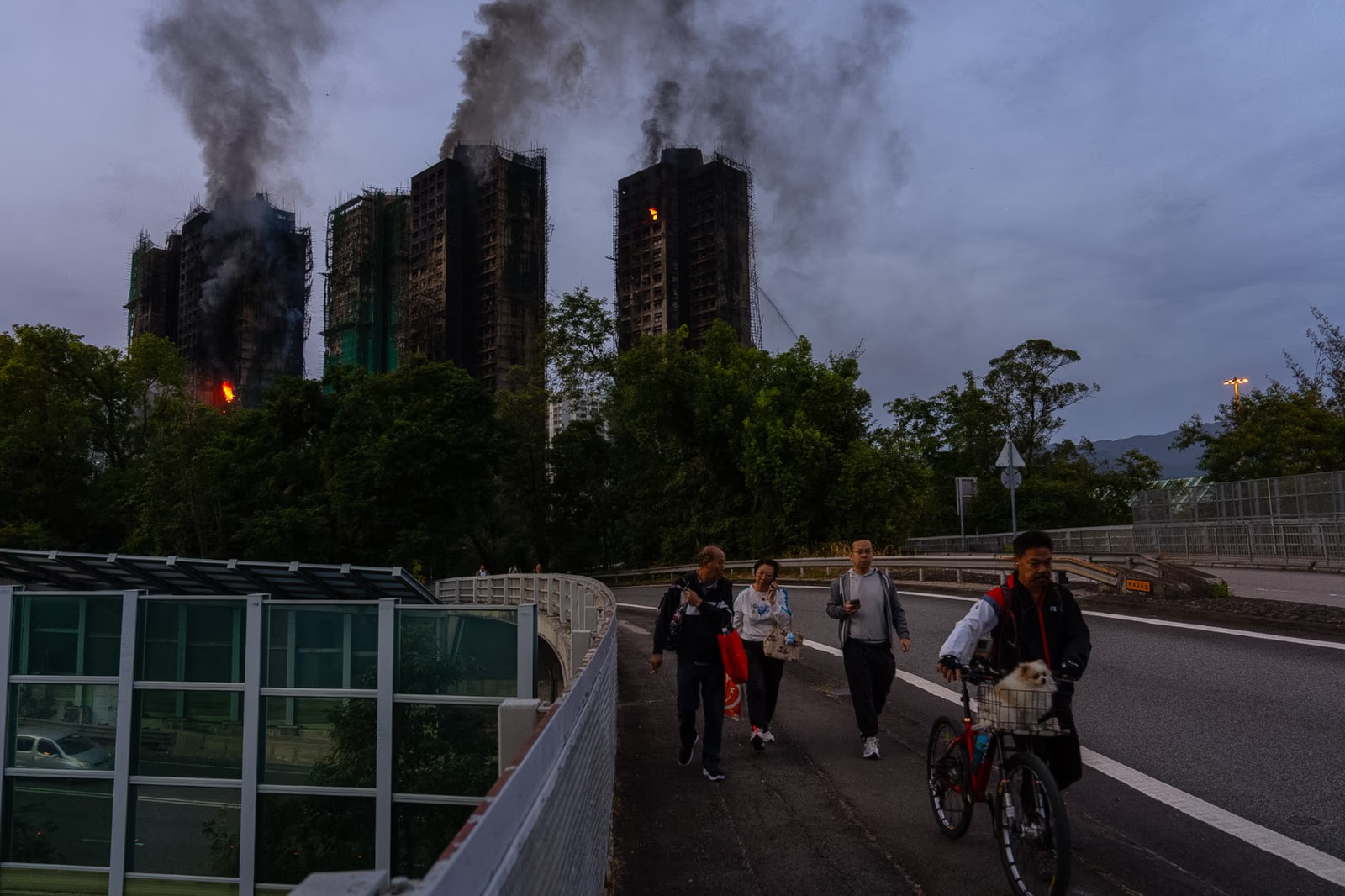
Source: aajtak
These subpar materials likely exacerbated the spread of the fire. Police have apprehended two directors and a consultant (aged 52 to 68) from the engineering company involved, with allegations stating their negligence resulted in serious injuries and fatalities.
What Triggered the Fire?
Investigations revealed that polystyrene foam was applied to several windows. Being highly combustible, this foam allowed flames to propagate swiftly, especially through the lift lobby windows. Additional safety nets, plastic tarps, and sheets used were substandard. These hazardous materials contributed to the fire's rapid spread. The police have detained two directors and a consultant from the involved engineering company over accusations of severe negligence leading to injuries and numerous deaths.
Source: aajtak
What Is Polystyrene Foam?
Polystyrene foam is white, lightweight, and sponge-like. Commonly seen in items like TV/fridge packaging cushions and packing sponges, it's known for its thermocol-like properties.
Why It's Widely Used at Home
Indeed, polystyrene foam is much like thermocol—it's light, economical, and adheres easily anywhere.
Source: aajtak
Problems with Polystyrene Foam
It catches fire promptly, producing black smoke and toxic fumes, accelerating fire spread exponentially. Therefore, it's perilous for use in construction or window sealing. Polystyrene foam is often used for insulation, packing, and soundproofing, among other purposes. However, being highly flammable necessitates caution when used at home.
Reducing Fire Risk from Polystyrene Foam (Thermocol) at Home
Position away from fire sources—like gas stoves, geysers, heaters, candles, and mosquito coils. Maintain a distance of at least 10-12 feet.
Avoid using thermocol near any hot appliance.
If applied on walls/ceilings, ensure a fire-retardant layer is added.
Cover with fire-resistant plaster, boards, or sheets.
Opt for FR-grade Thermocol sheets available in the market for safety.
Avoid combining wiring with thermocol; always keep it away from electrical installations.
Consider using fire-resistant pipes or channels if needed.
Source: aajtak
Do not place thermocol in direct sunlight or excessively hot places; heat can cause melting and increase fire hazard.
Avoid storing packing thermocol at home; keep it away from ACs, heaters, or behind fridges.
Old packaging thermocol increases fire risks if stockpiled at home.
If thermocol is on walls, ensure ample air circulation in rooms; trapped smoke increases danger threefold.
Conduct yearly checks on thermocol used on walls/ceilings.
Always use covered thermocol—exposed thermocol poses the highest risk.
Source: aajtak
Three Essential Safety Items Every Home Should Have:
1 ABC Fire Extinguisher (minimum 2 kg)
Fire Blanket (for extinguishing small fires)
Smoke Alarm (available for ₹500–800)